CULTURE
How Does the Lottery Work?
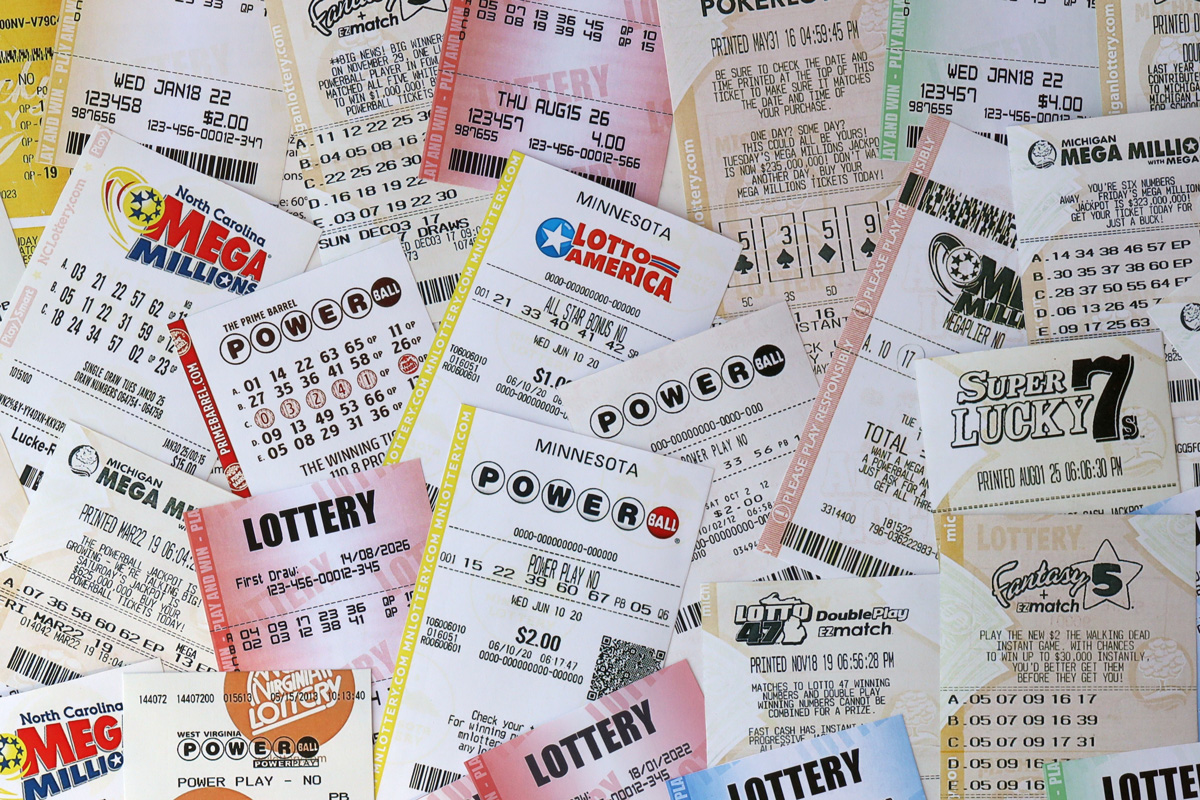

Given that the odds of winning the Powerball jackpot are 1 in 292.2 million, you’d sooner be struck by lightning (a 1-in-15,300 chance) than strike it rich. Despite that humbling fact, the lottery is a popular pastime for millions of people who engage in office pools and scratch-offs, hoping for a very lucky day.
But the lottery is more than a get-rich-quick scheme. Its origins trace back to state education, and it still plays an important role in state economies today.
Why We Gamble on the Ultimate Longshot
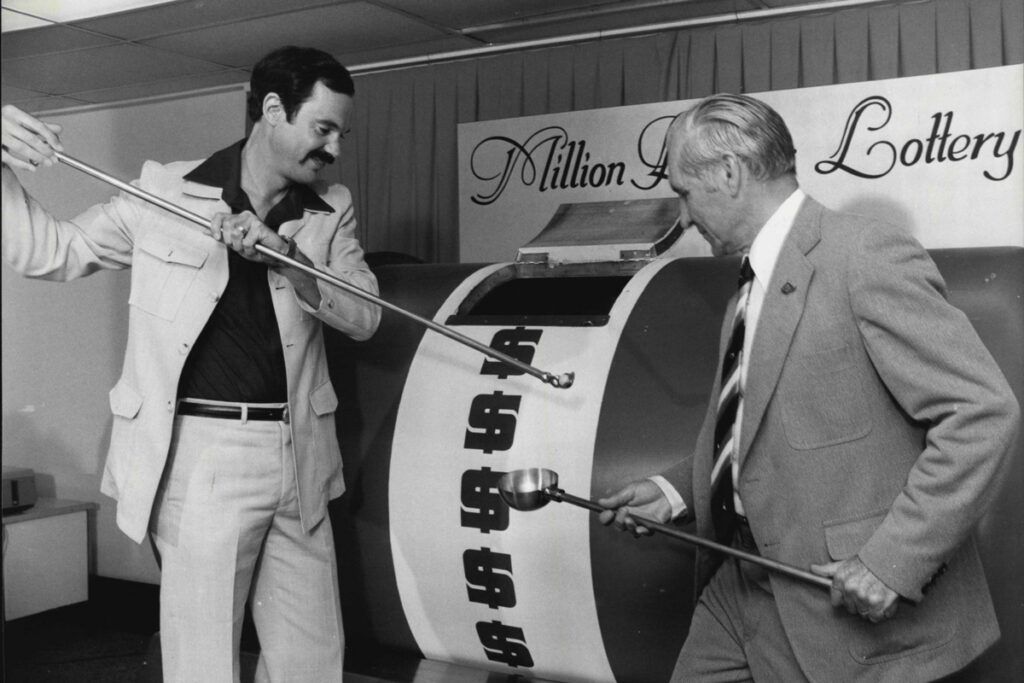
Leaf Van Boven, a psychology professor at the University of Colorado Boulder, suggested several reasons why we spend hard-earned money on a near-impossible windfall, including the fact that people often overestimate the likelihood of small probabilities.
We may also be motivated by the desire to avoid regret, worrying that we missed our chance at a lifetime of riches by not forking over a dollar or two for a ticket. could have won if we’d only played. Another reason is that we can experience actual joy merely by daydreaming about what we’d do with the money if we won, despite that joy leading to inevitable disappointment.
Whatever the reason, we’re still ponying up. Americans spent around $109 billion on the lottery in 2025, and a record $113 billion two years earlier. That’s a significant increase from the $5.7 million spent on the first modern state lottery — the New Hampshire Sweepstakes in 1964.
The state lottery was launched as a way to raise funds for education without raising taxes, as New Hampshire had no sales or state income taxes at that time. To subvert strict U.S. laws against lotteries, winners were determined by a horse race as opposed to a numbers draw. After its success, other states soon followed suit to raise their own funds.
How the Lottery Works
Players buy tickets at licensed retailers, such as convenience stores, and the state lottery uses about 60% to 65% of the revenue to cover prizes. After retailer commissions (and bonuses for retailers who sell winning tickets) and operating costs, about 25 to 30 cents of each dollar remains and is distributed to state programs.
States offer a mix of lottery products, which can include instant scratch-off tickets, daily numbers games, keno and other electronic games, iLottery and other app-based or online games, and — perhaps the most familiar form — state-wide draws with rolling jackpots. These larger games often have players choose (or randomly receive) a series of numbers from 1 to 70 or so.
The numbers are then randomly drawn, with the largest jackpot going to those who have all five or six — some, including Mega Millions — also include a special separate number you must have to win (in Powerball, this number is, naturally, the Powerball that’s drawn separately from the other numbered balls).
Usually players can win prizes for guessing a few but not all of the numbers, especially if one is the special bonus number, but these prizes are significantly smaller than the main jackpot.
Today, there is no federal lottery, but most states (as well as Washington, D.C., Puerto Rico, and the U.S. Virgin Islands) participate in multi-state lotteries like the Powerball and Mega Millions. Multi-state games are designed to create bigger jackpots than a single state could, drawing more publicity and luring more players.
The nonprofit Multi-State Lottery Association organizes the Powerball and other, smaller games, while Mega Millions is run by a consortium of state lotteries. With these games, states profit off the tickets sold in their state. They profit again when winners pay state taxes on their earnings, though some states — including Florida and Texas — do not levy a state tax on lottery winnings.
Where Does the Money Go?

Several states choose to spend lottery revenue on education, directing funds to K-12 programs, colleges, and scholarships. Education is likely the most well-known beneficiary of lottery funds, but some states also funnel it into general funds to support public projects and social programs.
Part of Minnesota’s lottery revenue benefits conservation, as does Colorado’s, which also helps bankroll outdoor recreation initiatives. Pennsylvania funds programs for senior citizens. Perhaps most fittingly, North Dakota allocates a portion to gambling addiction programs.
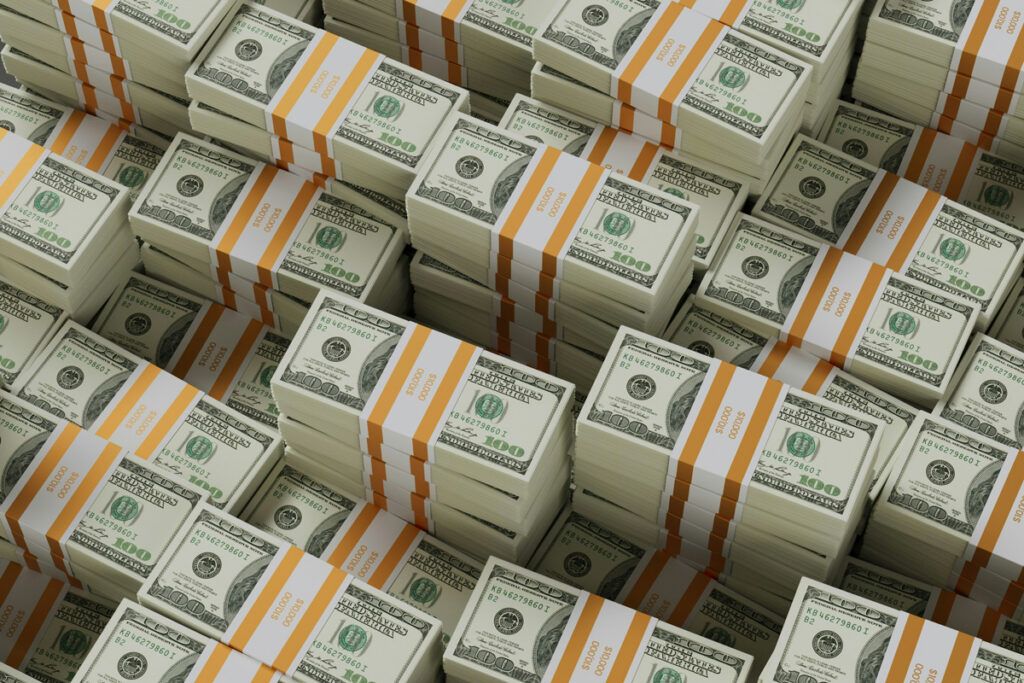
Of course, a sizable portion, if not most of a jackpot, goes to the lucky winner or winners. Some states allow lottery winners to remain anonymous, while others require the winner’s name to become a matter of public record.
Winners can choose to receive an annuity, which pays out the full amount over 30 years, or a smaller lump sum. Though it’s obviously appealing to immediately have enough for a new house or a yacht, the lump sum can be just 50% to 60% of the advertised jackpot depending on interest rates.
Whatever the winner decides, they’ll have to pay taxes. Lottery winnings are considered ordinary income and are taxed accordingly. However, winning a huge jackpot likely means moving into a higher tax bracket. Winners who choose annuity will be taxed incrementally, while those who choose lump sum will be taxed all at once.
If they bought their ticket in a state that taxes lottery winnings, they’ll also have to pay state taxes. There may even be city taxes. For example, if you won a $1 billion Powerball in New York City, you’re looking at about $63 million in state and city taxes alone.
Either annuity or lump sum payouts can be the right choice for a winner depending on their financial goals, and at the end of the day, a winner is likely ending up with significantly more money than they’d have if they chose not to play that day’s game.
However, financial experts recommend caution when it comes to saving, spending, and investing. That may include gently telling your friend you’re not going to invest millions in their latest dodgy business scheme.
States run their own lotteries and participate in larger multi-state lotteries with higher, more enticing jackpots. Ticket revenue covers prizes, operational costs, and retailer commissions, with the rest funding state programs. Taxes vary by city and state, though the IRS treats winnings as unearned income. Typically, winners take home less overall when choosing a lump sum over annual payments over two or three decades.
Short Answer