TECHNOLOGY
The 10 Most Important Inventions of the 21st Century (So Far)

If you’re reading this, you’ve experienced more technological advancements in your lifetime than the vast majority of all the humans that ever lived. For most of human history, technology developed at a glacial pace. It took our ancient ancestors 2.4 million years to make the first great leap in technology — controlling fire (that’s a lot of flint). Then, things more or less stayed the same for nearly a million years before the next big innovation: the Agricultural Revolution.
Technology continued advancing after that, but most people throughout history saw little to no technological change in their lifetime. Then came the Industrial Revolution, which ushered in a new era of rapid innovation that persists to this day. Technological innovation became exponential during the 20th century — just 66 years passed from the invention of flight to the moon landing.
The 21st century is developing even faster, with earth-shattering advancements in computing and artificial intelligence are already transforming society. Here are 10 of the most important inventions of this century so far.
3D Printing
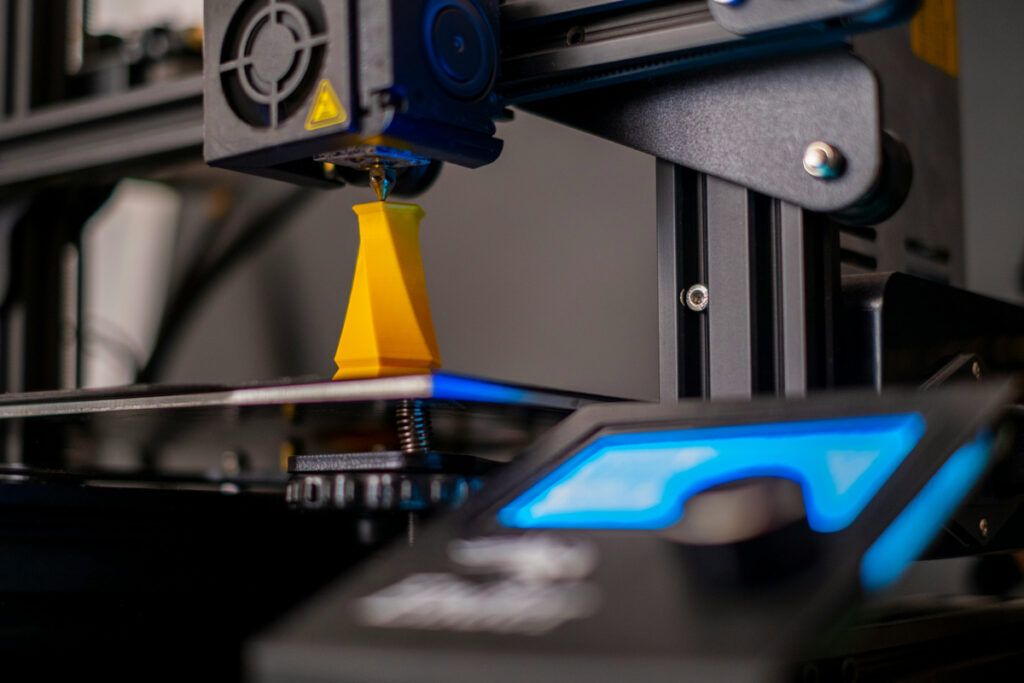
Rather than putting ink to paper, 3D printers take raw material, such as plastic, and mold it into physical structures. For example, you can download the blueprints of a specific-sized wrench you need and print one rather than find and purchase it elsewhere.
Technically, 3D printing is a 20th century creation, invented by Chuck Hull in the early 80s. But the first 3D printers were expensive and largely relegated to the manufacturing sector. Everything changed in 2002, when the first wave of 3D printer patents expired, allowing engineers to design smaller and more affordable printers for other industries and the consumer market.
This has spurred revolutions in manufacturing, technology, and medicine. Now, desktop 3D printers are being used by elementary school kids and research teams alike, for printing everything from toys to human tissue.
YouTube
YouTube launched in 2005 for video-dating and is now the most widely used content platform in the United States. While taken for granted now, YouTube completely democratized video distribution and paved the way for streaming. Not that long ago, filmmakers had to rely on gatekeepers such as film festivals and distributors to get their work in front of audiences.
Today, creators have access to an audience of billions, all thanks to YouTube, which has made superstars out of people recording from their own homes. Recently, YouTube overtook Netflix for the most daily viewing across the globe.
Artificial Intelligence
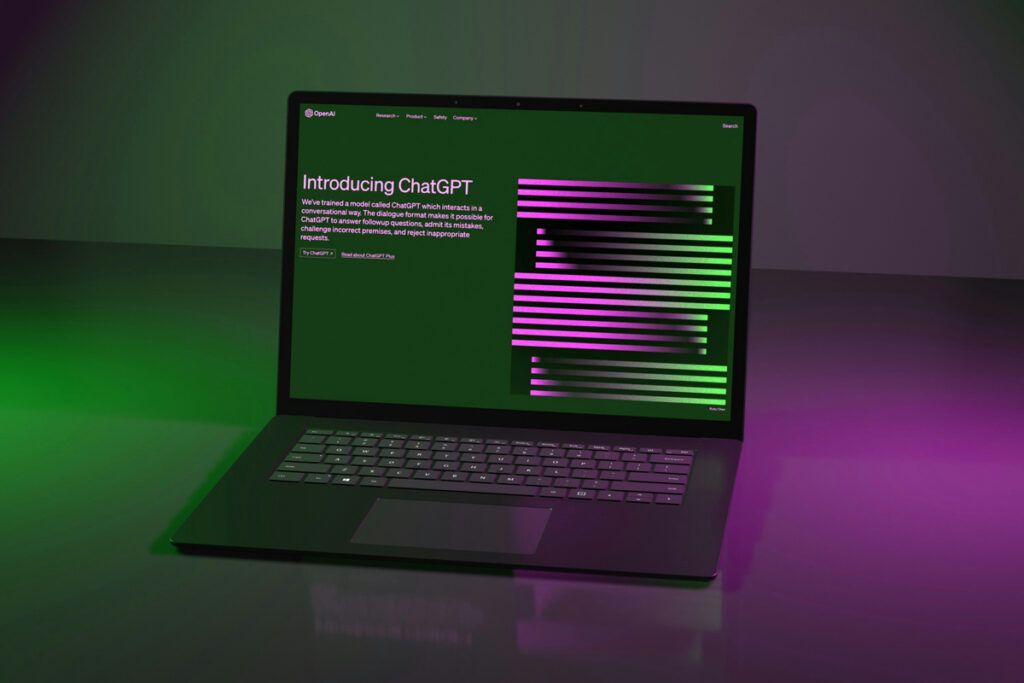
Eli Whitney never could have guessed his cotton gin would lead to a future where machines meant to automate labor can think for themselves. But more than two centuries after the Industrial Revolution began reshaping society, OpenAI released ChatGPT to the public and forever changed the world by introducing artificial intelligence to the masses. In just four years, Large Language Models (or LLMs) have transformed lives, with 193 million users utilizing ChatGPT every day for everything from scientific research to writing novels.
Despite public concerns about AI infringing intellectual property and decimating jobs, developers are plowing full steam ahead. LLMs have evolved into Agentic AI, autonomous agents that can devise and execute multi-step tasks without human aid. Today, you can have an AI personal assistant manage your appointments and book restaurant reservations on your behalf.
AI is such a game-changer that it’s too soon to tell if it will usher in a renaissance where nobody has to work anymore, completely reorder the social hierarchy for good or for ill, or just make things slightly more convenient for those that can afford it. Time will tell.
CRISPR
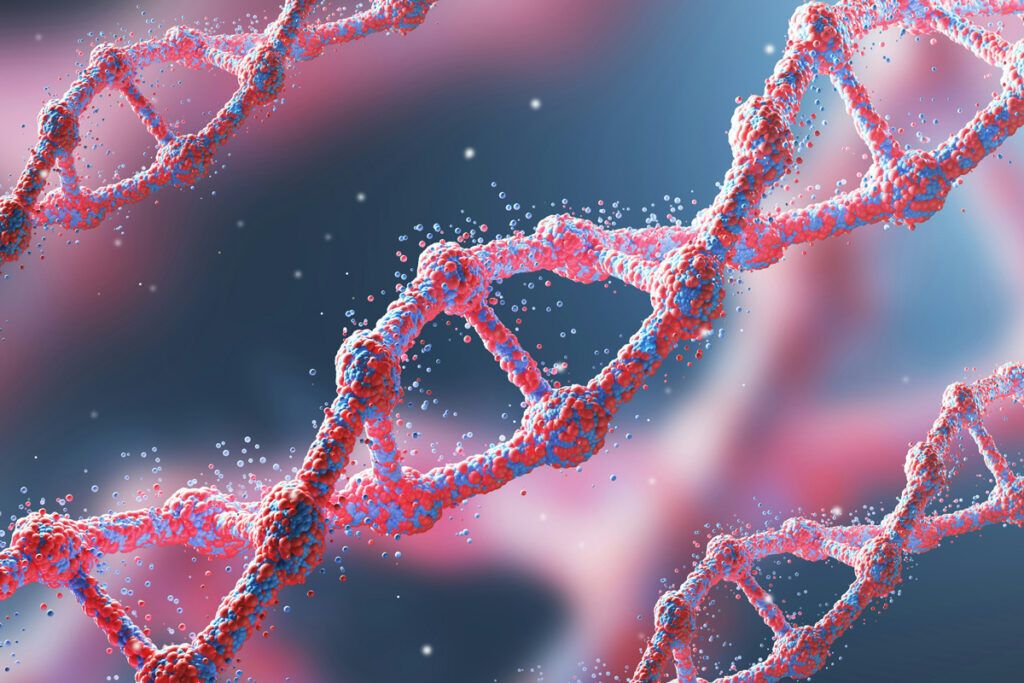
CRISPR (clustered regularly interspaced short palindromic repeats) is a revolutionary gene-editing tool that was announced in 2012. Earlier, microbiologists had noticed that bacteria have a nifty defense-mechanism where they splice portions of an invading virus’s DNA into their own genetic code to defeat said virus.
Decades later, researchers isolated the enzymes and RNA that constitute these “bacterial scissors,” and replicated the mechanism in a lab. Now, thanks to CRISPR, scientists the world over can (relatively) easily edit the genome of any living thing, picking and choosing which genes to add or remove.
You might be thinking this sounds like the cold open of a sci-fi thriller, but CRISPR has the potential to radically advance the field of medicine. Case in point? A CRISPR-based treatment for sickle cell anemia that functionally cures the disease was approved by the FDA in 2023.
Self-Driving Cars

Stand on a street corner in Austin or San Francisco and you’re bound to see a car or van pass by — without a driver. Companies such as Waymo, Tesla, and Amazon utilize different technologies to allow cars to drive themselves, including cameras and LiDAR (Light Detection and Ranging) and operate as robotaxis across the country.
In 2004, the U.S. military’s Defense Advanced Research Projects Agency (DARPA), a secretive organization that spawned the internet, the stealth bomber, and GPS brought innovators together for an autonomous vehicle race through the Mojave Desert for a $1 million prize. The event ended up being a maelstrom of driverless cars flipping, crashing, and burning. Nobody won. But the race spawned a whole generation of driverless car companies seeking to revolutionize transportation. There’s no doubt autonomous vehicles are here to stay.
Blockchain

When Bitcoin launched in 2009 (back when it was $1 for 1,309 BTC) it sought to revolutionize banking by using a blockchain instead of traditional bank ledgers. In short, blockchain is a peer-to-peer digital ledger that serves as a decentralized record of transactions. Once a user inputs data for a transaction into an individual block on the chain, it can never be altered, eliminating the need for auditors or other third parties to verify banking records.
Though it’s associated with cryptocurrency and NFT artwork (such as Bored Ape images that once sold for $10K a pop), blockchain has many other practical applications including supply chain logistics, digital IDs, copyright tracking, healthcare, and even voting.
Reusable Rockets

In 2015, SpaceX revolutionized space travel not by launching a rocket, but by vertically landing one — a 23-story tall Falcon 9 rocket that had flown to space. Part of the reason space travel has historically been so expensive is because of all the expendable rockets involved (for example, Apollo capsules were never used more than once).
Reusable rockets have dramatically reduced launch costs, allowing far more flights and, in turn, more innovation when it comes to space exploration, satellite use, and harvesting resources from afar (very afar).
Organoids
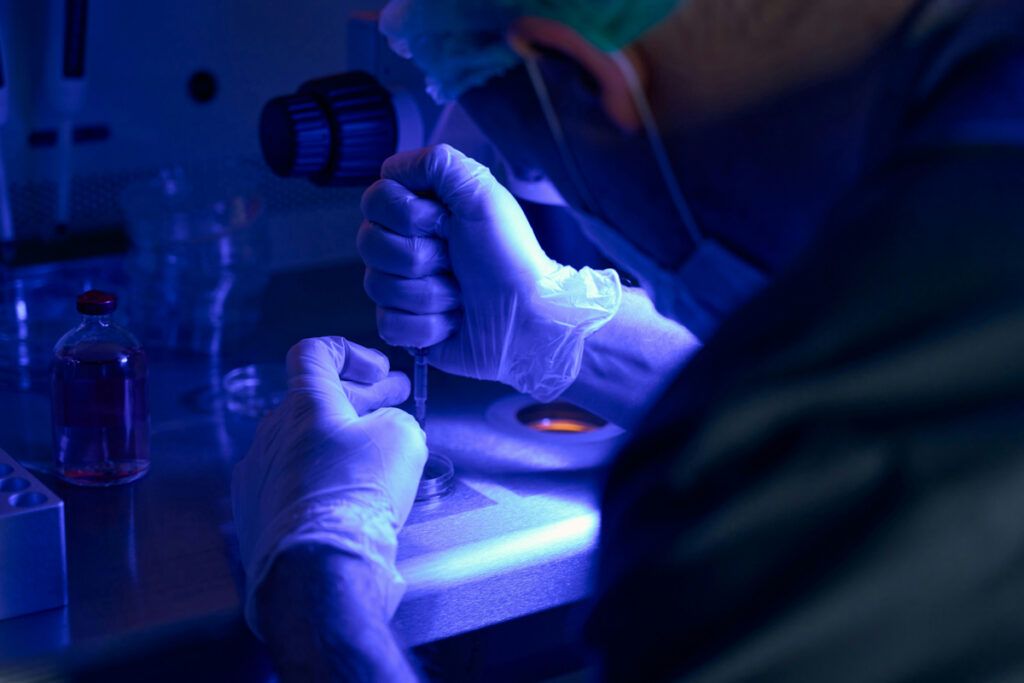
In 2009, biomedical researchers used stem cells to create miniature intestines in a lab. If this sounds like science fiction, you should sit down for the next part. Thirteen years later, another team of researchers grew a miniature brain in a petri dish and taught it to play Pong. No, these are not mad scientists, but researchers who hope to one day use these “organoids” to study diseases and perform ethical drug trials on vital parts of the human body without putting any humans at risk.
Cloud Computing
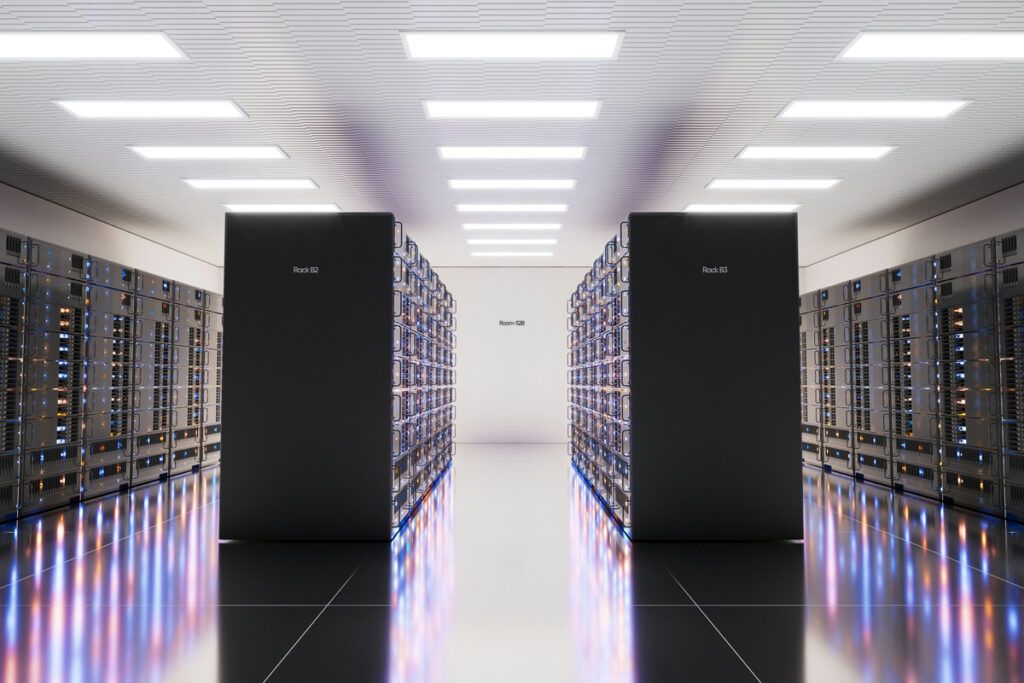
We all use the cloud. You probably back up your photos to iCloud, use Google One to keep your inbox from boiling over, or navigate shared Dropbox folders from work on the daily. Though its roots go back to the late 20th century, most historians mark 2006 as the real start of cloud computing, with the launch of Amazon Web Services (AWS).
This service allowed small businesses to replace costly in-house servers with a much cheaper, pay-as-you-go solution for data storage, housed in off-site data centers. As technology advances and more people utilize it, more and more of these data centers — and the energy to power them — are needed.
Smartphones
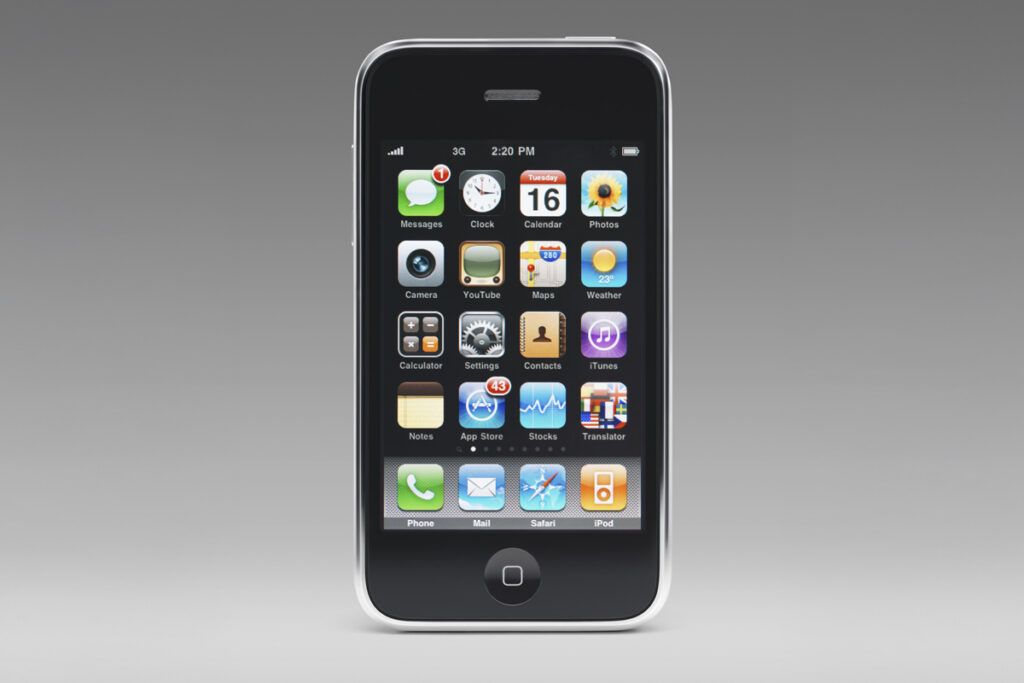
Perhaps nothing on this list has changed our lives more than smartphones — after all, there’s a good chance you’re reading this on a smartphone (or slightly larger tablet). Earlier cell phones that could connect to the internet existed, but modern smartphones with the form factor and capabilities we use today became mainstream in 2007, when Apple released the first iPhone. This handheld computer was sleek and futuristic with its touchscreen, web browser, GPS, music player, and various other applications (apps).
Though it’s still called a phone, the primary use of a smartphone is essentially as a fully-realized personal computer. Nineteen years after the first true smartphones hit the market, we use them for work, entertainment, and socializing. They perhaps best represent 21st-century innovation, if only because you can find one everywhere you look.