TECHNOLOGY
Could You Tell if Your Burger Was Grown in a Lab?
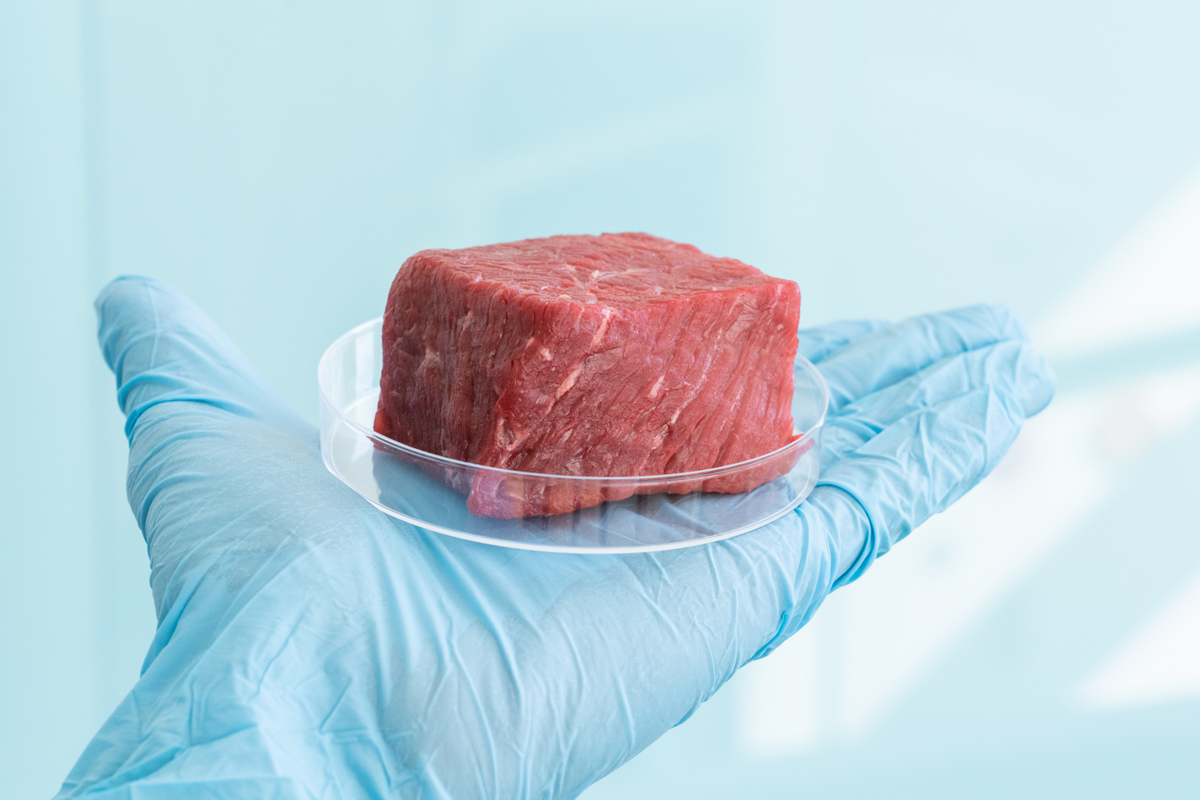

Some people avoid meat for health reasons, while other vegetarians do so because they’re not comfortable with the idea that animals are raised and slain for food. For the latter, cultivated meat offers an ethical solution: You can enjoy a juicy burger knowing the cow it came from is still grazing on a farm.
This may sound impossible, but several startups are already producing lab-grown chicken nuggets, meatballs, tuna, and even foie gras. And unlike plant-based alternatives made from soy, beans, and other proteins, cultivated meat is actually meat, right down to the DNA. Because of this, it’s not entirely accurate to call it “synthetic,” though many refer to it this way.
Even those abstaining from red meat for dietary reasons may benefit from meat grown in a lab. Here’s why.
How the Sausage Is Grown
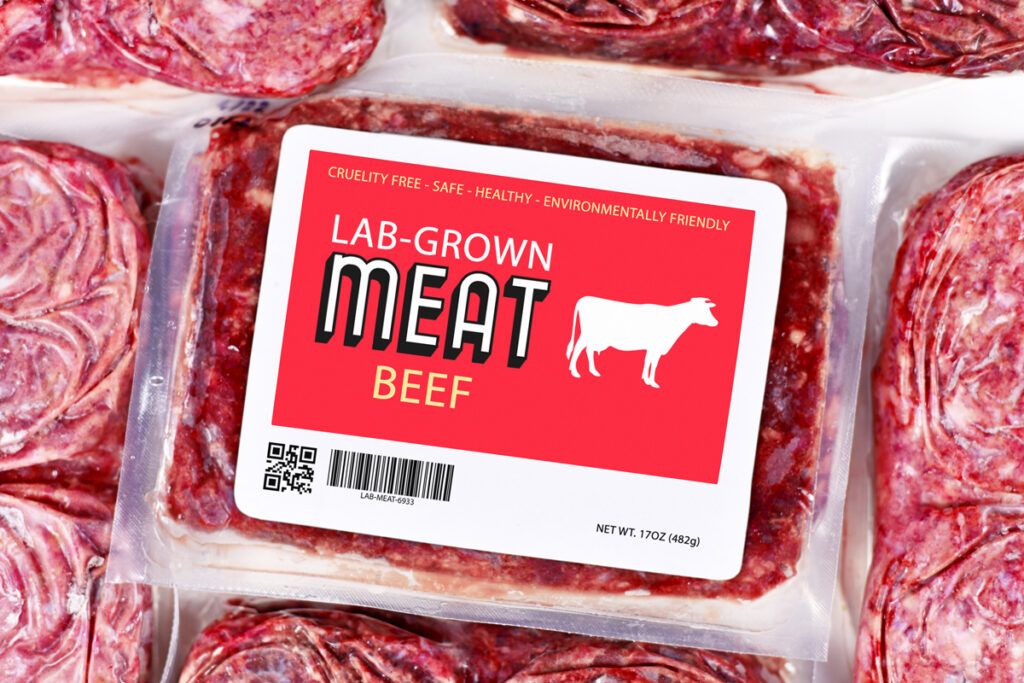
Lab meat isn’t made — it’s grown. Rather than thinking of it as a plant or crop, though, it grows much like an animal does, cell by cell. However, the entire animal isn’t cloned (that would defeat the purpose) — just the parts we eat.
First, stem cells are harvested from an animal, often in a process similar to a biopsy or blood draw. Stem cells are used specifically because they can develop into other kinds of specialized cells, such as blood or muscle. Manufacturers place the cells in a stainless steel tank, called a bioreactor or cultivator, in a liquid rich with proteins, vitamins, sugars, and other nutrients.
Adjusting the nutrients in the liquid encourages cells to mature into muscle, fat, or connective tissue, which can be separated and arranged into different forms, such as ground beef or steaks. This is done by growing the cells on a three-dimensional scaffold, such as collagen or edible plant-based materials standing in for skeletal structure.
No macroscopic parts of the cow are ever made outside of the specific parts we like to cook and eat. If, for example, we were growing synthetic two-by-four lumber in a lab, only wood fibers would ever be grown. There’d never be an oak tree or seedlings, or even parts such as leaves or roots. Just the fibers.
For food made from lab-grown muscle fibers, the entire process takes two to eight weeks, depending on the type of meat. Products with less structure, such as ground beef, are easier to create than steaks.
Why Lab-Grown Meat?
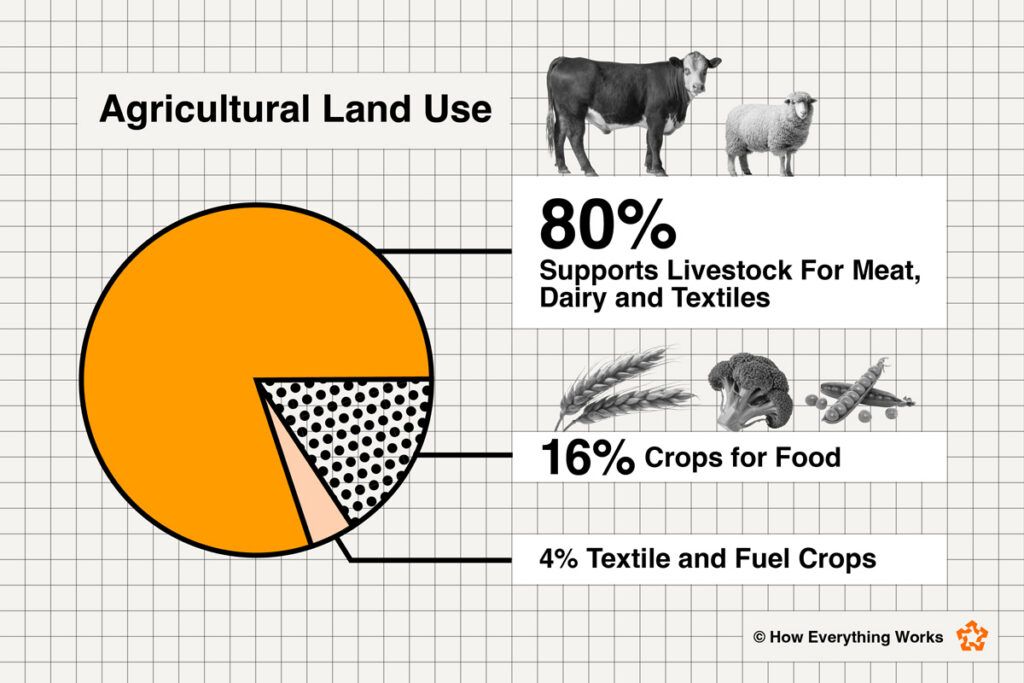
Proponents of lab meat tout the most obvious benefit: No animals are slaughtered (though some methods culture cells from already-slaughtered livestock). But it’s also good for the environment. Traditional livestock production uses a whopping 80% of agricultural land when accounting for grazing pastures and crops grown for animal feed. Farms also account for about 10% of U.S. greenhouse gas emissions, half of which come from cattle.
Lab meat requires far fewer animals. Mark Post, the pharmacologist who developed the first lab-grown burger in 2013,, estimates that 175 million burgers could be produced using cells from a single cow.
Cultivated meat is also made in a highly controlled environment, potentially decreasing the risk of bacterial contamination — which can pose a serious health threat when slaughterhouses and farms don’t uphold the best hygienic practices.
Plus, the specific fat content of lab-grown meat can be dictated from the start. Want extra gristle for the taste? It can be done. More importantly, meat can be manipulated to contain less saturated fat or even more nutrients and vitamins. This means that cultivated meat may actually be a healthier choice. Considering it’s real meat made from real animal muscle, the easiest way to distinguish the two may be just how nutritionally optimized lab meat is.

If that’s the case, why aren’t synthetic nuggets lining the freezer aisle? For one thing, startups have struggled to produce cultivated meat at scale, so it isn’t an affordable replacement yet. Meanwhile, agricultural lobbyists, traditional farmers, and some lawmakers have pushed back on the technology. Italy banned lab-grown meat in 2023, citing the need to protect the country’s heritage. Hungary imposed a similar ban in 2025. Lab-grown meat, also called synthetic or cultivated meat, is made by using stem cells from an animal to grow muscle, fat, and other components in a bioreactor. These cells grow around collagen or other structures to form steaks, nuggets, ground meat, and other forms. No organs or other animal parts are cultivated — just what’s made to be eaten. Nutrient and fat content can be customized to an extent as cultivated meat is grown.
It’s also unclear how popular, and thus profitable, lab meat would be with consumers. Those who’ve sampled it say it feels and tastes pretty close to the real thing. In a blind taste test, you might not be able to notice a difference. (But the cow that was spared will.)
Short Answer