TECHNOLOGY
7 Little-Known Buttons in Your Car — and What They Do
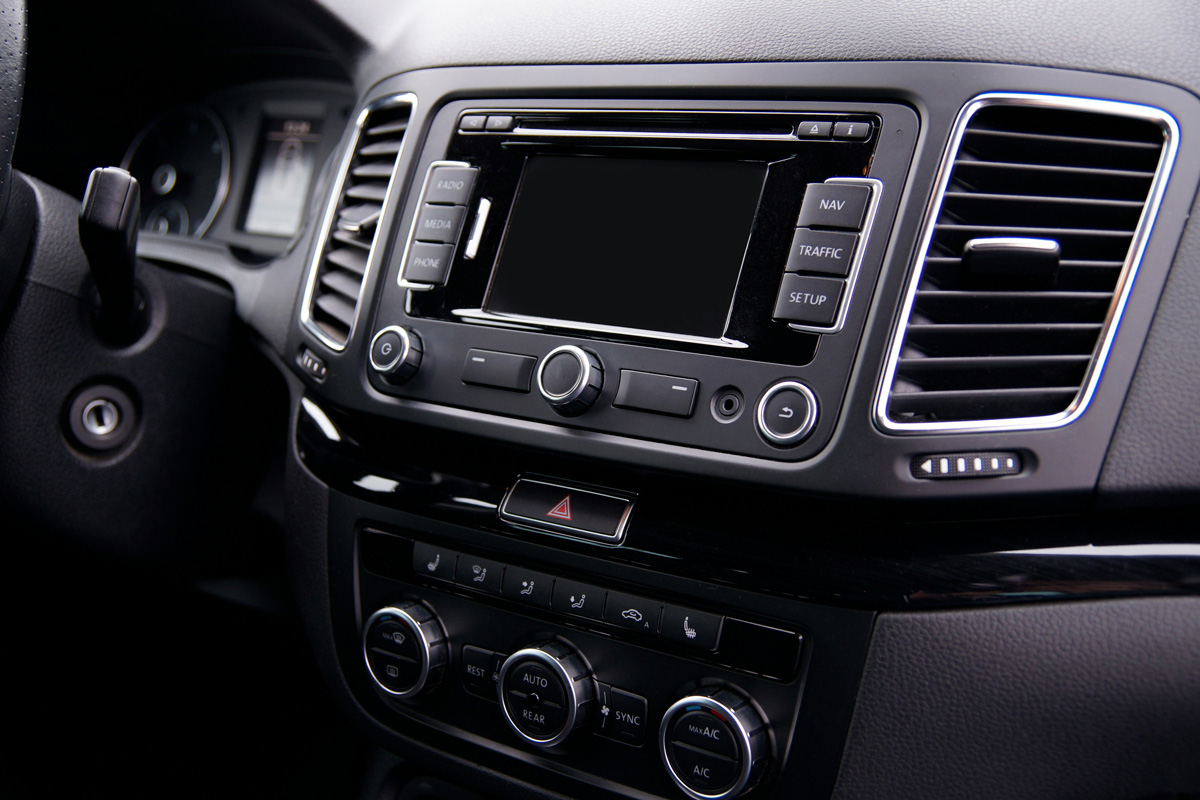

How well do you know your own car? Chances are, you know how to turn up the radio, switch on the headlights, and get the windshield wipers going. But somewhere among your vehicle’s familiar controls, there may be a button you’ve never quite understood. Is that little skidding car icon a warning, an invitation, or something best left alone?
These seven items are common buttons you might never have pressed, or even thought to press. Not every vehicle has all of them, and their symbols, locations, and operation can vary by make, model, and year. Some functions may live in a touchscreen menu instead of a physical button. Learning how to use some of these may even make you a better, safer driver.
The Air Recirculation Button
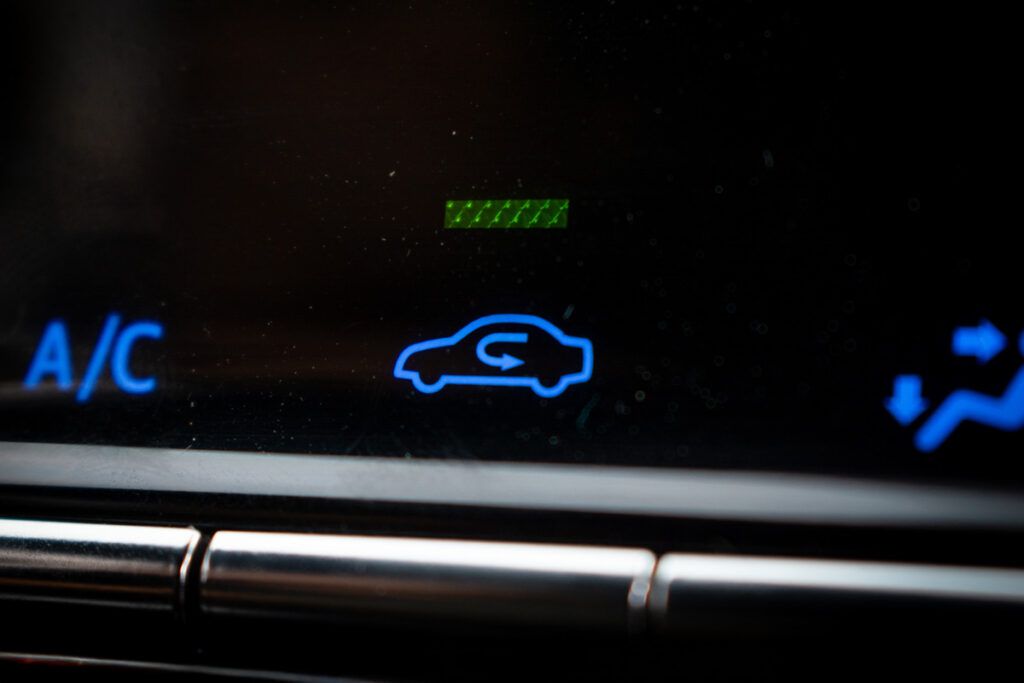
What to look for: A button depicting an outline of a car holding a curved arrow inside.
If you find yourself behind a particularly smelly garbage truck, this button can be a godsend. It closes the air duct in the front of your car and tells your ventilation system to recirculate air already inside the cabin instead of drawing in air from the outside. That can help keep outside odors from entering — although cars aren’t airtight, so a little unpleasantness might still seep in.
Even if you’re not avoiding foul odors, the recirculation button can be your best friend on a sweltering day. It will help your AC cool things down much faster because it’s recycling already-chilled air rather than pulling in hot air from the outside.
But leaving it on isn’t always helpful: In cooler temperatures, recirculation can contribute to fogged windows. Also, reduced ventilation can allow exhaled carbon dioxide to build up, potentially contributing to drowsiness — so if you’re tired or on a long trip, it’s probably best to let that fresh air flow.
The Traction Control “Off” Button
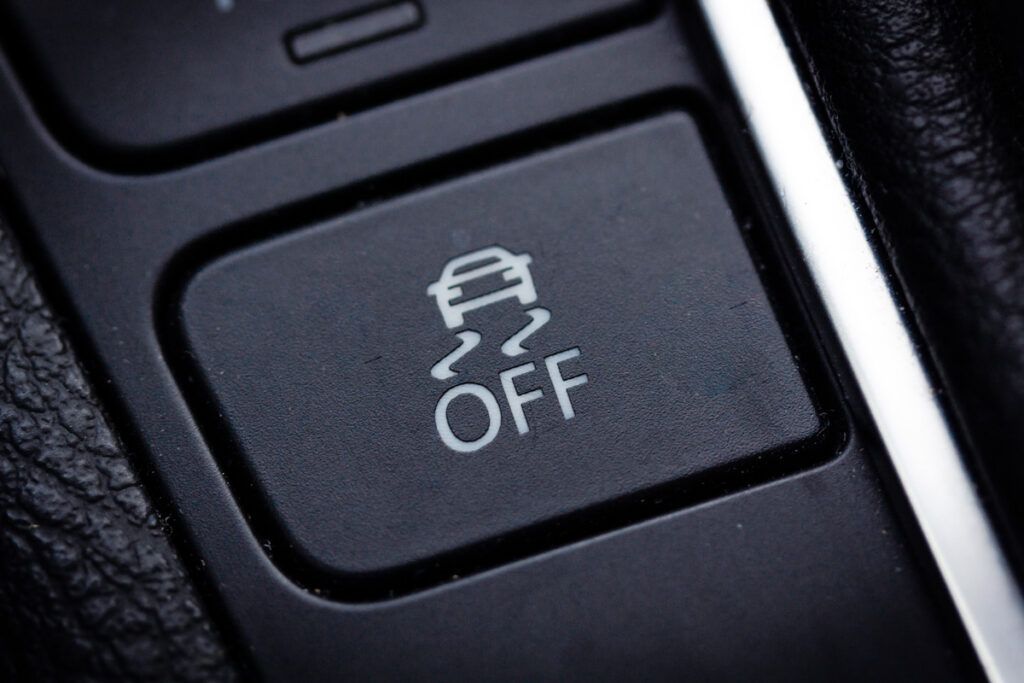
What to look for: A button usually marked with a car above wavy lines, often accompanied by “OFF.”
This button can seem counterintuitive: Why would you want less traction control? Well, normally you wouldn’t. Traction control is typically used to limit wheel spin by braking individual wheels, helping your car keep its grip on slippery surfaces. But if you’re stuck in mud or snow, that intervention can sometimes work against your efforts to get moving.
Temporarily switching off traction control allows the wheels to spin harder, which could help you dig yourself free. It isn’t a guarantee of escape, though, and the feature should be turned back on afterward.
The Fog Light Controls
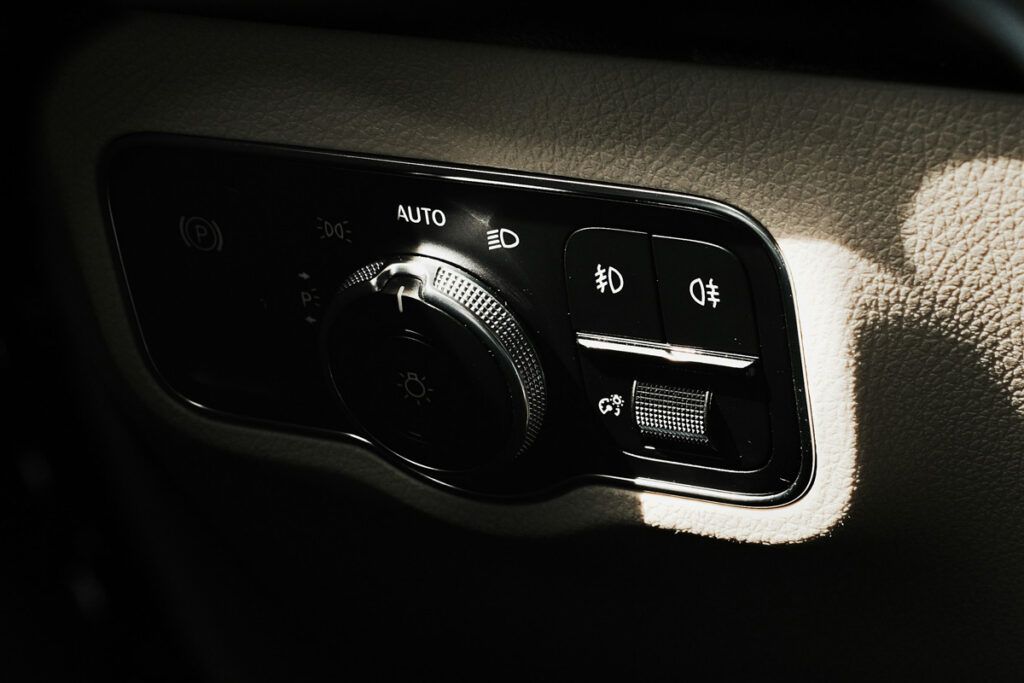
What to look for: A headlamp symbol facing left (front) or right (rear) with three horizontal lines intersected by a wavy vertical line, representing fog. These controls might be buttons on your dash, selectors located on your steering wheel stalk, or switches near your regular lights.
When fog swallows the road ahead, brighter headlights might seem like the logical solution. But unfortunately, the fog just reflects the bright light back, making it more difficult to see. Front fog lights provide a wider spread of light that shines under the fog and closer to your car, as opposed to farther up ahead.
Rear fog lights have a different job: They shine bright red to help drivers behind you more easily spot your vehicle. These rear fog lights are much brighter than ordinary taillights and should be reserved for poor visibility. A good rule of thumb for both fog lights is to switch them on when visibility drops below roughly 300 feet, or about the length of a football field.
The Shift Lock Release
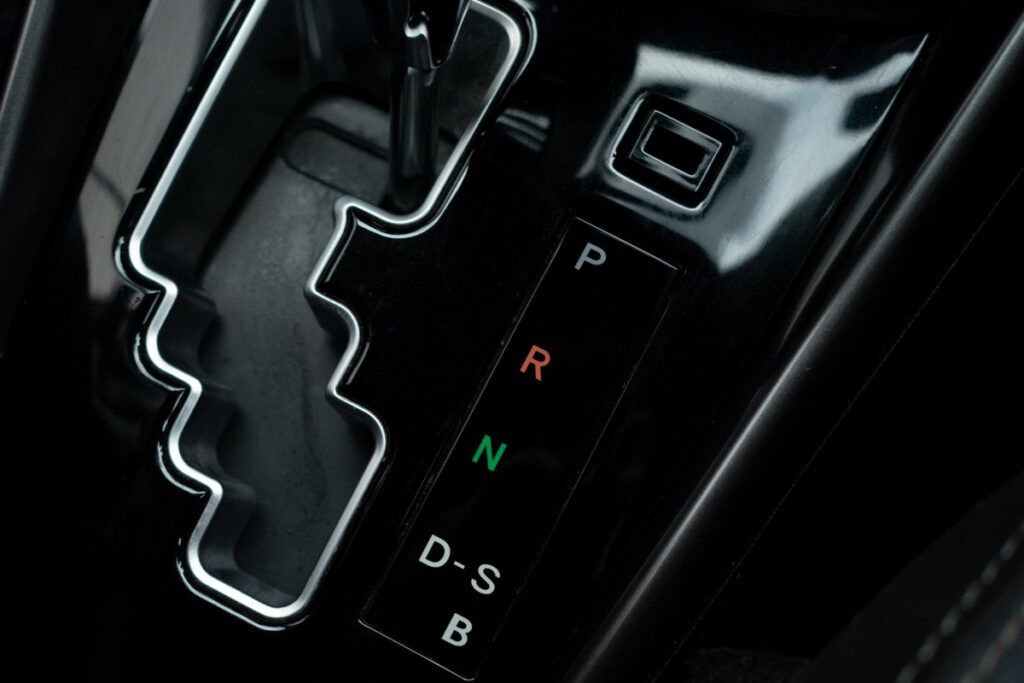
What to look for: A small covered slot or recessed button near the gear selector on automatic cars. Depending on the vehicle, using the shift lock release may involve removing a small cover and pressing the release underneath it with a key or another tool.
A dead battery can leave you with more problems than just an engine that won’t start. In some automatic vehicles, it can also prevent the gear selector from moving out of park. That’s because the shift lock is keeping your gears from accidentally shifting when they shouldn’t. A manual shift lock release lets you override that lock in an emergency and move the selector into neutral, which can help when the car needs to be towed or pushed out of an intersection.
This is one control especially worth locating and understanding before you need it. Follow your owner’s manual for the exact procedure, including applying the parking brake to keep the car from rolling when it comes out of park.
The Parking Sensor Override
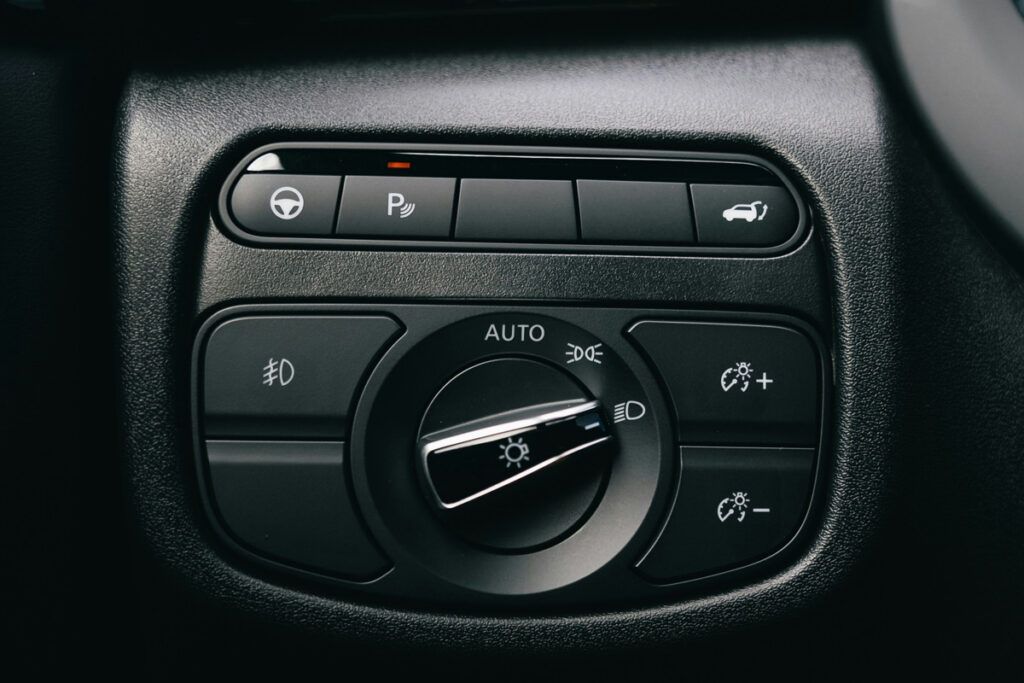
What to look for: A button often marked with a “P” and curved sensor waves, sometimes beside a cone-shaped obstacle.
As you edge toward an object, parking sensors can announce your increasing proximity with increasingly urgent beeps. That’s useful when the object is a mailbox you haven’t noticed; it’s less useful when the sensors keep detecting a trailer you’re deliberately towing.
In that case, or in other similar scenarios, such as going through a car wash, the override switches off some or all of your parking sensors. Make sure to check what else the setting affects, though: On some vehicles, disabling the rear sensors also disables associated automatic braking assistance while moving in reverse.
The Window Lock Button
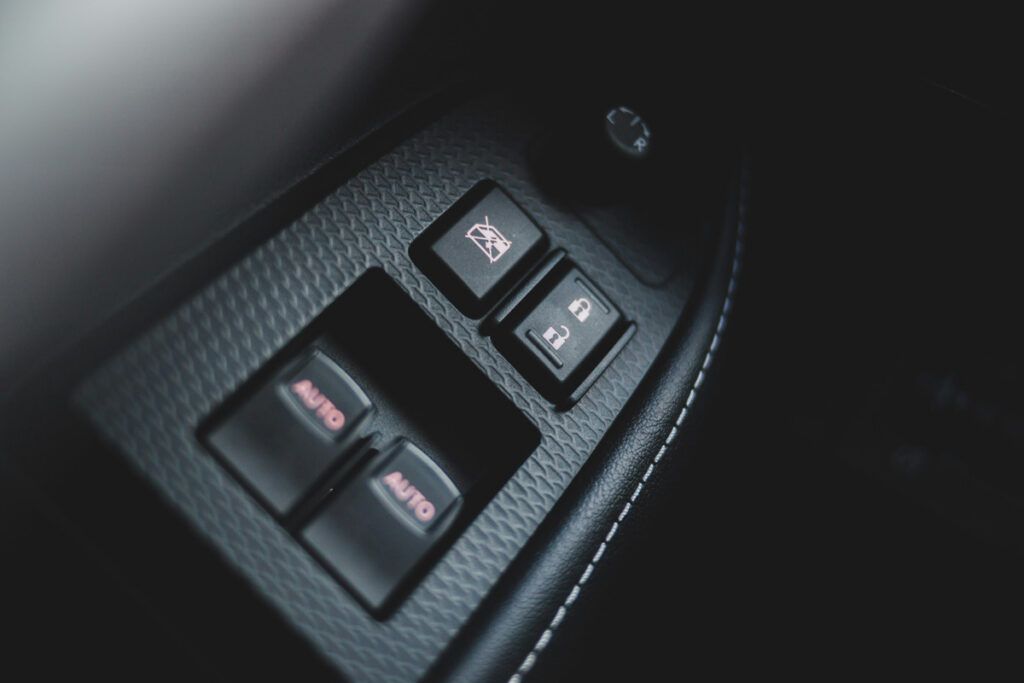
What to look for: A button near the driver’s window switches, often marked with a window symbol, sometimes crossed out.
If you usually drive alone, you may never have needed this one. The window lock disables passenger window controls — handy when a child discovers the irresistible entertainment of making the glass go up and down. It could also prevent a dog from accidentally activating a window switch with its paw.
The Child Safety Door Lock
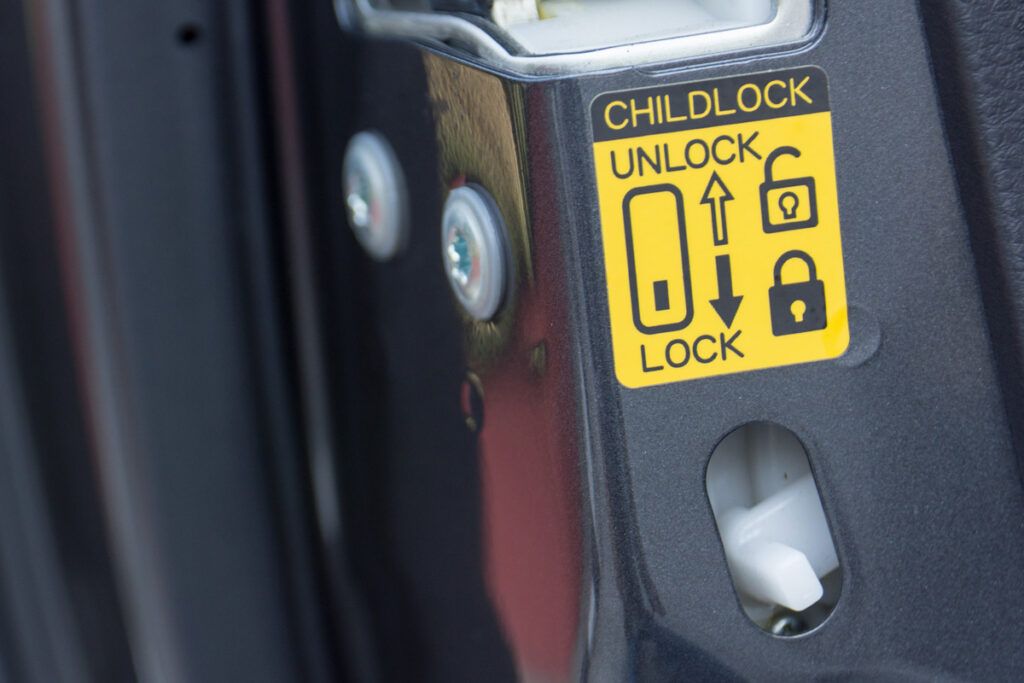
What to look for: A small lever or key-operated slot on the edge of a rear door, often beside a lock symbol. Mechanical versions are visible when the door is open.
This hidden control solves a different problem from the window lock. Once engaged, it prevents a rear door from being opened with its inside handle, even when the door is unlocked. The door must instead be opened using the outside handle.
Mechanical versions generally need to be set separately on each rear door, while many vehicles offer electronic controls operated from the driver’s seat. If a backseat passenger ever insists their door won’t open, this little switch may explain the mystery.