HEALTH
How Is Anesthesia Different From Sleep?


If you’ve ever had surgery and “gone under” general anesthesia, you might remember it seeming like drifting off into an extended, uninterrupted nap. One minute you’re nervously awaiting a procedure, counting back from 10, and the next you’re in the recovery room — perhaps several hours later.
But make no mistake, the unconsciousness you experience while under anesthesia is a very different state from normal sleep. Here are eight ways going under anesthesia is completely different from being asleep.
Anesthesia Has To Be Induced

Sleep happens organically. A chemical called adenosine builds up in your brain throughout the day, and the more that builds up, the more tired you get. The brain’s pineal gland also releases melatonin as it gets dark outside to let your body know it’s time to wind down.
Anesthesia, on the other hand, must be administered either intravenously or through inhaled drugs. It chemically alters your brain, placing you in a coma-like state. These drugs are not the same as tranquilizers or medications that induce drowsiness, which simply help you fall asleep naturally. In other words, anesthesia is not like taking a big dose of NyQuil.
You Are Completely Unconscious
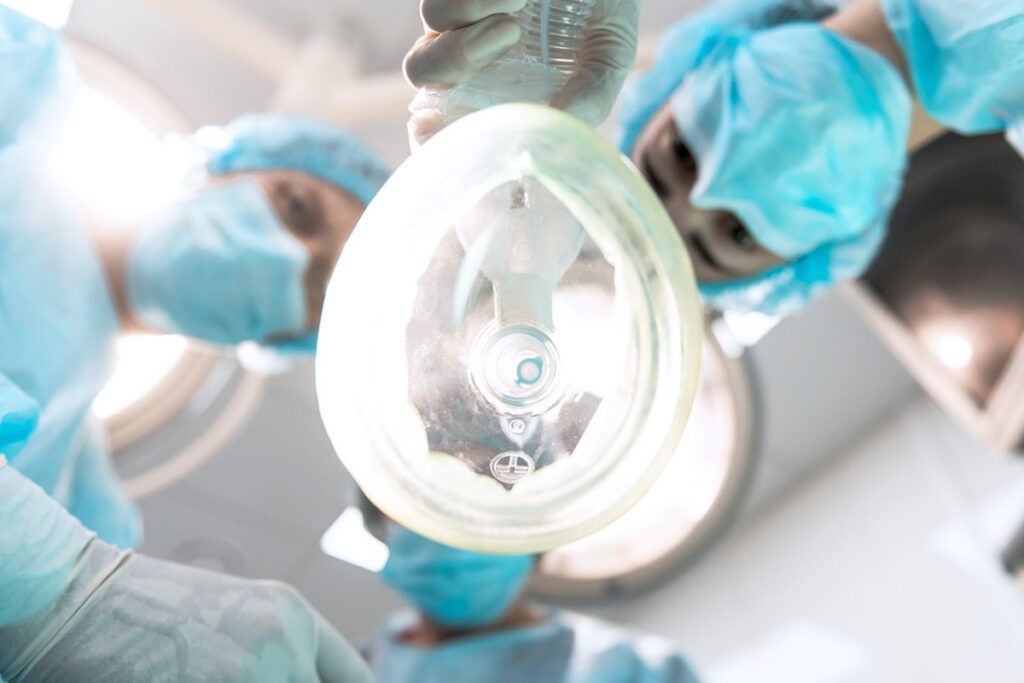
Some people describe the way they sleep as being “dead to the world,” but that’s not really the case. The blare of an alarm clock, a bright light, or the movement of a partner or pet can still rouse most ordinary sleepers. But with general anesthesia, you are completely unconscious. You won’t wake up in response to stimuli, no matter how loud or bright the scene around you may become.
Your Brain Waves Become Nearly Flat
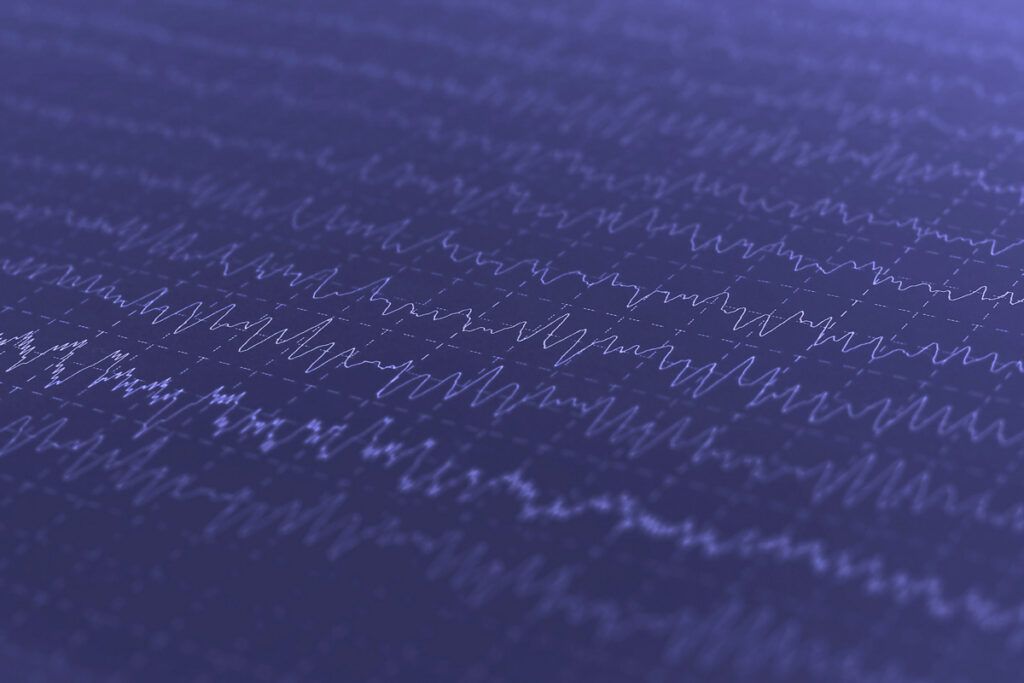
During a single night’s sleep, the brain repeatedly cycles through four stages: light sleep, deeper light sleep, deep sleep, and REM sleep. The brain remains active, shifting between slow waves in deep sleep and high-activity waves during REM sleep, which is when you dream. In effect, it’s on a “night shift,” performing nocturnal duties as opposed to functions it handles while you’re awake.
Anesthesia suppresses the brain’s ability to communicate between regions, and brain activity is reduced. If you’re under general anesthesia, an EEG monitoring your brain waves would depict large, slow waves with stretches of near-flat waves in deeper levels, as opposed to the small, fast waves it would show while you’re awake.
You Stop Perceiving Pain

If someone were to (rudely) pinch or slap you while you slept, you’d likely wake up immediately, because your body still feels pain even when you’re not awake. That sort of sensitivity would pose an obvious problem during a major surgical procedure or invasive test.
Under general anesthesia, your nerves still register pain and send signals to your brain, but because your brain is in a deep state of unconsciousness, it can’t process and interpret those signals. That means it can’t tell you that you’re feeling pain. It’s as if a motion detector went off in your home security system, but the alarm doesn’t go off.
Your Body Cedes Control

When you’re asleep, your body automatically self-regulates its breathing, blood pressure, swallowing, and other reflexes. You may also move or twitch during your sleep as nerves fire (or misfire).
While you’re under anesthesia, muscle relaxants keep the body still and natural reflexes are suppressed. This actually includes your breathing, which is why you receive extra oxygen — first through a face mask and then, in some cases, through a breathing tube that’s inserted once you’re under. Anesthesia also suppresses the gag reflex, making it easier for the medical team to insert a breathing tube if needed.
You Don’t Form Memories

While you sleep, your brain organizes everything that happened during the day and funnels some of it into your long-term memory. But it doesn’t do this under anesthesia, which is why most people wake up with no recollection at all of this period. The passage of time often feels like a blank gap, as if you suddenly skipped ahead several hours. In contrast, even if you don’t remember being asleep, you often still feel a sense that some time has passed.
You Can’t Just Wake Up

Assuming nothing interrupts your natural sleep, you usually wake up after your brain has completed its restorative cycles and tasks. For most healthy adults, a good night’s rest lasts seven to nine hours. Anesthesia only ends when the anesthesiologist stops administering the drugs keeping you under and your body clears them, occasionally with the aid of reversal agents.
You Aren’t Resting

Sleep is one of the most important priorities when it comes to your health, because it’s when your body restores itself. During sleep, the body heals wounds and repairs cells, rebuilds muscles, boosts your immune system, clears waste, regulates emotions, processes memories, and gives your cardiovascular system a chance to recover from the day’s activities. Ideally, you wake up refreshed and ready to take on the new day.
Anesthesia doesn’t replicate these processes, which is why it generally does not feel restful. You likely remain groggy as your body continues to clear the drugs, and may feel like going straight back to bed, as if you hadn’t slept at all — because, technically, you didn’t.