HEALTH
Why Is Morning Breath Worse Than Your Regular Breath?


Waking up with stinky morning breath isn’t uncommon — and it has nothing to do with your dental hygiene, either. While certain foods or not brushing and flossing can lead to bad breath, morning breath is completely natural. In fact, it’s directly connected to your mouth’s natural cleaning system. Here’s how.
When Saliva Clocks Out
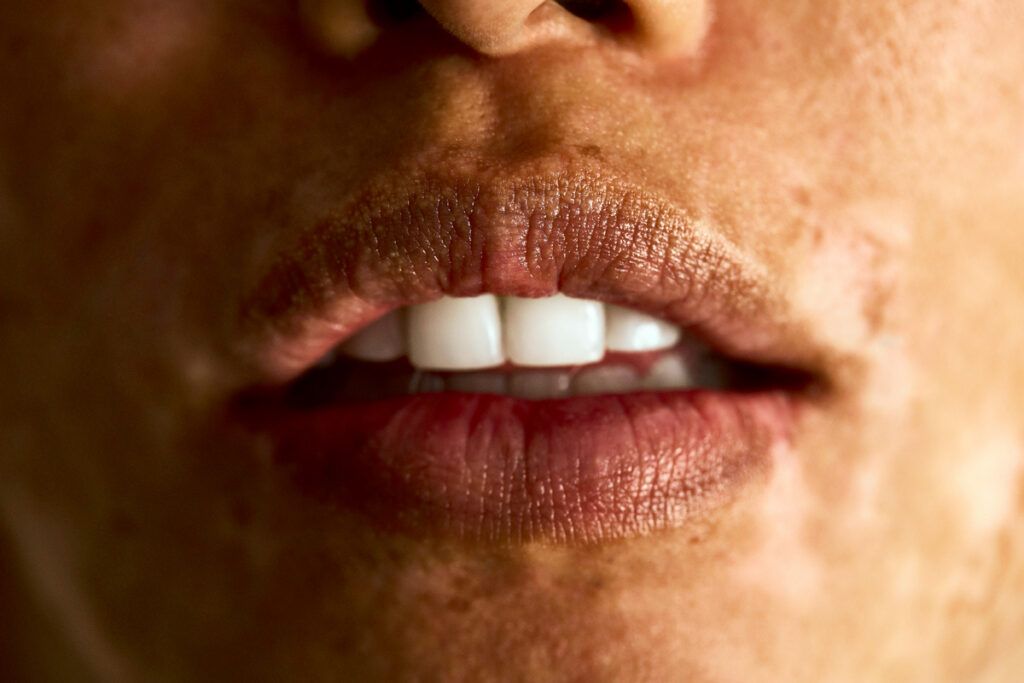
Saliva is one of the most important features of the body’s digestive system because it actually breaks food down before you swallow, thanks to its natural enzymes and proteins. But, that’s not its only purpose. In addition to supporting digestion, saliva is the mouth’s natural cleaning system.
It’s easy to see how your saliva acts as an internal rinse cycle for your mouth. Your body is constantly secreting it (i.e. your mouth is watering) and you’re often swallowing, even if you don’t realize it, to cycle it out. As saliva makes this round trip, it washes away food particles, removes harmful acids, and kills germs.
But, like many bodily functions, saliva production slows down as we sleep. After all, it’s not like you’ll be eating anything while you’re catching your Z’s. This slowdown is what leads to morning breath. Much like a wet/dry vac that hasn’t had its water replaced, the lack of saliva can cause a stale stench in your mouth.
With less saliva, the mouth becomes drier than usual, creating an environment ripe for anaerobic bacteria to grow. The bacteria don’t need much oxygen to thrive in your closed mouth, either, and saliva’s antibacterial properties aren’t available to help curb their growth.
As you sleep, these bacteria break down proteins in your mouth. When the cat’s away, the mice will play — and in this case, your saliva is the cat. Sulfur compounds are produced as a byproduct of the bacteria going to town on your mouth’s proteins.
It’s those compounds that result in a foul odor. So even if your breath is normally fine during the day, you’ll wake up needing some mouthwash. This is also why you might still notice a bout of morning breath after taking a short afternoon nap.
Mouth breathing can accelerate overnight dryness, making an even stronger environment for these bacteria to survive. Snoring can also contribute, since it increases saliva evaporation and is often accompanied by mouth breathing. But, even if you use mouth tape and address your snoring, there’s no way to fully escape morning breath, since it’s a side effect of saliva production ramping down for the night, alongside the rest of your body.
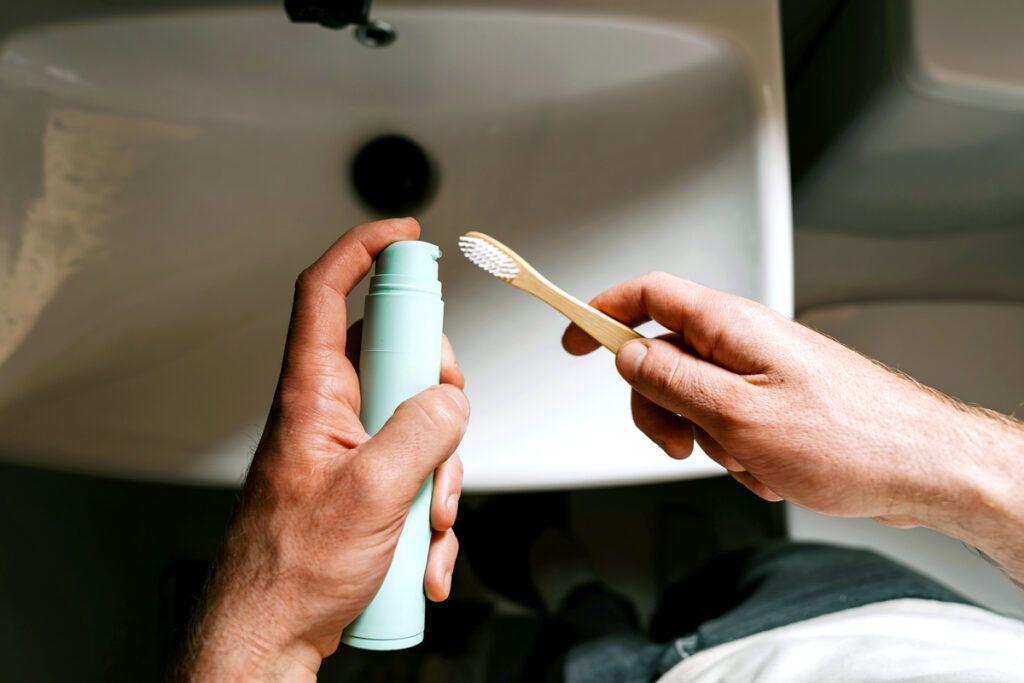
If you don’t floss before bedtime, you might have some food particles wedged between your teeth. This trapped food decays overnight, like scraps rotting in your garbage disposal, which can also contribute to bad breath in the morning.
If you have postnasal drip while you sleep, mucus can pool in the throat and feed the odor-causing bacteria. Stomach acid might also play a role, especially for people with acid reflux or GERD, since it allows for acid to flow up into the esophagus and throat while you’re lying flat.
Once you wake up, you can quickly get rid of morning breath the same way you prevent bad breath during the day: with good oral hygiene. You can also follow up with a sip of water to rehydrate your mouth and encourage saliva production again.
And, while morning breath is natural and largely unavoidable, you can help reduce it by performing a few steps shortly before you go to sleep, as well. Brush your teeth thoroughly for two minutes. Floss to remove any food particles and plaque buildup. Follow up with a tongue scraper to remove bacteria buildup on the tongue. If you can, rinse your mouth with an alcohol-free, antibacterial mouthwash, which can also kill residual germs. Even if you have excellent dental hygiene and your breath is fine during the day, morning breath is hard to avoid since it’s the direct result of saliva production slowing down when we sleep. The lack of saliva and resulting dry environment in your mouth creates a breeding ground for odor-causing bacteria to thrive, breaking down proteins and producing sulfur compounds that smell and taste unpleasant.
The less odor-causing bacteria you leave in your mouth before your saliva clocks out for the evening, the less they can multiply.
Short Answer