HEALTH
Why Does Toothpaste Make OJ Taste Awful?
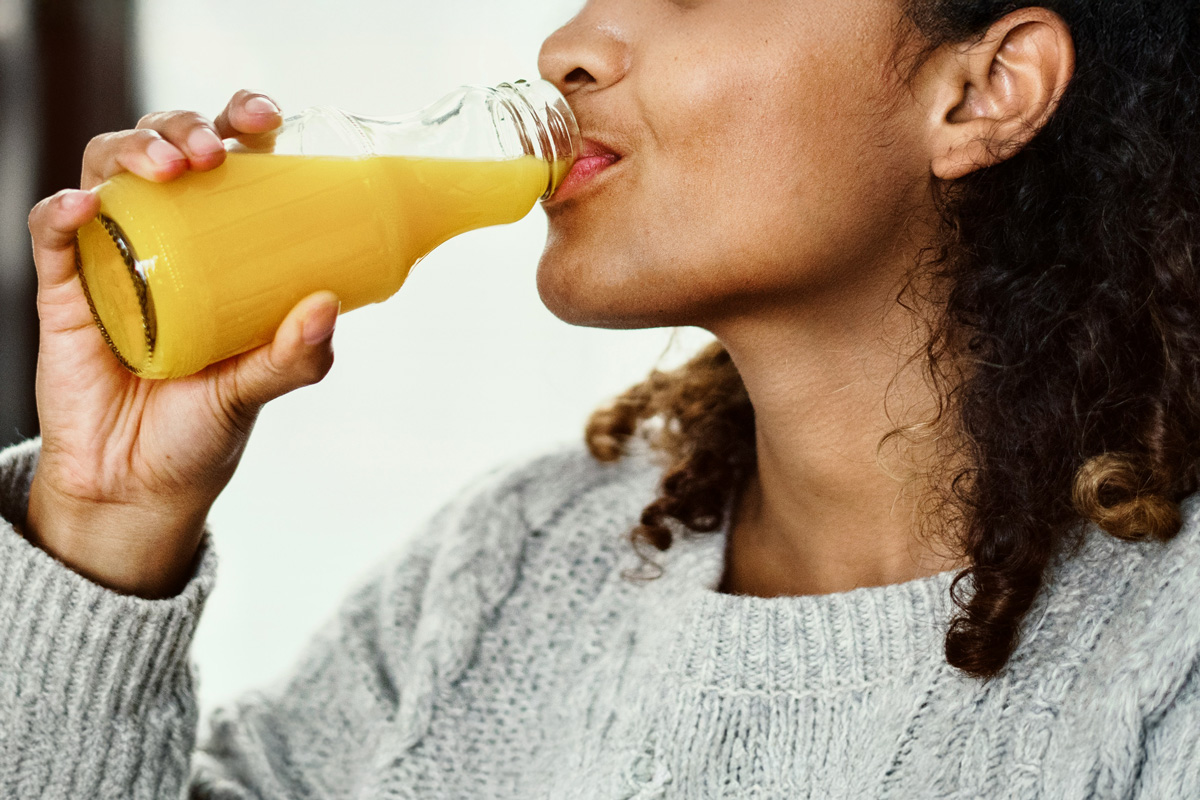

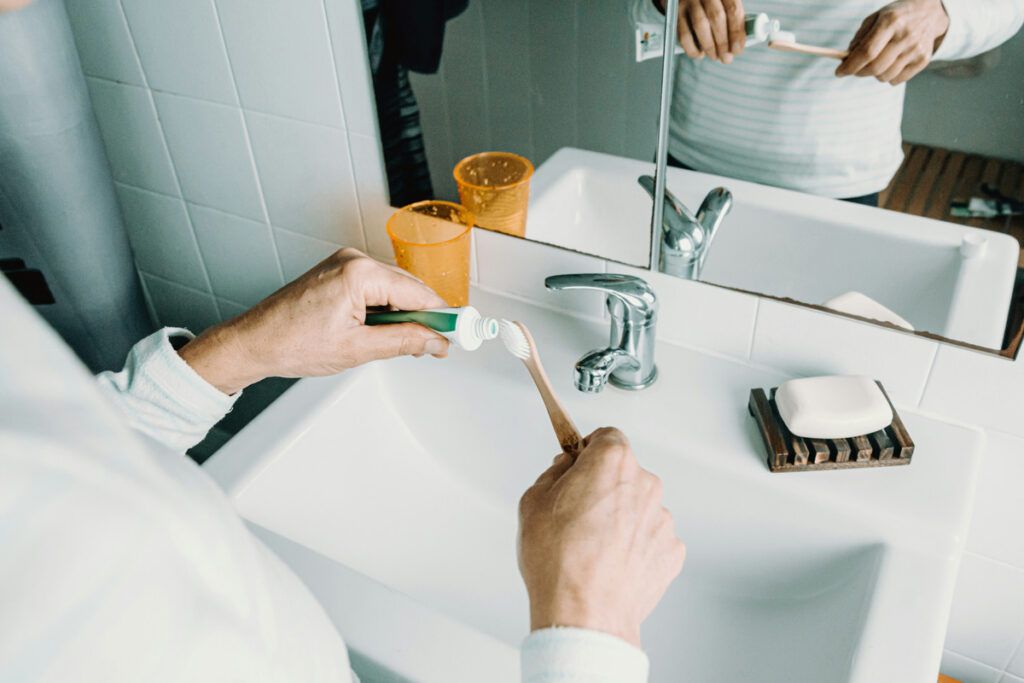
Two important parts of your morning routine are breakfast and brushing your teeth, but they don’t always play nicely with one another. You roll out of bed, brush your teeth, and pour a glass of orange juice. One sip in, you’re awoken with a rude reminder: Toothpaste and orange juice is an unsavory combination.
Toothpaste makes the juice taste bitter, sour, and almost metallic, as if it expired months ago. The culinary arts are all about mixing and matching very different flavors, so why doesn’t mint jibe with OJ?
It turns out that mint isn’t the culprit at all, but rather another common toothpaste ingredient.
A Bittersweet Change
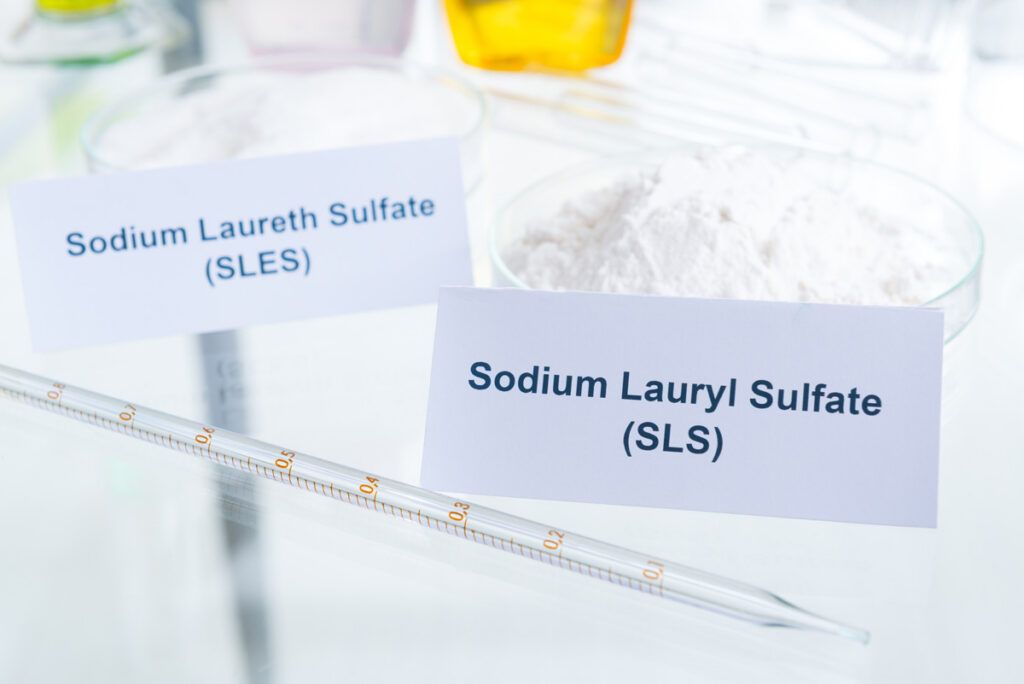
The reason your morning OJ tastes strange after you brush your teeth? Sodium lauryl sulfate, or SLS. Found in products such as laundry detergent and bubble bath, SLS is commonly used in toothpaste. According to Texas dentist Ben Winters, known online as “The Bentist,” SLS serves multiple purposes when it comes to oral hygiene.
First, SLS is a surfactant, which helps toothpaste spread evenly across your teeth — it’d be a lot trickier brushing them if toothpaste had the consistency of peanut butter. While it does this, SLS loosens oily debris and food particles.
SLS is also a foaming agent (which is why it’s found in many soaps). “The biggest thing people know it for is creating that big foam associated with toothpaste,” Winters said in an interview with How Everything Works. He added, “If you have a natural toothpaste, you’re not going to have that foaming as much.”
That familiar mouthful of suds may make your teeth feel extra clean, but SLS can affect your sense of taste — which continues even after you rinse, spit, and return your toothpaste to the medicine cabinet.
Specifically, it messes with your taste buds, boosting sour and bitter flavors while suppressing the sweet. Taste is a delicate balance of sweet, sour, and bitter, along with salty and savory umami, which combine in certain proportions to provide the flavor you associate with specific foods.
By adjusting how you perceive bitter, sour, and sweet foods, SLS alters the overall taste — think about how off-putting a movie can be if the dialogue volume is turned down too low while the music and sound effects are blasting from the speakers.

Orange juice, which includes a fair amount of both acidic (sour) and bitter compounds, is a particularly bad match for SLS. “Normally, sugar balances those flavors,” Winters said. “But if all of a sudden you’re driving down the perceived sweetness, that acidic, bitter side becomes a lot more obvious to you. It’s kind of like removing the sugar out of anything. It’s going to taste weird!”
SLS isn’t necessarily the only reason orange juice might taste strange, either. Mint may pair well with chocolate, but if it’s strong you may not like it with orange juice, and your preferences between peppermint, spearmint, wintergreen, and others can throw off the taste buds too — so switching to SLS-free toothpaste doesn’t guarantee a delicious breakfast drink.
Orange juice is the most famous victim of SLS, but it’s far from alone. “Anything that relies on that sweet versus bitter or acidic balance is going to get thrown out of whack,” Winters warned. “Coffee can become super bitter. Chocolate or fruit sodas are going to taste a lot less sweet, so they can taste more bitter, sour, or sharp.”
Fortunately, you don’t have to choose between having clean teeth and indulging in a glass of orange juice. The effect is temporary. Saliva gradually dilutes and washes away SLS, so your taste perception eventually returns to normal — this can be within 30 minutes of brushing, though for some it may take a few hours!
Toothpaste often contains sodium lauryl sulfate (SLS), an ingredient that creates foam, breaks up debris, and helps spread the paste around your mouth. But SLS temporarily interferes with taste perception, dulling your ability to taste sweetness while making bitter and sour flavors more noticeable. Orange juice is especially affected because its natural acidity and bitterness are usually balanced out by sugar. Once that sweetness is muted, the juice’s sharp edge takes over. The effect usually fades within 30 minutes of brushing, as saliva dilutes and washes the SLS away, restoring your taste buds to normal.
Short Answer