SCIENCE
Why Doesn’t a Candle Create Smoke?
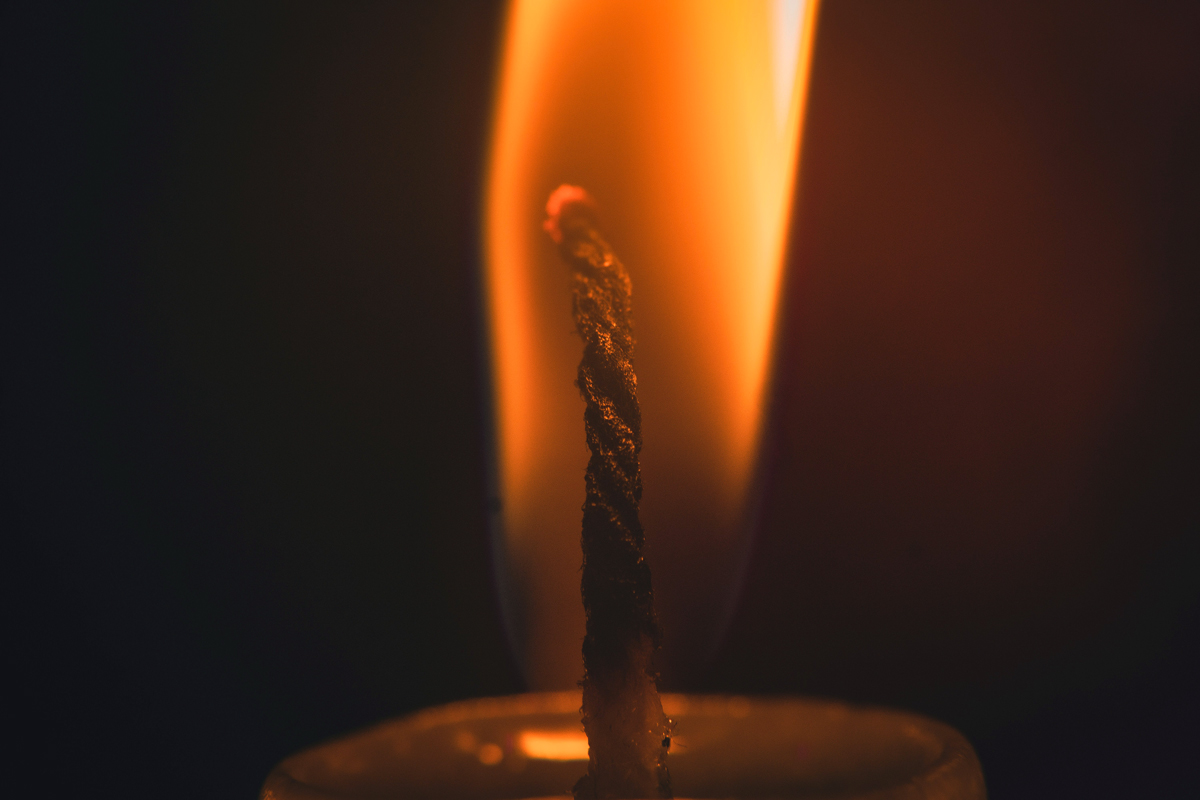

Candles add ambiance with their warm glow, conveying everything from calm and romance to focus and mystery. But they also put on a bit of a magic show. As a candle burns, it seems to pull off a disappearing act, getting smaller and smaller as its flame glows on.
So where does the wax go, and why doesn’t a candle produce any smoke until it’s blown out? If it’s true that where there’s smoke, there’s fire, why doesn’t the reverse apply for candles?
Like any good magic trick, this one depends on some clever transformations behind the scenes.
Burnin’ Up
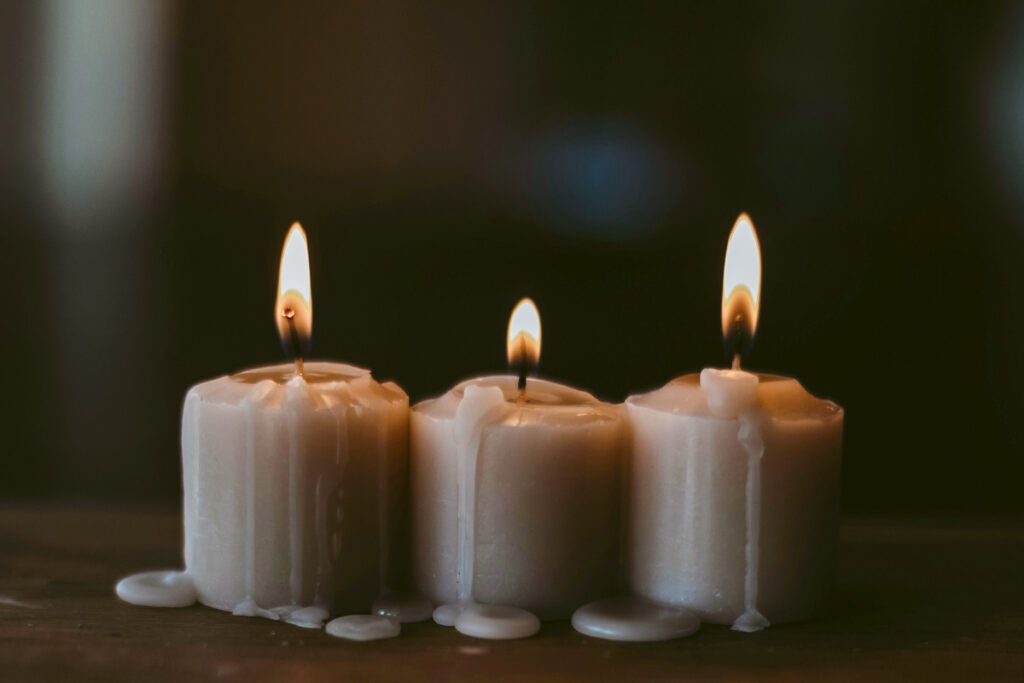
Have you ever tried lighting the lip of a candle, where there’s no wick? The wax will melt with the heat of a flame, but it won’t catch fire and burn. That’s because wax needs a wick to complete its task. Wax is the fuel of a candle and is used because it burns slowly. However, the wick is what holds the flame.
When a candle’s wick is lit, the flame melts the wax immediately around it, and the wick then draws up the liquid wax. The process of drawing up the liquid wax through the wick is known as capillary action — it’s the same process that allows water (or spilled milk) to climb into a paper towel.
Candle waxes such as paraffin, soy wax, and beeswax are largely made of hydrocarbons — molecules containing hydrogen and carbon (the same elements that make up oil and gasoline). These waxes take a solid form at room temperature, but change their state after the candle is lit and melts them.
Once the liquid wax reaches the top of the wick, the heat of the flame vaporizes it, turning it into a gas. In the flame, the molecules of hydrogen and carbon break apart and react with oxygen in the surrounding air.
That’s where the magic happens. That reaction — known as combustion — converts the wax’s hydrogen and carbon into carbon dioxide and water vapor. You probably remember from chemistry class that hydrogen and oxygen combine to make water, while carbon and oxygen make CO2. That’s precisely what happens during combustion, and this reaction releases energy as heat and light.
Both carbon dioxide and water vapor are invisible, so a steadily burning candle can gradually shrink without producing smoke. Most of the candle hasn’t dripped away or disappeared into another dimension: It has floated into the room as transparent gases.
It’s not a total vanishing act, however. Some of the candle’s carbon does form tiny soot particles as it burns. Near the flame’s outer edge, where oxygen is more plentiful, most of the soot burns up before it can escape. A calm candle flame is therefore a remarkably efficient little combustion machine — it creates soot, uses that soot to make light, and then consumes almost all of it.
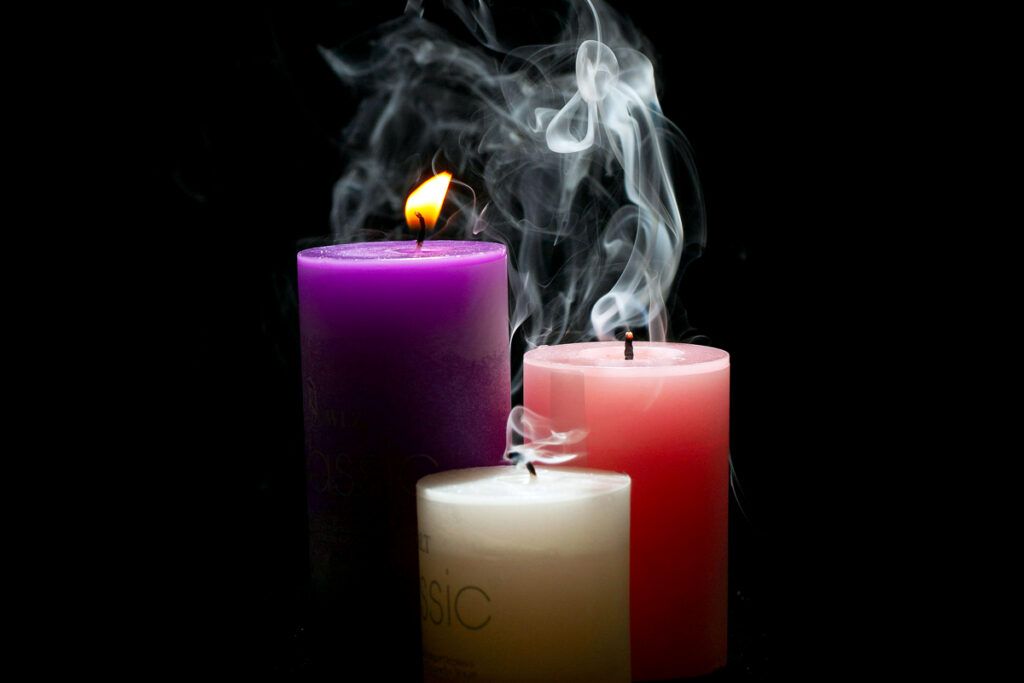
Smoke becomes visible when something interrupts this process. A draft can push soot particles out of the flame before they have time to burn, while an overly long wick may deliver more fuel than the available oxygen can fully consume. (That’s why occasionally trimming your wicks is recommended.) Drafts and long wicks can cause the candle to flicker, flare, or release wisps of black smoke.
A candle may also smoke briefly when it’s first lit, before the flow of wax and oxygen has a chance to stabilize. And when the flame is blown out, vaporized wax continues rising from the hot wick but no longer has a flame to consume it.
The result is the pale plume we recognize as candle smoke — visible evidence of a combustion process, aka a real-life magic trick, that has suddenly been cut short.
As a candle burns, its vaporized wax reacts with oxygen to become mostly invisible carbon dioxide and water vapor. Tiny soot particles form inside the flame, but most quickly burn up. However, soot can escape and create visible smoke when the flame is disturbed by drafts or when a candle’s wick is too long, as well as when a candle is lit or extinguished.
Short Answer