ENGINEERING
Why Do Power Lines Sag?
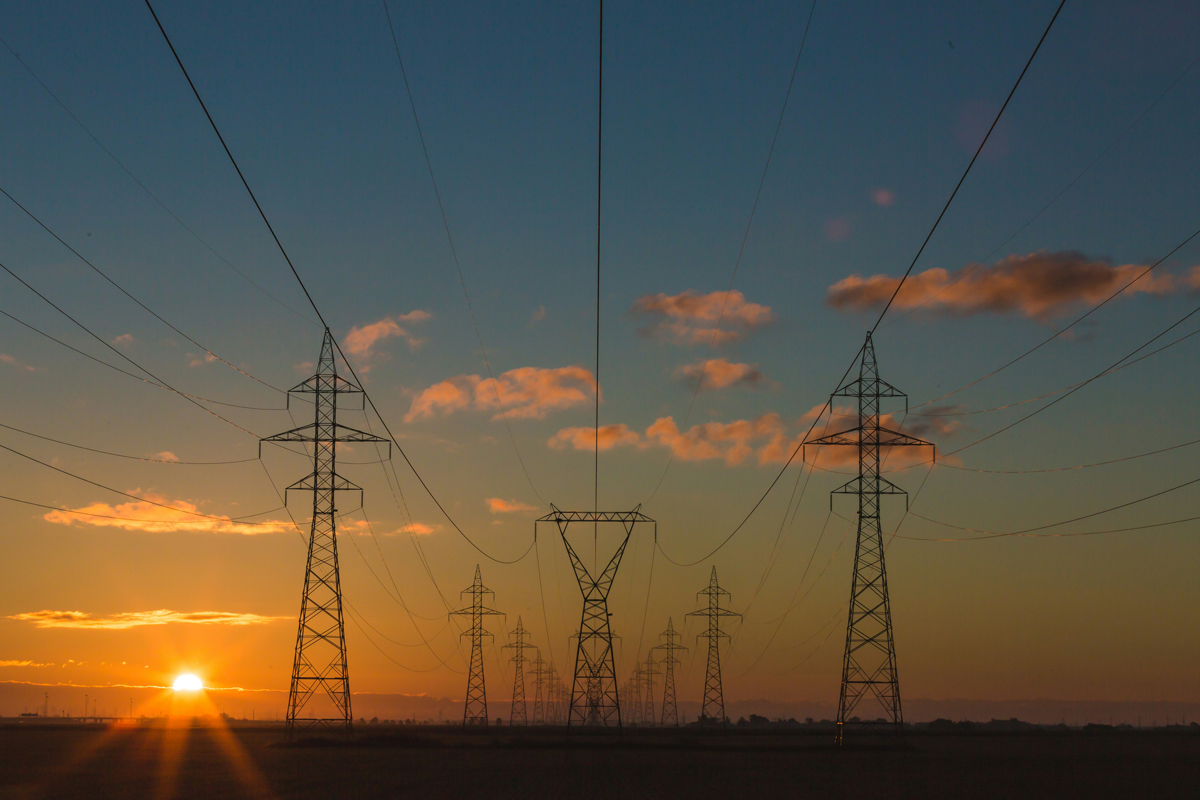

With upwards of 160,000 miles of high-voltage power lines criss-crossing the U.S. — enough to wrap around Earth’s equator more than six times — America’s electric grid is crucial for delivering energy from power stations to roughly 150 million homes throughout the country. It’s hard to ignore the towering utility poles ferrying all this electricity, as they stretch from 50 to 180 feet tall, depending on terrain. However, you might also immediately notice the sagging cables between them.
These drooping cables might seem like a costly oversight — after all, the shortest distance between two points is a straight line. But this sag is actually essential for the electric grid to work in the first place.
Room To Grow (And Contract)
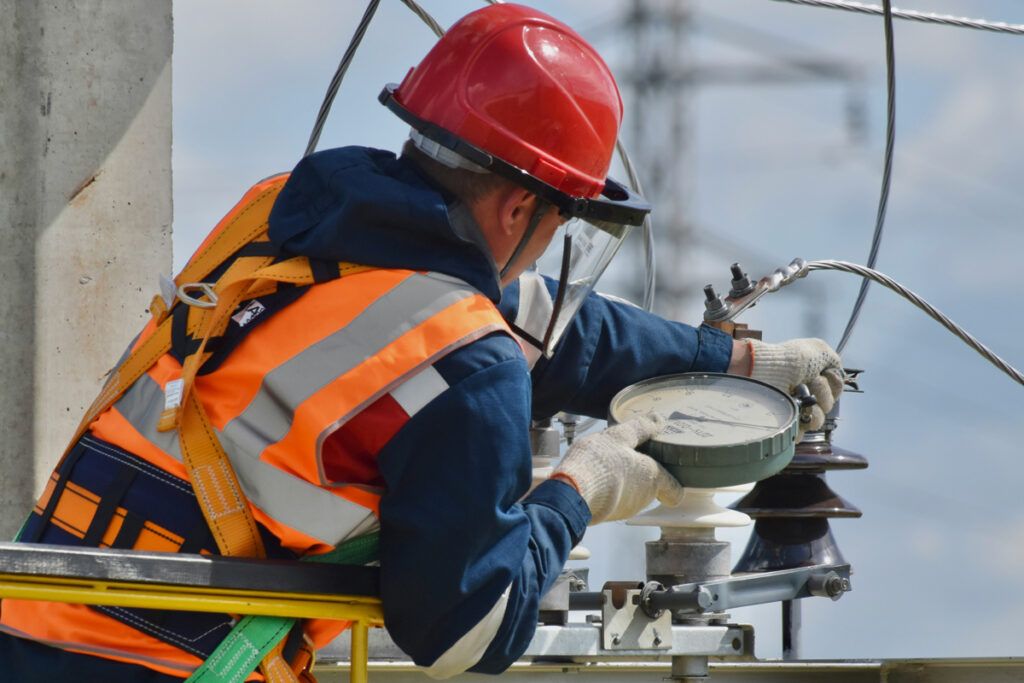
High-transmission lines carry voltages in excess of 765,000 volts, enough to fatally electrocute a person through the air, without even making physical contact. (That’s why OSHA requires anyone to be at least several feet from them.)
Think of them as the freight trains of electrical transmissions, capable of moving a lot of electricity as quickly as possible with minimal energy loss. That electricity eventually steps down at substations near your neighborhood, ferries along low-power distribution lines (the electricity “delivery truck”), before channeling into homes through the breaker box.
All this moving power creates a tremendous amount of heat running through these cables, so engineers must design these power lines with safety in mind. That means introducing slack into the cable for thermal expansion.
The Tennessee Valley Authority, the largest public power company in the U.S., describes thermal expansion in terms of freezing and boiling water. When water freezes into ice, its molecules are tightly compacted, but as that water thaws and transitions into liquid and eventually gas, the molecules spread apart.
The same goes for metal as heat forces its conductive atoms apart. If power lines were taut, thermal expansion would cause them to stretch and snap.
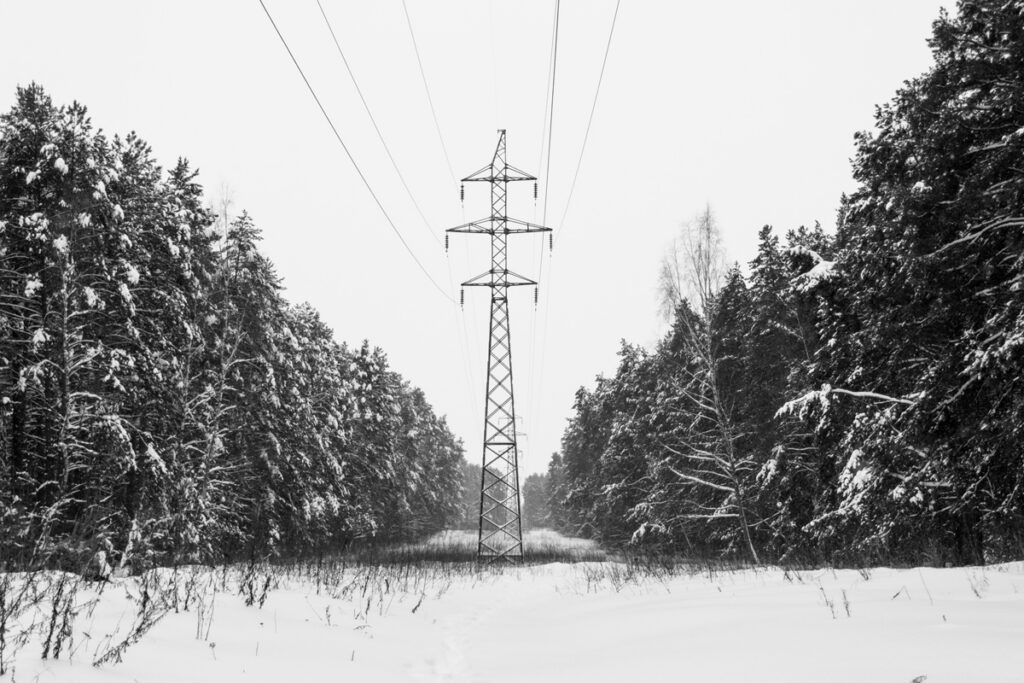
In the winter, transmission lines will have considerably less sag than in the summer, when heat from the ambient environment causes expansion. On extremely hot days, utility companies will even scale back electrical load on transmission lines to prevent too much sagging, because air between the wires and the ground can become a conductive path if they get too close.
This can cause electrical shorts or even bolts of lightning-like electricity arcing between the power line and the ground. Another reason high-transmission lines are engineered to sag is to protect against breakage if the wire becomes weighed down by too much ice or wind.
On the flip side, excessive sagging can also be dangerous. While transmission lines can withstand up to 1.5 inches of ice on the cable itself and up to around 90 mph winds, certain adverse conditions can cause “galloping lines” where wires sway dangerously — like a giant, deadly jump rope.
Galloping can cause the wires to touch or even break completely. That’s why if you ever see power lines in anything other than their typical, droopy state, it’s best to keep to an extremely safe distance.
Due to outside temperature as well as the heat generated from high electrical loads, power lines stretch and expand when hot. Built-in slack keeps them from snapping as they expand and can also protect breakage caused by excess wind and ice.
Short Answer