SCIENCE
What’s the Difference Between Hand Soap, Dish Soap, and Laundry Detergent?
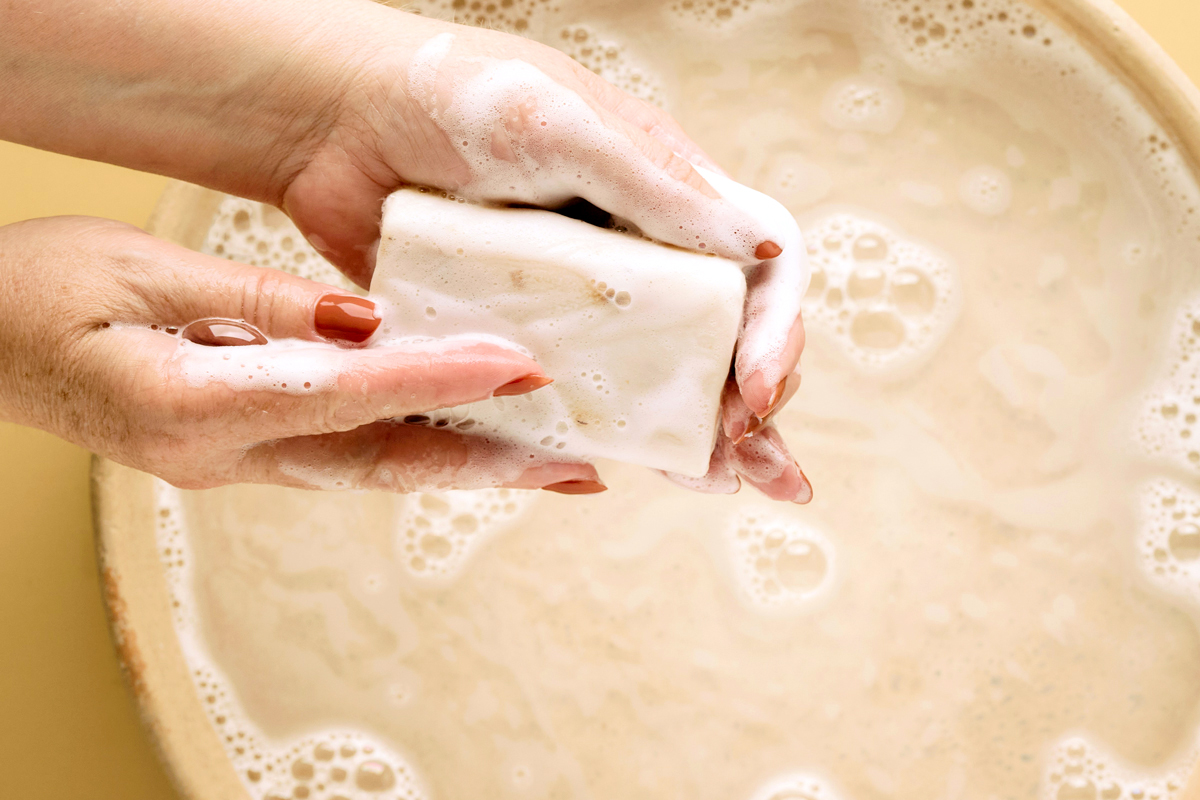

Have you ever washed your hands with laundry detergent? Or done the dishes with shampoo? Probably not. There are all kinds of different things we clean with soap, and nearly as many types of soap to do this with: hand soap, dish soap, laundry detergent, face cleanser, and body wash — not to mention household cleaners, and more.
In a sense, all these varieties are similar — we often use them with water, create suds, and associate them with pleasant smells. Yet they’re also very different — we don’t use Tide on our hands for good reason. Here’s a look at what makes them different, and why it’s important that we don’t use one universal formula for soap.
Hand Soap

No matter what type of soap you’re using, it’s created through a process called saponification, in which soap is made when fats (either animal- or vegetable-based) react with alkaline substances (meaning a pH level over 7) such as sodium hydroxide. Soap works by physically breaking apart germs and trapping particles inside bubble-like molecular structures so they can be easily rinsed away.
Hand-specific soaps are often formulated with a pH level that’s optimal for use on skin, as soaps with too high of a pH level can cause dehydration, irritation, and changes in the healthy bacteria we want to keep around. Additionally, hand soaps may include other ingredients, such as added conditioning agents to keep your skin feeling soft with repeated use.
Dish Soap
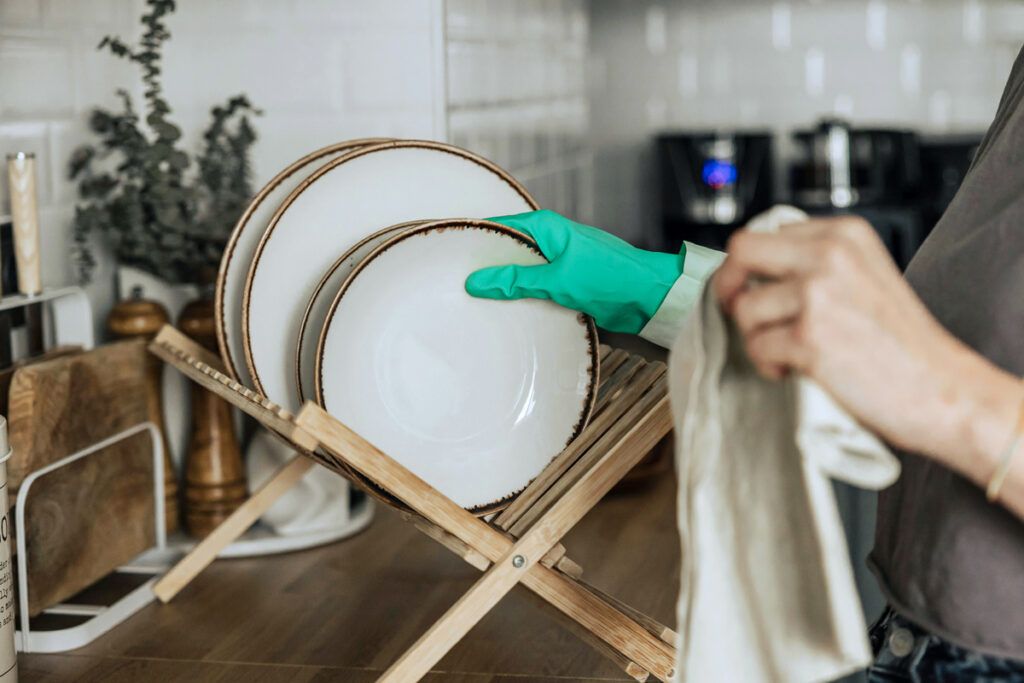
Soaps intended to be used on dishes are often a bit harsher than hand soaps, as they’re made to clean tough messes such as grease from cooking oil. So, while they’re technically safe to use on your hands, they may strip natural oils from them, potentially leaving your skin feeling overly dry or otherwise irritated. It’s also not recommended to use dish soap in place of body wash, because it may feel especially drying on areas with more delicate skin.
Laundry Detergent

While we may colloquially refer to detergent as soap, the two are not the same. Laundry detergent is chemically different from soap, and it’s often created from synthetic materials in more complex methods, which can make it both stronger and more versatile. (They actually originated as a substitute for soap when supply was low during World War I.)
Laundry detergent is usually made through a multistep process and can involve either natural substances such as coconut oil or synthetic substances such as petroleum derivatives. It can be customized to be tough or gentle. But even gentle options may contain harsh ingredients you wouldn’t want to use on your hands, skin, or body — enzymes used to break up fats and proteins found in laundry stains can also break down your own biological tissue.
Detergent is especially great for laundry, though, because if it’s used with hard water (which typically contains minerals like calcium and magnesium), it won’t leave residue like soap would, which is good for both your clothes and your washing machine.
Face and Body Soap
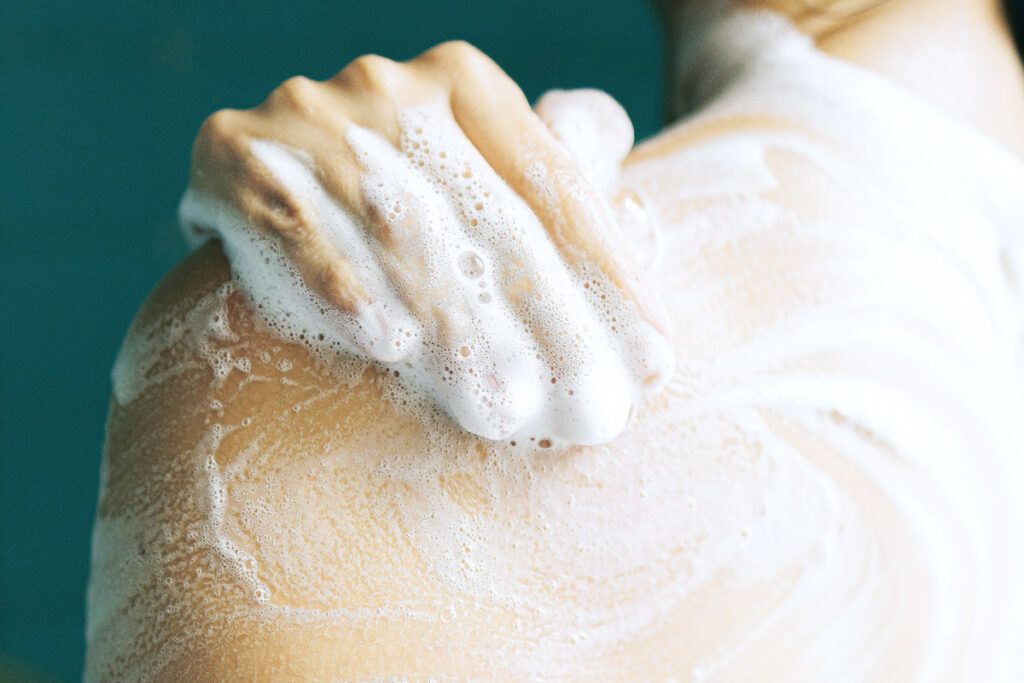
Similar to the difference between hand and dish soaps, the difference between face and body soap often comes down to harshness. Because our faces tend to be more sensitive than the rest of our bodies, face soap is often designed with a lower pH (with moisturizers and other nonessential additives typically included as well).
Body soap — especially if it contains ingredients such as antibacterial agents — often isn’t gentle enough for the face and can lead to irritation including redness and dryness. Conversely, gentle face washes may not be strong enough to tackle things like dirt or excess oil on the rest of your body. Though it is possible to find soaps that can work as both, such as an unscented, hypoallergenic moisturizing bar soap, it’s still generally not recommended to use the two interchangeably.
Household Cleaners

Ingredients such as chemicals, fragrances, and disinfecting agents vary widely between household cleaners depending on if they’re made specifically for floors, windows, or kitchen counters. In general, these formulas are a lot stronger than what we use on our own bodies since they’re usually meant for inert, nonbiological surfaces. They commonly include targeted additives such as heavy degreasers and disinfectants.
Household cleaners typically have a much higher pH balance and are more corrosive. They can include very harsh ingredients such as bleach, chlorine, ammonia, and more — all of which can be harmful to your skin and even more dangerous when inhaled, so you definitely wouldn’t want to use them on yourself or anything you eat off of.
So the next time you’re at the store and find yourself debating if you really need to hit up multiple aisles and fill your cart with hand soap, body soap, dish soap, and household cleaners, know that there are reasons they’re all made, packaged, and — most importantly — used separately.