HEALTH
Why Does Spicy Food Make Your Nose Run?
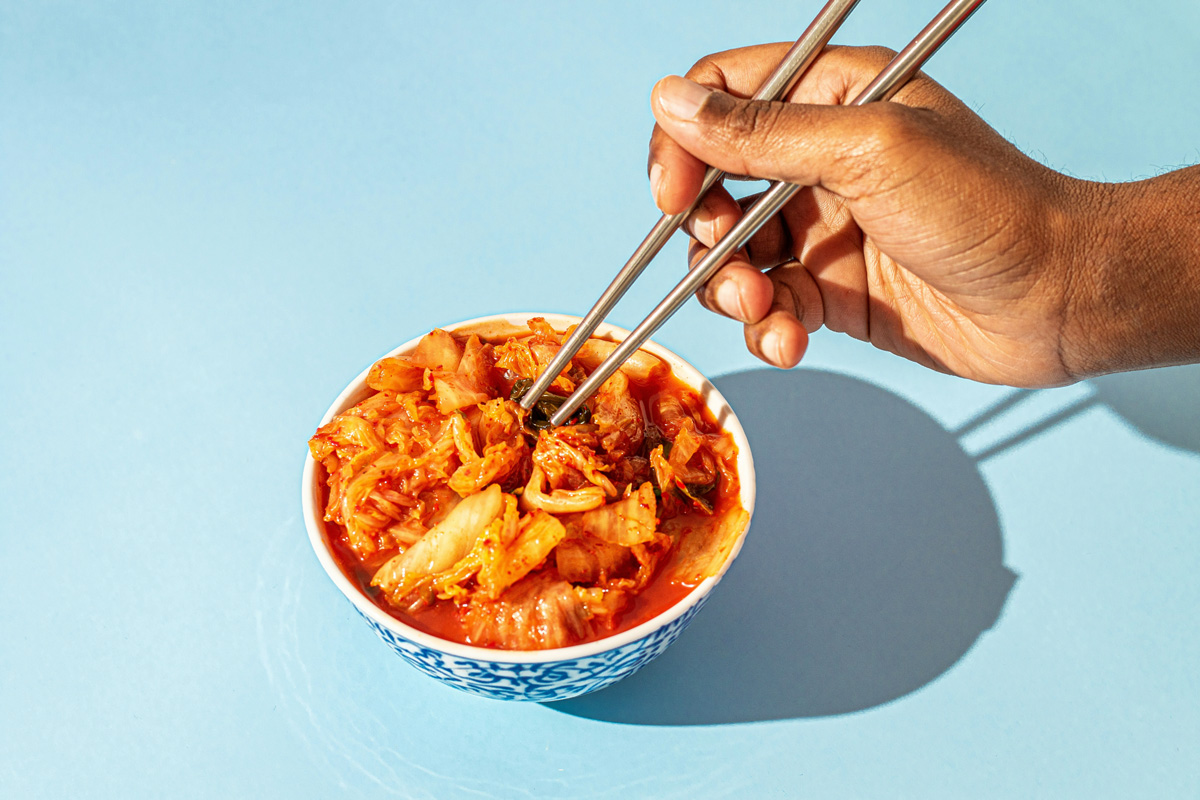

When you take a bite of spicy curry, salsa, or hot wings, the heat hits almost immediately. If it’s really got some kick, your eyes may start to water a few seconds later. You may even find yourself suddenly looking around for a napkin because your nose has joined the party, too.
Your sinuses don’t directly play a role when it comes to eating, yet they’ll react to things like wasabi and chili peppers. But that’s exactly what’s supposed to happen. Why? Because your body is treating spicy food less like dinner and more like a threat that needs to be dealt with.
The Nose Doesn’t Know
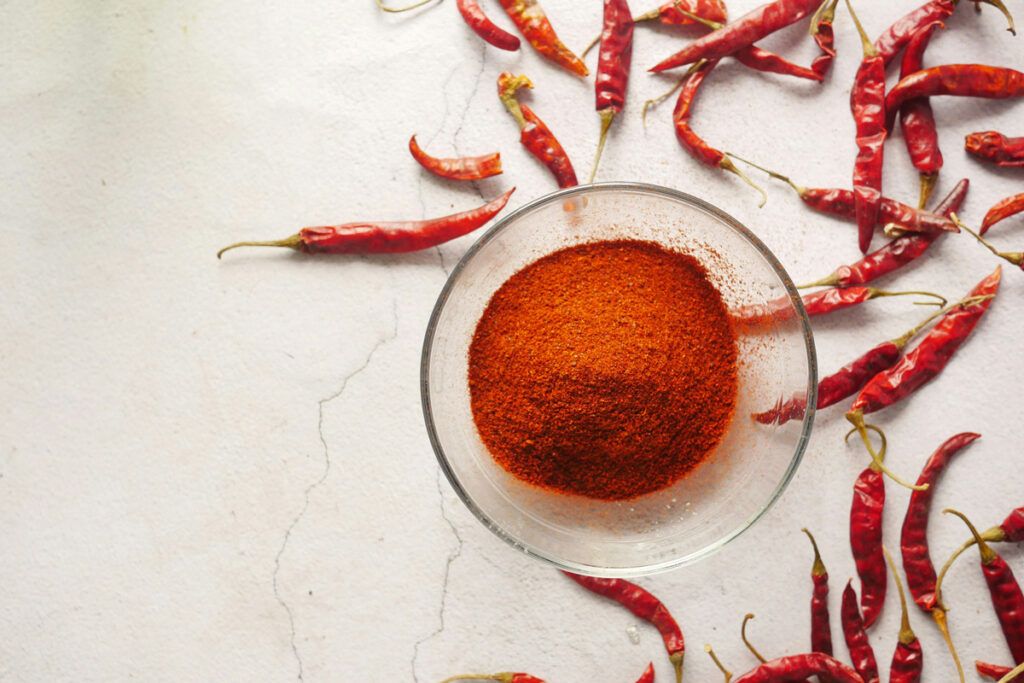
The fiery sensation from spicy foods doesn’t come from temperature. A bowl of chili isn’t physically scorching your tongue and jalapenos will burn even when you eat them straight from the fridge.
Blame capsaicin, the natural compound that gives chili peppers their kick. It doesn’t actually raise the temperature in your mouth. Instead, it sets off the same alarms your nerves use to detect real heat. Your brain takes the hint and reacts as though you’ve bitten into something much hotter than you really have.
Real heat — such as the kind from fire or hot metal — is obviously a threat to your body, which is why it starts trying to defend itself. Your face flushes and you start sweating, which are two ways your nervous system cools you down. (Your adrenaline also spikes — useful in an emergency, but also why some people get a small thrill by eating spicy food.)

Your watery eyes and runny nose represent a different type of response. Instead of trying to cool you down, this is how your body works to physically get rid of the capsaicin, which can waft off spicy food as vapor. Your body may not be smart enough to know the compound isn’t actually fire, but it does know the capsaicin is what’s pulling the alarm.
Inside your nose, glands produce mucus to trap dust, germs, and other particles before they travel deeper into your airways. When capsaicin stimulates those nerves, the glands ramp up mucus production. The extra mucus is your body’s way of trying to wash the irritant away.
Unlike the sniffles from a cold or seasonal allergies, this runny nose isn’t caused by a virus or your immune system overreacting. Instead, it’s a reflex triggered by certain foods, especially spicy ones. This reaction even has a name: gustatory rhinitis. For most people, it’s completely harmless and stops once the capsaicin is no longer stimulating those nerve endings.

Not everyone experiences the same level of irritation, though. Some people can polish off a plate of extra-hot wings without reaching for a tissue, while others start sniffling after a single bite of medium salsa. Some people simply have more sensitive nerve endings in their nose.
Others may become more tolerant to capsaicin over time if they eat spicy food often, making the reaction less dramatic. This happens because the nerve receptors to the chemical become desensitized when activated frequently.
So if you’re looking for a way to eat spicy food without getting a runny nose, the solution may just be to… eat more spicy food.
Small particles of capsaicin — the chemical that gives spicy food its kick — waft into your nose as you eat. When capsaicin touches certain nerve endings lining your nostrils, it tricks your nervous system into thinking you’re actually encountering intense heat. Your body responds with a series of protective reflexes, including producing extra mucus to help physically clear away the perceived threat. The harmless reaction usually disappears as soon as the spicy sensation fades.
Short Answer