CULTURE
What Makes Gold So Valuable?
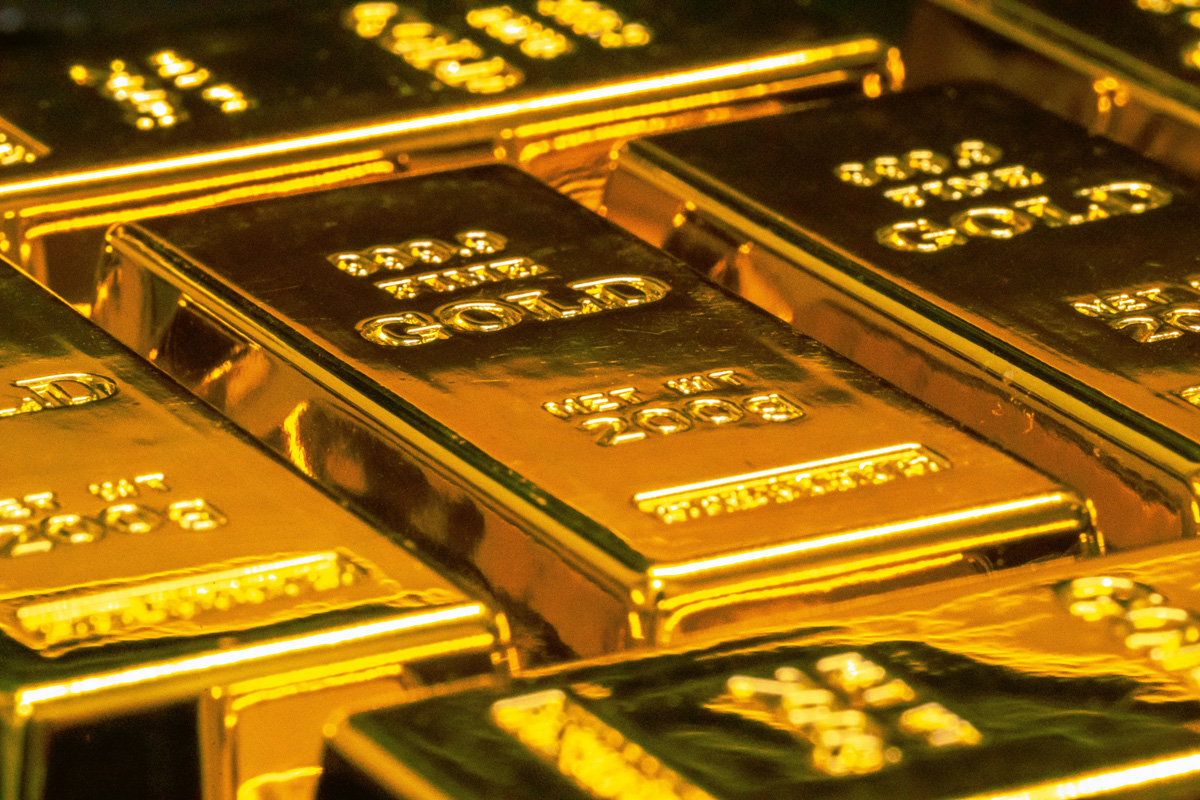

For centuries, gold has been equated with wealth. At times, the precious metal has defined the value of currency. It can be a status symbol for those who can afford to wear it or a display of luxury. Some restaurants even elevate the price of a fancy dish or cocktail by adding actual flakes of gold.
But why gold? There are other shiny metals out there, and plenty of things, such as fresh water, are far more essential to human life. If gold’s worth comes from it being hard to find naturally, why isn’t iridium more valuable? It’s even rarer — but instead of pirate treasure it’s used for spark plugs and TV screens.
Of all the materials in the world, what makes gold so coveted?
Worth Its Weight
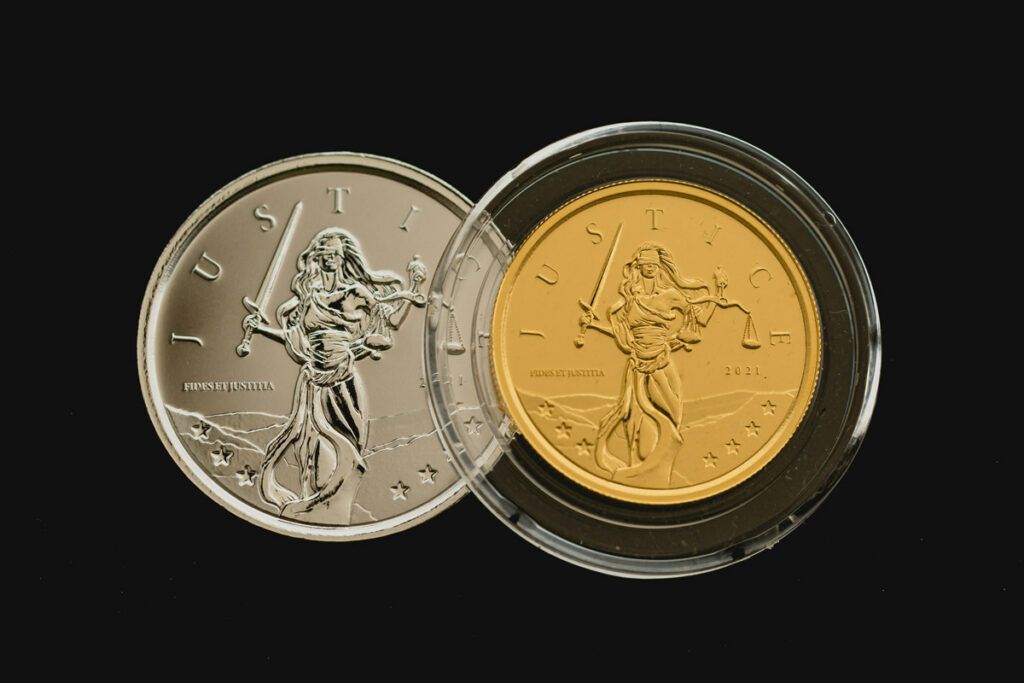
You’ve heard of noble gases, but what about noble metals? Gold is one of eight noble metals on the periodic table, considered “noble” because it’s highly resistant to corrosion. Unlike more reactive elements, its atoms aren’t constantly trying to bond with other compounds.
This is important when deciding what to use as currency, since no one wants money that rusts, dissolves in water, or worse. For instance, osmium, another noble metal, becomes a toxic gas when it reacts with oxygen.
Gold does not become a gas, toxic or otherwise, at room temperature. That’s another important quality for currency, as gases and liquids are impossible to carry. Radioactive elements are too dangerous to handle, which eliminates some other metals from contention.
In addition to being safe and stable, gold has a low enough melting point that it can be smelted into coins and bars. It’s also rare enough to be considered valuable, but not so rare that it’s nearly impossible to find. That’s why even rarer metals, such as platinum, wouldn’t be a great choice for currency.
Silver is less rare and typically easier to mine than gold, which is mostly why gold is considered even more valuable, despite silver sharing many of the same qualities that make gold ideal for currency. Another advantage gold has over silver is that it doesn’t tarnish.
Both are pretty to look at, though,a which should not be overlooked when it comes to why gold has become so valuable. Ancient civilizations around the world — Mesoamerica, Egypt, China, Greece, India, Rome — all independently developed ways to mine gold into jewelry, decorations, and other objects. It’s the only metal that is naturally yellow in color, adding to its rarity.
Gold is often mixed with other metals, since pure gold can be too malleable, making it easier to bend or break. These alloys are measured by dividing the composition into 24 parts called karats — 1-karat gold means it’s one part gold and 23 parts something else, perhaps copper, zinc, or any number of other metals. Pure gold is 24 karats, because all 24 parts are gold.
Gold’s properties became even more valuable in the 20th century. Because the metal is corrosion-resistant and malleable, as well as highly conductive, it’s often used in electrical components. Even your smartphone probably contains somewhere between 7 and 34 milligrams of gold.
Why Gold Was Standard — And Then Wasn’t
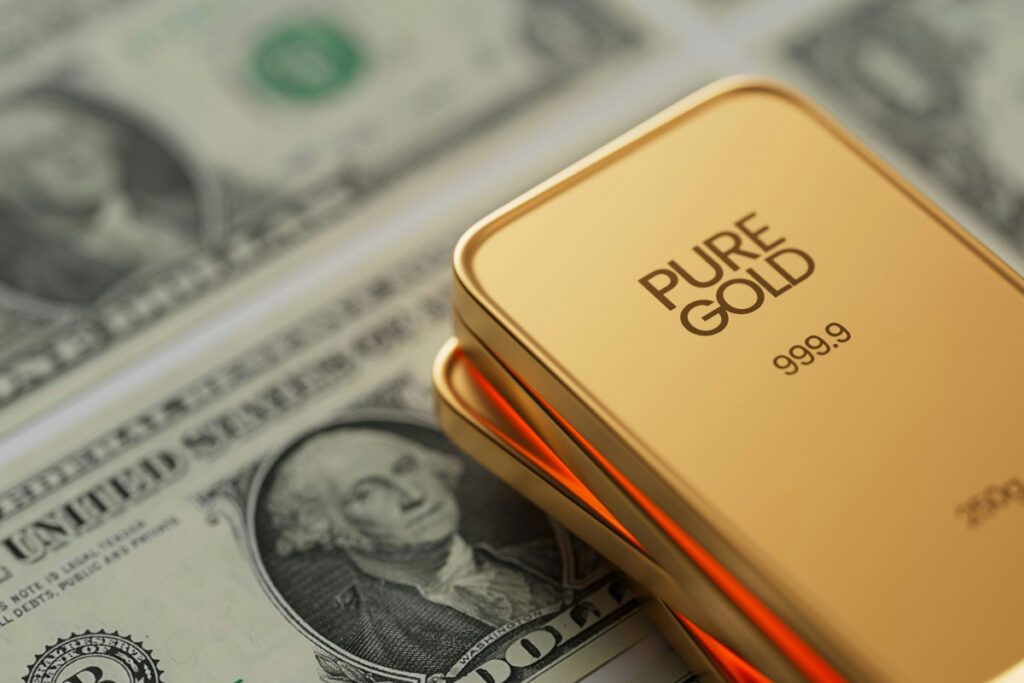
Gold and silver coins were first produced in 600 BCE by the Lydians, an Iron Age civilization in Asia Minor. In 900 CE, Chinese merchants who were tired of lugging heavy coins around began using paper receipts from banks. These paper notes were proof that the merchants had the gold they wanted to spend and could be traded in lieu of the actual metal.
The Western world was slower to adopt paper money. The Massachusetts Bay Colony issued the first American paper currency in 1690. The gold standard was first adopted by England in 1821, with most major countries following suit over the next century.
The monetary system specifically ties a unit of currency to a fixed weight of gold. For example, when the U.S. adopted it, $1 was worth about one-twentieth of an ounce of gold. People could exchange gold for cash, or vice versa, using that rate.
There were several benefits to the gold standard, making it as valuable to modern society as the metal itself. It allowed fixed exchange rates between nations that used it. It also prevented governments from overprinting money, as they could only issue more money if there was actually physical gold to back it. Gold supplies changed slowly (since it’s hard to mine and nobody is throwing out the gold they have), meaning prices remained relatively stable.
But gold mining can’t always keep pace with the economic growth of a nation, and the same rigidity that offered predictability also prevented governments from responding to crises. For example, needing a sudden influx of money during a recession, war, or pandemic.
In 1971, President Richard Nixon suspended the ability to convert dollars to gold, and by 1973, most countries had abandoned the gold standard. Today, the U.S. dollar, the euro, the Japanese yen, and other units operate as fiat currency. They aren’t backed by any tangible goods, and are instead based on a complex relationship between prices, supply, and demand. That’s why the value of a U.S. dollar can be more or less than it was yesterday, and why the government can print more money without having to add more gold to its reserves.
Just as it did before it became the standard currency, gold still has value. Investors purchase physical gold or gold funds in the hopes that its value will increase, just as with stocks or commodities such as oil.
These days, you don’t need a pickaxe and a dream if you want to acquire gold. You can even buy both bars and coins from Costco!
Gold has a combination of characteristics that have made it valuable since ancient times, including its appearance, resistance to corrosion, and ability to be smelted into coins and bars. These properties also make gold useful for electronics, as does its electrical conductivity. Importantly, gold also has a level of rarity that makes the precious metal hard to find naturally but still practical enough for mainstream use. Up until the 1970s, many nations backed their currency with gold, though that’s no longer the case.
Short Answer