NATURE
Why Are Flamingos Pink?
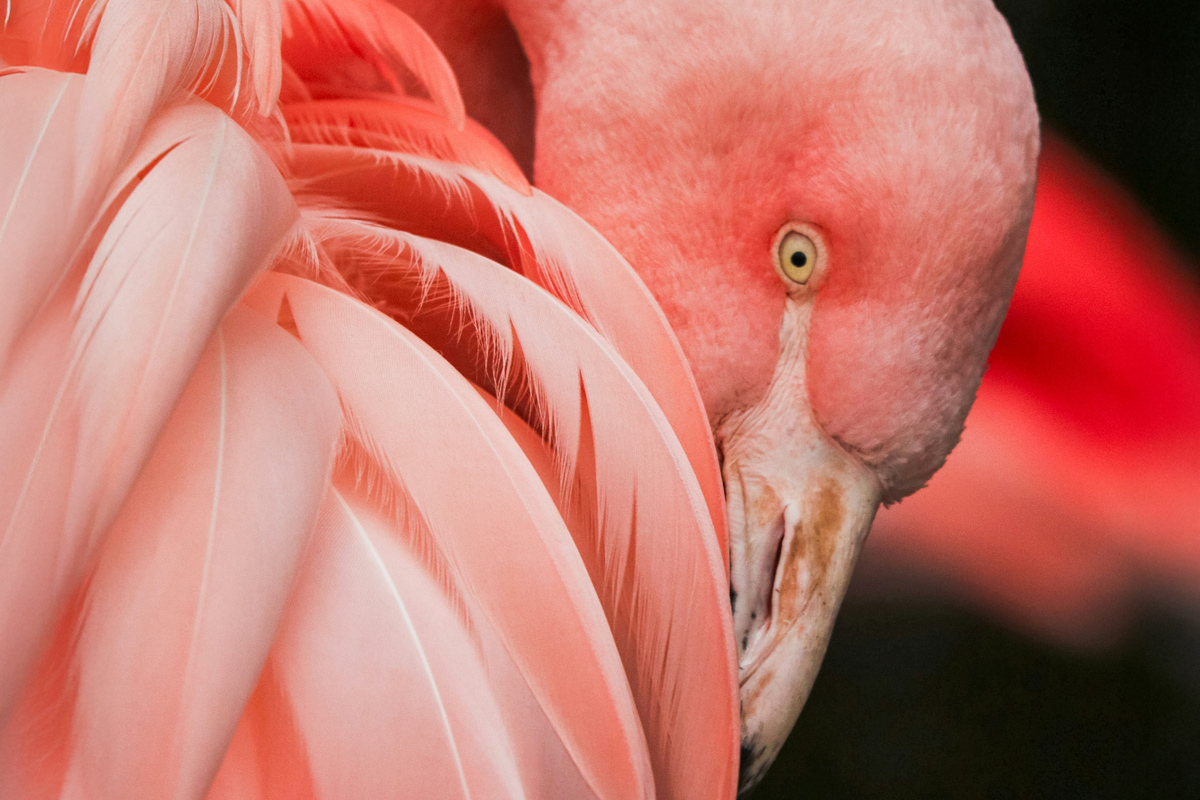

In the animal kingdom, flamingos don’t exactly blend in. A full-grown flamingo is unmistakable — cotton-candy pink, with neon flashes under its wings. Whether it’s standing on one leg in a pond or perched on a plastic lawn ornament, you know it when you see it. But flamingos aren’t born that way. When newborn flamingo chicks hatch, they’re actually a dull gray or snow white. Their famous color develops over time, and it’s all thanks to their special diet.
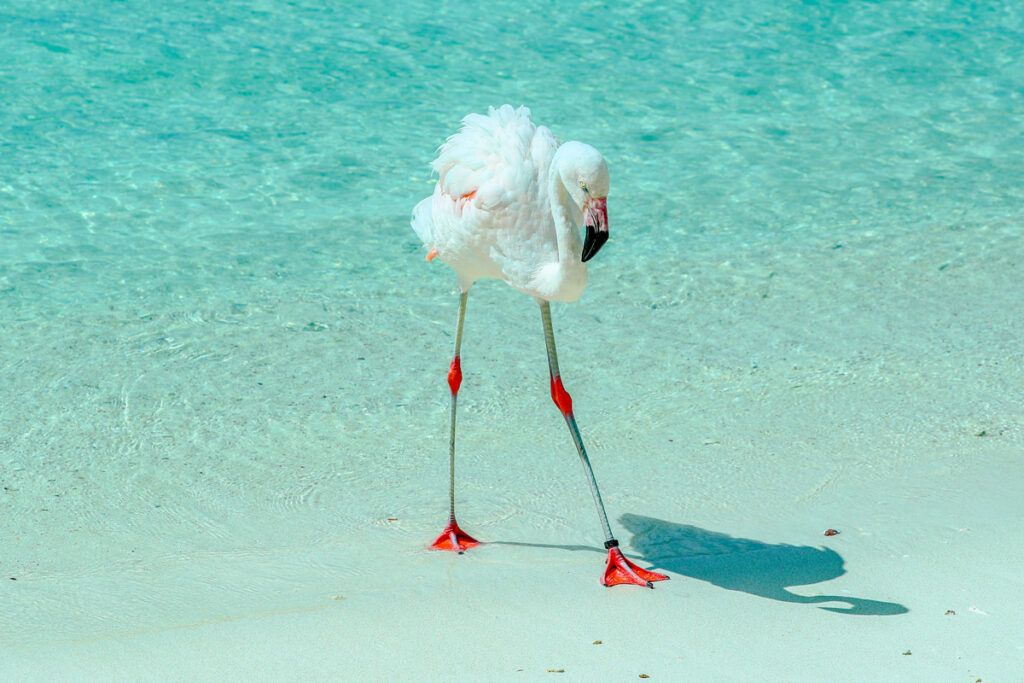
You Are What You Eat
Flamingos spend much of their lives wading through shallow lakes and wetlands, munching on blue-green algae, tiny crustaceans such as brine shrimp, and other microscopic snacks. These organisms are rich in a class of pigments called carotenoids — the same family of compounds that make carrots orange and ripe tomatoes red.
But eating those pigments isn’t enough to turn them cotton-candy pink on its own. Inside a flamingo’s body, those carotenoids are metabolized into byproduct pigments that are transported through the bloodstream and deposited into growing feathers, as well as the skin of the legs and the beak. The result: The bird gradually turns a pretty pink.
The intensity of the color depends on their diet, and flamingos that consume more pigment-rich food can become deep pink, scarlet, or even bright orange. Birds that consume less, such as those that live in drought-plagued areas, may appear pastel.
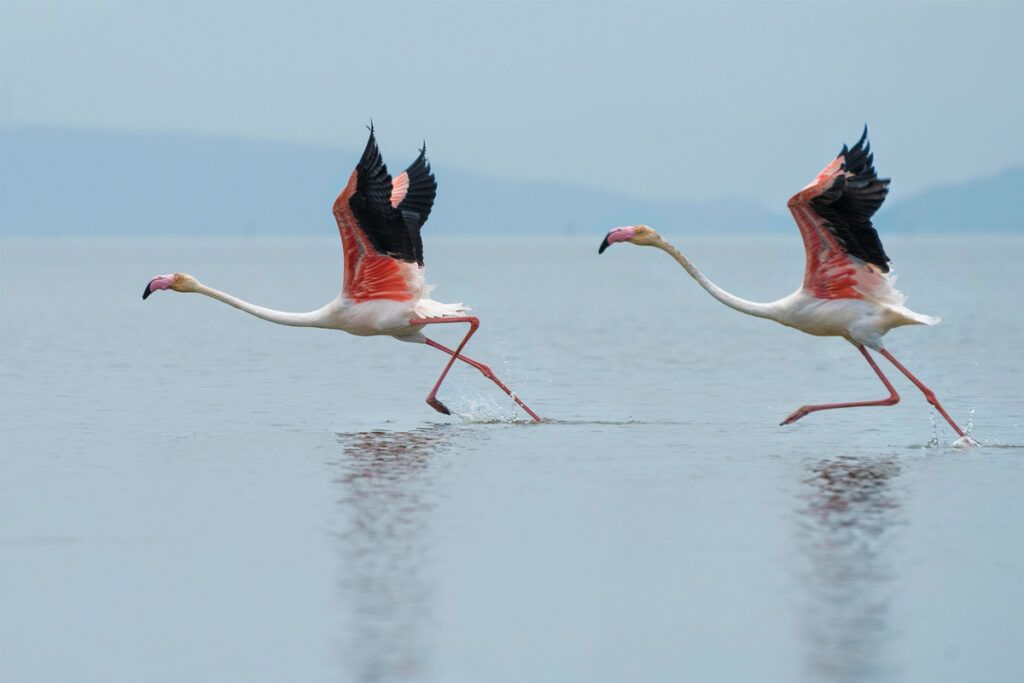
Look closely, though, and you’ll see that flamingos aren’t entirely sunset-colored. Their flight feathers — the long feathers used for flying (yes, flamingos fly) — are tipped in black. That darker color isn’t just for looks: it comes from a different pigment called melanin, which helps strengthen the feathers for long flights.
So a flamingo’s color isn’t just for show, and they depend on a clean, healthy diet to stay glowing. In a very real sense, flamingos are what they eat.
Flamingos are pink because of pigments called carotenoids in their diet. When they eat algae and small crustaceans, their bodies convert these compounds into red pigments, which are carried through the bloodstream and deposited in feathers, skin, and beaks. Over time, this process turns them pink.
Short Answer