CULTURE
Why Are No. 2 Pencils Our No. 1 Choice?
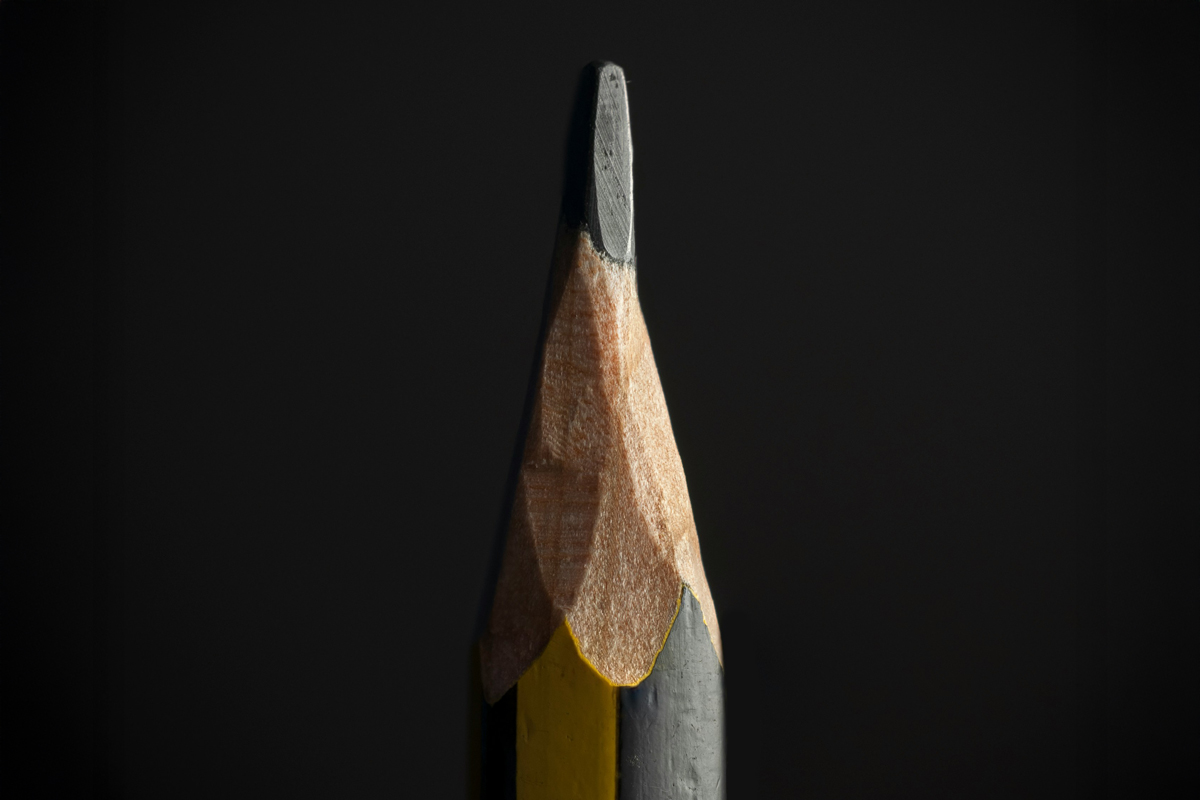

When it comes to shopping for school supplies, one of the most basic items also has one of the most specific requirements. Teachers request No. 2 pencils by name. Standardized tests also warn against substituting another type, with generations of students having filled in those little test bubbles with No. 2 pencils.
But why No. 2? What happened to No. 1? And are there No. 3 and No. 4 pencils hiding somewhere in the stationery aisle? As it turns out, No. 2 isn’t always the best choice for every situation. It simply occupies a very useful place when it comes to making a mark.
The Goldilocks Pencil
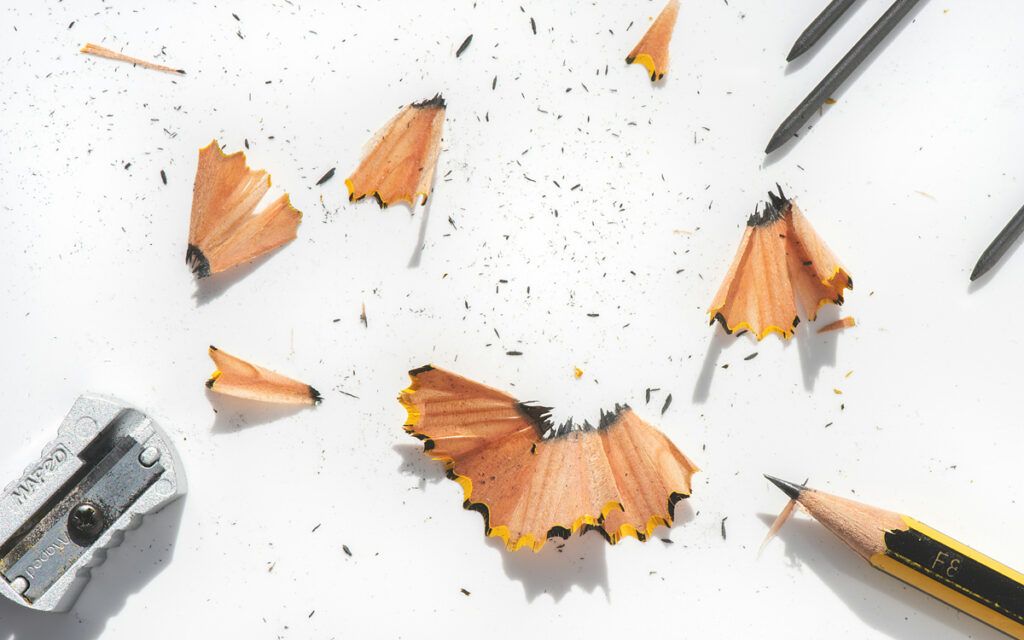
In case you’ve ever been worried about pencil toxicity, take heart: Pencil lead contains no actual lead. The cores of these writing instruments are made from a mixture of graphite (a flaky mineral) and clay.
The proportions determine the kind of mark the pencil makes: More graphite produces a softer core and a darker mark, while more clay creates a harder core and leaves a lighter mark (because there’s less graphite being left on the paper). Harder cores allow pencils to hold their points longer.
In the American system, the higher the number, the harder and lighter the pencil. Standard pencils range from No. 1 to No. 4, with No. 1 pencils being the softest and darkest. This makes them appealing to writers or artists who prefer a blacker line — however, they also dull and smudge more easily.
No. 3 and No. 4 pencils are progressively harder, producing finer, lighter lines that can work well for precise sketching or technical drawing. No. 2 pencils fall between these extremes: dark enough to read easily but firm enough to resist smudging.
So if Goldilocks were rummaging through the three bears’ desk, she’d probably take Baby Bear’s No. 2 pencil for being “just right.”
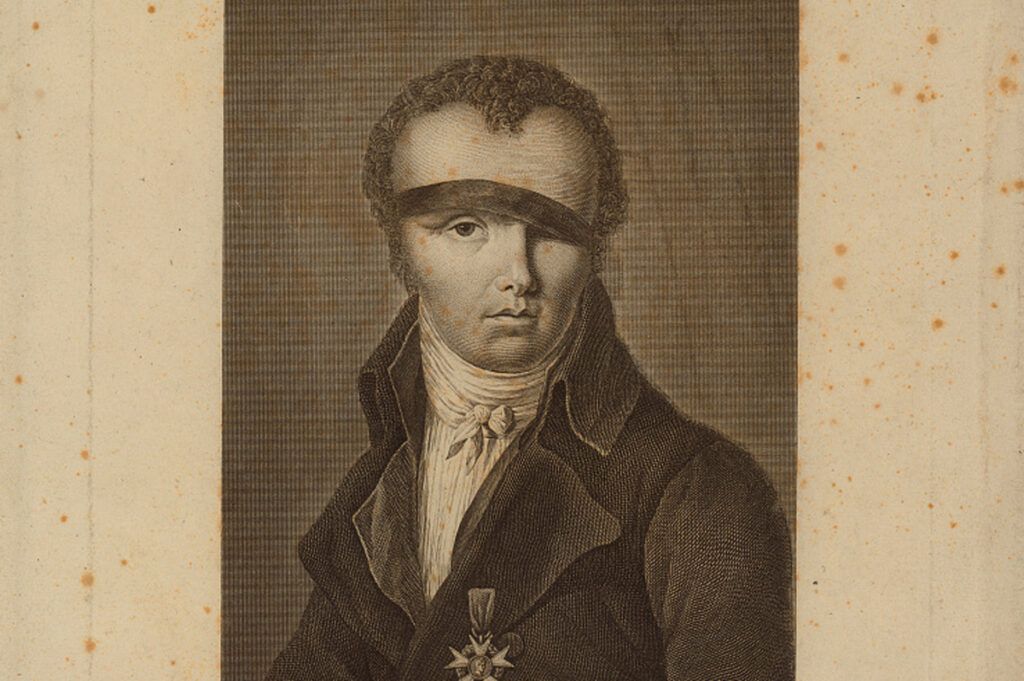
This range of pencil grades became possible in the 1790s, when French engineer Nicolas-Jacques Conté developed a method of grinding graphite, mixing it with clay, shaping it into rods, and firing them in a kiln. By adjusting the recipe, pencilmakers could produce different degrees of hardness.
In the United States of the mid-1800s, Henry David Thoreau (yes, of Walden Pond fame) later helped improve his family’s pencil-refining methods. The Thoreaus sold pencils graded from No. 1, the softest, to No. 4, the hardest.
That same numbering system survives today in the U.S., although parts of the world use different scales. Many countries use the HB scale instead of numbers. “H” indicates hardness, while “B” indicates blackness: Pencils can range from very hard, light-marking (9H) to very soft, dark-marking (9B), with HB near the middle. An American No. 2 pencil roughly corresponds to an HB, although exact grades vary between manufacturers.
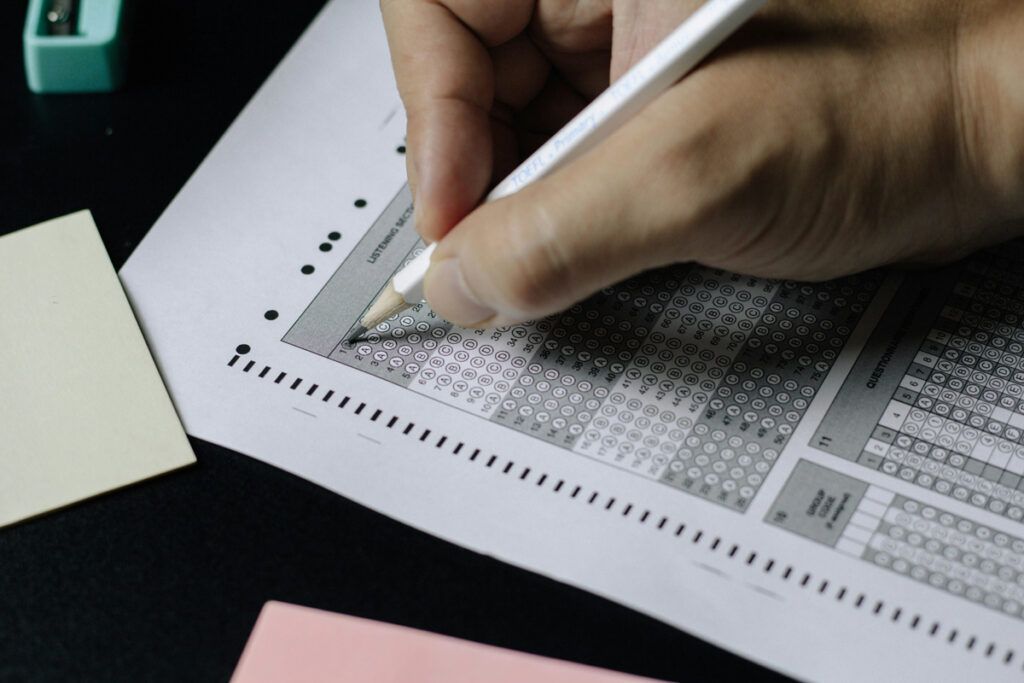
No. 2 pencils became especially entrenched in American classrooms with the rise of machine-scored tests in the 20th century. Their marks were dark enough for early scoring machines to read reliably. Softer No. 1 pencils were more likely to smudge and harder pencils could produce lines that were too faint to be detected.
Even as scanning technology improved, the No. 2 has remained the dependable all-purpose choice — the gold, or perhaps wood, standard of school-supply lists.
In the U.S., pencils use a No. 1 to No. 4 scale to rate the hardness and darkness of the pencil marks. No. 1 pencils are the softest and darkest, while No. 4 pencils are the hardest and lightest. No. 2 pencils make dark, readable marks without dulling or smudging too easily. This balance makes them useful for everyday writing and especially reliable for standardized tests read by machines.
Short Answer