HEALTH
What Happens When You Hold in a Sneeze?
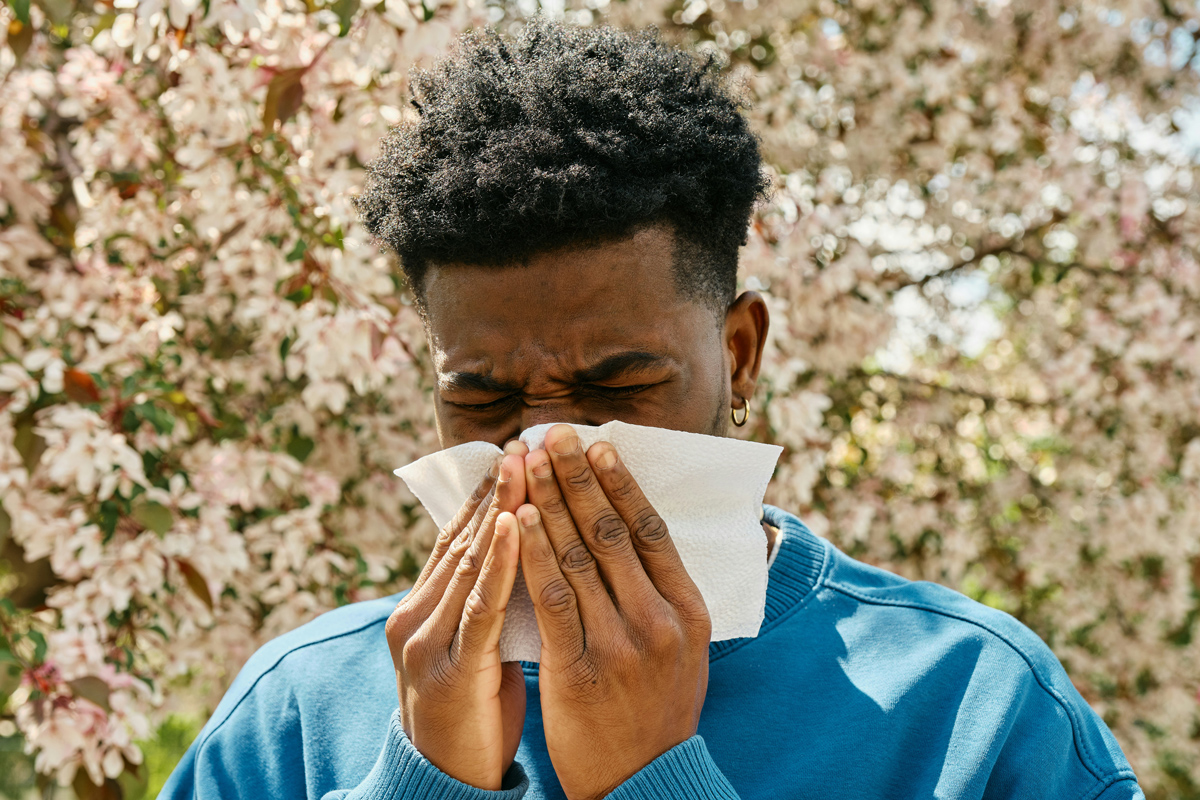

Have you ever been standing in a crowded elevator, or maybe sitting in an important meeting, before suddenly feeling a big sneeze coming on? Maybe you’re the type of person who will just let it rip, but most of us will do our best to hold in the sneeze. It can seem like a virtuous act of self-control — just pinch your nose, close your mouth, and wait for the urge to pass.
But a sneeze is more than a potentially germ-dispensing annoyance. It’s a powerful reflex with a specific role to play, and interrupting that process can put surprising stress on your body. Here’s what happens when you try to repress the reflex.
Under Pressure
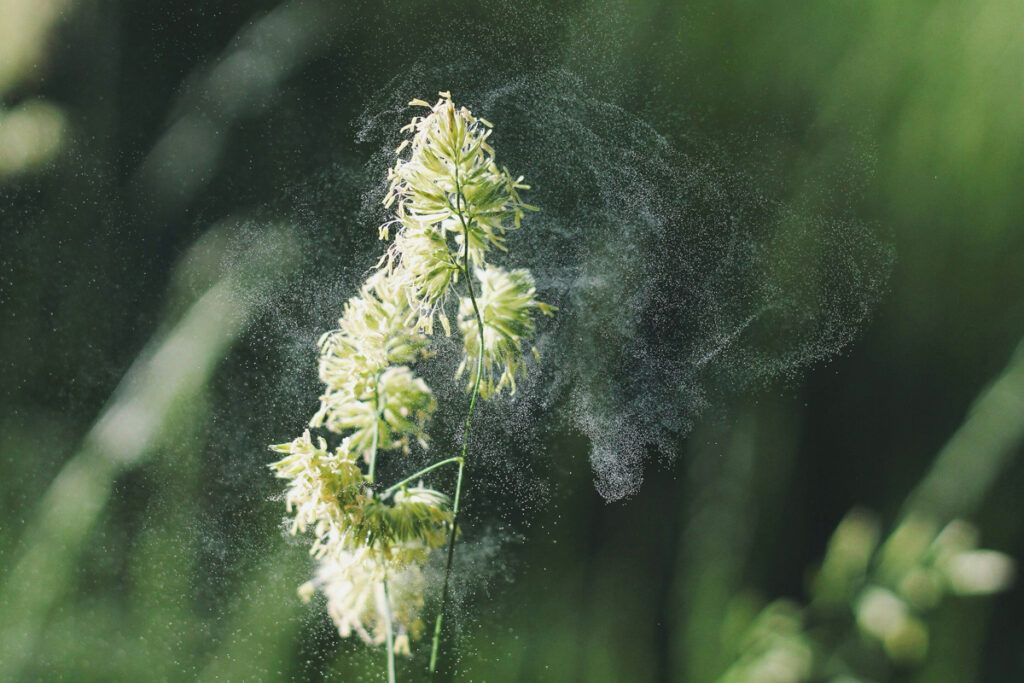
Technically called sternutation, a sneeze begins when nerves inside your nose detect something that doesn’t belong there, whether it’s dust, pollen, germs, or even black pepper.
Your body responds by compelling you to take a deep breath and by building up pressure in your lungs and respiratory system. Your chest muscles then squeeze your lungs hard, releasing a sudden blast of air through your nose and mouth. That’s meant to force the irritants out and keep you from getting sick, the same way you’d use pressurized air to clear debris from your keyboard or power tools.
You may feel a sneeze coming as the irritated nerves in your nose are triggered. You may also feel the moments before one as those nerves send a signal to your brainstem, which prepares you for a sneeze by tightly closing your throat, eyes, and mouth. This gives you a very brief window to hold in a sneeze.
When you do, all of the built-up pressure has nowhere to go — and that’s a problem. Instead of venting through your nose and mouth, the pressurized air is redirected into other parts of the body, such as the sinuses, ears, and potentially other areas too.
Friendly Fire
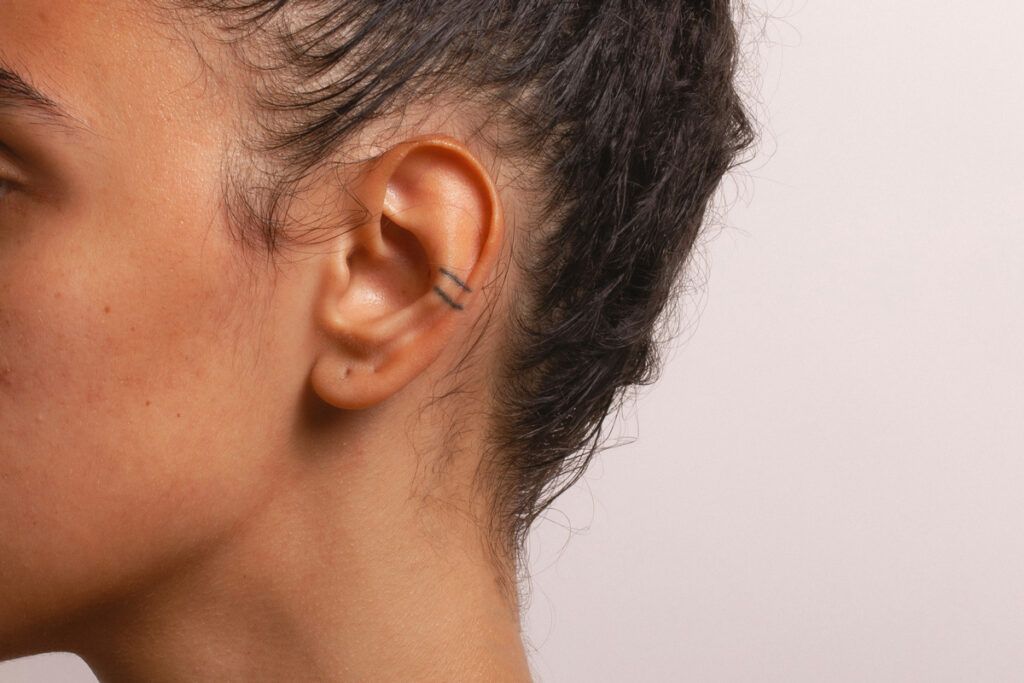
Researchers have found that suppressing a sneeze can increase pressure inside the respiratory system to levels from 5 to 24 times higher than those generated during the sneeze itself. Your ears are particularly vulnerable to this excess pressure, especially if it’s redirected through the eustachian tubes, which connect the back of the nose to the middle ear.
In rare cases, more serious complications can even occur, including throat injuries, infection, and damaged blood vessels. Fortunately, most people who suppress a sneeze won’t experience any lasting harm.
Still, experts generally agree that the safest approach is simply to let the sneeze happen (of course, you should be considerate of those around you and sneeze into your elbow) rather than trying to stop it altogether.
After all, that explosive “achoo” is your body’s way of keeping unwanted intruders from traveling deeper into your respiratory system. Rather than trap them inside, the healthiest thing you can do is let nature take its course and blast them from your nostrils like a spaceship purging its airlock.
A sneeze is the body building pressure in your chest to expel irritants and germs from your nose. Holding in a sneeze traps that pressure, which increases and is redirected elsewhere, such as your ears or sinuses. Most of the time this causes no serious harm, but in rare cases it can cause injury, which is why experts recommend letting a sneeze out rather than suppressing it.
Short Answer