SCIENCE
What Is ‘Feels Like’ Temperature?


Say you wake up, draw the curtains, and glance at your weather app before you plan your outfit for the day. Your phone says it’s 90 degrees outside, but then you see the “feels like” is 102. Or maybe it’s 35 degrees, yet the forecast insists it “feels like” 20.
The “feels like” feels like it’s the one you should pay attention to, since that’s what you’ll, well, feel. So why even provide the other number at all, if it’s not the one you’ll be interested in? Probably because it’s the objective, correct, temperature for your area — something that’s good to know in general. But the real number doesn’t provide the whole story of what your body experiences.
The “feels like” temperature depends on specific factors related to comfort and, more importantly, staying alive. Here’s how it’s determined.
Index and Chill
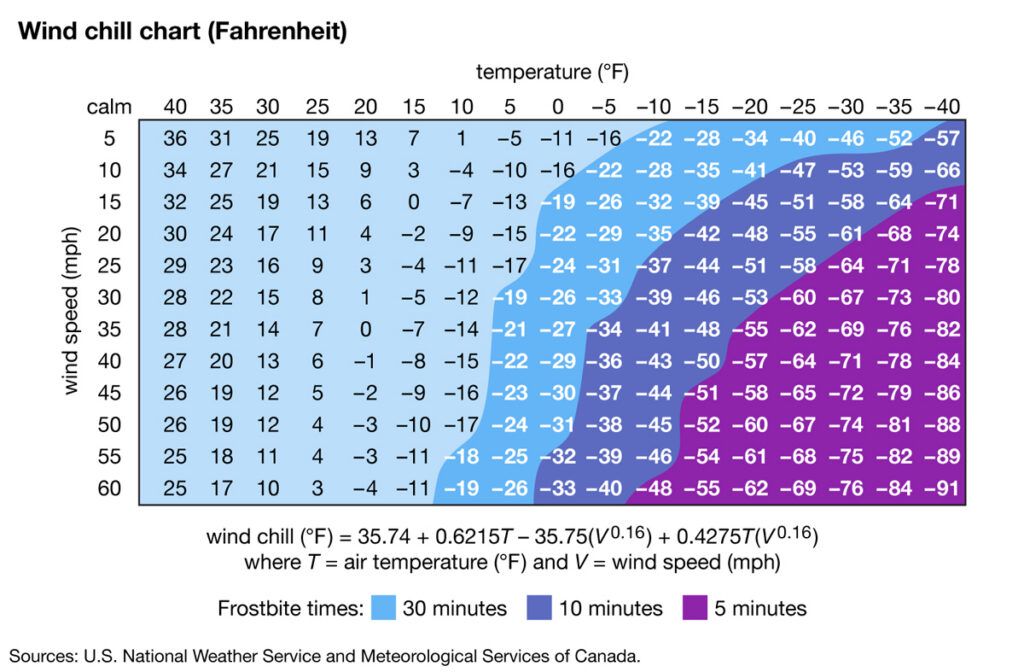
Imagine blowing across a mug of hot coffee. The moving air carries heat away, cooling the drink faster. When you’re outside, wind does something similar to your body. Your body is constantly generating heat and warming the air around you, which tends to linger if you’re not moving much. But a stiff breeze can strip away the thin layer of warmer air your skin creates, causing your body to lose heat more quickly.
Even if the thermometer reads 30 degrees, your body can experience a “wind chill” that makes it feel much colder than that. Wind chill isn’t negligible, either — it can make exposed skin cool fast enough to increase the risk of frostbite.
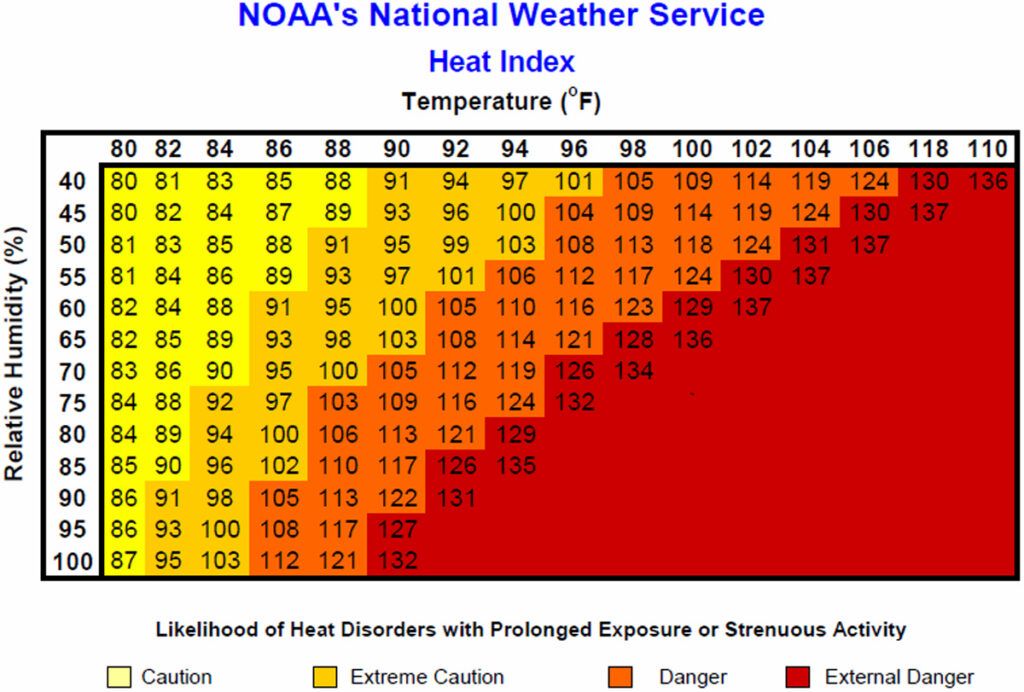
Hot, humid weather can create the opposite effect. Your body cools itself mainly by sweating. As your sweat evaporates, it carries heat away from your skin. But when the air is already full of moisture — which is what we call humidity — sweat takes much longer to evaporate. Basically, there’s no room in the air for the moisture to go — it’s like trying to squeeze onto a crowded subway.
Instead of cooling you, your sweat lingers on your skin, making you feel hotter than the actual air temperature. Meteorologists combine temperature and humidity into the “heat index,” which estimates how hot conditions really feel when taking this lack of cooling into account. On a humid day, the heat index can be significantly higher than what you’re reading on your thermometer.
The “feels like” temperature is essentially a shortcut. In cold weather, it usually reflects the wind chill. In hot weather, the heat index. During mild conditions — roughly between 40 and 80 degrees Fahrenheit, with not much wind or humidity — the “feels like” temperature is often the same as the actual air temperature.
Wet-Bulb Temps Are Different Than Heat Index

You may also hear about wet-bulb temperature, especially during heat waves. Unlike the heat index, which looks mainly at temperature and humidity, wet-bulb temperature measures the lowest temperature that can be reached through evaporation (such as sweating). It’s measured by wrapping the bulb of a thermometer in wet muslin (hence the name).
In practical terms, it reflects how effectively sweat can cool your body. When humidity (and the heat index) is very high, evaporation slows dramatically, causing wet-bulb temperatures to rise. A related measurement is the Wet-Bulb Globe Temperature (WBGT), which is commonly used by the military, the Occupational Safety and Health Administration (OSHA), and athletic organizations.
WBGT factors in sun angle, wind, and cloud cover in addition to temperature and humidity, making it especially useful for deciding when outdoor work or exercise becomes unsafe.
It’s a good idea to know both the heat index and wet-bulb temperatures during hot weather. The heat index is an intuitive number that gives you a solid idea of what it’ll feel like while you’re outside, while the wet-bulb temperature is literally telling you what the objective human survivability thresholds are for exerting yourself.
Your body typically stays the same temperature for a reason, and just as with a fever, it can be dangerous when it overheats and there’s no way to naturally cool yourself down. Wet-bulb temperatures higher than about 88 degrees Fahrenheit are considered extremely dangerous because sweating becomes essentially useless, raising the risk of heat stroke or worse.
So the next time the weather says it “feels like” 102 degrees or 15 below zero, it’s not trying to confuse you by adding more numbers to your life. Instead, “wet-bulb” and “feels like” temperatures are giving you a better estimate of what your body will actually experience — and whether you should grab a sun hat, a winter coat, or maybe just stay inside altogether.
“Feels like” temperature is an estimate of how hot or cold the weather actually feels to your body. It combines air temperature with either the heat index, which factors in humidity and your ability to cool yourself by sweating, or the wind chill, which factors in how quickly your body loses its own heat. A wet-bulb temperature tells just how much you can naturally cool down by sweating. Together these numbers offer a better guide to comfort — and sometimes safety — than the thermometer alone.
Short Answer