ENGINEERING
Why Are Airplane Windows Round?
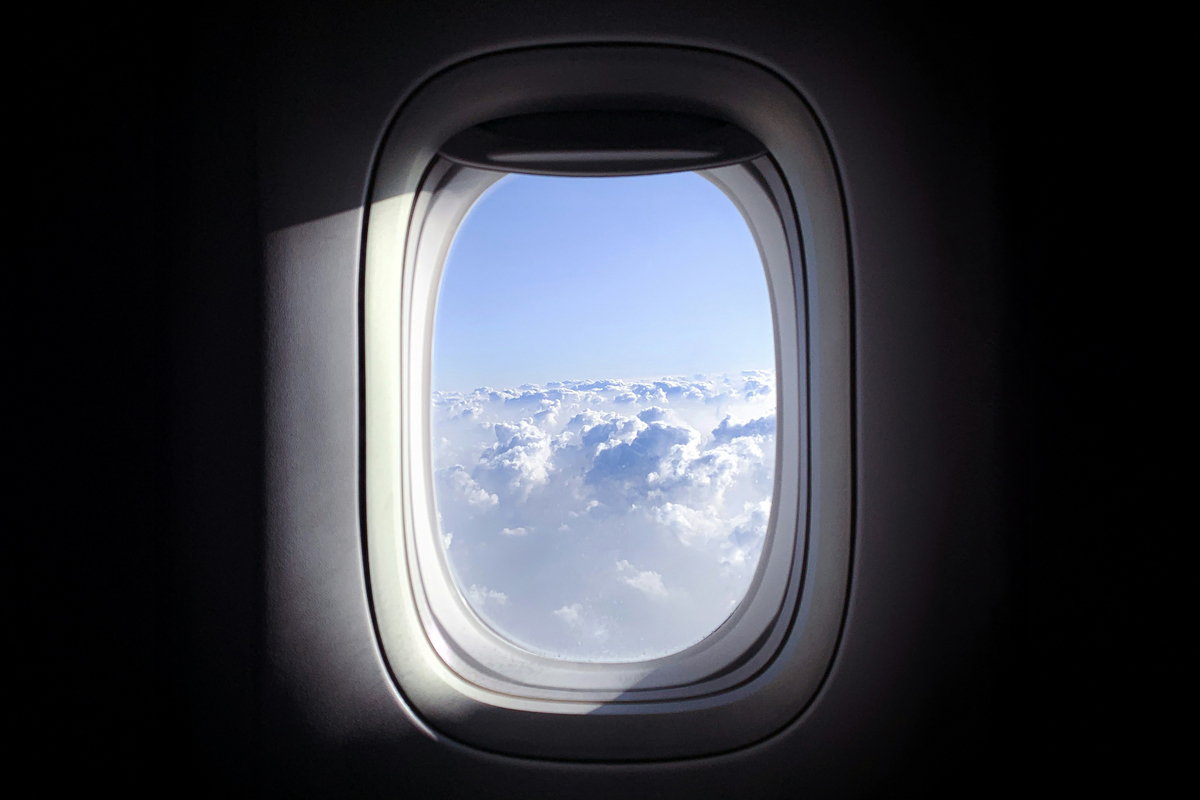

The next time you’re settling into a flight, perhaps with your forehead resting against the glass, admiring clouds floating by or peering at tiny farms and towns 35,000 feet below you, take a look at the window. Not through it, but at it. We’ll bet all our frequent flyer miles that it’s round.
Airplane windows aren’t round for aesthetic reasons. The shape is the result of a hard lesson the aviation industry learned more than 70 years ago — one that quietly makes every flight you take today safer.
A Fatal Flaw
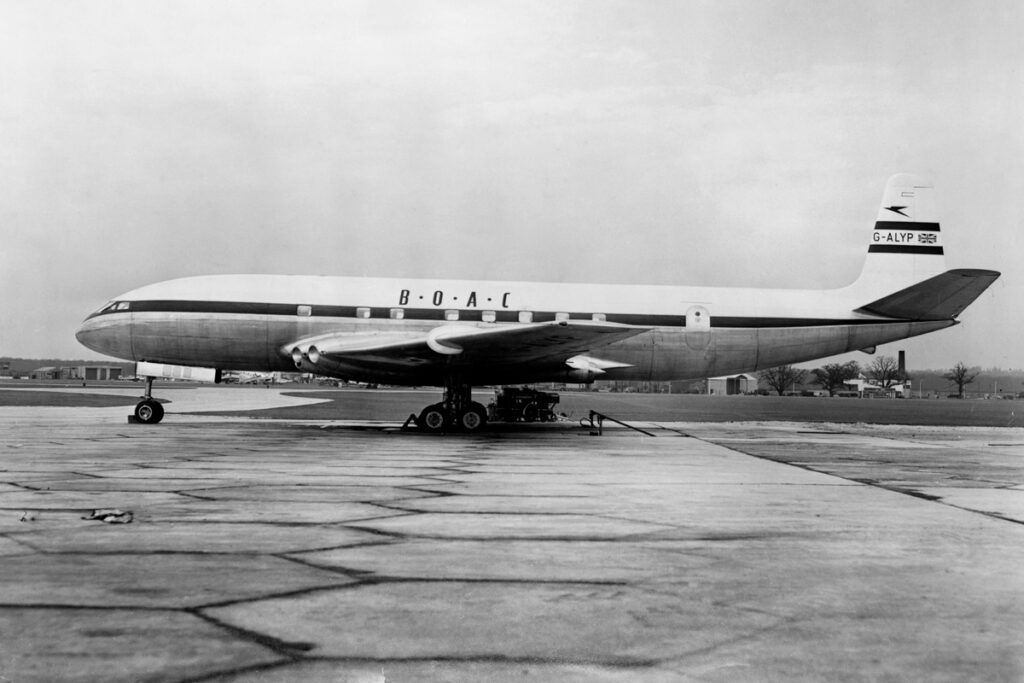
In 1952, the United Kingdom’s de Havilland Comet became the world’s first commercial jet airliner. At the time, it was an engineering marvel. It flew faster, higher, and smoother than the propeller planes that came before it, cruising above 30,000 feet in a pressurized cabin with large windows that made long-haul travel feel almost luxurious.
Within two years, though, disaster struck — twice. In 1954, two Comets broke apart in midair, killing 56 people combined. The entire fleet was grounded, and investigators at Britain’s Royal Aircraft Establishment launched one of the most thorough accident investigations in aviation history, submerging an entire fuselage in a water tank to simulate thousands of flight cycles in just weeks.
The culprit? The plane’s square-cornered windows. Investigators concluded that the crashes were caused by structural failure of the pressure cabin, brought on by fatigue, and traced that fatigue directly to the windows’ sharp corners, which are unfortunately good at concentrating stress.
Every time a plane climbs and descends, its cabin pressurizes and depressurizes so that passengers continue to experience stable, comfortable air pressure while they fly. This causes the fuselage to expand and contract slightly — imagine a balloon inflating and deflating by a breath or two.
On the Comet, that repeated stress had nowhere to go but into the sharp corners of its rectangular windows. It built up, flight after flight, until the metal finally cracked. Even a small hole or crack in the fuselage is dangerous when a plane is midair, because the high-pressure air will rush through the opening to the low-pressure atmosphere.
Imagine a balloon again, and what happens when there’s suddenly a hole or tear — you wouldn’t want to be inside that balloon, thousands of feet above the ground. The body of the plane can quickly break apart in a chain reaction starting from one tear around a window corner.
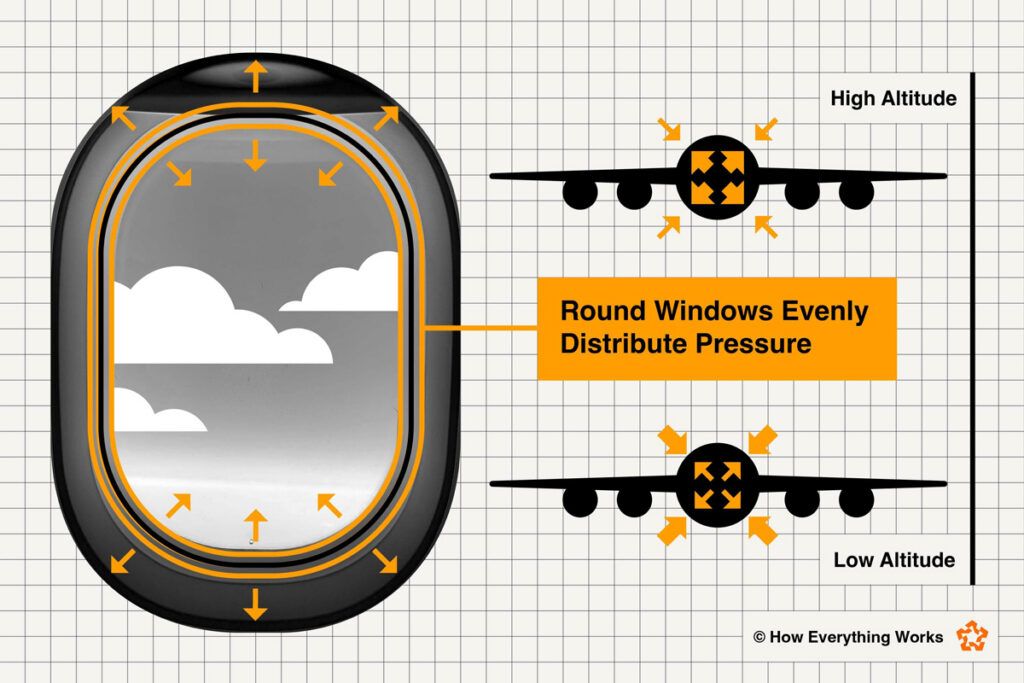
The solution was simple: switch out the rectangular design for oval windows, which distribute pressure evenly along their curves. Without squared corners for stress to concentrate on, the fatigue that comes with the constant pressurize-depressurize cycle of flight spreads out harmlessly across the frame.
In 1958, the redesigned de Havilland Comet 4 series flew for the first time with rounded windows, and the rest of the industry took note. Every jetliner built since has followed suit with rounded windows.
So that unassuming oval that frames your high-altitude view isn’t just a window to the world below. It’s a small monument to how the aviation industry turned tragedy into a lasting lesson in engineering, protecting countless travelers ever since.
Airplane windows are round because of a design flaw that led to two of the first commercial jets suffering fatal midair breakups in 1954. Investigators found that the plane’s square-cornered windows concentrated stress at their corners every time the cabin pressurized and depressurized during flight, eventually cracking the metal. Without sharp corners, rounded or oval windows allow pressure to distribute evenly around them instead of building up in one spot. Once engineers understood this, all commercial airliners began using round designs for windows.
Short Answer