HEALTH
Why Do Babies Laugh So Much?
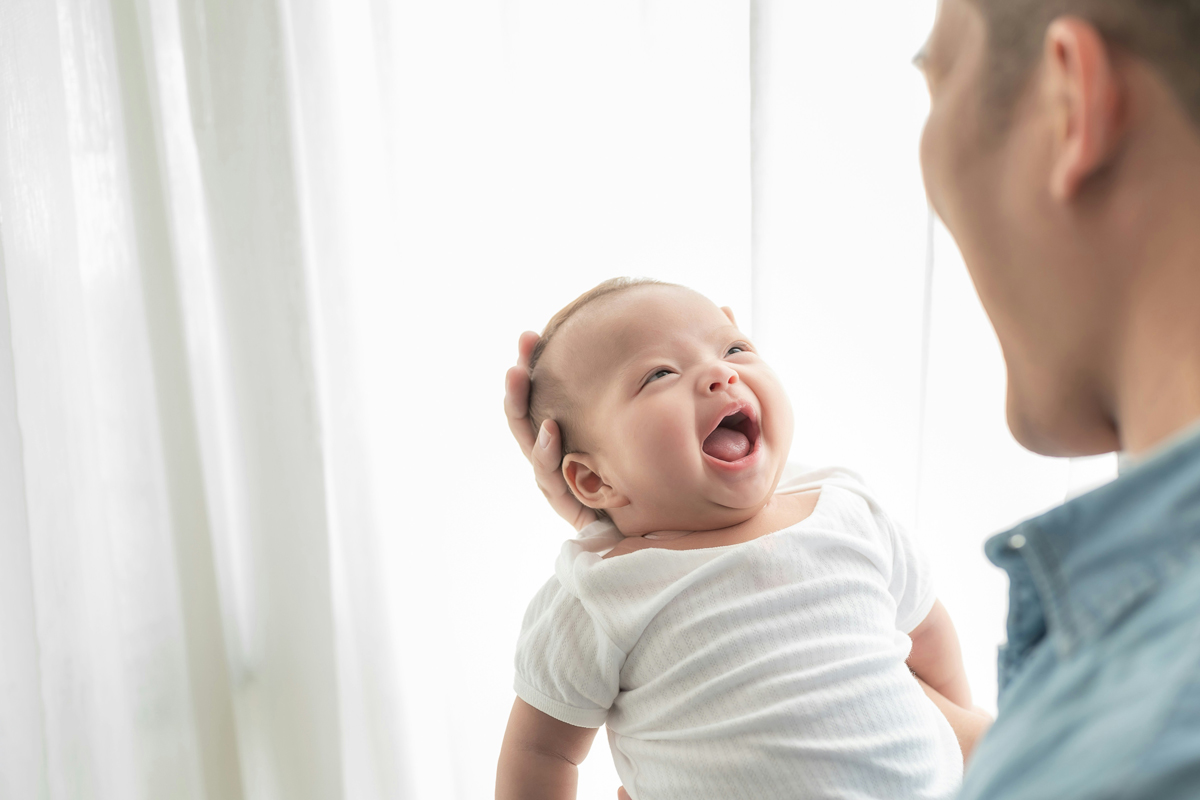

Before babies can say “Do that again!” they already have a powerful way to communicate: laughter. A baby’s first giggles are among the most delightful milestones of infancy, but they also raise an intriguing question: Why do babies seem so much more easily amused than adults, with playing peekaboo or wearing a spoon on your nose sending them into fits of uproarious laughter?
After all, it’s easy to love your mom and dad — but that doesn’t necessarily mean they’ve got great comedic timing. But babies’ seemingly random giggles aren’t random at all.
Researchers studying these questions (with some of the cutest subjects in science) think laughter may actually be one of babies’ earliest tools as they learn what it is to be human.
A Social Superpower
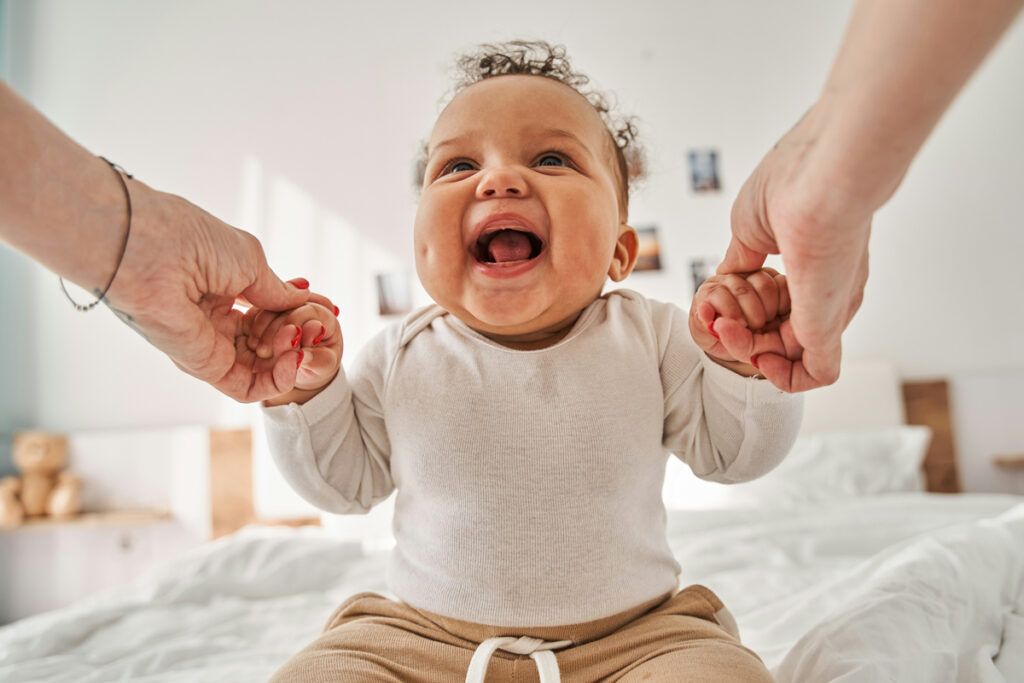
As cute as they are, a baby’s first smiles are usually involuntary or simple mimicking. Those early grins, which have even been observed in the womb, aren’t signs of happiness.
But by about six weeks, babies develop “social smiles” in response to familiar faces and voices. Genuine laughter usually follows around three to four months, right as babies become increasingly interested in the people around them.
That timing is no coincidence. Developmental psychologists now think humans use laughter primarily as a social signal, rather than simply a response to something funny. Think about it — we tend to laugh far more often during ordinary conversations in response to fairly banal remarks (such as “I parked the car weird”) than after hearing actual jokes. In other words, we usually laugh to reinforce social bonds with one another.
Baby laughter appears to work much the same way. A laugh tells a caregiver, “I like this,” “I’m enjoying being with you,” or simply, “Keep doing that!” Infants’ laughs have been called the “five-star Yelp reviews” of babyhood, meaning that babies are simply enjoying being a baby. (“Five out of five stars, would baby again!”)
The laughs also activate pleasure centers of the brain in both child and caregiver, cementing bonds in their relationship. That’s incredibly important, given how trying this relationship can be. (Hello, 3 a.m. wakeups.)
Goo Goo Ha Ha
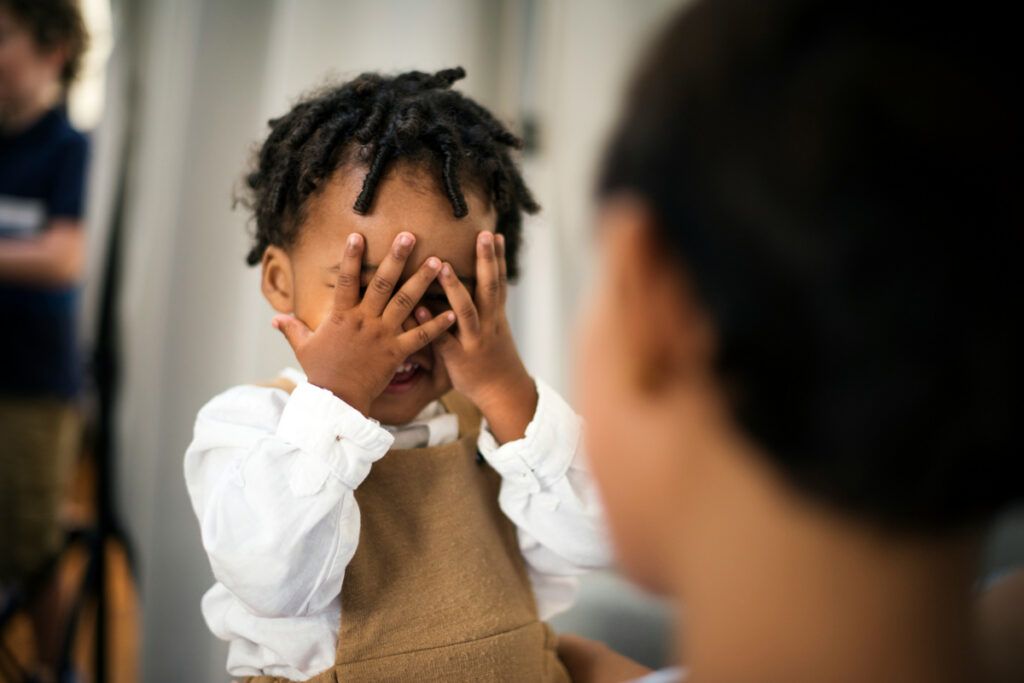
Other times, babies just truly find something hilarious. Often these laughs are provoked by something surprising (but harmless). Peekaboo is a classic example. (Mom has temporarily disappeared, but not for so long as to be concerning.) Other examples include funny noises, exaggerated facial expressions, or grandpa pretending to wear a cup as a hat.
Psychologists call these “benign incongruities” — things that violate expectations without being frightening. Babies are beginning to learn how the world normally works, so they delight when someone safely breaks those unwritten rules. It’s a sign of just how sophisticated their brains have already become.
As babies approach six months, they also begin experimenting with humor themselves. They may blow raspberries, knock over a block tower, or repeatedly perform an action that previously made everyone laugh. By the end of their first year, many babies intentionally tease adults by pretending to break small rules.
These playful antics, sometimes called clowning, show they’re beginning to understand that other people have expectations — and that gently violating those expectations can be entertaining.
Scientists believe all of this serves a serious purpose. Laughter strengthens emotional bonds between babies and caregivers, encourages playful interaction, and helps babies practice important cognitive skills. In other words, every giggle is helping build both a growing mind and growing relationships. And there’s nothing silly about that.
Laughter is one of their earliest ways babies can connect with other people, even before they find things funny. Their giggles strengthen social bonds with caregivers, while helping them learn about the world by identifying surprises and when things don’t go as expected.
Short Answer