NATURE
Why Do Dogs Spin in Circles Before Lying Down?
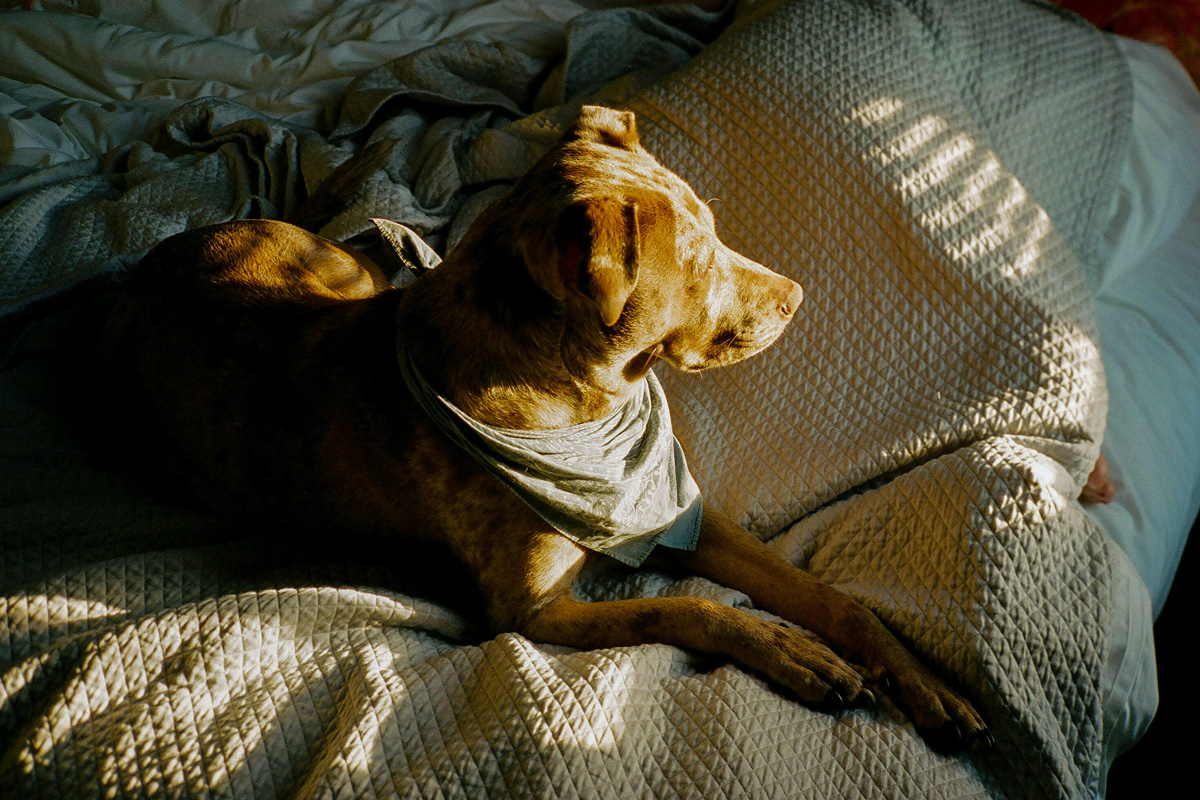

Most of us have some kind of bedtime routine. Brush your teeth, set the alarm, maybe read a chapter or two. Dogs have one too, and theirs is a lot more efficient: a few tight turns in place and down they go, usually in a very satisfying-looking flop.
If you share your home with a dog, you’ve seen this dozens, if not hundreds, of times. Wolves do it, too, as do foxes, coyotes, and other wild canines — and they were doing it long before we domesticated dogs and gave them cozy beds indoors. It turns out this odd movement has a surprisingly practical purpose — or at least it used to.
Instinct Is Hard to Beat
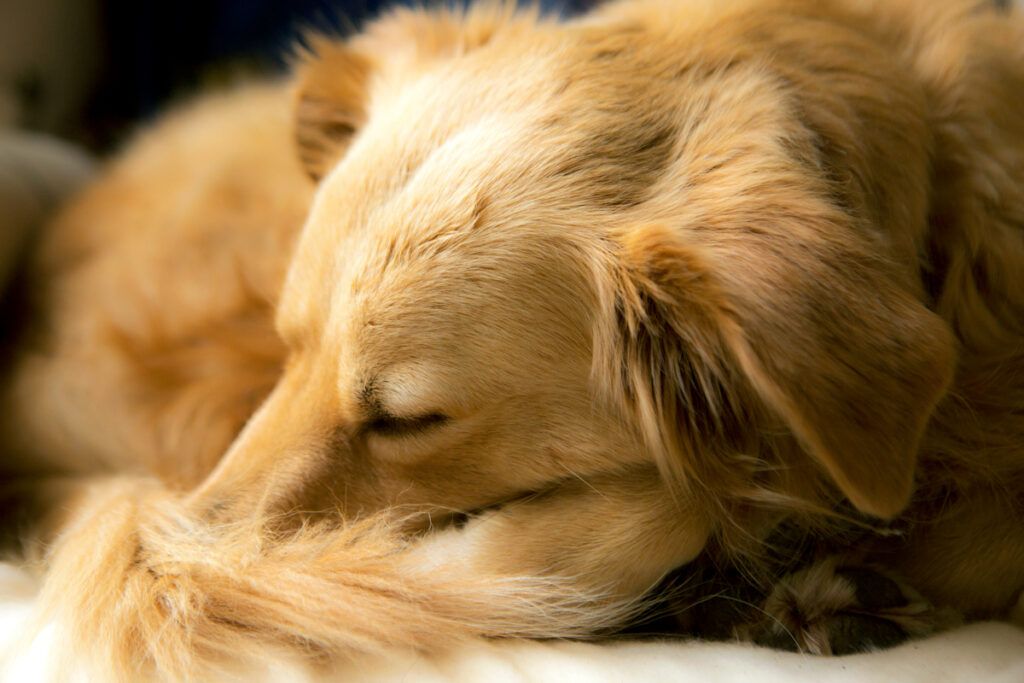
The leading explanation is quite possibly the most relatable one: nesting. A wolf bedding down in the wild doesn’t have the luxury of a mattress — just some grass, leaves, sticks, and maybe snow. A few turns in place trample all of that detritus into a flatter, softer spot. Think of it as fluffing your pillow or arranging your blankets just so before settling in.
It’s thought that today’s dogs have held onto the instinct, even if the only thing they’re flattening now is a fleece throw or high-end dog bed that cost more than some of your furniture. In one small experiment, dogs were nearly three times as likely to circle before lying down on a lumpy shag rug as on smooth carpet. This evolutionary bedtime quirk wouldn’t be unheard of — there’s a theory that humans twitch as they fall asleep because our ancestors slept in trees and had to make sure they didn’t fall out.
In the wild, circling likely does more than make a bed comfortable. It may also flush out insects, snakes, and other hazards hiding in the brush, and it can help regulate temperature, exposing cooler soil on a hot day, or even packing down snow to make a more stable nest.
Another theory, also related to safety, is that a dog circles in order to point its nose into the wind, helping it to smell any potential trouble. In effect, checking the perimeter, but from one spot. However, there’s currently less evidence backing up this idea. An even less solid theory is that circling is a form of scent marking, since dogs have scent glands in their paws that may leave a “seat’s taken” signal.
When Circling Is Cause for Concern
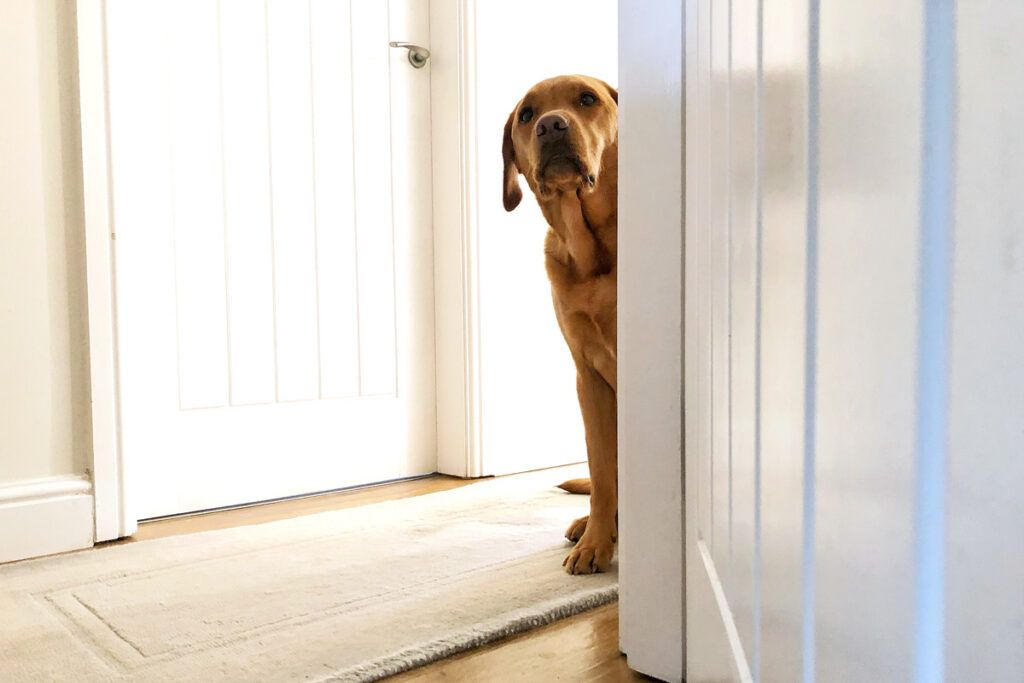
While a few turns before a nap are perfectly normal, circling that’s repetitive, frantic, or compulsive is a different story, especially if your dog seems distressed, disoriented, or in pain. Excessive circling can point to several problems, such as anxiety, pain, ear infection, or an inner-ear balance problem (in which case the circling is often accompanied by a tell-tale head tilt to one side). In older dogs, it may be a sign of canine cognitive dysfunction, a form of dementia. So if your pet’s circling is new, constant, or paired with stumbling or confusion, you should consider calling your vet as soon as possible.
Normally, though, when your dog spins its way into bed, it isn’t being fussy. It may just be sticking to a routine that’s worked for thousands of years — perhaps even better than your own nighttime customs.
It’s been theorized that dogs likely circle before lying down because of an instinct passed down from wild canine ancestors. Turning in place allowed wolves to flatten terrain into a comfortable bed. The habit may also have helped them flush out bugs, snakes, or debris, stay warm or cool, and keep watch for predators. A few turns are normal, but frantic circling can signal a health problem and is worth a vet visit.
Short Answer