SCIENCE
Why Do Ice Cubes Stick to Your Fingers?
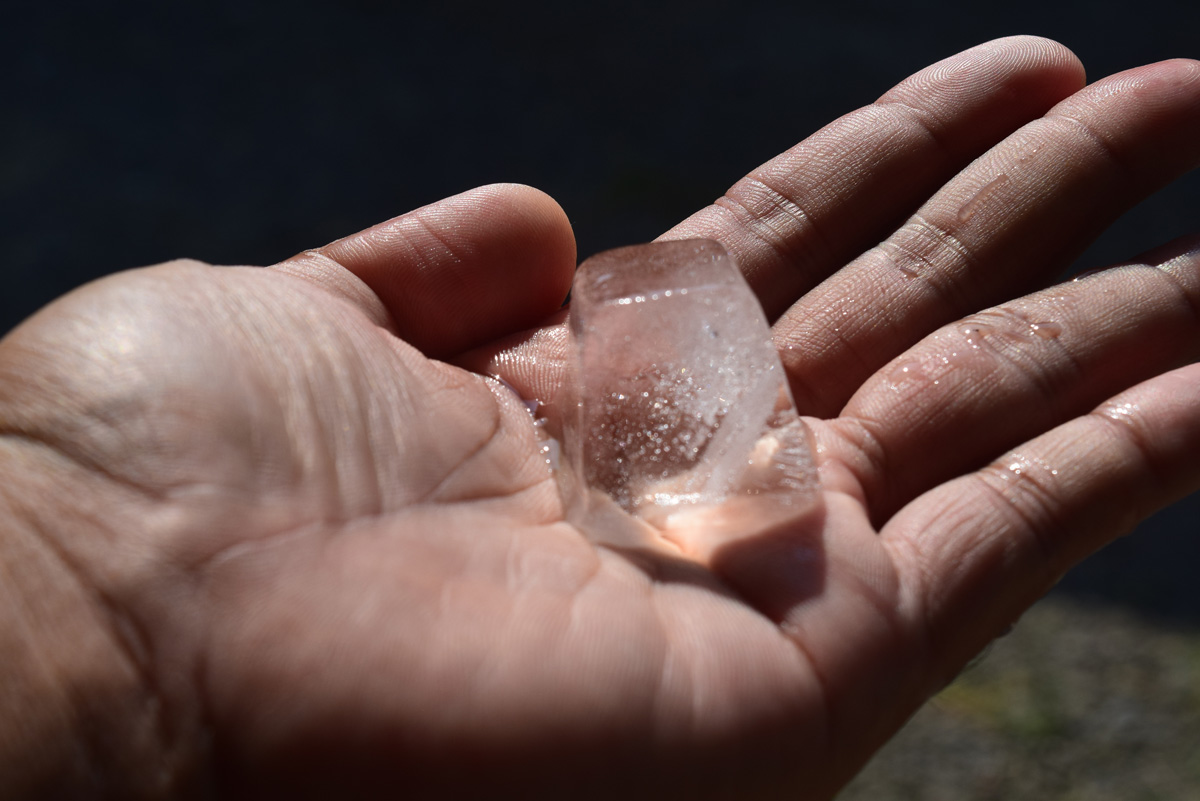

While we hope you’ve never gotten your tongue stuck to a frozen flagpole in winter, the same science behind that embarrassment explains why ice cubes stick to your fingers.
It’s a concept known as thermal conductivity, and it explains why frozen water can be as sticky as molasses.
Stuck On You
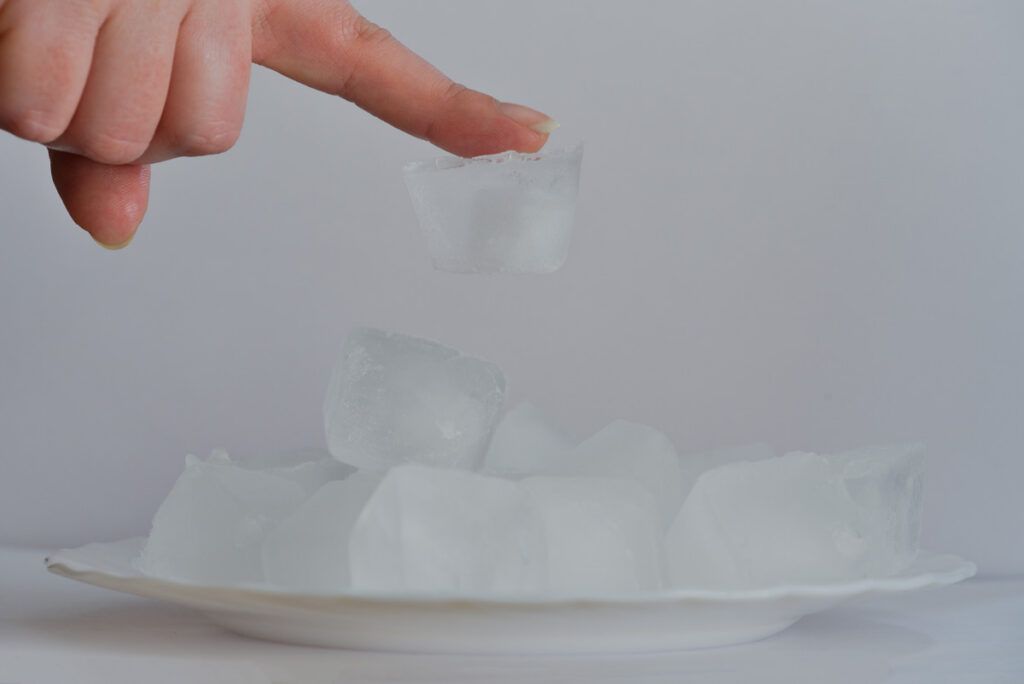
Thermal conductivity is a substance’s ability to conduct or transfer heat. For example, aluminum is a good conductor of heat, which is why it’s often used in cookware designed to quickly heat food. Cast iron and ceramic are low thermal conductors, but they hold heat well, which is why these materials are used in cookware designed for slow-cooked food.
Your finger can also transfer heat. So when your warm finger touches cold ice, the heat will quickly melt a layer of the ice, creating a film of water. That film — and any of the natural moisture, such as sweat, already on your finger — refreezes just as quickly, sticking to your skin.
You might not usually think of ice as “sticky,” but that’s what it feels like when you find an ice cube refusing to let go of your fingertip. Why it’s sticky is thanks to hydrogen bonding. Water is made of two hydrogen atoms (H2) and one oxygen atom (O). When water is frozen into its solid form, those atoms are trapped in place.
When water is in its liquid form, they can move freely, breaking the bonds they share with other atoms to form new ones, like a microscopic square dance. When ice melts on your hand, those atoms can bond with the atoms on your skin. As the water refreezes, the atoms become locked together — you’ve essentially become one with the ice.
But don’t worry. These bonds don’t last. The ice will eventually melt again, either on its own or by pouring warm water over it, releasing you without much fuss.
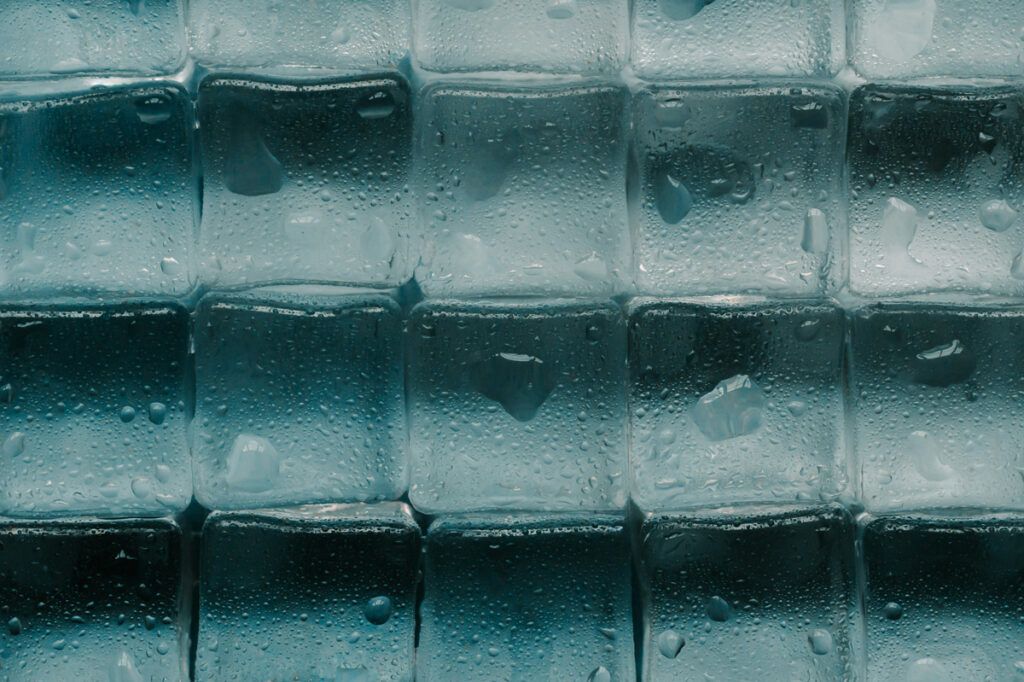
Of course, this only applies to the type of ice we commonly deal with in our kitchens. Scientists or other workers who handle extremely cold materials — such as liquid nitrogen, dry ice, or items in very cold freezers — must wear cryogenic gloves to protect their hands and arms from more serious sticky situations.
As you’ve probably noticed, ice cubes don’t just stick to your fingers — they can also stick to each other. When they touch, a small amount of water melts slightly due to pressure before refreezing. This process is known as regelation, and it’s what helps glaciers to move as opposed to remaining still, as they temporarily melt to flow around obstacles such as rocks before refreezing into ice again.
Who knows? Maybe prehistoric preteens were daring one another to lick a glacier… and regretting it.
Your warm finger melts the outer layer of an ice cube when you touch it, creating a film of water that combines with your skin’s natural moisture and refreezes. Hydrogen atoms in the water form new bonds with atoms in your skin before refreezing, making the ice stick to you until it melts again.
Short Answer