NATURE
Why Does the Ocean Foam?
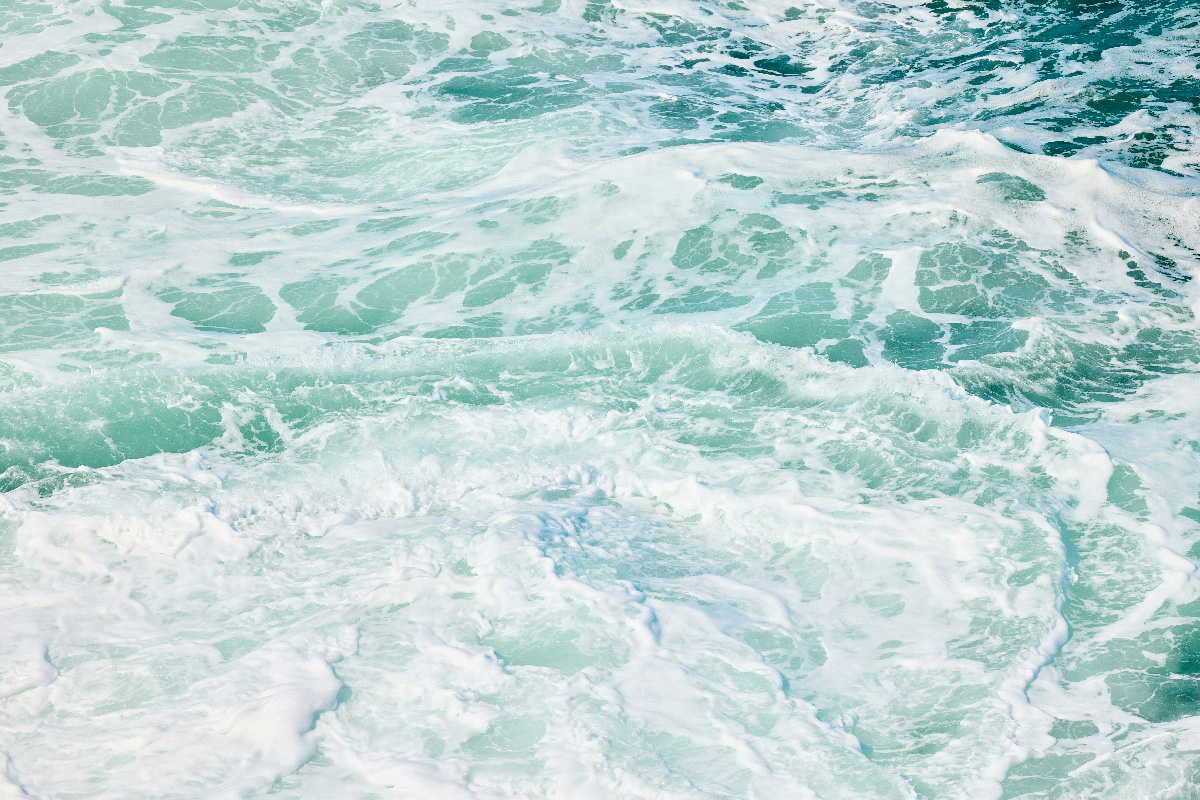

Walk along the beach, and you may notice a frothy white fringe swirling around your ankles. On calm days, it’s a thin lace. After a storm, it can pile up in thick drifts that sweep across the sand. It’s not as if someone is dumping detergent into the ocean, and when you blow bubbles into a glass of water, they pop within seconds. So what’s causing this persistent foam?
It’s not merely salt that’s causing the froth, but something else that’s floating in the seawater — combined with the motion of the ocean.
Nature’s Bubble Bath
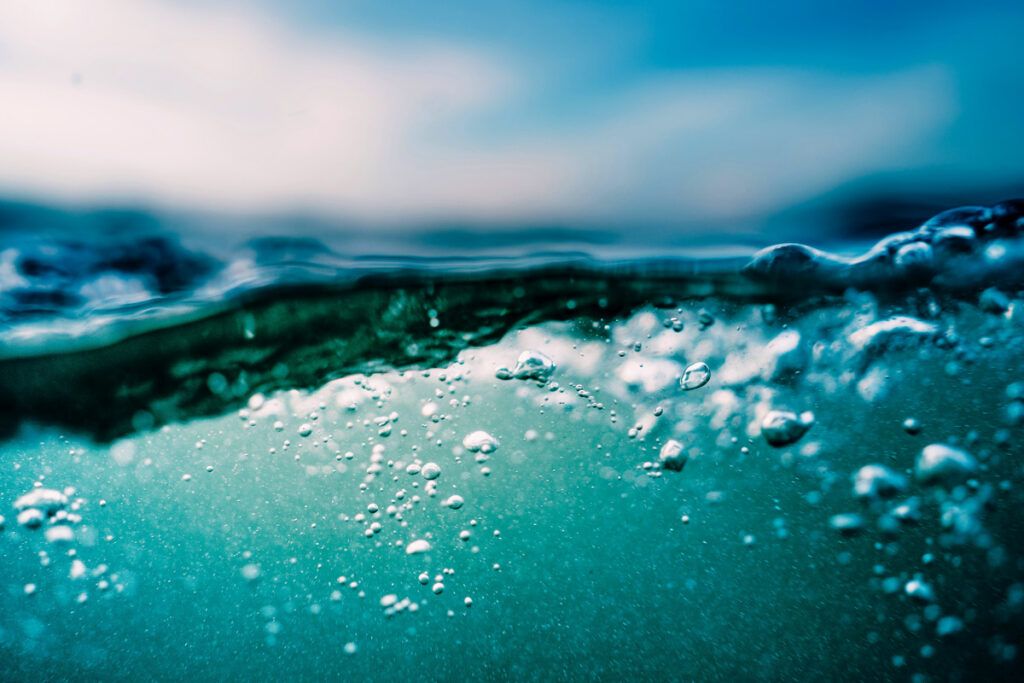
When a wave breaks, it traps air and drives it under the surface. This creates a swarm of bubbles. According to a 2017 study published in the Journal of Marine Science and Engineering, large bubbles in fresh or clean water typically pop in less than three seconds. In seawater, bubbles can last much longer — as anyone who’s bodyboarded on a breaker can tell you.
The difference isn’t simply the salt, but what else is dissolved in the ocean. Think of all the marine life that has lived and died under the surface, and you can see why the water wouldn’t be crystal clear. Seawater contains proteins, fats, decaying algae, and other organic matter.
Some of these substances act as surfactants — the same type of ingredient that makes dish soap sudsy. (Soap is often made from animal fat or plant oils.) Each surfactant molecule is attracted to water on one end while repelling it from the other, reaching toward the air instead. This makes the surfactant settle on the surface of a bubble, strengthening the bubble’s thin wall and making it less likely to burst or merge into another.
Think of it as an invisible reinforcement for each bubble’s delicate skin. A 2024 study published in the journal Flow found that adding a soap-like surfactant to purified water made surface bubbles last about twice as long — in part because bubbles were less likely to merge.
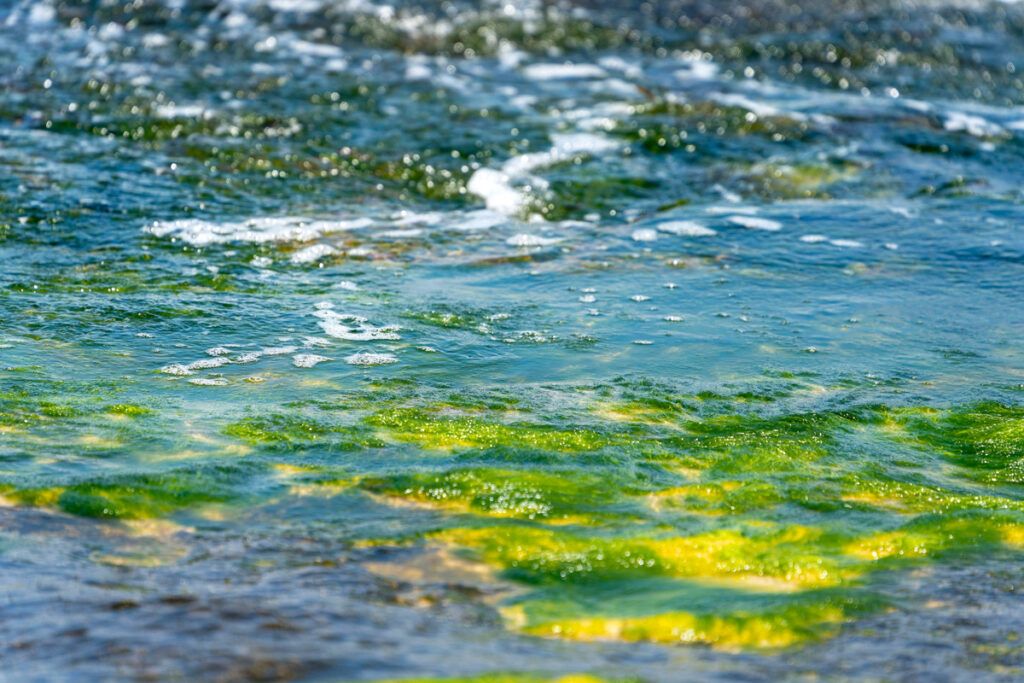
Where does all that organic matter come from? Often, algae. When large blooms die and decay offshore, the decaying material can wash toward the beach, where the surf churns it into foam, the same way rubbing your hands together lathers your soap. That’s why thick foam often follows a big storm: Bigger waves churn more, stirring up more of the ingredients that make bubbles last.
Human-made detergents and other pollutants in the water can add to the effect, though natural sea foam is common and doesn’t automatically indicate pollution. Is ocean foam safe? Usually. The National Oceanic and Atmospheric Administration says most sea foam is harmless and often a sign of a productive marine ecosystem.
The exception is when a harmful algal bloom decays near the shore. Along Gulf Coast beaches, for example, toxins produced by Karenia brevis algae can become airborne when foam bubbles burst. This can irritate the eyes and respiratory system, posing a risk for people with asthma. If foam looks or smells off, it’s best to admire it from the dry sand. Fresh foam is bright white but turns brown as it ages — a sign it’s been tossed around for a while.
For the most part, though, ocean foam is perfectly fine to enjoy when you’re ankle-deep in the suds. Waves and the ocean’s organic compounds mix together to provide you with an all-natural bubble bath.
Breaking waves trap air in seawater, creating bubbles. Organic compounds that are chemically similar to soap are released by algae and other marine organisms; those compounds strengthen the bubble walls so they take longer to burst. Waves and currents continuously mix air and water, allowing bubbles to pile up as foam along the shore, not unlike how you rub your hands together to lather up.
Short Answer