HEALTH
Why Do Paper Cuts Hurt So Much?
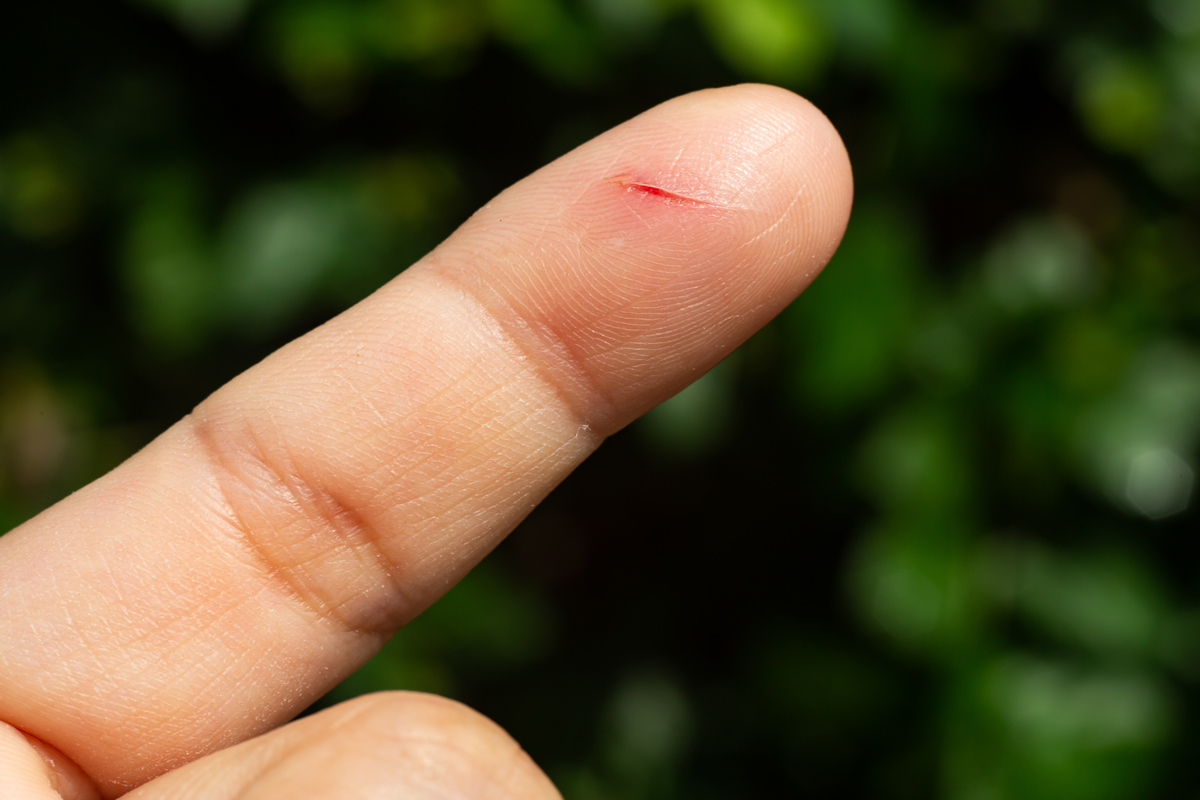

Paper cuts can strike from anywhere — while loading paper into your printer, peeling off a sticky note, or turning the page of your favorite book. Afterward, you can barely even see where this particular blend of cellulose fibers sliced into your skin, but you know it’s there because it hurts — a lot.
How can such a tiny slash feel so painful? The answer actually comes down to a mix of factors that come together to form a perfect storm of agonizing discomfort. Warning: It may be tough to read on without wincing once or twice.
Paper-Thin Razors
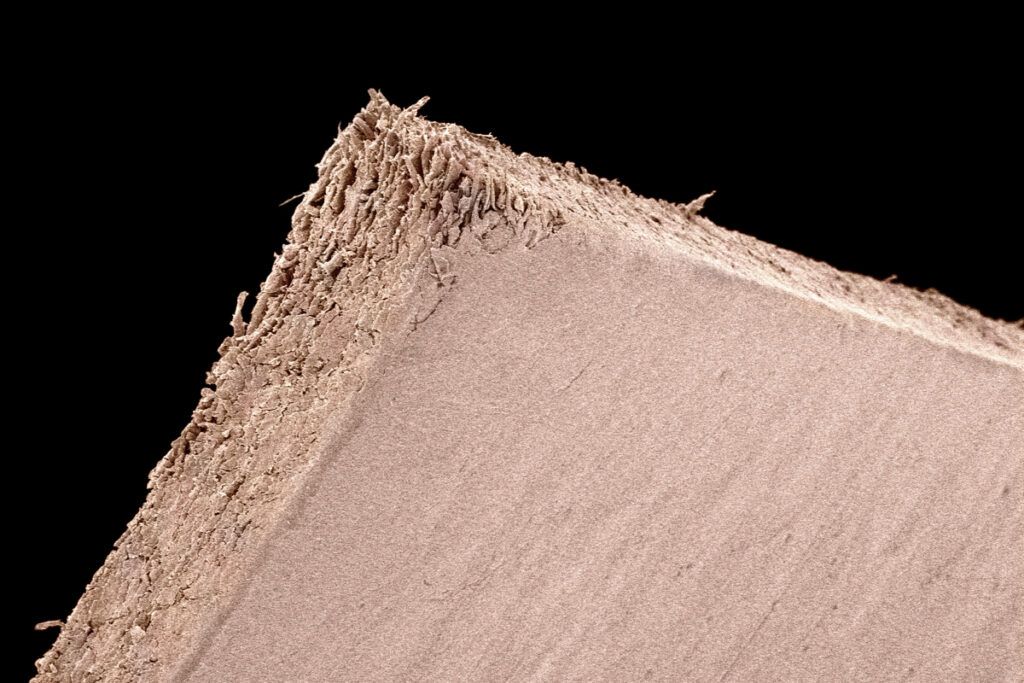
While paper is not typically seen as a sharp and dangerous weapon, its edge tells a different story when seen under a microscope, sporting sharp, jagged teeth. Though tiny, these razor-like points are why paper is more hazardous than it seems on, well, paper.
A straight-edged knife makes a clean cut, causing less overall damage to the skin than a serrated one. In effect, you’re being cut many times instead of once when you make contact with the edge of a piece of paper, with the multiple jagged points hooking into your finger and tearing at it as it runs alongside the paper.
That said, not all types of paper are equally dangerous. Scientists have calculated that paper cuts are most likely to occur from sheets with a thickness near 65 microns at an angle of around 20 degrees from the skin. Note cards, for example, are (usually) too thick to cut into the skin, while material like toilet paper is too thin and soft to hold an edge firm enough to injure you. The paper used in standard print magazines, though, are closer to 65 microns thick, so flip through one at your own risk.
Paper cuts also may sting more than larger cuts because paper can leave behind tiny fibers, as well as traces of chemicals used in paper manufacturing, that further irritate the open wound.
Bad Feelings
But the mechanics and composition of paper are only part of the problem. Because of the way we usually handle paper, paper cuts typically occur around sensitive areas densely packed with sensory neurons known as nociceptors — which specifically detect damage and pain. Researchers suggest that in early adolescence, the brain develops an oversensitivity in our fingers, meaning we essentially feel more in those areas.
Our brain’s somatosensory cortex, which translates touch perceptions from our hands into signals the brain can interpret, is stimulated more when there’s a greater density of sensory nerves. You’re much more sensitive to touch or pain on your lips, which have many such nerves, than the middle of your back, where they are more spread out.
It makes sense our fingertips are loaded with these sensory neurons, since they’re a gateway to our sense of touch. They’re what we use to carefully grasp objects and feel subtle details on a surface.
But, this heightened sensitivity is a double-edged sword (or paper envelope). While running our fingertips across velvet feels especially satisfying thanks to fingers’ enhanced touch receptors, running them over the edge of paper is just the opposite, especially since they can sense its near-invisible sharp points.
So when we feel a paper cut on our finger, we really feel it.
Under a microscope, paper has jagged, sawtooth-like edges that tear at the skin of your fingers. Paper also leaves behind plant fibers and industrial chemicals that can further irritate the cut. What’s more, your fingertips are densely packed with pain-sensing neurons known as nociceptors that make them more attuned to the tiny, sharp points of a paper’s edge, and send stronger pain signals to the brain compared to other parts of the body.
Short Answer