CULTURE
Why Did You Hate Broccoli as a Kid?
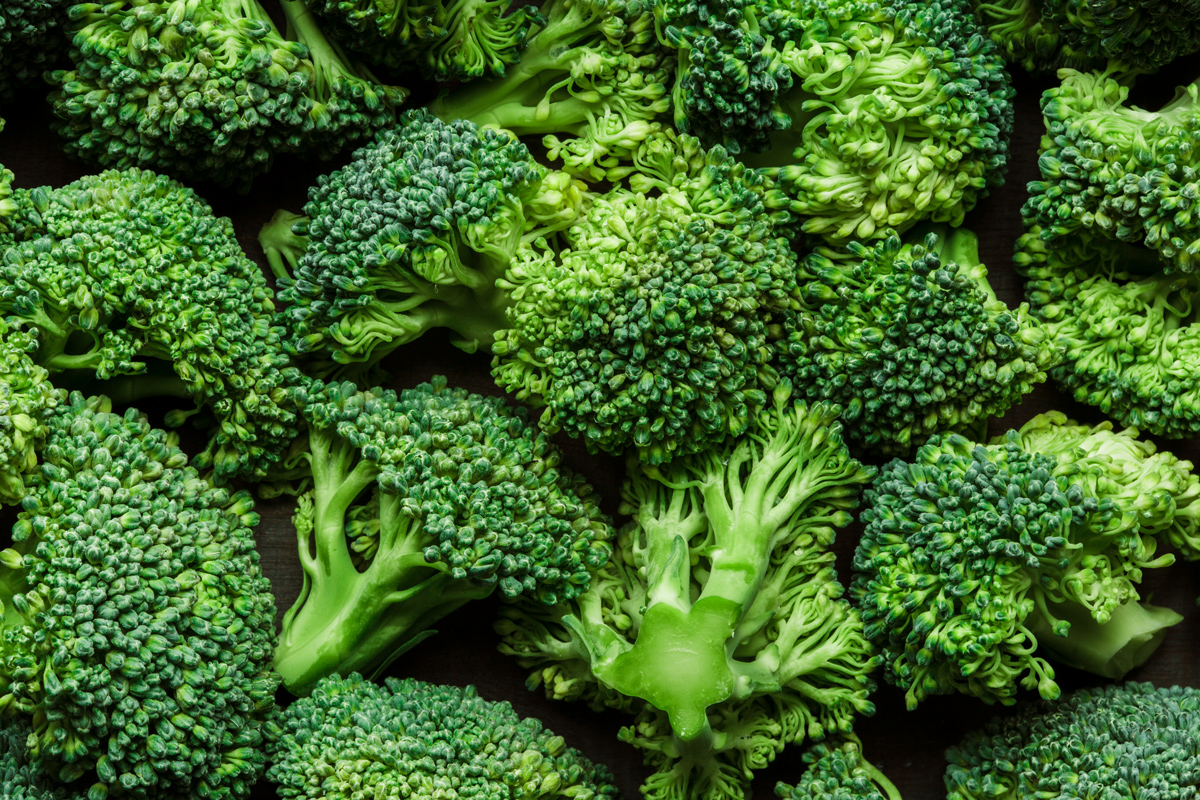

Maybe you spent years pushing broccoli to the edge of your plate, only to discover in adulthood that you genuinely enjoy it roasted with a little salt and olive oil. Or perhaps coffee and dark chocolate seemed unbearably bitter when you were little, but have since become daily must-haves.
It’s a common experience — and it isn’t just that your preferences have become “more sophisticated” alongside the rest of you (no shame if you still enjoy watching cartoons in your PJs, though). There are biological reasons your palate changes over time.
So don’t worry — even if your children or grandchildren don’t like broccoli, there’s still hope for the future.
Your Taste Buds Grow Up, Too
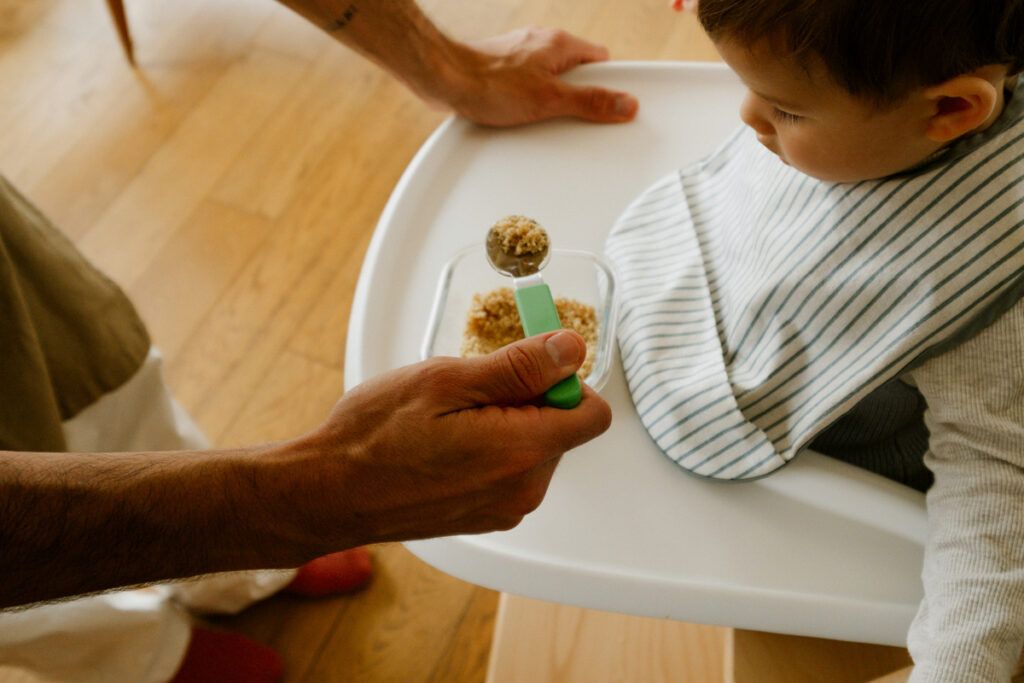
Taste is more complicated than you might think. Your tongue can only detect a handful of basic tastes — sweet, salty, sour, bitter, and umami — but your brain combines those signals with aromas, texture, temperature, and even memories to create a wide range of subtle flavors.
Similarly, the reason you may now like broccoli when the sight of it once made you retch involves a few different factors. Part of it has to do with evolution: Young children are naturally drawn to sweet and salty foods while tending to reject bitter ones, and scientists think this preference evolved for a good reason.
Sweet foods, such as fruit or milk, often provide energy, while bitterness can signal toxins in nature. For a small child exploring the world, going for the calorie-dense sweet treats while being suspicious of bitter flavors may have been a useful survival strategy.
As children grow into teenagers and adults, that built-in caution gradually fades. Experience plays a huge role — every time you eat a food without unpleasant consequences, your brain learns that it’s safe and remembers it for later.
Over time, repeated exposure can turn unfamiliar or disliked flavors into welcome ones. So if your gut told you early on that broccoli (or kale, asparagus, or other bitter-tasting foods) could possibly kill you, eventually — after you force it down a handful of times and find you don’t need to call poison control — your brain will admit, “Okay, maybe I was wrong about you.”
Studies suggest it often takes around 10 to 15 tastings before people begin to genuinely like a new food. Which means that yes, parents, it’s worth it to keep trying with the broccoli.
Mouths, Microbes, and Memories
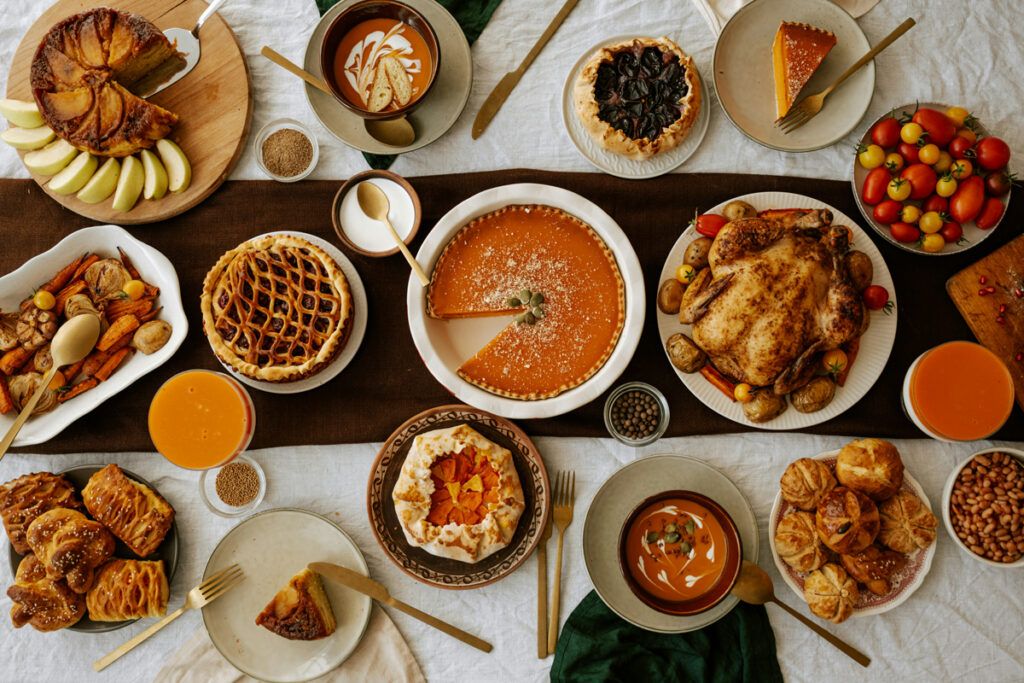
Your memories also influence taste. A food shared during holidays, family dinners, or celebrations can develop positive emotional associations that make it taste better the next time you encounter it. Everyday social contexts matter, too — Some people may begin to enjoy the taste of coffee because of its associations with the routines of adult life. (Its brain-boosting caffeine probably doesn’t hurt, either.)
Of course, our mouths also play a role in the development of our palate. Babies are born with about 10,000 taste buds, but the number in good working order decreases as we age. Think about how, over time, the bristles on a broom become less effective as they wear down and lose shape. A new broom, with a thick, stiff brush, will be much better for sweeping.
Similarly, all those taste buds in tip-top shape means that flavors can be ecstatic for kids — or unbearable, depending on the meal. But, those extremes become much less pronounced by the time we hit middle age, making foods such as broccoli, Brussels sprouts, and coffee seem milder and easier to appreciate.
We simply don’t experience the same levels of bitterness as much as children. That’s why we also may start craving stronger or spicier flavors than we could have handled as tots.
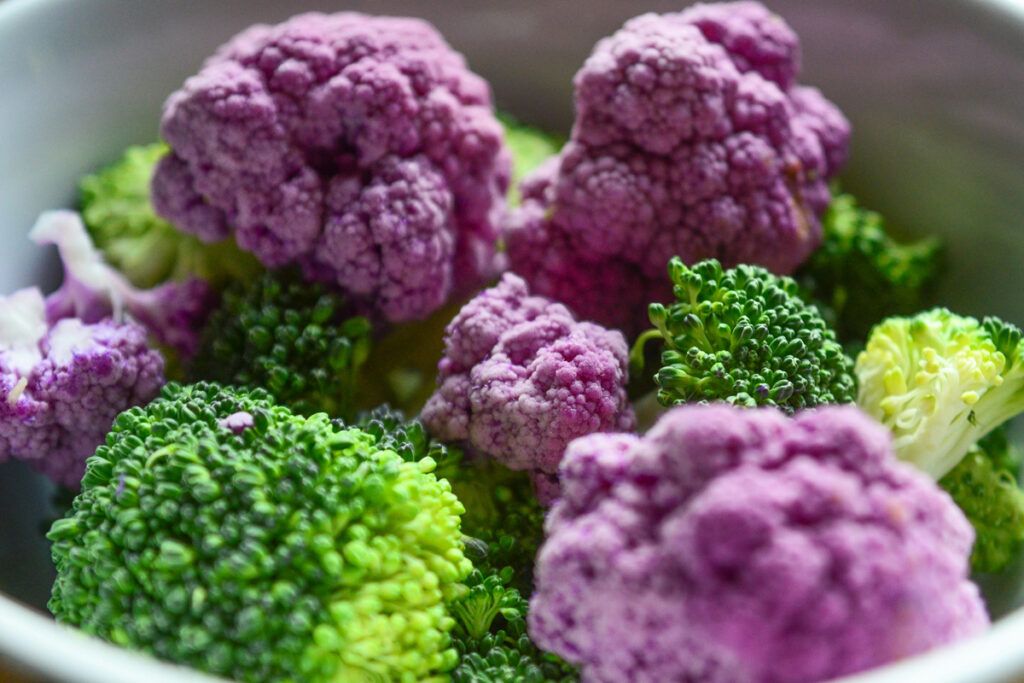
Even your mouth’s microscopic residents may contribute to taste. Researchers have found that bacteria living in saliva can produce sulfur-smelling compounds from vegetables like broccoli and cauliflower. Some children’s saliva naturally produces more of these unpleasant aromas, making these vegetables taste especially off-putting. As people grow older, however, the bacteria living in their mouths can change, reducing such odors.
Science is all about experiments, so, next time you’re eating out, put your newfound knowledge of taste to the test. Try something from the menu you’ve never liked, even for decades, and give it another go — maybe this time you’ll find it delicious.
(Except cilantro. There’s nothing you can do about that.)
Our sensitivity to bitter flavors, such as those found in broccoli, possibly evolved as a defense to protect children from toxic foods. It decreases with age, as the brain learns through repeated experience that once-avoided foods are actually safe — and enjoyable. Worn out taste buds, bacteria living in the mouth, and even memories can also reshape tastes over time.
Short Answer