HEALTH
Why Does the Body Age?
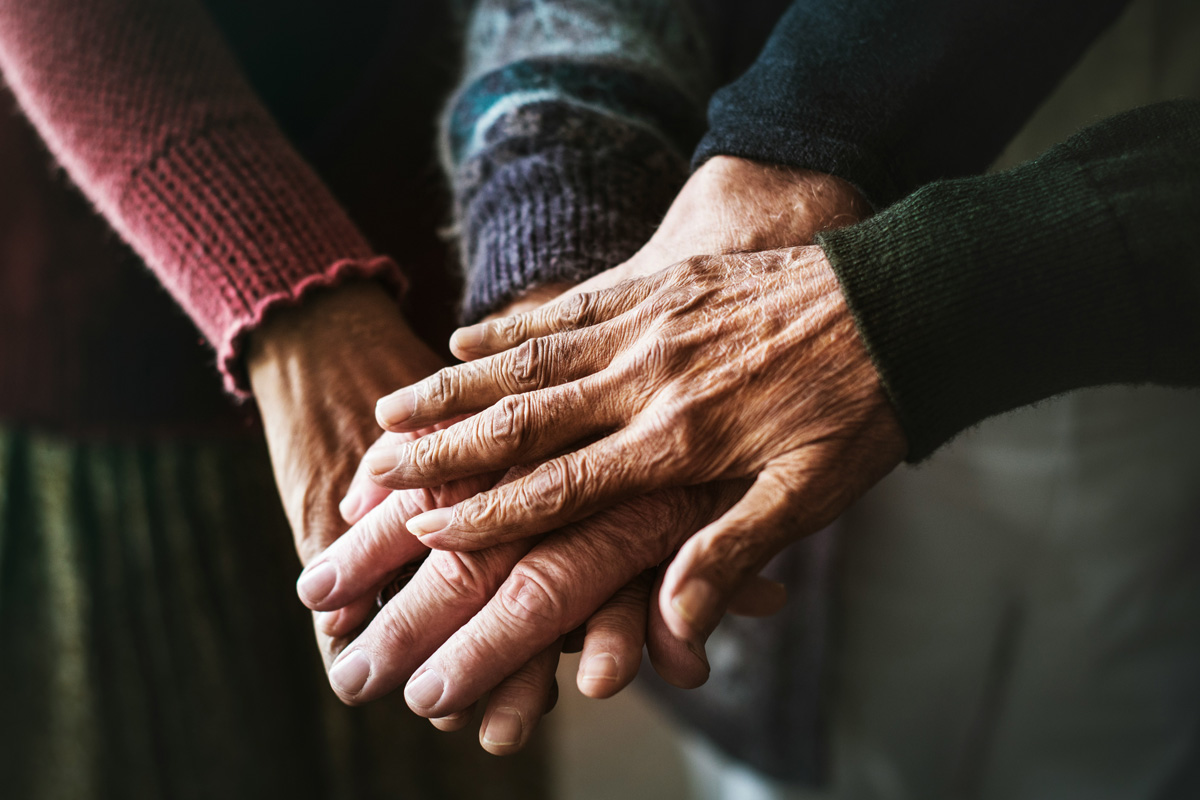
At some point, birthday candles stop being the only evidence that another year has passed. Hair silvers, skin gets more character, and recovering from a late night becomes a multiday project. The signs of aging happen to everyone who lives long enough, even if some seem to hide it better than others.
Yet aging isn’t as easy to explain as you might expect. After all, the human body is constantly repairing injuries and fighting off threats — a cut on your hand may be gone within a week, with no scar, and you’d never even know it was there. So why can’t your body keep restoring itself indefinitely?
When the Repair Crew Falls Behind
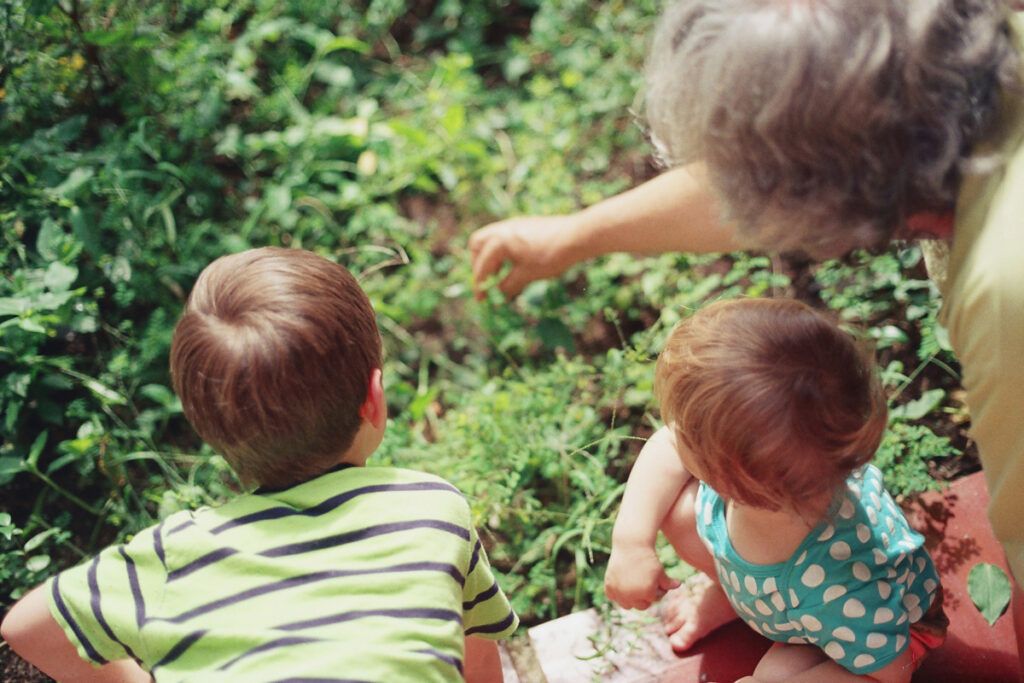
There are really two ways to think about this puzzle. The first is almost existential: Why does aging have to happen at all? If evolution is driven by natural selection — survival of the fittest — why would organisms in nature develop processes that eventually make them weaker?
The answer is that aging is a trade-off. Aging probably arose as a side effect of evolution, rather than a helpful feature. Natural selection strongly favors traits that help organisms survive and reproduce: Giraffes grew long necks to reach food that other animals couldn’t; bats living in the dark learned to see with their ears.
But its influence weakens later in life, because these traits merely improve your ability to reproduce, not live forever. Once an animal has reproduced, evolutionarily speaking, its job is done. You can keep doing what you’re doing, or retire early, or start wrestling lions for fun — evolution doesn’t care at this point.
As a result, genes that may lead to issues at older ages are passed on rather than gradually weeded out. Evolution may also favor genes that provide an early-life advantage even if they cause trouble later on — a bit like accepting a great introductory offer that will eventually jack up the interest rates down the line.
The second riddle is how aging happens: What actually causes our bodies to gradually lose vim and vigor? This question is so complicated that by 1990, one researcher had already counted more than 300 theories. Today, scientists generally think that aging results from numerous biological processes that overlap and interact.
One important factor is accumulating damage to our DNA, the molecule that contains our genetic instruction manual. DNA is a chain of chemicals — you can probably picture its double-helix shape. This chain is constantly disrupted by sunlight, chemicals, and even ordinary activity inside cells, leaving it sort of like a zipper with disjointed teeth that starts snagging.
By one estimate, this damage happens a million times a day. The body mops up most of this damage — a sunburn (which is severe damage to your skin’s DNA) will fade, for instance. But the body’s maintenance systems aren’t perfect. Over many years, unrepaired errors can build up, interfering with cells’ ability to do their jobs.
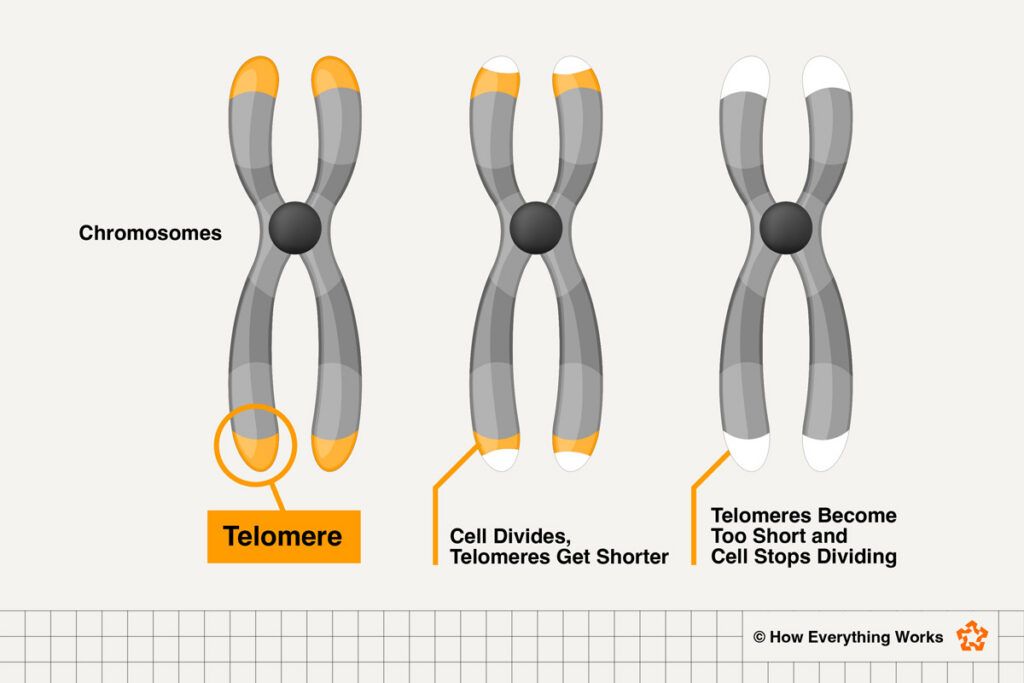
Some research has focused on the role of telomeres, the protective caps at the ends of chromosomes. Telomeres are often compared to the plastic tips on shoelaces because they keep chromosomes from becoming damaged or tangled. Every time a cell divides, however, the telomeres become a little shorter. When telomeres become too short, a cell stops dividing.
Some cells that stop dividing die, while others enter a state called senescence. These “retired” cells don’t always relax quietly: They may release substances that promote inflammation and harm neighboring cells. As senescent cells accumulate, they can interfere with the functioning of tissues and organs.
Other age-related changes affect mitochondria, the tiny structures inside cells that produce energy. As mitochondria become dysfunctional, they can disrupt several processes that cells need to work properly. Additionally, the body’s stem cells — which produce fresh cells for muscles, blood, skin, and other tissues — can also become depleted or less effective. Meanwhile, age-related changes can affect which genes cells turn on and off, sometimes causing them to follow the wrong instructions at the wrong time.
None of these processes operates alone. Aging is less like a single clock counting down and more like a repair crew gradually falling behind as small problems pile up. Genetics, environment, lifestyle, and chance all help determine how quickly that happens — which helps explain why growing older looks different for everyone.
Aging happens as damage and other changes accumulate in our cells and DNA, making the body less effective at maintaining and repairing itself. Because aging mostly occurs after an organism reproduces, species haven’t evolved ways to slow it down or stop it.
Short Answer