HEALTH
Why Do You Forget Your Dream Right After Waking Up?


You’ve just survived a shipwreck, reunited with your childhood dog, and discovered a secret room behind the refrigerator. Then, you wake up. For a few moments, the entire adventure seems perfectly clear, as if it actually happened just a few seconds earlier. But as you reach for your phone or start thinking about coffee, the details dissolve.
Dreams can occur during any stage of sleep, although the longest and most vivid are often associated with rapid eye movement (REM) sleep. If you wake up during or immediately after REM sleep, you have a better chance of remembering what you were dreaming. But even then, the memory can vanish almost instantly.
Dream memories are notoriously fragile, and scientists are still teasing out exactly why. The answer likely has to do with what our brains are good at doing while we’re asleep — and what they’re not so good at.
Written in Disappearing Ink

In order to remember something, you have to do more than just experience it. For a memory to stick, your brain has to transfer that experience from the moment you’re having it into your brain’s storage vaults, metaphorically speaking. Otherwise, no matter how distinctive or fascinating the event may be, it will remain only a fleeting blip.
While we’re asleep, our brains do a fantastic job of generating vivid, rich, bizarre, and sometimes emotionally intense narratives. You might find yourself having a heartfelt conversation with a late relative, for example, or accepting an award from a roomful of raccoons. But the sleeping brain doesn’t do such a great job at reliably encoding those internally generated narratives as long-term memories.
One possible reason has to do with neurons found deep inside the brain. During REM sleep, brain cells that produce a molecule called melanin-concentrating hormone (MCH) become especially active. These cells send signals to the hippocampus — a part of the brain that helps form memories — that appear to reduce its activity.
In a 2019 mouse study, activating these MCH-producing neurons worsened the animals’ memory of information they had learned while awake. The researchers speculated that MCH activity might similarly prevent dream content from being stored in the hippocampus, causing it to be quickly forgotten. It’s a bit like someone deliberately disabling the “save” function in an application on your computer, or covering your filing cabinet with tape so you can’t pry it open.
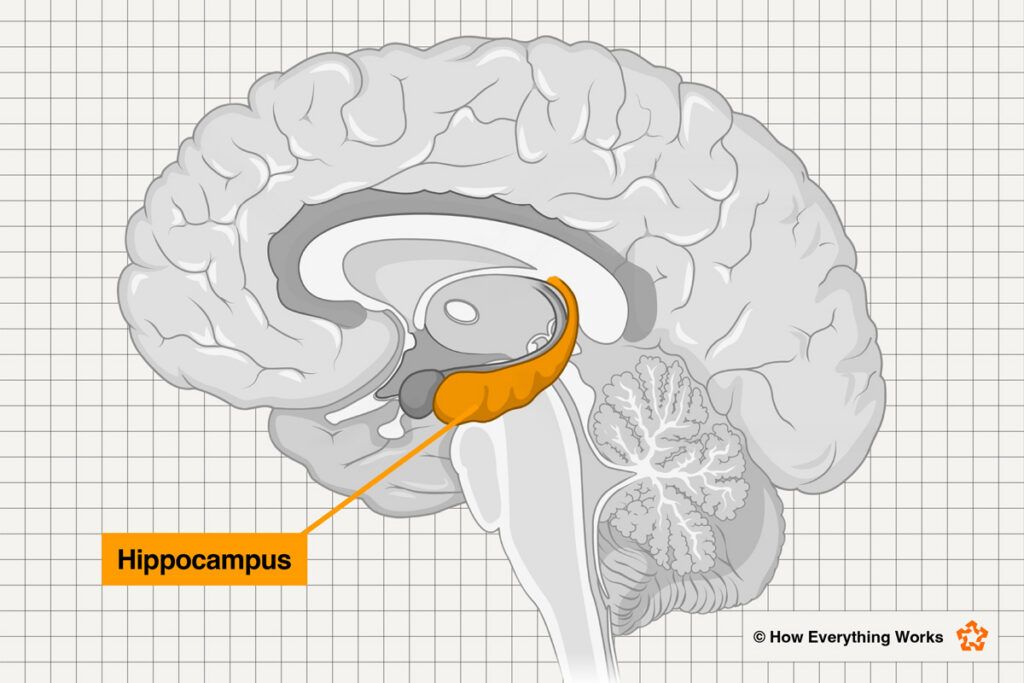
Another biochemical called norepinephrine may also play a role. While you’re awake, it helps the brain pay attention to important experiences and turn some of them into lasting memories. During REM sleep, however, the neurons that supply most of the brain’s norepinephrine become almost completely silent (almost as if they need a good night’s sleep themselves).
Conversely, levels of another chemical neurotransmitter called acetylcholine are high during REM, keeping the brain active enough to produce vivid scenes, sounds, and emotions. This combination might be part of what allows dreams to feel so real without making them easy to preserve.
These mechanisms probably only tell part of the story, since other parts of the brain also work differently while we’re asleep. Dream recall also varies considerably from person to person. Some people rarely remember dreaming, while others regularly recall several dreams a night.
What happens right after waking matters, too. If you want to better recollect your dreams, try taking a few minutes after you wake up to deliberately recall them — you may be glad you did. That dream that was hard to remember may turn out to be unforgettable.
Scientists don’t know exactly why dreams disappear from your waking mind so quickly, but several mechanisms likely contribute, including the unique biochemistry of the brain during REM sleep — the stage when most dreaming occurs. The levels of certain neurotransmitters and hormones increase while others decrease, allowing the brain to produce vivid dream experiences but hindering its ability to form and store memories.
Short Answer