HEALTH
Why Do We Hiccup?


You’re halfway through dinner when — hic! — it starts. Then another: Hic! And another. Before long, everyone at the table is offering you a cure. Hold your breath. Drink from a straw while plugging your ears. Wait for someone to jump out and scare you.
Hiccups are one of the body’s odder reflexes. You can’t will yourself to have them, nor can you force them to stop. They’re involuntary, and you’re at their mercy. If you’re lucky, they don’t happen often, even though the muscle behind hiccups is one you use every few seconds.
What Happens During a Hiccup?
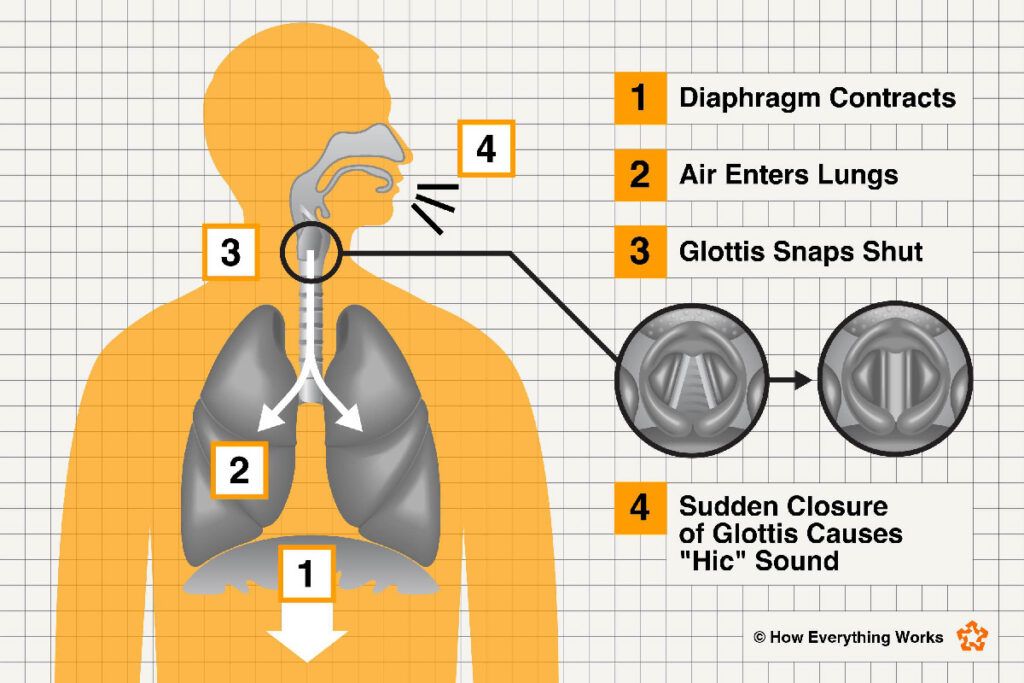
Hiccups are spasms of your diaphragm, a dome-shaped sheet of muscle and tendons that sits beneath your lungs. When you breathe in, it contracts and flattens downward, giving your lungs room to expand. When you breathe out, it relaxes and rises back up into a dome.
A hiccup interrupts that routine. Your diaphragm suddenly contracts, pulling a quick gulp of air into your lungs. Almost instantly, your glottis — the opening between the vocal cords — snaps shut. That sudden closure is what makes the familiar “hic” sound. If you imagine your diaphragm like a drum, hiccups are as if an invisible musician keeps hitting that drum.
Exactly what sets off the spasm isn’t always clear. Scientists do know that hiccups involve a reflex path of nerves that connects the brain and diaphragm. These nerves — which include the vagus nerve and phrenic nerve — are responsible for involuntary functions, such as managing your heart rate and digestion. It’s believed that when one or more of these nerves connected to your diaphragm are irritated, they signal the muscle to contract. Hic!
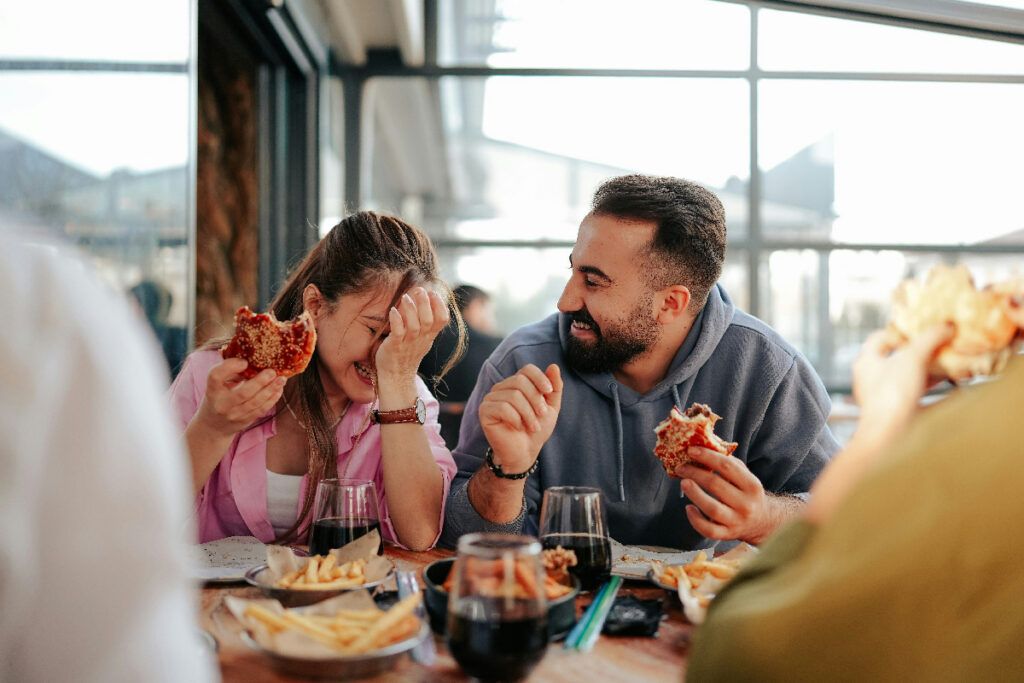
Eating is a common trigger. A big meal or eating too quickly can stretch your stomach, while fizzy drinks can add extra gas. Alcohol, sudden temperature changes, swallowed air, excitement, and stress can also bring on a bout. That’s why hiccups have a way of showing up at dinner, at parties, or right after you chug a soda.
Most bouts fade within a few minutes, whatever cure your family swears by. That said, there’s some scientific basis for certain hiccup remedies. Holding your breath, for instance, can raise the carbon dioxide level in your blood, which has been linked to fewer hiccups. Sipping cold water, meanwhile, may stimulate the nerves involved in the reflex. Still, the evidence is mostly anecdotal, and no trick is proven to work every time. (That includes being startled or using a specially designed hiccup straw.)
Hiccups aren’t always harmless, though. A bout that drags on past 48 hours is considered persistent and can occasionally point to an underlying medical issue, such as more serious irritation or damage to the nerves involved in the reflex. Mayo Clinic recommends seeing a health care provider if that happens, or if hiccups get bad enough to interfere with eating, sleeping, or breathing.
But the hiccups you get after inhaling dinner too fast? Those will probably be gone before everyone finishes explaining how to cure them.
Hiccups are involuntary spasms of the diaphragm, the muscle beneath your lungs that helps you breathe. The spasm pulls in a quick gulp of air, and the opening between your vocal cords quickly closes, making the familiar “hic” sound. Big meals, fizzy drinks, alcohol, swallowed air, and excitement can all trigger the nerves that signal your diaphragm to spasm.
Short Answer