TECHNOLOGY
9 Jobs That Don’t Require People Anymore
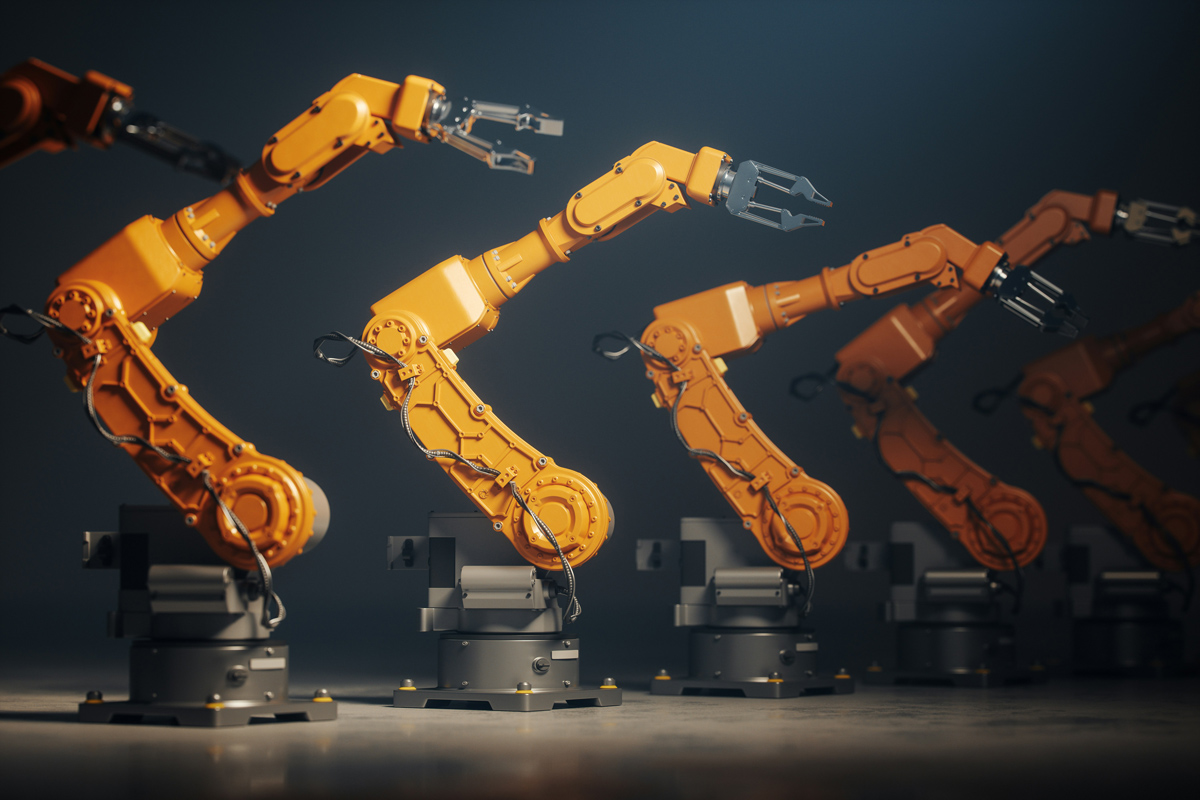

Robotic arms have been a staple of assembly lines since the 1960s, but the 21st century has seen a whole new level of automation. Robots aren’t just mechanical arms anymore; they’re powered by artificial intelligence and capable of much more than before.
An increasing number of jobs are becoming automated: Everything from fry cook to claims adjuster can be handled by robots and AI nowadays, with more professions being taken over each year. Here are nine jobs that no longer require humans to do them.
Warehouse Worker
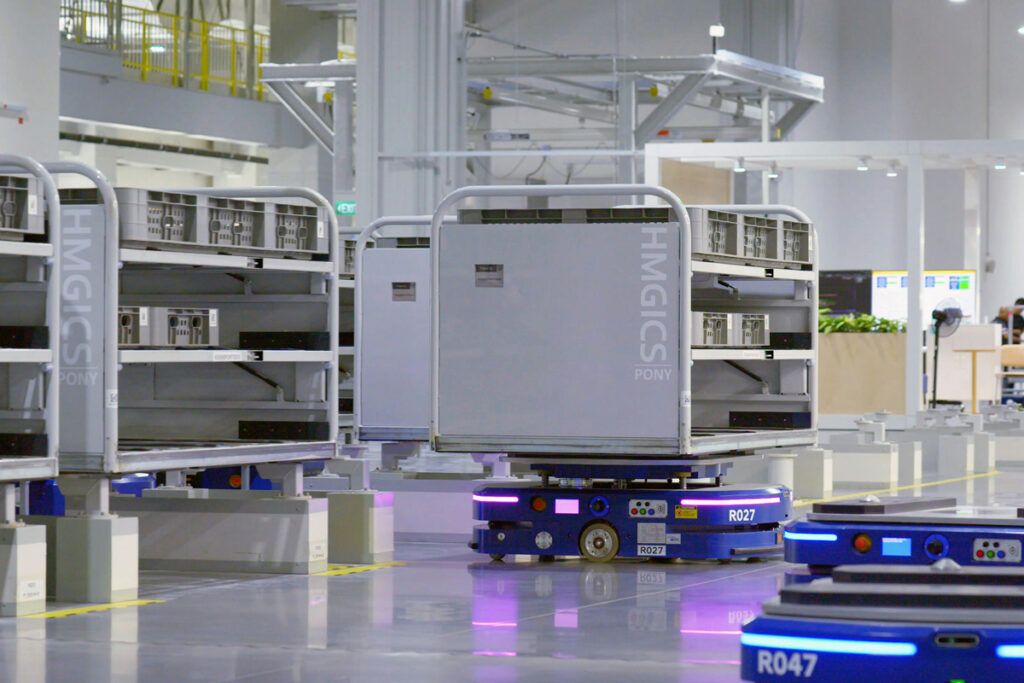
The rise of e-commerce and rapid delivery has spurred the widespread automation of warehouses. Twenty years ago, a single warehouse could employ hundreds of laborers who tracked and moved inventory through the system. Today, Automatic Identification and Data Capture (AIDC) software is often used instead, able to scan the barcodes of everything entering and leaving a warehouse.
The most advanced facilities take things a step further by using robots for manual labor, such as moving pallets or stacking crates. But these aren’t just automated arms and forklifts — some warehouses even employ humanoid robots that use hand gestures and other signals to tell their human coworkers what they’re up to.
Customer Service Agent
Click the “Help” button on most websites and you’ll likely find yourself chatting with an AI customer service agent — even if you don’t realize it. These agents, otherwise known as chatbots, run around the clock and reduce wait time.
The simplest models may just direct you to a list of troubleshooting tips and frequently asked questions, but more advanced chatbots may be indistinguishable from humans. (However, you can often ask one to connect you with a human agent if you’re unsatisfied with its help.)
Taxi Driver
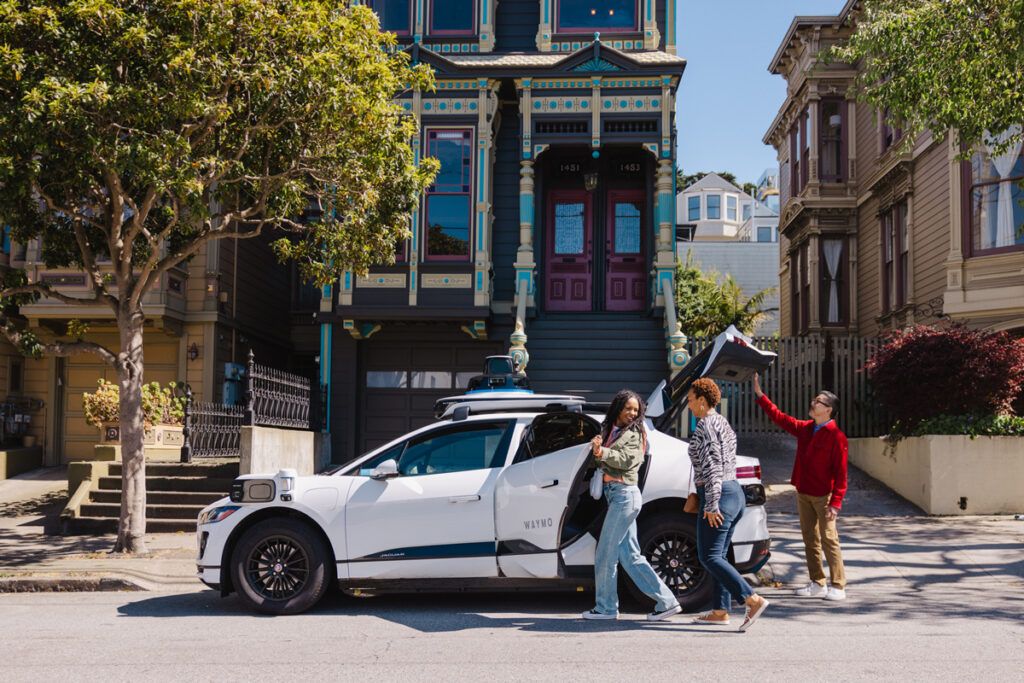
Twenty years ago, the prospect of robotaxis ferrying you through a major metropolis would’ve sounded like science fiction, but fleets of robotaxis are gradually populating the roads of major cities. Waymo, for instance, is a Google-owned service that works much like Uber, Lyft, and other rideshares — except with no human drivers.
Its vehicles include Jaguars that avoid fender benders by using lidar (Light Detection and Ranging), invisible lasers that generate a 360-degree map of their surroundings. This self-driving technology is also becoming more and more incorporated into privately owned vehicles that you can drive (or, rather, that drive themselves) right off the lot.
Office Worker
A large bulk of office work involves data entry and filing mail, invoices, and work orders. Twenty years ago, these tasks were performed by people. Today, many offices use Robotic Process Automation (RPA) bots to perform these repetitive tasks more efficiently. Scores of companies of all sizes also deploy AI to draw up contracts, build web applications, and even interface with customers (hello again, chatbots!).
Farmer
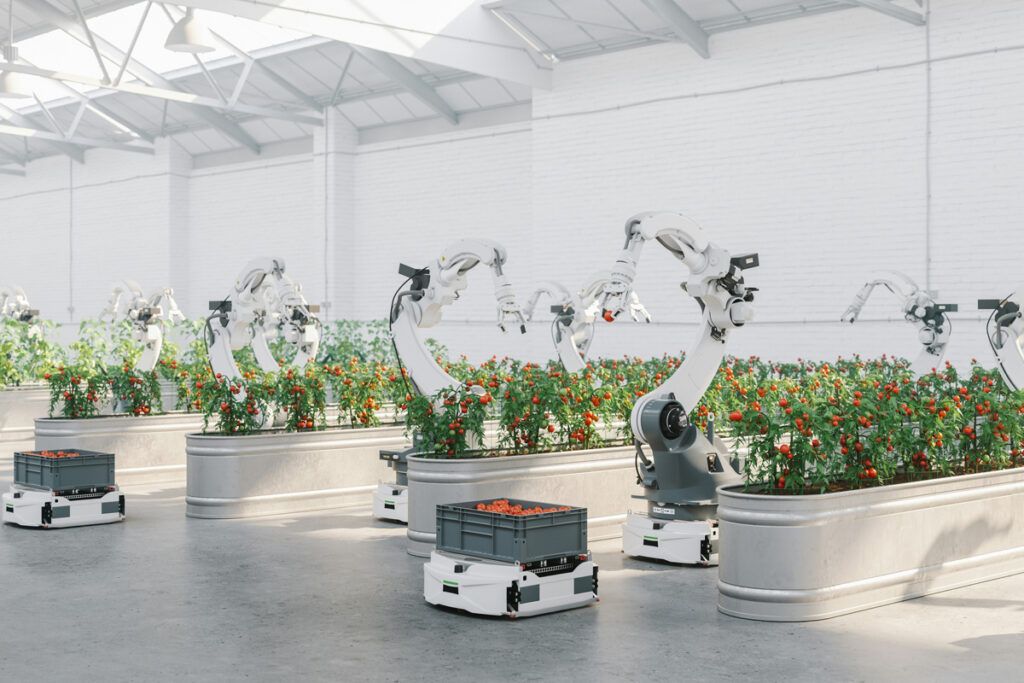
Modern farms look nothing like those of past centuries, and it’s becoming more common for huge, self-driving combines to move up and down fields while they perform the harvesting. Some automated farm equipment can cut through wheat and corn stalks like butter, while other machines are capable of picking something as small and fragile as a raspberry without crushing it. Robotic farmers can even decide for themselves when to harvest a fruit, determining its ripeness by color.
Fry Cook
Gone may soon be the days of fry cooks earning their stripes by getting splattered with hot oil, thanks to culinary robots such as Flippy, White Castle’s automated line cook. Semiautonomous machines are being employed by fast-food joints across the U.S.
Each machine has its own specialized skill, such as managing fry hoppers, making tortillas, or mixing salads. Efficient as they are, these robo-cooks must still work in tandem with human teams rather than outright replacing them — at least for now.
Claims Adjuster

A fender bender may occur in less than a second, but dealing with the insurance afterward can take much longer. To speed things up, many insurance carriers, such as Progressive, Geico, and State Farm, are beginning to use AI to automate the claims process. For example, rather than speak with a human claims adjuster who decides who is at fault and how much damage is covered by your policy, you may be able to use the carrier’s app instead.
This is typically done by uploading photos of your damage and describing the incident, which AI software analyzes. You then receive your claims estimate in hours or possibly minutes — without ever talking directly to a human agent, with research showing that completing the process is 75% faster than before. For now, this is generally only used for small claims — though that may change as the insurance industry increasingly relies on automation.
Interpreter
Tech giants such as Google and Apple have deployed apps that work directly with your earbuds to verbally translate dozens of languages in real time. Using Google Translate can make it much easier to order lunch in a Parisian restaurant while on vacation.
The technology is used for more than just personal convenience, though. Interpreters once used in various industries and settings — by journalists working abroad and health care workers communicating with patients, for instance — have already been replaced by this software in some cases.
Cleaner and Landscaper
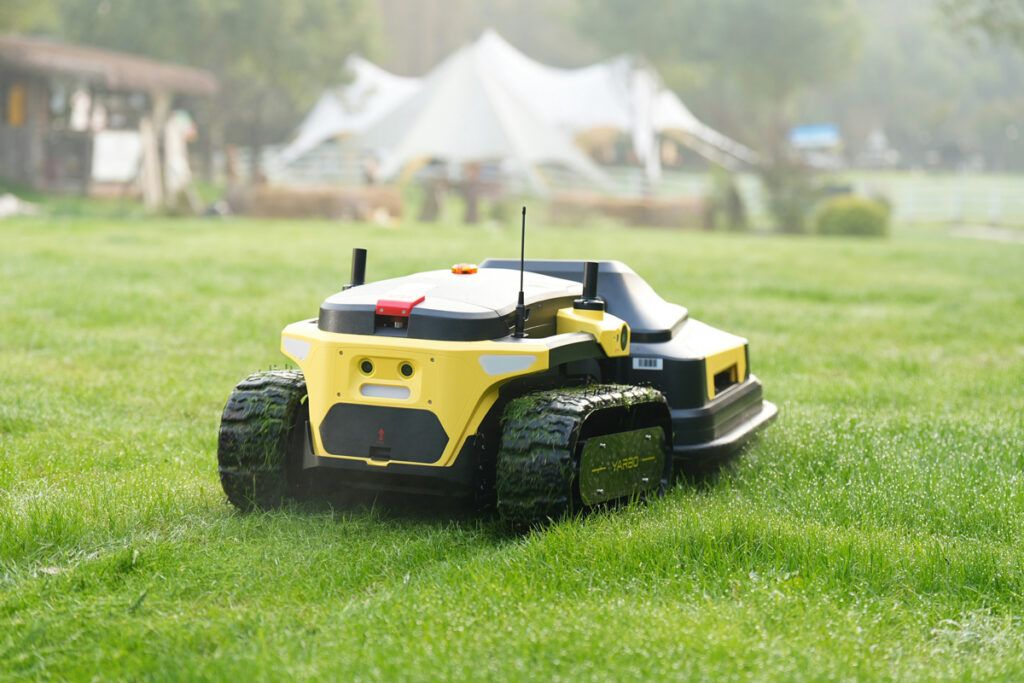
Can you believe Roombas have been around since 2002? When they first came out, these little automated vacuums were better at getting stuck in corners or under furniture than they were at cleaning. However, engineers have had more than two decades to refine and improve the technology, and today many robot vacuums navigate by using 3D mapping and AI — similar to what’s used by self-driving cars.
The gadgets also do more than just vacuum nowadays. Many models mop and clean out their own tanks, as well, and can even identify objects such as socks or toys. Not only can they avoid this clutter, but some also have robotic arms that can pick it up and put it away for you. As features like these advance, robot vacuums are gradually becoming more versatile robot maids.
Just as tasks inside your home are becoming automated, so are landscaping jobs outside it. Similar to automated vacuums, robot lawn mowers move around your lawn, trimming the grass along the way. They’re designed to avoid obstacles so that they don’t accidentally cut toys or garden tools, and they use GPS to stay on your property — even if you don’t have a fence.