HEALTH
Why Do You Wake Up With Eye Crust?


Most mornings, we wake up to a tiny bit of sleep crust in the corners of our eyes. It wasn’t there when we went to bed with a freshly washed face, so why does it return, morning after morning, nap after nap?
While it’s perhaps not the most fresh-faced way to start the day, it’s perfectly natural. There’s also a name for it that’s a lot less gross-sounding than eye gunk: rheum.
Keep Your Eyes Peeled
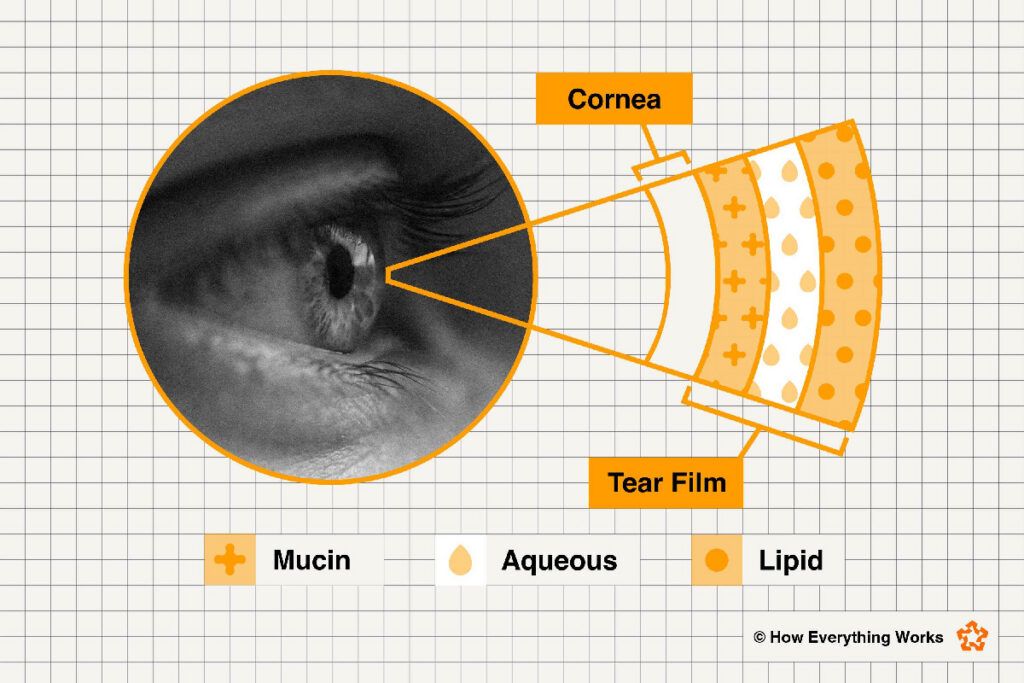
Rheum is a mixture of mucus, skin cells, oils, and tears. These are all normal substances found in a healthy eye. So why do they accumulate at night?
During the day, adults blink around 900 to 1,200 times an hour (though reading or looking at screens can decrease this number). Blinking spreads moisture across the eye’s surface to maintain the tear film, a thin liquid layer rich in oxygen and nutrients that helps focus light while providing protection and lubrication to the eye.
Blinking also clears debris, which can include dust, eyelashes, dead skin cells, dried tears, or anything else that might build up throughout the day. Think of your eyelids as wipers spreading washer fluid across your car’s windshield: As long as they’re in motion, you’ll have a clear view, no matter how much dirt is flying your way.
When you go to sleep, your eyes remain closed all night, which means you’re not blinking at all. Your tears — along with whatever debris they’ve collected — naturally flow toward drainage points in the inner corners of your eyes called puncta. This makes the corners a natural spot for rheum to build up overnight.
The amount may vary from person to person, or even from season to season. If your eyes are irritated due to allergies, for example, you might wake up with more rheum than usual.
Most of the time, it should wash away in the shower or with a washcloth soaked in warm water. It’s not advised to rub your eyes, as doing so can introduce bacteria.
When Is It Not Normal?
If there’s an exceptional amount of rheum, it could indicate conditions such as dry eyes or blepharitis, a chronic inflammation of the edges of the eyelids. Blepharitis has several causes but can often be treated with medication or daily eye hygiene, such as cleansing the lids with special wipes.
If the crust is an unusual color or viscosity, that can signal an infection. Bacterial conjunctivitis, also known as pink eye, can cause sticky gray, yellow, or green discharge. Viral conjunctivitis can cause a watery white or yellow discharge. Both are contagious. Allergic conjunctivitis, or inflammation of the eye lining, is caused by an immune response to an allergen and is not contagious.
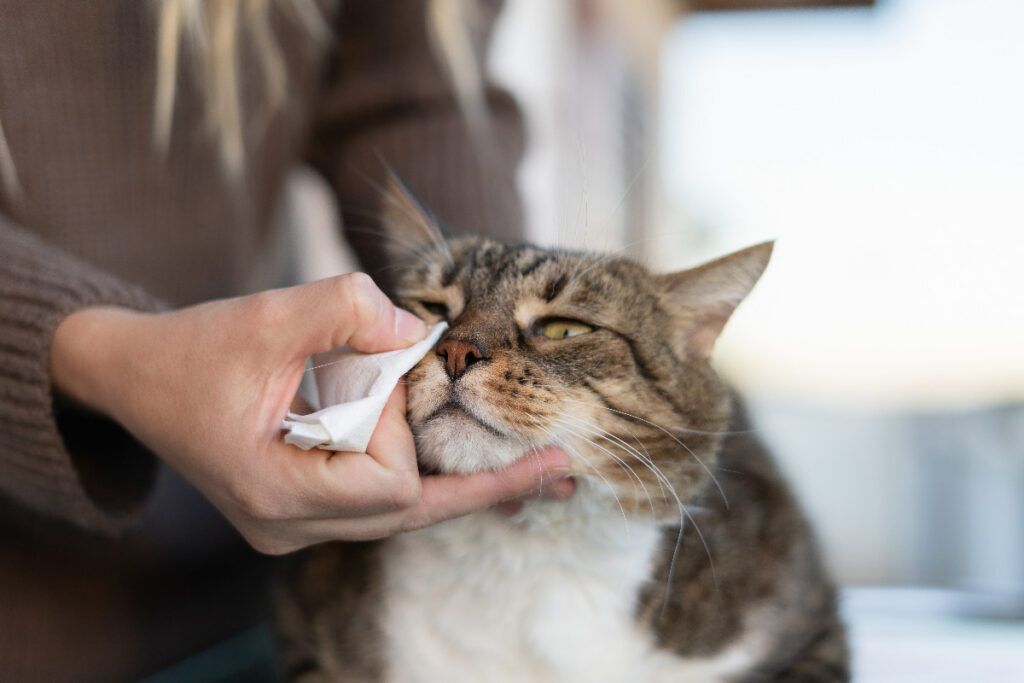
Humans aren’t the only ones who get eye crust. Dogs and cats also experience this. You can help out your pet by cleaning their eyes with a washcloth soaked in warm water. As with humans, discharge is not a cause for concern unless it’s yellow or green in color, or accompanied by other symptoms. If your pet is experiencing redness, squinting, or pawing at their eyes, it may be time to see a vet.
Eye crust, or rheum, is a natural, normal buildup of mucus, oils, skin cells, and tears that accumulates when we’re not awake to blink it away.
Short Answer