CULTURE
Why Does Beer Get ‘Skunked’?

Beer lovers agree: Nothing tastes more refreshing than a cold brew on a sweltering day. That’s not the case for beer left sitting out in the summer sun, though — one stale sip and you may decide it’s “skunked.” While it’s true that heat isn’t beer’s friend, and can leave it tasting flat and cardboard-like, that’s not the same as skunking.
The real skunking culprit is something else that coincides with a sunny day. “Skunked” isn’t solely a colorful insult for bad beer either; the term is surprisingly literal.
Don’t Let There Be Light
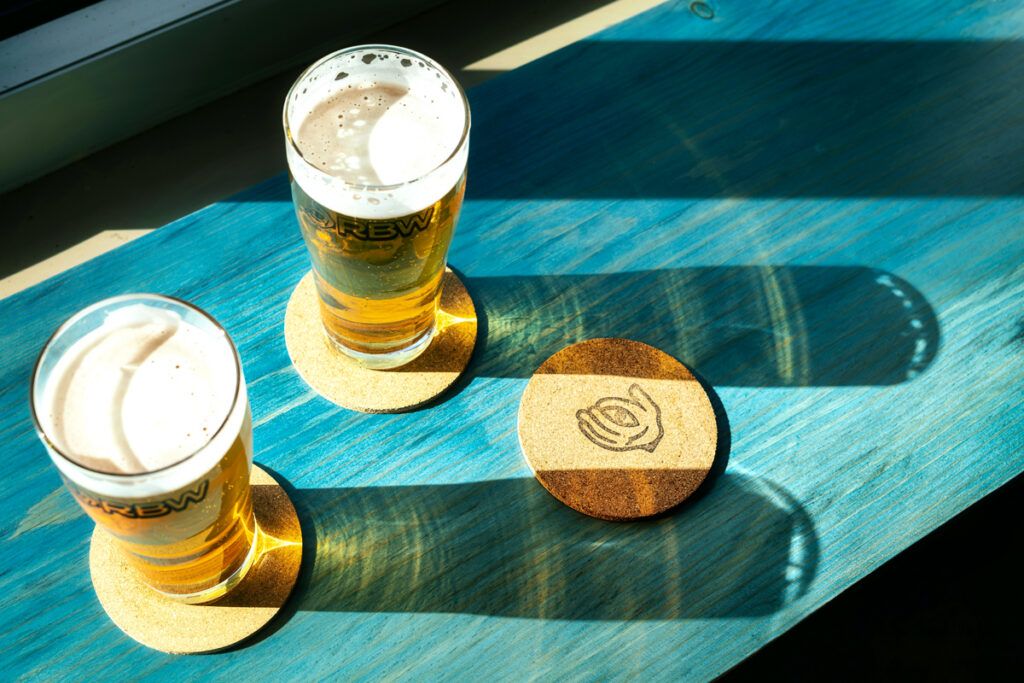
First, let’s clear up a common misconception: Not only is skunking unrelated to heat, but it’s also not due to temperature swings. Letting a straight-from-the-fridge beer warm up, then chilling it back down doesn’t skunk it up.
Heat is mistakenly associated with skunking because it can affect the taste of beer by accelerating oxidation. When oxygen reacts with compounds in beer, it creates a chemical called trans-2-nonenal, which turns beer flat and makes it taste like wet cardboard. But skunking is a different reaction entirely, as it leaves a different taste and has a different origin — it’s triggered by light. (Perhaps you’ve heard skunking called by its technical term, “lightstruck.”)
Here’s how skunking works. Hops, the small green flowers used to brew beer, are used to add bitterness to the overall flavor to help balance out natural sugars. This bitterness comes from compounds in the hops called isohumulones. When those compounds are hit with ultraviolet (UV) light, they break apart. This light can come from the sun (since you’re likely not rubbing SPF 50 on your beer bottle), as well as the fluorescent lights used in the stores that sell the beverage.
The fragments of broken-down isohumulones then react with trace amounts of sulfur, which are also naturally present in beer. Together, they form a new molecule called MBT (3-methyl-2-butene-1-thiol). MBT, which can form in mere minutes in intense sunlight, is what your nose recognizes as “skunk.”
Humans are extraordinarily sensitive to MBT. Our sense of smell can detect it at parts-per-trillion concentrations — roughly the equivalent of detecting just one millimeter diluted in an Olympic-sized swimming pool.
The term “skunked” isn’t a coincidence, either. MBT is chemically similar to the compound in skunk spray. Our sensitivity to the chemical is why you can often smell a skunk from down the street and why getting blasted with a full dose can be so traumatizing. So, when someone says a beer smells “skunked,” they’re not exaggerating.
Because sulfur is also related to certain toxins and spoiled food, humans have evolved to find it distasteful .That said, skunked beer may leave a bad taste in your mouth, but it can’t make you sick, as MBT isn’t harmful to your body.
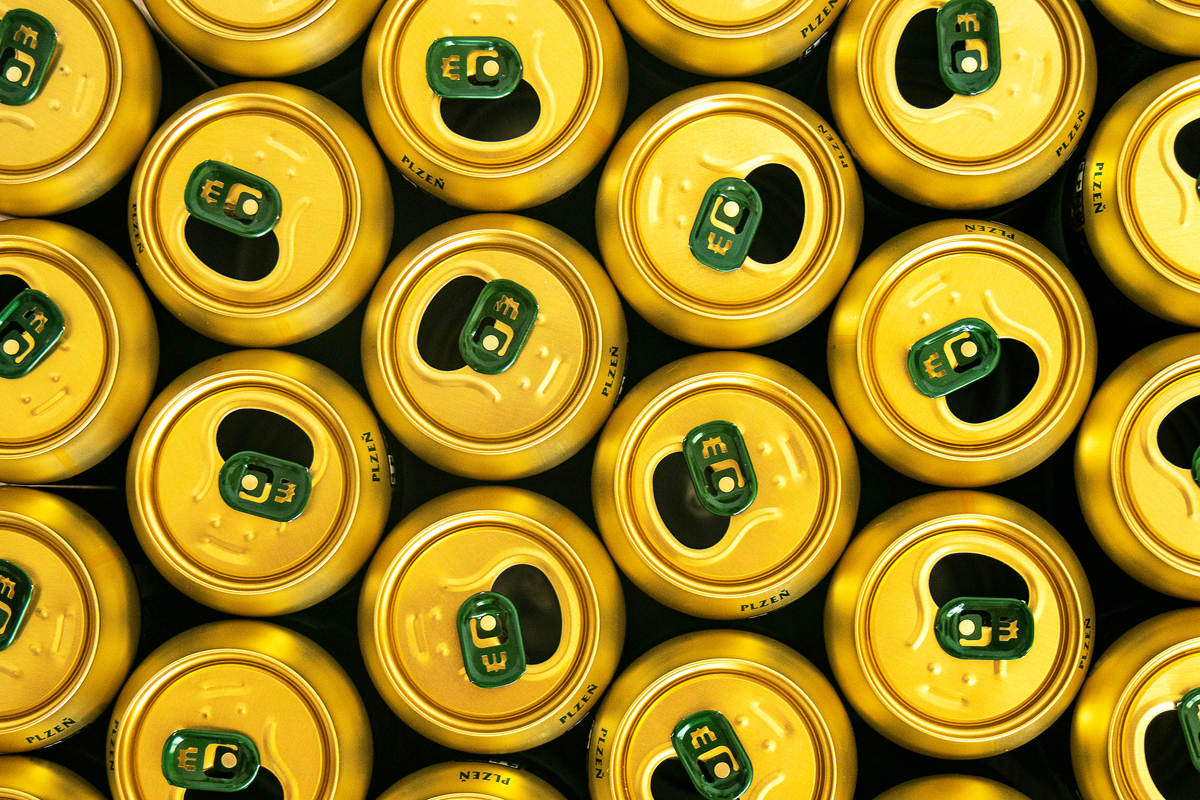
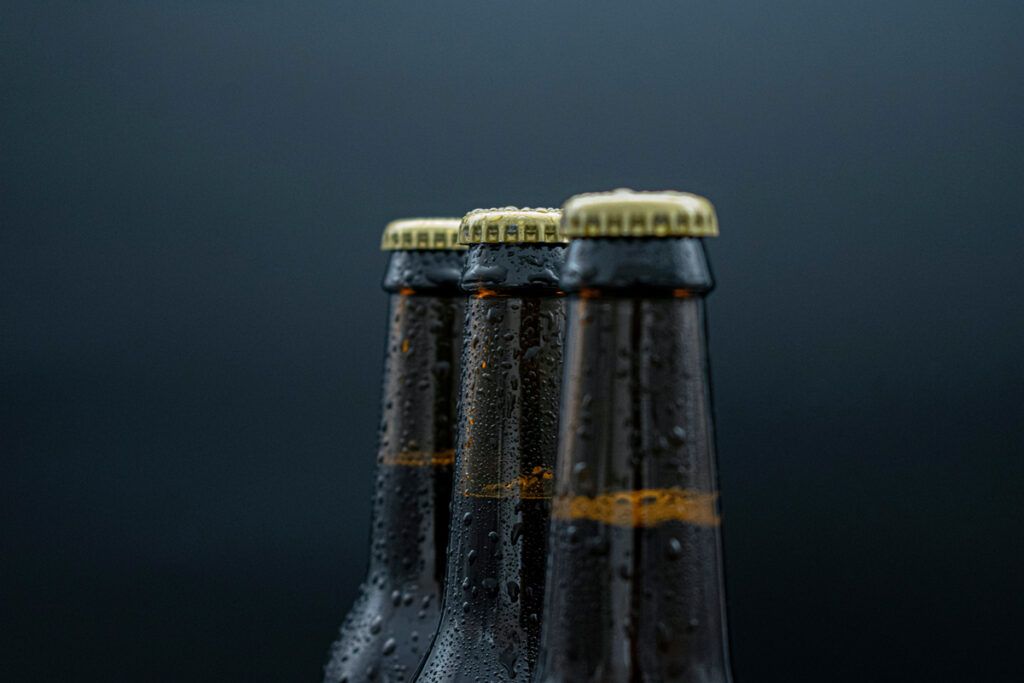
Beer brewers and manufacturers are very aware of how skunking occurs. This is why you don’t often find beer in clear glass bottles, which provide no light protection. The industry standard is brown or amber glass, which blocks up to 99% of the UV light that triggers the skunking reaction. Green glass, associated with some famously “skunky” imported beers, only blocks about 20%. The most foolproof packaging? Aluminum cans, which block light entirely.
Next time you crack open a cold brew, remember that the packaging isn’t solely an aesthetic choice — it’s protecting the beer from a chemical reaction that gives “skunked” its apt name.
Beer gets “skunked” when UV light triggers a chemical reaction between two ingredients in beer: hops and sulfur. A molecule called MBT forms that provides the foul taste and smell — it’s chemically similar to actual skunk spray and humans are very sensitive to perceiving it. This is why brewers use UV-blocking brown glass or aluminum cans to prevent light from creating MBT.
Short Answer