HEALTH
What Do the Two Numbers In Your Blood Pressure Mean?


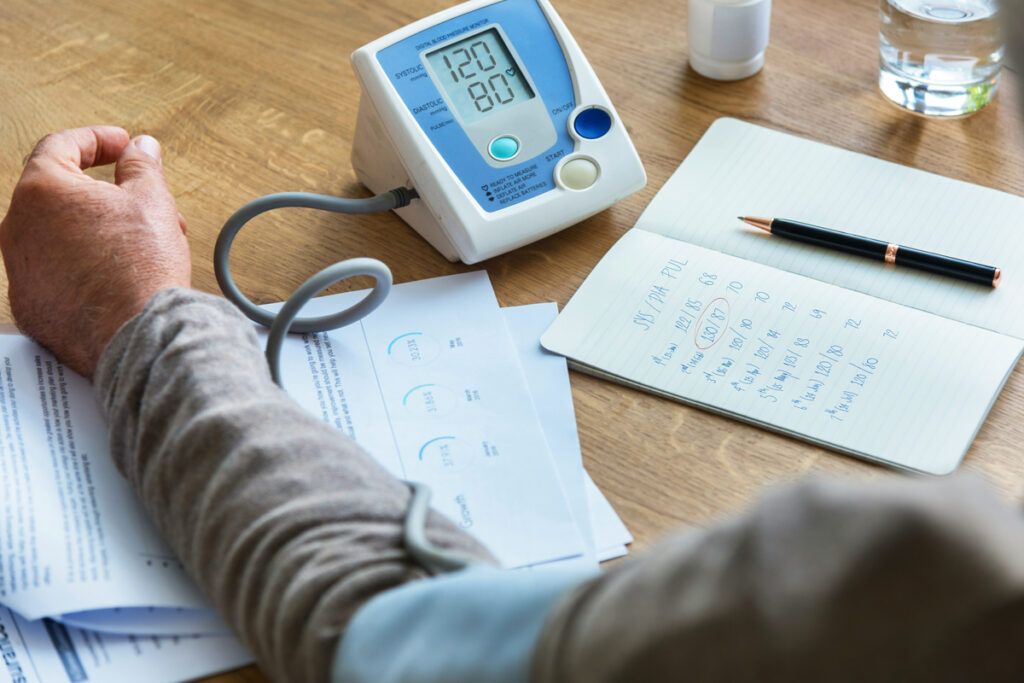
When you visit the doctor for a yearly checkup, pre-op appointment, or really anything else, one of the first things you can expect they’ll do is check your blood pressure. And when they do, you’re given two numbers as a result (X over Y).
The top number is your systolic blood pressure, and the bottom is diastolic — but what do they actually mean, and what information do their ranges give about your health?
Systolic vs. Diastolic Numbers
A full heartbeat consists of multiple steps, all occurring within about a second for a heart rate of 60 beats per minute (a normal resting heart rate for adults). The heart muscle contracts to squeeze blood into and through your arteries, like how you squeeze a turkey baster to pump drippings. The heart then momentarily relaxes as more blood comes in so that it can squeeze again, which would be the start of the next heartbeat.
Your blood pressure has two numbers because they are measurements of the same artery at two different times within the span of that one second. The first, or top, number is your systolic blood pressure. This represents how much pressure your blood is pushing on your artery walls as your heart is squeezing. As blood is pumped, healthy arteries stretch and expand before settling back into shape.
The second, bottom number is your diastolic blood pressure, taken while the heart muscle is relaxed. This “relaxed” period is the silence you hear between two heartbeats (which is why your heart has less time to relax when your pulse is high). Like the top number, the bottom number also represents the pressure your blood exerts onto your artery walls, though at this point they should also be relaxed, like a toothpaste tube you’re not currently squeezing.
The numbers themselves are given in “mm Hg,” which stands for “millimeters of mercury.” That’s because early blood pressure measurements were taken by seeing how many millimeters of liquid mercury were pushed up a tube by the same pressure pushing against your arterial walls. The name has stuck around, but modern equipment keeps the poisonous metal out of the equation.
The reason high blood pressure is considered a serious health issue is because it represents the force your blood is putting upon your arteries and vessels throughout your body. These tiny, fragile parts of the body can be damaged as they’re pushed open over and over with more force than needed, causing all kinds of problems, from aneurysms to kidney issues.
Because your diastolic pressure is taken while your heart is relaxed, it tells the doctor more about the current state of your arteries, including their elasticity. Ideally, when blood isn’t being pumped through them, they’re springing back into a narrower shape, like a rubber band returning to its normal size after you stretch it.
According to the American Heart Association, the systolic number can offer more information in regard to risk factors for heart disease for anyone over 50, but both numbers are equally important when it comes to diagnosing high blood pressure, also called hypertension.
What’s a Normal Range?

Now that you know what each number represents, it’s helpful to also be aware of when numbers are “normal,” versus concerning and maybe a sign that you need to talk to your doctor. A normal, healthy blood pressure range is considered to have a systolic number less than 120 and a diastolic number less than 80. Slightly elevated numbers, where your systolic is between 120 and 129 but diastolic still less than 80, are outside of the normal range, but not considered hypertension yet.
Hypertension — the formal term for high blood pressure — has four distinct stages, starting with stage one, which includes systolic numbers between 130 and 139 or diastolic numbers between 80 and 89. Stage four, which includes systolic numbers higher than 180 and/or diastolic numbers higher than 120, is the most severe and considered a hypertensive emergency that needs to be treated immediately.
Your blood pressure can also be too low if your reading is less than 90 over 60. It’s typically not considered harmful unless you’re also experiencing symptoms such as confusion, dizziness, nausea, fatigue, blurred vision, heart palpitations, and more. Only a healthcare professional can provide accurate guidance on concerns about low blood pressure.
Knowing your blood pressure gives you and your doctor a lot of useful information when it comes to your health. That’s why, in this case, two numbers are better than one.
Your blood pressure reading includes two numbers because it measures the same artery twice at two different times within the span of a single heartbeat. The first, or top, number is the systolic number, which measures how much pressure is pushing on your artery walls as your heart pumps blood through it. The second, or bottom, number is the diastolic number, which measures the pressure your blood puts on your artery walls when the heart muscle is relaxed, before the next heartbeat. Both numbers can be used to indicate when blood pressure is lower or higher than normal.
Short Answer