SCIENCE
Why Does Helium Change Your Voice?


It’s a familiar (though potentially dangerous) party trick: inhaling helium from a balloon to make yourself sound like you sing backup for Alvin and the Chipmunks. But have you ever considered why helium makes a baritone voice sound like Mickey Mouse?
It’s actually the same reason it makes balloons float: Helium is less dense than air. Here’s how that affects what’s going on in your throat.
The Shape of Your Voice
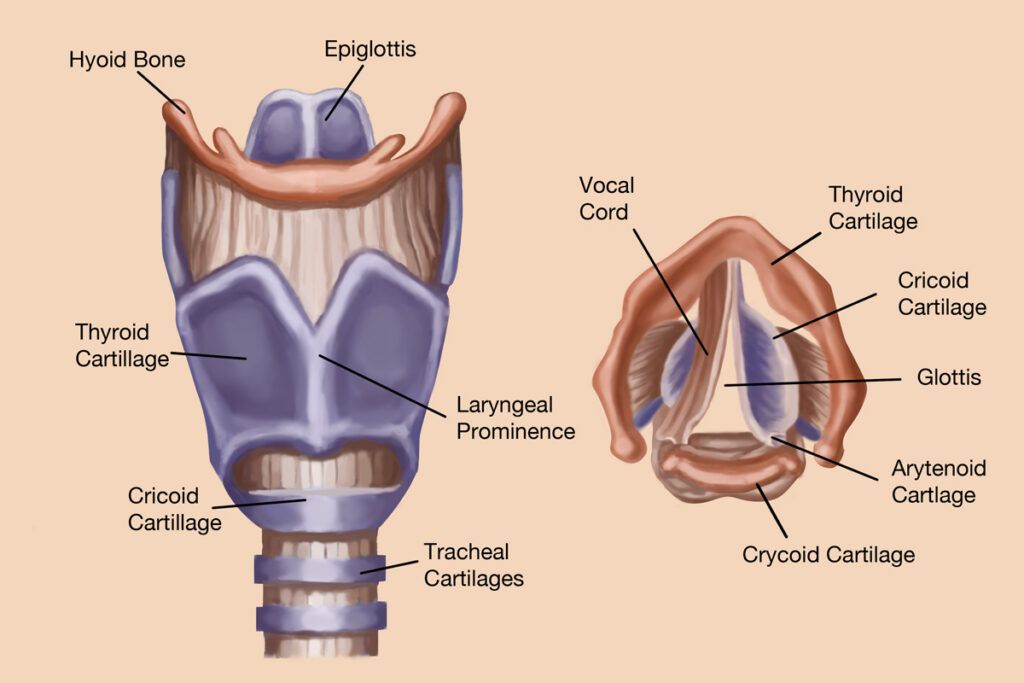
Helium doesn’t actually change the pitch of your voice at all. Instead, it alters the timbre, or sound quality. Every voice has a unique timbre in the same way that every musical instrument has a unique sound. An F-sharp, for instance, will sound very different on guitar as opposed to a piano — they’re the same note, but the tones will be very different thanks to the physical properties of each instrument.
Similarly, the physical characteristics of an individual’s vocal tract — which is made up of a laryngeal cavity (or voice box) and the throat, mouth, and nasal cavities — creates their unique voice, whether it’s Johnny Cash or Smokey Robinson.
Your voice box contains two bands of muscle tissue covered in fleshy mucous membranes called vocal folds (or cords). When you speak, a column of air shoots through an opening, or glottis, between the folds. This sudden blast of air vibrates the vocal folds rapidly, which chops the air into discrete fluctuations, forming sound waves.
The more cycles per second (higher frequency), the higher the pitch. These sound waves travel through the throat and into the mouth and nasal passages, where they resonate and are then released – or spoken out loud.
Keeping it Light

Normally, the gas in your voice box is oxygen and nitrogen, since that’s what we’re typically breathing in. Helium is a lot lighter than normal air – its atoms are literally smaller because they have fewer protons, neutrons, and electrons than oxygen. That’s why balloons filled with helium float, but balloons you fill with your own breath sink to the floor.
So what happens when you grab one of those floating balloons at a party, open it, and inhale the helium? Once you start talking, your vocal cords interact with helium atoms instead of those of normal air.
Lightweight helium atoms make the gas much less dense than normal air, so sound waves travel through it faster. The frequency is still the same, but the shape of the waves change and interact differently with your vocal cords. The higher-pitched portions of your voice become amplified. Simultaneously, lower tones are flattened. So sound traveling through a helium-filled voice box becomes squeakier.
The result? You sound like Tweety Bird. But because the helium you inhaled is flushed out of your voice box after a few breaths of normal air, the effect wears off before long.
Air passing through and vibrating your vocal cords creates sound and allows us to speak. Helium atoms are lighter and vibrate much faster than normal air (nitrogen and oxygen), so they resonate more strongly with the highest frequencies of your voice. This gives it a higher, squeakier sound until the helium is fully exhaled.
Short Answer