HEALTH
Why Do We Have Eyebrows (But Other Animals Don’t)?
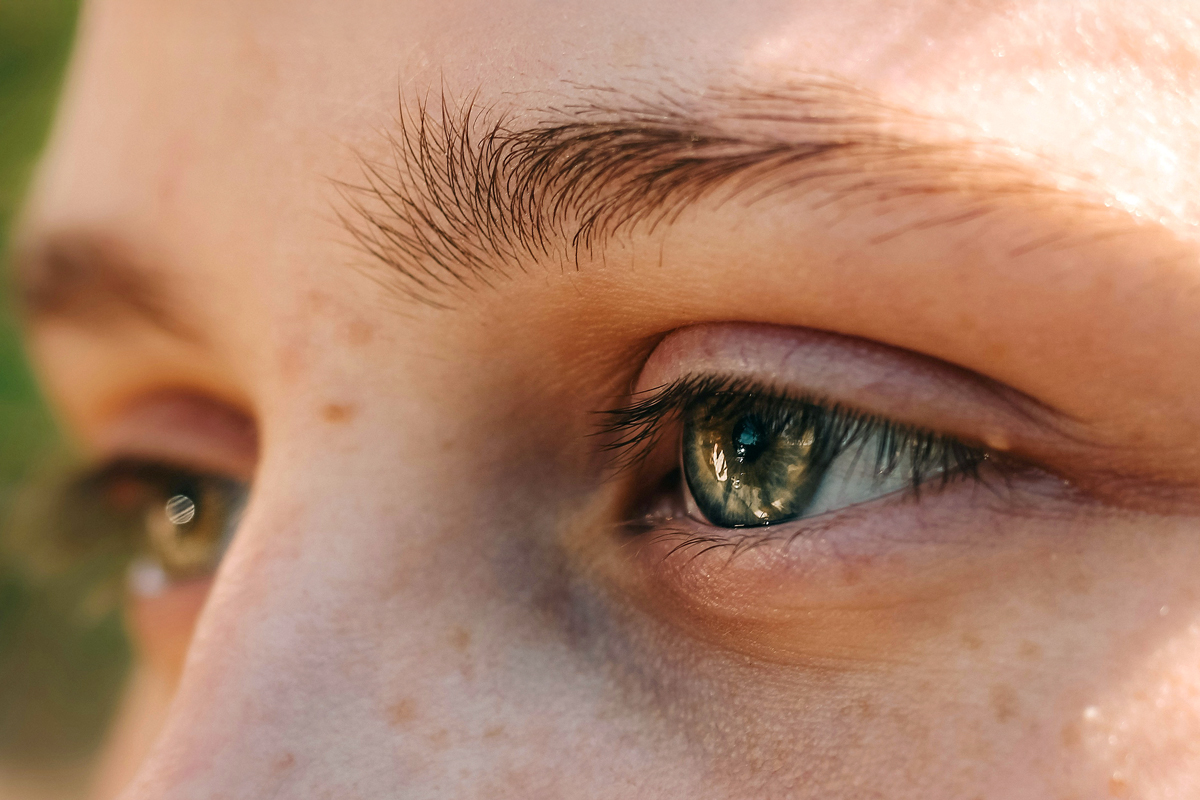

Walking on two feet and using language are some of the more obvious ways that humans stand out from the rest of the animal kingdom. But we’re also unique in another respect: our eyebrows.
Technically, there are other animals with brow muscles that can be manipulated — if you’ve ever seen a sad dog, you know what we mean. But only humans have evolved distinct strips of hair on otherwise smooth, flat foreheads.
At first glance (or furtive glance, if you’re scrunching your brow as you read this), eyebrows seem kind of random — but we’ve evolved them for several reasons. Here’s why these distinctive patches of forehead hair have persisted for millions of years.
A Practical Purpose
As useful as vision is today, for early humans, it was indispensable for survival. So it’s understandable that over time, we evolved a few ocular protective measures, including our eyebrows.
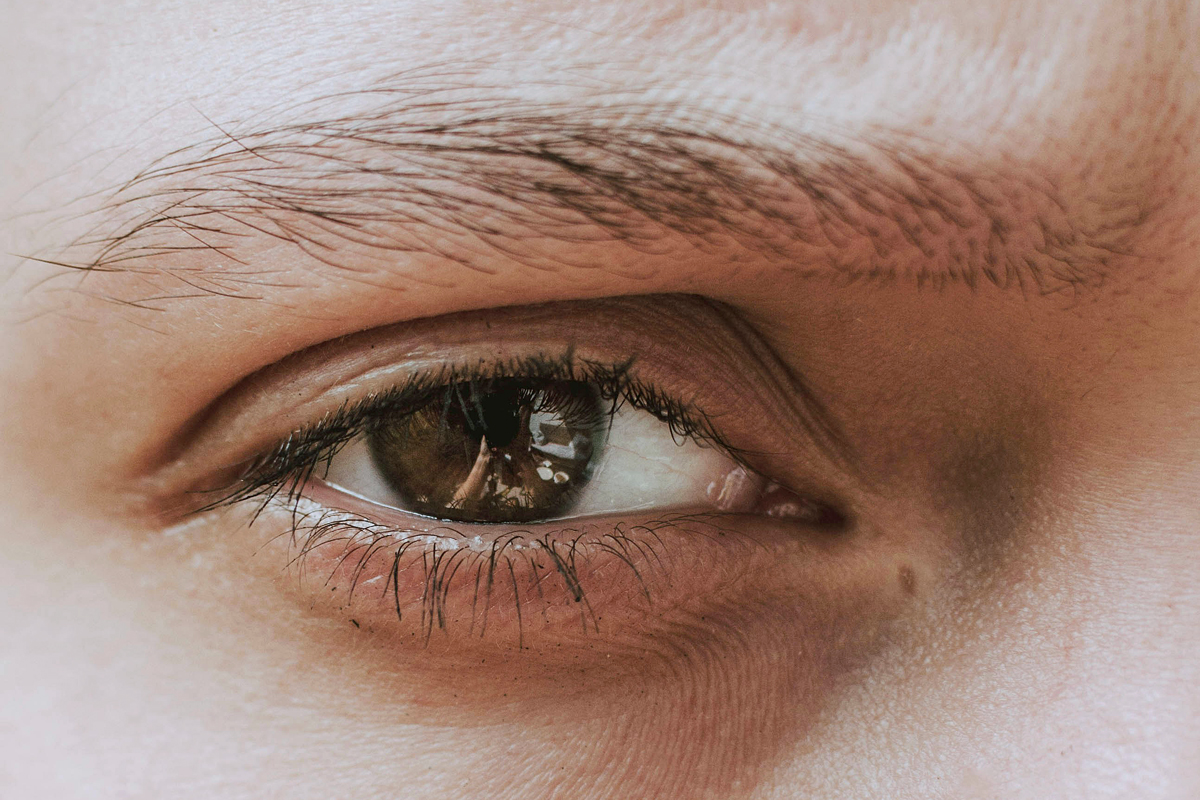
For one, our brows protect the eyes from dirt and sweat dripping down from the forehead. These hairy caterpillars serve as organic rain gutters perched on our brow ridge — the shape of an eyebrow’s arch wicks away and funnels sweat, water, and sunscreen (ouch!) around your eyes and down the side of your face.
Not only does this help maintain vision in a similar vein to windshield wipers, but this redirection prevents harmful microbes and other irritants from hopping along for a ride and entering your eyes. Meanwhile, eyebrow hair (along with eyelashes) captures dirt, dust, and other debris.
Eyebrows serve as windshield wipers and dust filters, but they also work as natural sun visors. Imagine staring across a bright, sunlit landscape, and you might instinctively squint your eyes. The motion pulls your eyebrows and eyes closer together, blocking some overhead glare and making it easier to see.
Eyebrows Are Social Tools
Humans are deeply social creatures who survive better together than when alone. This social nature relies heavily on communication — and not just talking and writing.
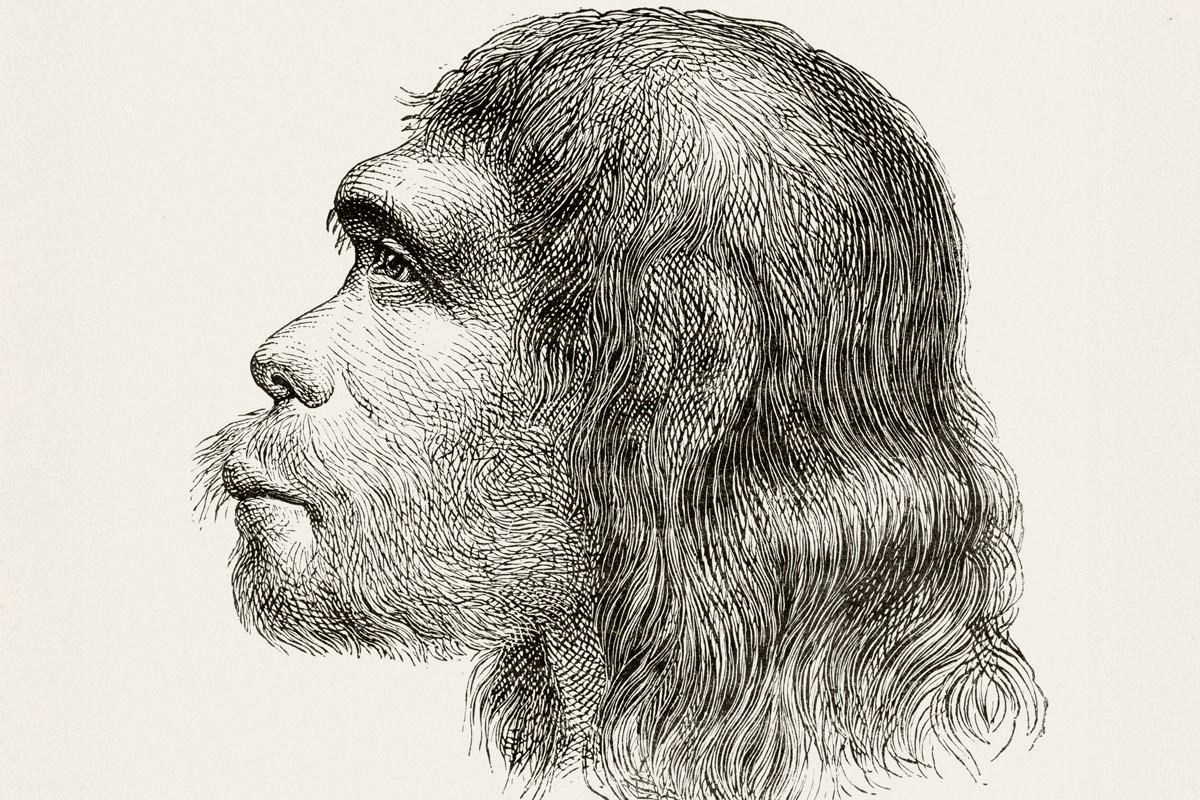
A 2018 study analyzed the role of the prominent brow ridge of Homo heidelbergensis, a human ancestor, and debunked previous theories that the ridge provided extra space for the brain or supported the skull when chewing. Instead, the researchers argued that the ridges were more akin to antlers on a stag, used to display dominance and aggression.
But as social bonding became more closely linked with survival, humans’ faces physically changed. Our brains expanded and our faces shrank, freeing up muscles that could repurpose eyebrows as a means to silently communicate thoughts and emotions.
This enhanced ability allowed our ancestors to signal fear that a predator was near, among other advantages. Expressing other emotions — such as love and affection — helped strengthen social bonds.
Studies have found that the impact of eyebrow communication can be incredibly subtle. For example, humans will often mimic facial expressions to empathize with each other. In fact, people who receive Botox injections, which weaken and paralyze facial muscles, find it harder to read the emotions of others. This implies that being able to copy another person’s expressions helps us understand one another.
Finally, eyebrows are also thought to help us simply recognize one another, which helped our ancestors discern friend from foe. The shape, thickness, and position of eyebrows serve as personal identifiers. Eyebrows don’t just make humans distinct from other animals, but they make us distinct from one another as well.
Eyebrows physically protect our eyes. The arch of the eyebrow wicks sweat and other liquids away from the eye, while physical hairs trap dirt and other debris. They also help block overhead sunlight to make it easier to see. As ancient humans evolved to be more social, eyebrows took on a more communicative role by wordlessly conveying emotions, questions, or concerns. They also serve as unique identifiers to aid in facial recognition.
Short Answer