HEALTH
Why Do You Get So Tired Around 2 p.m.?

For many people, there’s a predictable cadence to each day. For you, it may include feeling motivated in the morning and checking off your to-do list through lunch. But then it happens: the dreaded afternoon slump. Come 2 p.m., you’re exhausted and wondering whether a shot of espresso is necessary — or enough — to power you through the rest of the day.
The daily dip in energy is a well-documented biological phenomenon driven by a trio of factors — and lunch is only one of them.
The Biology Behind the Afternoon Slump
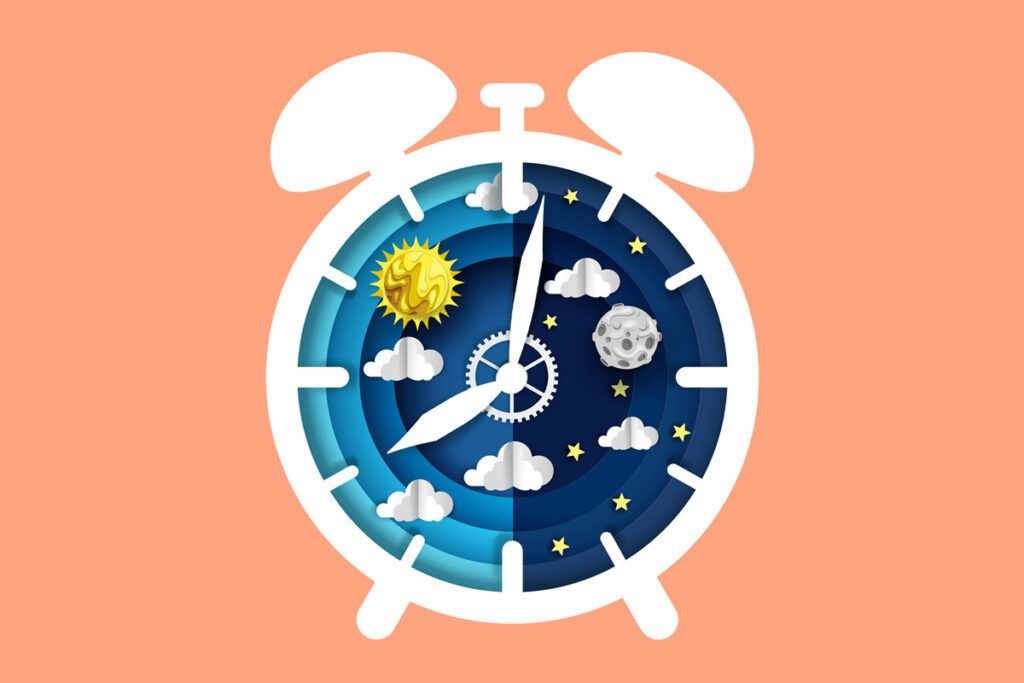
The midafternoon slump is primarily due to your circadian rhythm, the body’s internal timekeeping system. This internal clock regulates sleep-wake timing and body temperature over an approximately 24-hour cycle. It makes you feel sleepy in the evening by signaling the body to release melatonin, the snooze-inducing hormone that also reduces your core body temperature.
A miniature version of this process can also occur in the afternoon. This lull often occurs between 1 p.m. and 4 p.m., although the timing and intensity vary by individual. Research suggests that some aspects of our circadian rhythm, such as liver metabolism, work on a 12-hour cycle alongside the primary 24-hour cycle.
This secondary “circasemidian rhythm” is believed to drive daytime sleepiness and periods of lower body temperature, decreased cognitive performance, and slower reaction times, as well as higher sleep propensity — a fancy way of saying how easy it is to fall asleep.
You can picture these 12-hour and 24-hour rhythms as waves moving up and down throughout each cycle. The crests of the waves occur in the morning and early evening, which means there’s a valley between these crests — a literal slump — in the midafternoon. Some of this up-and-down behavior can be explained by your brain winding down its more energetic “wake-up” mode after the morning.
A second factor is sleep pressure. Whenever you’re awake, your brain cells burn through their fuel, a molecule called ATP. A chemical called adenosine builds up as a leftover (kind of like the exhaust coming out of your car’s tailpipe). The more that adenosine piles up, the sleepier you feel. Think of it as a tank that fills all day and only drains while you sleep.
If you tossed and turned all night, that tank never fully emptied, so your sleep pressure is higher and the afternoon dip hits harder.vThis is why sipping coffee only goes so far. Caffeine doesn’t stop adenosine from building up, but does block the receptors adenosine latches onto, limiting adenosine’s ability to make you drowsier.
Drink it too late, and you end up blocking the adenosine when you need it. Not only can that wreck your sleep, but it also keeps more of the chemical in the tank for the next day, making you sleepier and causing the next day’s dip to be even worse.
Certain Foods May Exacerbate Your Drowsiness
Further evidence that a midafternoon meal is less to blame than sleep pressure and your own internal clock comes from a 2005 review by sleep researcher Timothy H. Monk. It found that this decline in energy can occur even when people haven’t eaten lunch and don’t know what time it is. This suggests the slump isn’t simply a side effect of digestion or a mental bias based on what it says on the clock.
But your lunch isn’t totally off the hook. Even though feeling tired after eating doesn’t automatically indicate a blood-sugar crash, Monk found the afternoon dip to be worsened by a high-carbohydrate meal.
Researchers are still figuring out exactly how food contributes — but you may want to note which foods have you yawning the most.
You get tired in the early afternoon primarily because of your circadian rhythm, the internal body clock that naturally eases off its wake-up signal after the morning. Poor sleep can worsen this dip because your brain still has leftover adenosine, a chemical that makes you sleepy and builds up the longer you’re awake. Though researchers are still figuring out why, a carb-heavy meal at lunch can also worsen your afternoon slump.
Short Answer