SCIENCE
Why Is Gas Unleaded?
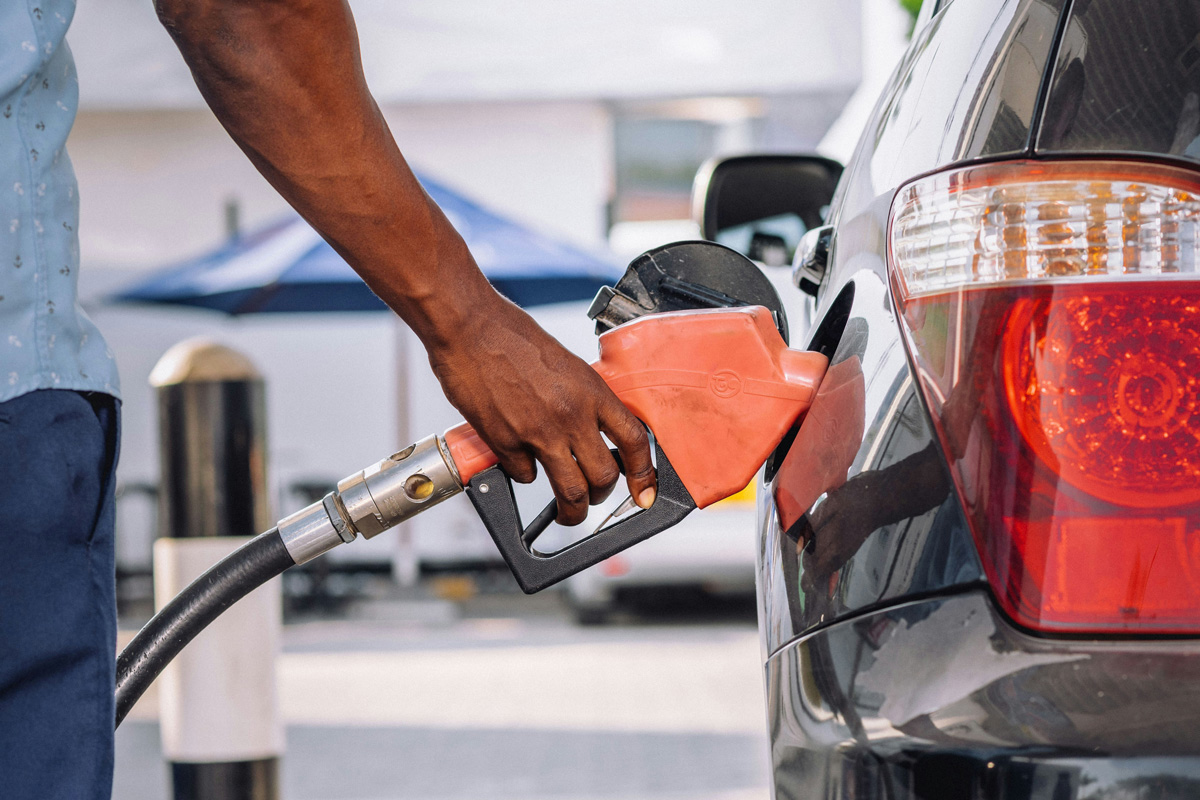

Pull into any gas station today and you’ll likely see the word “unleaded” all over price signs and pumps. Is that adjective really necessary, though? It’s not like you’re going to use the rival station across the street because you were actually looking to put “leaded” gas in your tank.
As a matter of fact, today all gasoline available for passenger cars is unleaded — calling it “unleaded” is like selling “frozen” ice. Gas used to have lead in it, though. In fact, the world used to run on leaded gas.
Why Lead Is Good for Gas
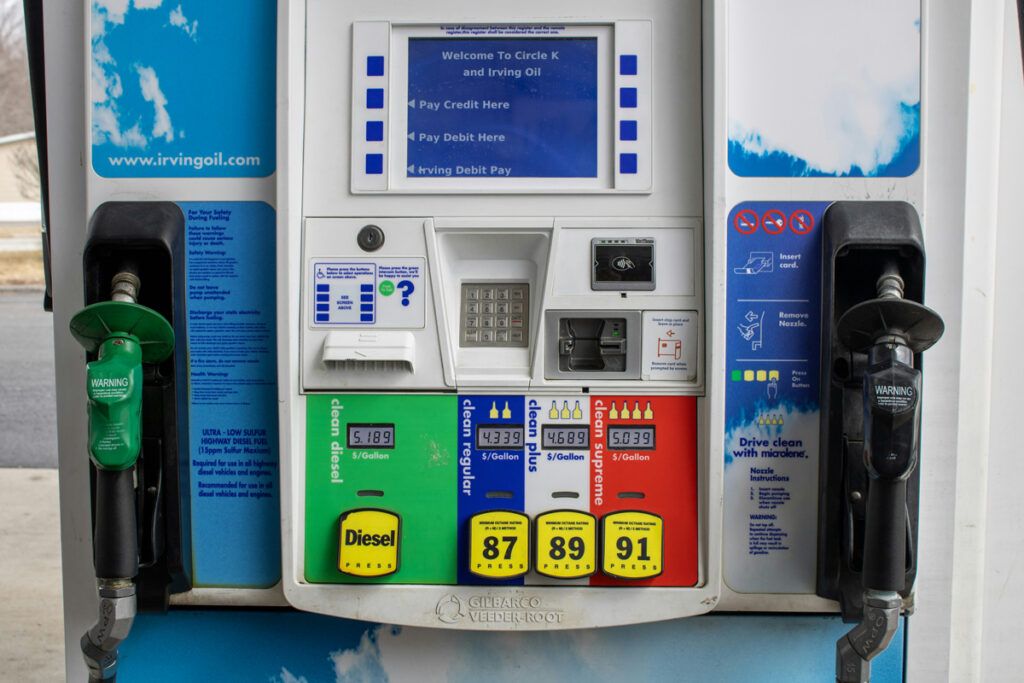
In 1921, as automobiles were beginning to transform modern society, a General Motors engineer discovered that adding lead, specifically tetraethyl lead (TEL), raises gasoline’s octane rating. Octane (another word you’ll find at the gas pump) refers to a fuel’s stability — the less chemically stable fuel is, the more likely it is to prematurely combust before your engine needs it. This ill-timed combustion causes engine knock and can damage a vehicle (and endanger the humans inside).
Fuel with a higher octane rating is more stable. Lead raises that rating because it bonds with the combustible hydrocarbon free radicals that make gas unstable, neutralizing them. The innovation of leaded gasoline made cars easier, safer, and more efficient to drive.
Although cars ran on leaded gas for decades, experts were — even in the 1920s — aware of lead’s adverse health effects. Some public health officials were staunchly against the idea of leaded gasoline from the start. Although other chemicals, including benzene and ethanol, also increase octane, the oil and gas industry largely ignored them in part because they cost more to produce.
Lead is so toxic that its widespread use is believed to have resulted in the premature deaths of millions worldwide. Lead exposure came from many sources in the 19th and 20th centuries, including lead pipes and lead paint, but leaded gas was a significant contributor. You don’t need to drink gasoline for lead to make its way into your body — people were inhaling it, bit by bit, from the ubiquitous exhaust fumes produced by vehicles.
Ironically, though, the downfall of leaded gas came from the U.S. government regulating other pollutants. The passage of the Clean Air Act in 1970 didn’t ban lead from gas, but it did require that car manufacturers install catalytic converters to reduce smog and carbon monoxide. Because lead damages catalytic converters, gas providers needed to let drivers know which fuel was okay to use if they had a newer vehicle equipped with one — and so the word “unleaded” started gracing gas station signs more and more.
Is ‘Leaded’ Gas Still Used Today?
Eventually, leaded gas for passenger cars was banned completely in 1996 as part of amendments to the Clean Air Act, and fuel manufacturers switched to benzene- and ethanol-based additives to increase octane ratings instead. (Benzene itself was later restricted for also being toxic to humans, but that’s a story for another day.)
So while leaded gas still works exactly as it did 100 years ago (and, for engines at least, provides material benefit), you cannot buy it at a gas station. Even if you don’t see the word “unleaded” anywhere, you can rest assured that’s exactly what the gas you’re pumping is.
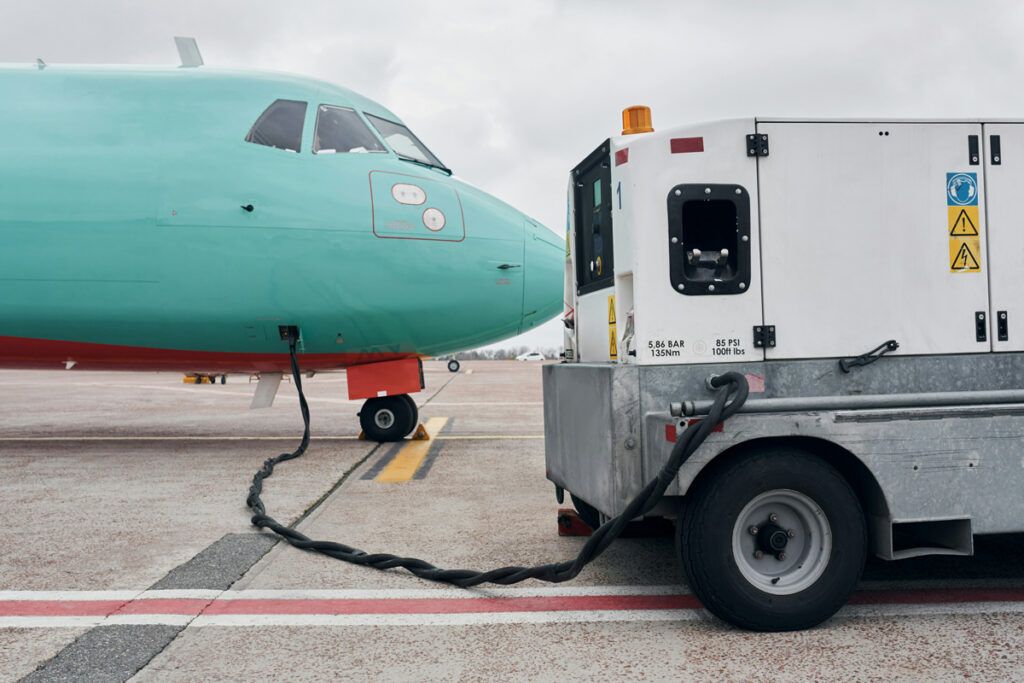
That said, some other industries still use leaded gas. The biggest one is aviation, because the piston engines of aircraft require higher-octane fuels that are difficult to produce without lead. To clean up its act a little, the airline industry switched to 100 Low Lead (100LL) fuel in the 1970s. Today, most commercial airliners’ jet engines burn unleaded kerosene fuel, but the Federal Aviation Administration reports roughly 220,000 piston aircraft still use 100LL. Thankfully, the agency hopes to phase out the fuel by 2030.
Other than these airplanes (and a few specialty and off-road vehicles), the era of leaded gasoline is over — the signage at your local gas station remains mainly out of habit. Consumers have come to expect to see “unleaded” and managers don’t want to make their paying customers think twice about stopping at their pumps.
Because of this and its historical context, “unleaded” has become synonymous with fuel that’s compliant with current regulations.
Until the 1970s, lead was added to most automobile gas as an octane booster to increase the fuel’s stability. Lead neutralizes reactive free radicals that can cause fuel to combust prematurely, leading to serious mechanical failures such as engine knock. In the 1970s, catalytic converters, which are damaged by leaded gas, became mandatory for new cars, so gas stations began selling unleaded fuel. Leaded gas was banned for car use in 1996 as it’s highly toxic to humans, but the “unleaded” label persists today.
Short Answer