HEALTH
8 Ways Your Body Changes at Night
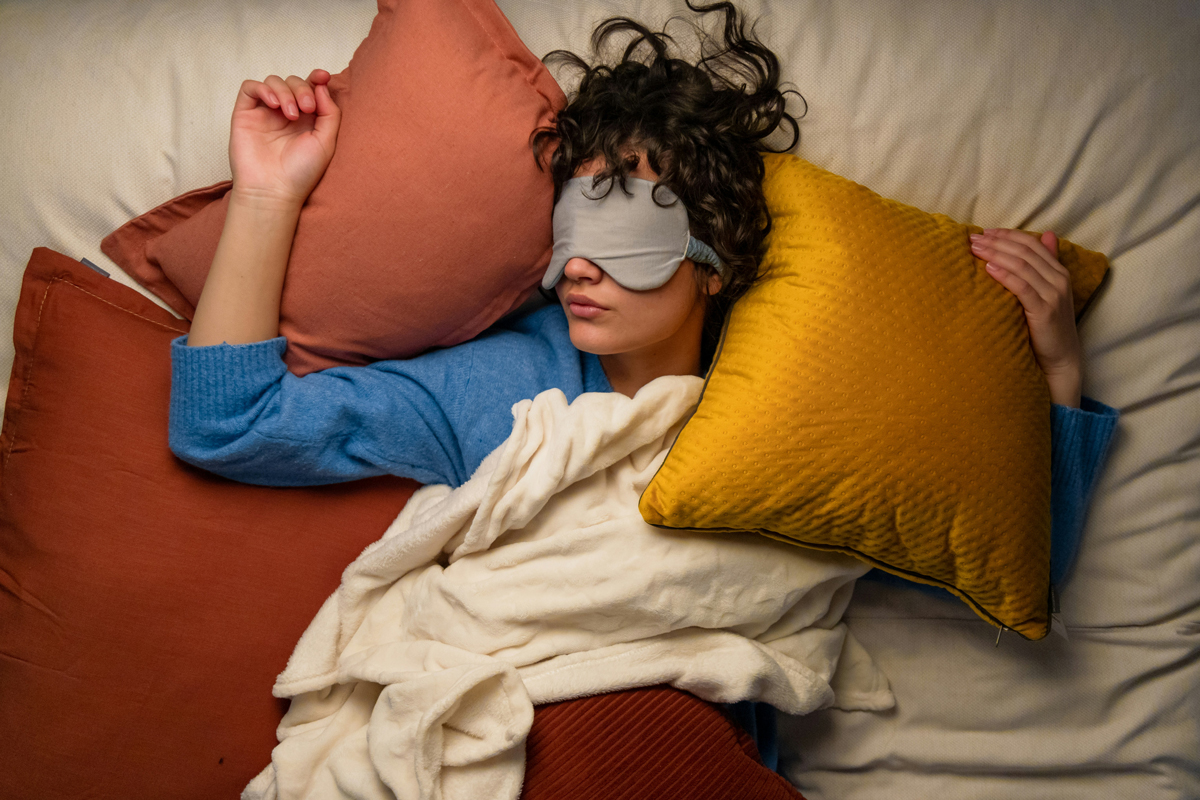

Sleeping isn’t usually considered a productive activity. You’re lying still, your eyes are closed, and (hopefully) you’re blissfully unaware of the world around you. It can feel as though you’re simply pressing pause until morning.
But beneath the covers, your body is anything but idle. As darkness falls, your internal clock flips a remarkable series of biological switches. Billions of cells begin a carefully choreographed overnight routine.
Nearly every organ in your body behaves differently at night than it does during the day, and all in service of helping you wake up healthier, sharper, and ready for whatever tomorrow brings. Here’s a look at how your body works the night shift.
Your Body Cools Down

One of the first signs that bedtime is approaching isn’t something you consciously notice: Your core body temperature begins to fall. As your circadian rhythm (a natural cycle guided by your internal clock) signals that night has arrived, your temperature drops by about 1 to 2 degrees Fahrenheit. Blood vessels near your skin widen, allowing heat to escape, which helps make you feel sleepy and stay asleep.
By morning, your temperature gradually climbs again, helping prepare you to wake up and become more alert. This is why it’s often recommended to keep your bedroom cool for a good night’s sleep, as warmer temps can throw your body off.
Your Hormones Change

As daylight fades, your brain releases melatonin, often called the “sleep hormone.” Rather than knocking you unconscious, melatonin acts more like a signal that tells the rest of your body it’s time to transition into its nighttime routine. Bright light — such as the glare that comes from phones, tablets, and computer screens — can interfere with this signal by convincing your brain that it’s still daytime.
Meanwhile, levels of cortisol, often nicknamed the “stress hormone,” do almost exactly the opposite. Cortisol falls after you drift off to sleep, then begins rising again in the early morning hours, helping prepare your body to wake up. Growth hormone also surges during the night, supporting tissue repair, muscle maintenance, and healthy metabolism.
Your Heart Takes It Easier

Your cardiovascular system finally gets a chance to slow down at night. During non-REM (rapid eye movement) sleep, your heart rate decreases and your blood pressure drops, giving your heart and blood vessels a chance to recover from the demands of the day. (They are more varied during REM sleep, when you’re likely to have your most intense dreams.) As morning approaches, both gradually rise again, preparing your body for more rigorous activity.
Doctors see the overnight decrease in blood pressure as a normal and healthy dip. People whose blood pressure doesn’t decline at night may have a higher risk of cardiovascular problems, demonstrating the relationship between good sleep and a healthy heart.
Your Brain Files Memories — and Takes Out the Trash
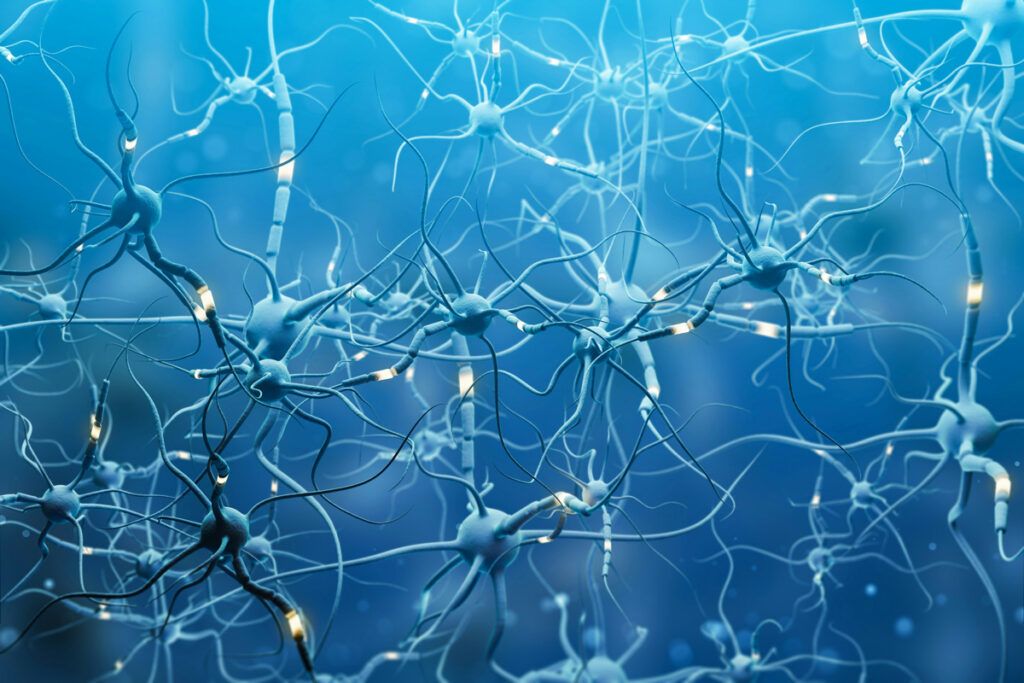
Although your body is lying still (more or less), your brain remains remarkably active while you sleep. As you cycle through different sleep stages, your brain consolidates important memories and organizes information gathered throughout the day. It’s one reason cramming all night before a test is often less effective than getting a good night’s sleep.
Researchers also think that sleep gives the brain time to carry out essential maintenance. During non-REM sleep, overall brain activity slows, while REM sleep sees activity surge again — almost to daytime levels — supporting cognitive processes that happen even while you’re awake. Ironically, though, your brain struggles to make memories while you dream, which is why you often can’t remember your dreams when you wake up.
Your Muscles Relax
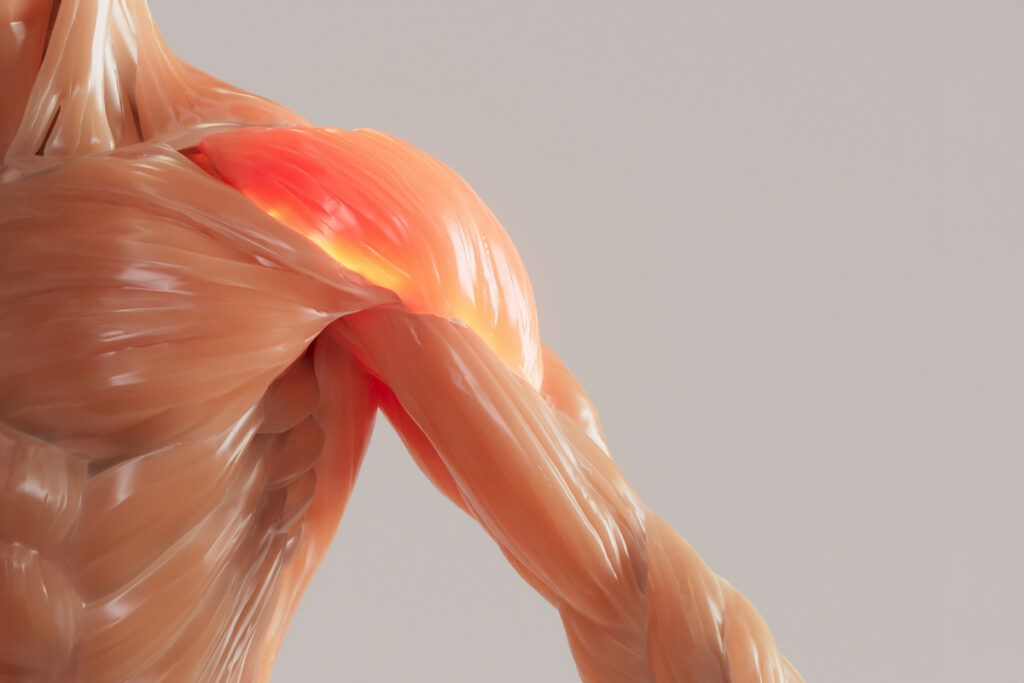
Sleep isn’t just for resting tired muscles; it’s also when much of the body’s repair work actually happens. As you move into deeper stages of non-REM sleep, your muscles gradually relax as your body’s overall energy demands fall. Behind the scenes, cells repair everyday wear and tear and tissues recover from the stresses of daily life.
During REM sleep, most of your voluntary muscles also become paralyzed (don’t worry, it’s just temporary). This prevents you from physically acting out your dreams while your brain is highly active. Fortunately, the muscles responsible for breathing and eye movement don’t take the night off and continue to work normally.
Your Breathing Changes With Your Dreams
Your breathing also follows a different rhythm at night. During non-REM sleep, breathing becomes slower, steadier, and more regular than it is during the day. But once REM sleep begins, things become much more variable.
Your breathing speeds up, becomes shallower, and can even become irregular — one reason sleep specialists often pay close attention to breathing patterns when evaluating sleep disorders. Your cough reflex is also dialed down during sleep, helping prevent small irritations from waking you (and perhaps your partner) unnecessarily.
Your Kidneys Slow Down

If your kidneys worked exactly the same way overnight as they do during the day, most of us would spend far more time making nocturnal trips to the bathroom. Instead, they deliberately reduce urine production while you sleep, helping you stay asleep longer without interruption. That’s why sleeping through the night without needing the bathroom is perfectly normal for many healthy adults.
Your Internal Clock Keeps Everything on Schedule

The remarkable thing about these changes is that they aren’t happening independently. They’re coordinated by your circadian rhythm — your body’s built-in 24-hour timing system.
A tiny region of the brain acts as a master clock, taking cues from light entering your eyes and coordinating countless biological processes throughout the body. In response, your organs, hormones, metabolism, body temperature, mood, digestion, and even your immune system all shift into different operating modes depending on the time of day.
Scientists now know that nearly every part of the body keeps time. Rather than simply turning off each night, your body follows an intricate schedule that has evolved to balance activity with repair. So, from the outside, it may look like nothing much is happening after your head hits the pillow, but your night shift is only just getting started.