HEALTH
Why Do Kids Suck Their Thumbs?


Watch a toddler settle in for a car ride, nap, or story time, and odds are a thumb finds its way into their mouth within minutes, if not seconds. It’s one of those habits that seems to come out of nowhere and then just… stays around, sometimes for years.
But there’s actually a reason kids gravitate toward this behavior. And it starts long before the toddler stage — before birth, actually.
A Habit That Forms While We Do

Before a baby can even see or hear, they may start sucking their thumb. Ultrasounds have caught fetuses in the act as early as 14 weeks into pregnancy. It’s not just random movement, either.
Sucking is a natural reflex that develops before birth, and practicing may help prepare babies for feeding after they’re born. A newborn has to coordinate sucking and swallowing right away, so there’s a fair amount of rehearsal happening before anyone gets to hold them.
But, clearly, the habit can linger long after a baby learns to feed and even eat solid foods. That’s because the same reflex takes on another job that has nothing to do with getting fed. Doctors call it non-nutritive sucking, and it’s one way babies calm themselves.
Sucking can settle a crying infant, help with sleep, and reduce responses to pain. In one study, newborns given a pacifier during a blood draw showed lower pain responses than babies who didn’t receive one. That’s part of why pacifiers are sometimes used to comfort newborns during minor procedures, whether they’re hungry or not.
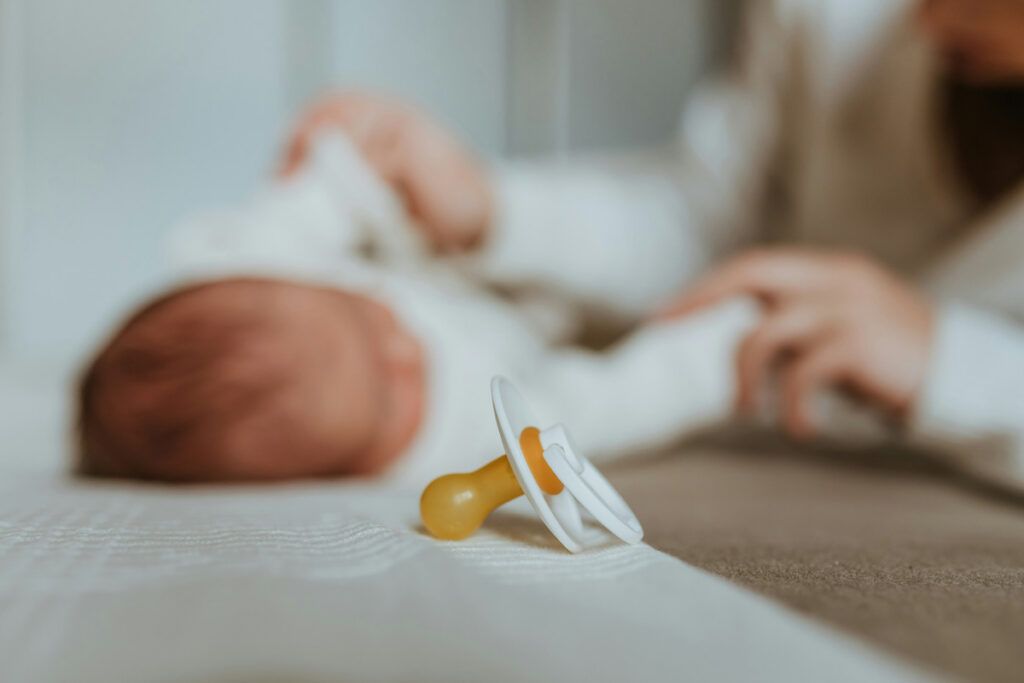
A thumb has one very practical advantage over a pacifier: It’s attached to the body. Nobody has to find it under the crib at 2 a.m. It’s also the easiest of the five fingers to access without contorting your wrist. Once a baby discovers that sucking feels comforting, there’s always a soothing tool right there, wherever they are, whenever they’re tired, cranky, bored, or trying to settle down.
Most kids eventually stop. As they get older, they have more ways to entertain and comfort themselves, and the thumb gradually becomes less interesting. For some children, that happens without anyone having to intervene at all.

The part dentists care about is what happens if the habit sticks around. Occasional thumb-sucking isn’t generally a problem, but frequent, vigorous sucking can put enough pressure on the developing mouth to affect the position of permanent teeth or even the shape of the roof of the mouth. That’s why the American Dental Association recommends addressing thumb-sucking habits that persist as permanent teeth begin to come in.
That doesn’t mean a preschooler with a thumb in their mouth is definitely headed for dental trouble. The timing and intensity of the habit matter. A child reaching for a thumb at bedtime isn’t necessarily a red flag. They’re simply using a soothing reflex that has been part of their repertoire since before they were born.
Eventually, most find something else that works. Just as with toys and plenty of other things, many kids just get bored with the habit.
Kids suck their thumbs because sucking is a natural reflex that begins before birth, helping develop the motor skills necessary for feeding. But even when they’re not hungry and long after they’ve learned how to properly feed, children can find thumb-sucking a comforting way to calm down, fall asleep, or cope with pain or stress. Most children eventually stop on their own, but frequent, vigorous thumb-sucking that continues as permanent teeth develop can affect the way the teeth and mouth grow.
Short Answer