HEALTH
Why Do Onions Make You Cry?


Any chef will tell you there’s no crying in the kitchen — unless you’re chopping onions. The seemingly normal task can reduce even the most stoic cooks to tears in seconds.
The phenomenon can’t be explained by the veggie’s strong smell. If that were the case, other pungent foods (think stinky cheeses) would also make you tear up. So why do onions make you cry? And how can you make them stop long enough for you to finish cooking without turning into a blubbering mess?
Tear Gas
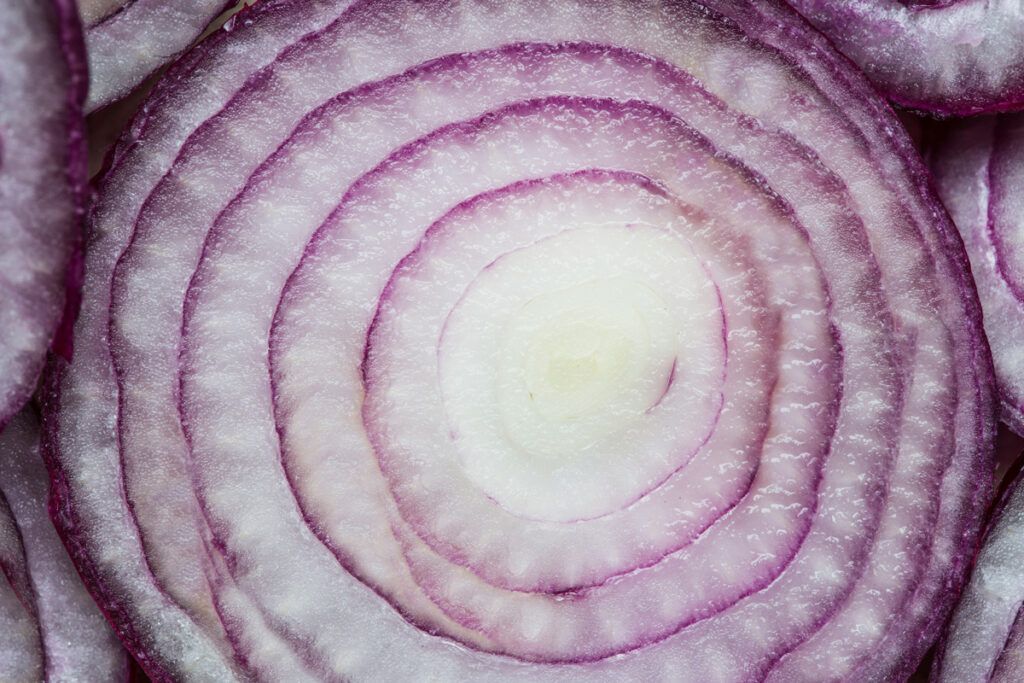
Like garlic, onions have alliinase enzymes and amino acid sulfoxides stored in their cells. They’re part of the defense mechanism that protects the plant from hungry critters while it grows underground.
If an unsuspecting animal were to bite into a vulnerable baby onion and rupture its cells, it would set off a chain of chemical reactions: The enzymes convert the sulfoxides into sulfenic acid, which then converts into an irritating gas known as syn-Propanethial-S-oxide.
Chopping an onion produces the same effect — for all the onion knows, your knife is the incisor of a hungry gopher. Once it’s cut, the veggie produces its defensive gas, which wafts into the air and triggers a burning sensation in your eyes. It’s not dangerous, but it can be uncomfortable.
Your brain responds by activating your lacrimal glands, which release a flood of tears — not because you’re upset, but to physically clear the sulfuric chemicals away. These reflex tears, as they’re known, respond to irritants such as smoke or chopped onions by flushing your eyes before draining through tiny ducts in the inner corners of your eyelids.
When they can’t drain quickly enough, the tears will run down your cheeks as if you just finished watching Titanic. You may even get a runny nose.
No More Tears

Some food experts swear by the tearless onions now sold by select retailers. They’re not GMO (genetically modified in a lab). Instead, they’ve been cultivated through crossbreeding over decades. These sweet onions usually are only available at certain times of the year.
If you’re cooking with a standard supermarket onion, there are tips you can try to reduce irritation to your eyes. Always use a sharp knife; the finer the blade, the fewer cells you’ll rupture. Avoid cutting the root of the onion, as it holds the highest concentration of sulfuric compounds that make you tear up.
Chilling the onion in the fridge for an hour or so before slicing it can slow the chemical reactions and reduce the irritants that travel into the air. Some experts also recommend soaking onions in a bowl of cool water before it’s time to chop.
Other tricks include placing a wet paper towel beside your cutting board to absorb the irritants or lighting a candle nearby to burn away the gas before it reaches your eyes.
If none of these tips work, you can always wear goggles. No, really.
Cutting an onion ruptures its cells and triggers a chemical reaction that produces a sulfuric gas that burns your eyes (which originally evolved to deter pests from chewing on onions as they grow). Your body responds by triggering a flood of specialized tears to wash the irritant away.
Short Answer