HEALTH
Why Does Pepper Make You Sneeze?


Sprinkling a dash of pepper onto your food doesn’t just tease the taste buds — it also affects your nose. Just as the spice can add flavor, it can make a meal smell tastier. But it can also create an unpleasant feeling in your nostrils and even result in a big sneeze. This can happen whether you love the taste of pepper or not.
Your body isn’t being a fussy food critic. Instead, it’s acting more like a bouncer and being overprotective when it comes to what you’re breathing in as you cook and eat. Here’s why your brain mistakes pepper for something more sinister.
Pepper Gets on Your Nerves
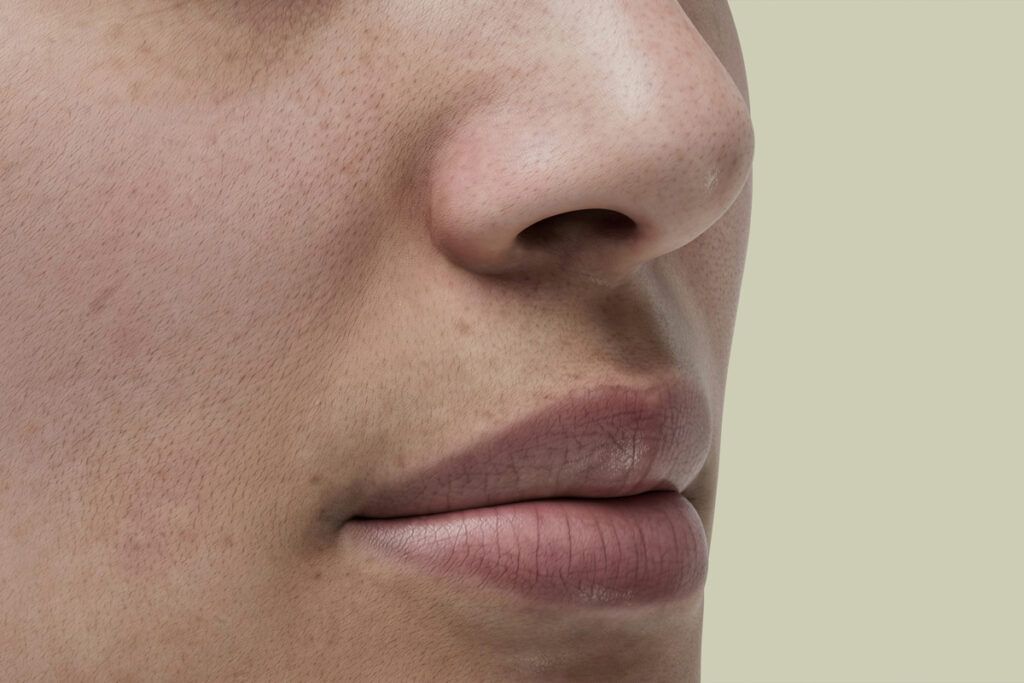
The nostrils are highly sensitive, with many nerve endings that help warn your body when germs, pollen, and dust try to sneak their way in. Unlike many other foods, finely ground pepper has a similar size and shape to these irritants.
When you shake pepper onto your meal, some of the teeny-tiny particles become airborne and find a cozy spot to rest inside your nose. This can tickle the nerve endings, which alert the brain and result in an instant sneeze — your body’s attempt to get the dust out of your nose. The nerves are like a smoke detector, with the sneeze acting as the automatic sprinkler that deals with the problem when the alarm goes off.
These nerves aren’t just attuned to physical intruders, but chemical ones as well. Pepper contains a chemical compound called piperine, which also irritates these sensitive nerve endings and can even trigger a pain response.

Even if the nose doesn’t come in direct contact with physical pepper dust, inhaling the chemical compound can cause irritation that’s similar to (but usually not as painful as) the spicy oils that waft through the air when cutting or cooking fleshy chili peppers such as jalapenos.
In some cases, the irritation can linger. Whether from the dust or the piperine, pepper in your nose can also feel like a tickle or an itch that you must immediately scratch — once you let that sneeze out, of course. You may find yourself compulsively reaching for and rubbing your nose to gently scratch the itch away.
This automatic response is just another way your body is trying to expel the pepper as quickly as possible, without stopping and asking your permission if it’s a good time for you to sneeze or rub your nose.
Obviously, sneezing while cooking food isn’t exactly ideal. If it happens often, consider opting for a small spoon or finger pinch to disperse ground pepper, rather than sprinkling it on with a shaker or mill. Keeping the lid on dishes and turning your range hood fan on can also help keep pepper from floating up toward your nose, while still allowing you to spice up your meal.
After all, you’re supposed to be chewing your food — not achooing it.
When nerve endings in your nostrils sense irritants (such as pollen and germs) trying to enter your body, they alert your brain, which triggers actions to quickly expel the irritants. These include sneezing and compulsively rubbing your nose. Ground pepper is small and light enough to easily float into your nose when you sprinkle it from a shaker. Since it physically resembles dust, it activates a sneeze. Pepper also contains a chemical compound called piperine, which similarly prompts the brain to get rid of the irritation. Your nostrils’ nerves can sense this chemical and trigger a sneeze even if pepper doesn’t physically make its way into your nose.
Short Answer