HEALTH
Why Does Scratching an Itch Feel So Good?

You’re finally comfortable in bed when an itch announces itself somewhere between your shoulder blades. You wriggle, reach, and eventually find the spot. For a moment, dragging your fingernails across your skin feels incredibly satisfying.
It’s one of life’s underrated little pleasures, like falling asleep in clean sheets or listening to the sound of rain. But why does scratching make an itch stop (if sometimes only temporarily), and why does it produce such an enjoyable sensation?
Itching for an Answer
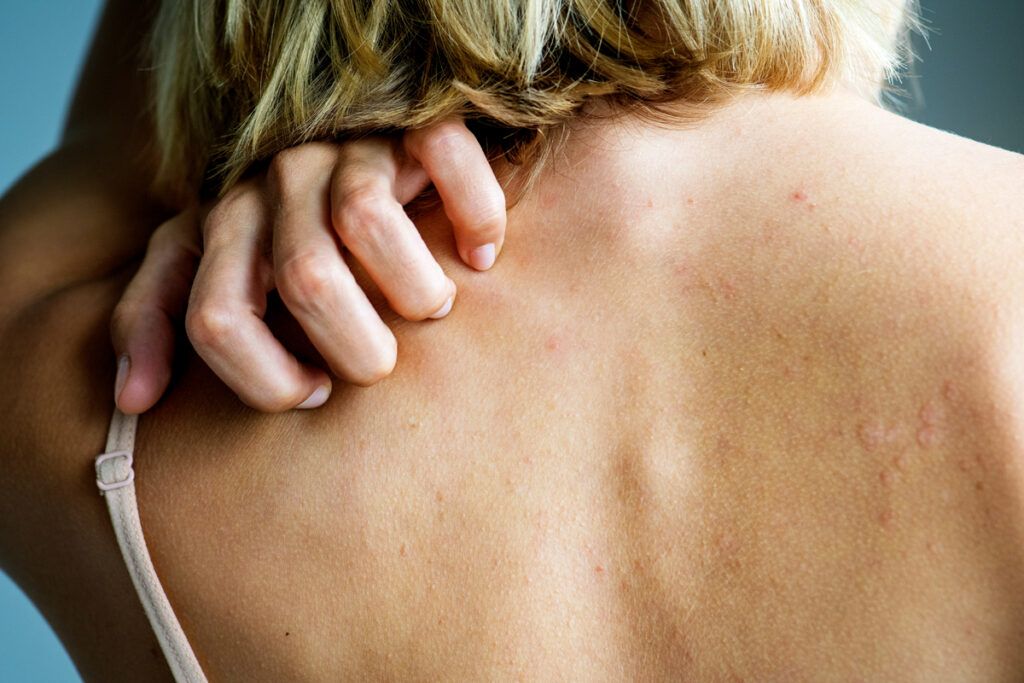
Until not that long ago, scientists thought that itching was a form of mild pain — a tiny dose of a sensation perceived by the brain that, if cranked way up, could turn into full-blown agony. (Think of it as pain lite, or decaf pain, perhaps.)
But in 2007, itch researchers (yes, an actual job) found nerve cells in our spinal column that are designed specifically for itching sensations alone. That means itching is a separate feeling from pain, and the two have been found to travel somewhat separate pathways in our nervous systems.
But that doesn’t mean they aren’t connected. Some of the itch and pain pathways overlap, which is the first reason why a scratch feels so good. The mild pain signals that arise from fingernails (or a well-placed back scratcher) digging across your skin temporarily distract you from the itching sensation.
You might not think of scratching as painful, but try scratching the same spot vigorously when it doesn’t itch, and the difference might become clearer. (In this sense, scratching is the real “pain lite.”)
But that’s only part of the story; your body’s natural pain-management system also plays a role. That big ol’ scratch actually tells your nerve endings to release in-house substances known as endogenous opioids, which dampen the itching sensation and produce pleasurable feelings. The body also releases the chemical messenger serotonin, which is famous for regulating mood but also relieves pain.
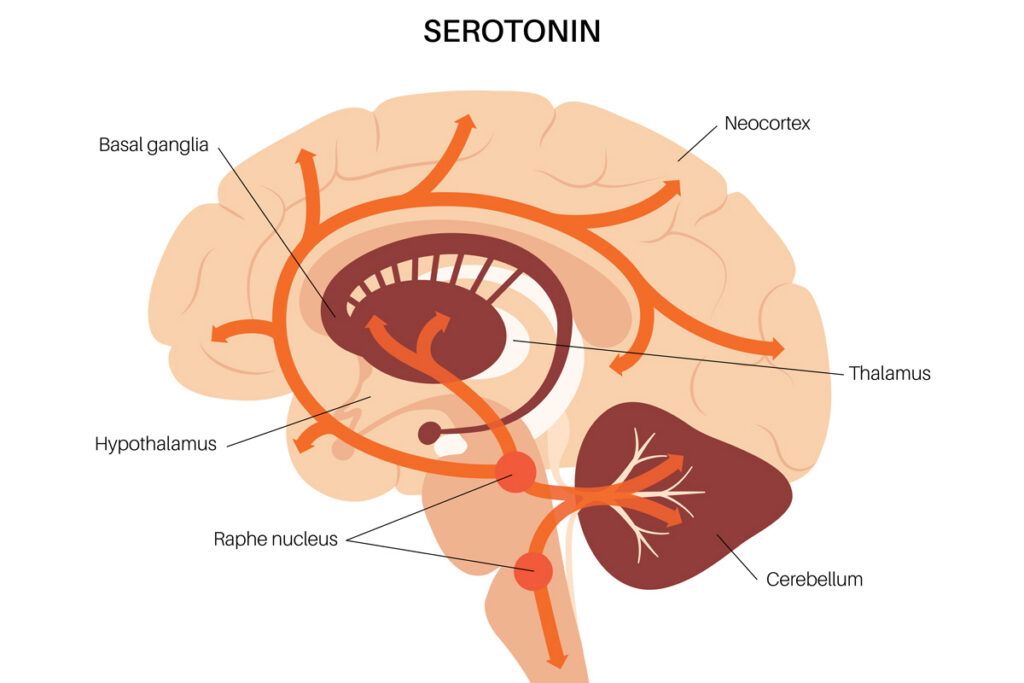
If that sounds like your body is making its own drugs, that’s because it is. And in fact, researchers using brain scans have discovered that scratching activates the same reward systems in our brain that get involved when we enjoy pleasurable activities such as sex or eating chocolate.
Activating the reward system also motivates you to repeat the action — you’re getting both relief from the irritation and a satisfying feeling that encourages another scratch. Unfortunately, the reward doesn’t guarantee a happy ending.
Repeated scratching can damage your skin and trigger the release of other homemade substances — ones that cause inflammation and more itching. That means the relief fades, your hand returns to the spot, and the itch-scratch cycle begins again.
Most of the time this isn’t a big problem, but if you’ve ever spent a few days with uncontrollably itchy bug bites, you know how this nonstop itch-scratch cycle can make things a lot worse. You end up caught between an immediate payoff and a potentially itchier aftermath. Your brain rewards what feels good in the moment, even when your skin might be better off without another round.
In other words, scratching an itch is an example of how immediate gratification can backfire in the long run.
Scratching produces mild pain sensations that can distract from the itchy feeling, which is a separate sensation from pain. It also triggers nerve endings to temporarily quiet itch signals while activating brain circuits involved in pleasure and reward. That combination makes it satisfying — and encourages you to keep scratching, even when doing so can make the itch worse over time.
Short Answer