HEALTH
Why Does Your Stomach Growl if You’re Not Hungry?


It almost seems as if your stomach deliberately waits to growl until you’re in a meeting, watching a movie, or in some other quiet situation where everyone around you can hear. You haven’t eaten in a while, sure — but you’re not even that hungry.
That’s because a growling stomach doesn’t always mean it’s mealtime. So if your belly isn’t telling you it’s hungry, why does it sound so angry sometimes?
The Sound of Digestion
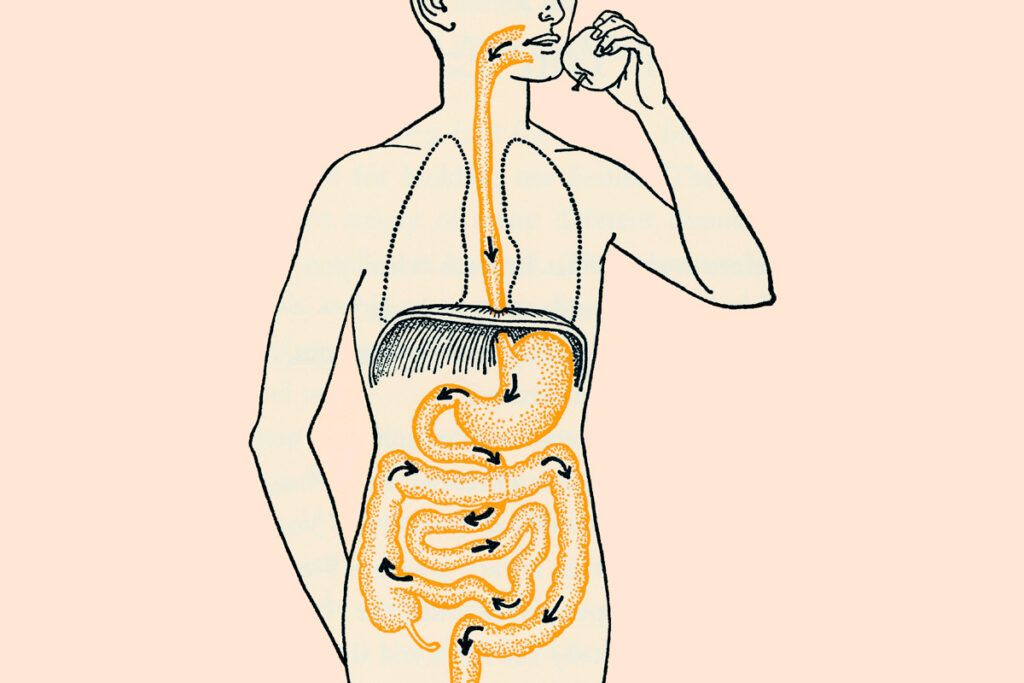
Those noises have a name: borborygmi. It’s not actually a growl, of course. It comes from movement inside your stomach and intestines, where muscles squeeze in rhythmic waves to push food, liquid, and gas along. Imagine a tube of toothpaste that could squeeze itself to push its toothpaste out — that’s essentially your digestive system.
When that gas and fluid get shoved around inside a mostly empty digestive tract, you get the gurgle. Food tends to muffle those contractions. That’s why an empty stomach tends to be the noisier one — there’s less material inside to absorb the sound, not necessarily more happening inside.
But hunger isn’t a requirement for the sound. Between meals, your stomach and small intestine cycle through something called the migrating motor complex — basically a maintenance mode for digestion. During these periods of fasting, waves of stronger contractions move through the digestive tract, helping move leftover material and digestive secretions along. Think of it as a broom sweeping through after dinner, even though the restaurant has already closed.
Researchers studying fasting volunteers found that gut sounds became more pronounced during the more active phases of this cycle, when contractions were stronger and more frequent.

That same digestive activity is why your stomach can growl after you eat, too. The influx of food may help absorb stomach noise, but it also increases digestive activity since there’s a whole new meal to digest. Your intestines keep contracting, mixing and moving food along, sounds included.
Not everyone’s stomach is equally chatty, either. Some people also swallow more air while eating or talking, which gives those digestive contractions more gas to move around and can contribute to the sounds you hear. (So chewing with your mouth closed isn’t just manners — it has actual physical effects.)
A full stomach can rumble plenty. An empty one can stay dead quiet. The sound itself isn’t a reliable measure of hunger; it’s simply the audible result of what’s happening inside your digestive tract.
Next time your stomach speaks up in a silent room, it’s probably not asking for a snack. It’s just doing its regular digestive work — and making sure everybody knows about it.
Your stomach growls when you’re not hungry because digestion never fully stops. Muscles in your stomach and intestines contract in waves to move food, liquid, and gas along, and those contractions are what you’re hearing. An empty stomach often sounds louder simply because there’s less food inside to muffle the noise.
Short Answer