CULTURE
Why Do We Like Scary Movies?
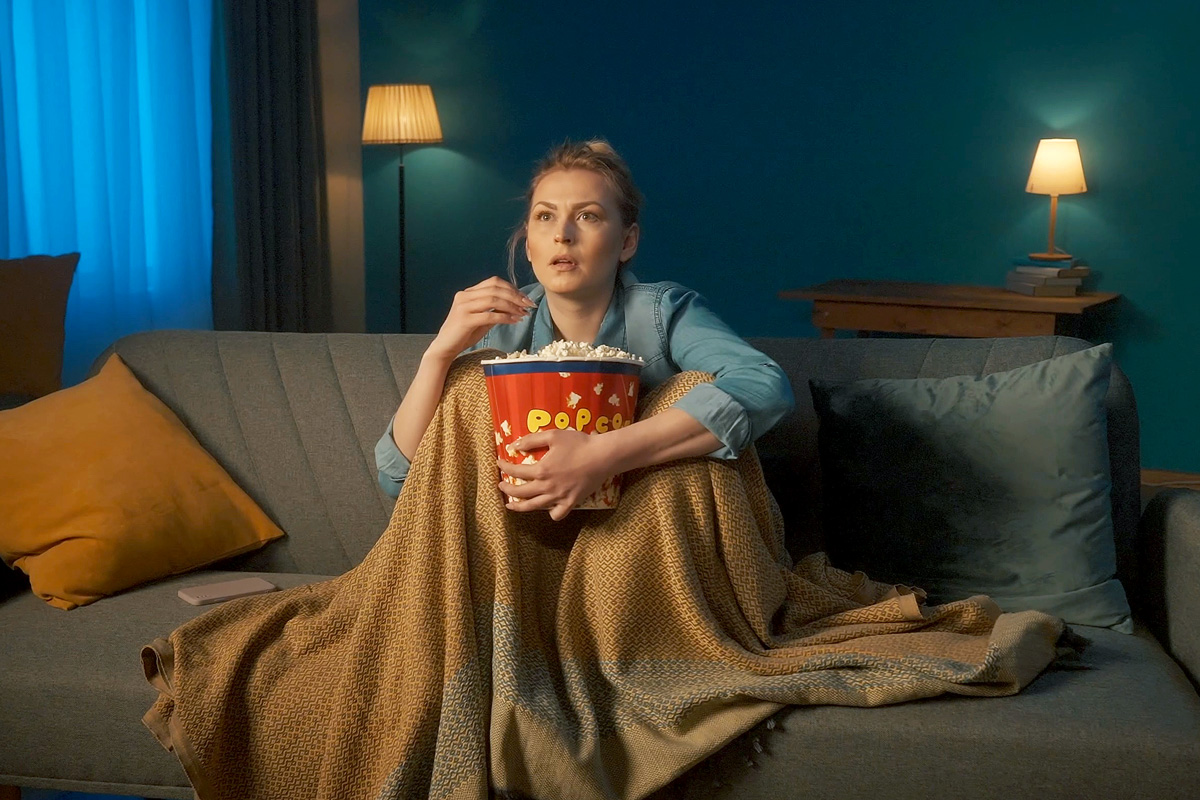

Even when it’s not Halloween, plenty of people pay to shriek their way through dark, fog-filled hallways where actors in masks jump out and scream. They voluntarily curl up with suspenseful books and watch films that fill them with dread and invade their dreams. And yet, despite the gore and jump scares, most of these experiences end with smiles and a desire to do them again.
Haunted houses generate $300 million to $500 million in revenue every year in the U.S., while scary movies such as The Exorcist and The Shining are held in as much regard as classic films like The Godfather and Casablanca. So why do we love things that creep us out when we could watch a feel-good comedy instead? It may be chemical.
What Happens When We Get Scared?
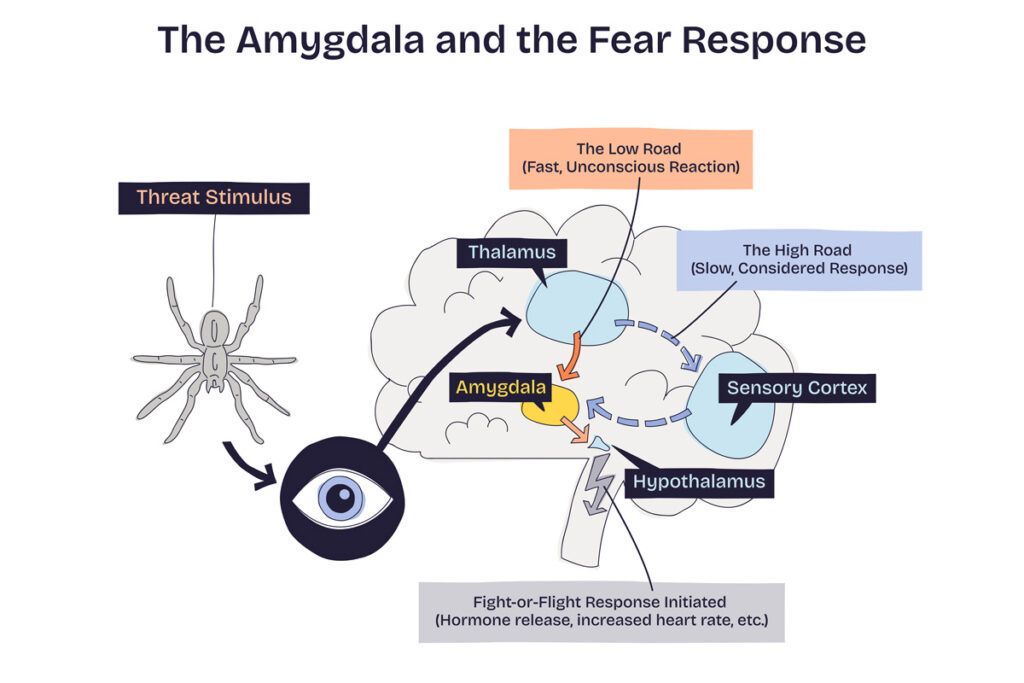
When you sense stress or danger, your body shifts into fight-or-flight mode. This automatic response prepares you to fend off a threat — or at least run away from it really fast. Some people may also freeze or fawn, meaning they try to placate the threat instead of confronting it or fleeing.
A fight-or-flight stimulus triggers the release of adrenaline, which prepares the body for action, and cortisol, which keeps your body on high alert in case the threat persists. That way, whether you fight or flee, you’ll be stronger and faster.
Muscles get most of the attention. They tense, priming for action. The heart beats faster and blood pressure rises to supply them with more blood, while airways open to receive more oxygen. Blood is also diverted from other areas to the muscles, which is why you might experience clammy hands and feet or a dropping sensation in your stomach.

Muscles in the skin, called arrector pili muscles, tighten at the base of hair follicles, which causes goose bumps to appear and hairs to stand up straight. This happens to animals, too, to make them appear larger in front of predators, like when a frightened cat’s tail suddenly poofs up.
Senses heighten and awareness increases. Pupils dilate to take in more light. The stress response activates sweat glands, even if you’re not overheated, which can cause a cold sweat. Endorphins are released to block pain, which is why people injured in fights, car crashes, or other catastrophes often say they couldn’t feel their wounds until later.
In a matter of seconds, the body is prepared to survive — even when, as is the case with watching a scary movie, the threat isn’t real.
Why Would You Want to Feel Like This on Purpose?
If those automatic bodily responses sound intense, it’s because they are. So why would you choose to endure such a state on purpose? There are many theories to explain the horror hounds among us.
Psychologist Dolf Zillmann’s excitation transfer theory, for instance, suggests that all the negative feelings that build up during a frightening experience — suspense, dread, anxiety — convert into a euphoric rush when the threat is over, much like how you feel better after a good cry.
Psychologist Marvin Zuckerman defined sensation seeking as a personality trait that drives some people to seek out new, unusual experiences. He divided it into four types, with thrill-seeking applying to potentially dangerous activities such as diving out of an airplane.
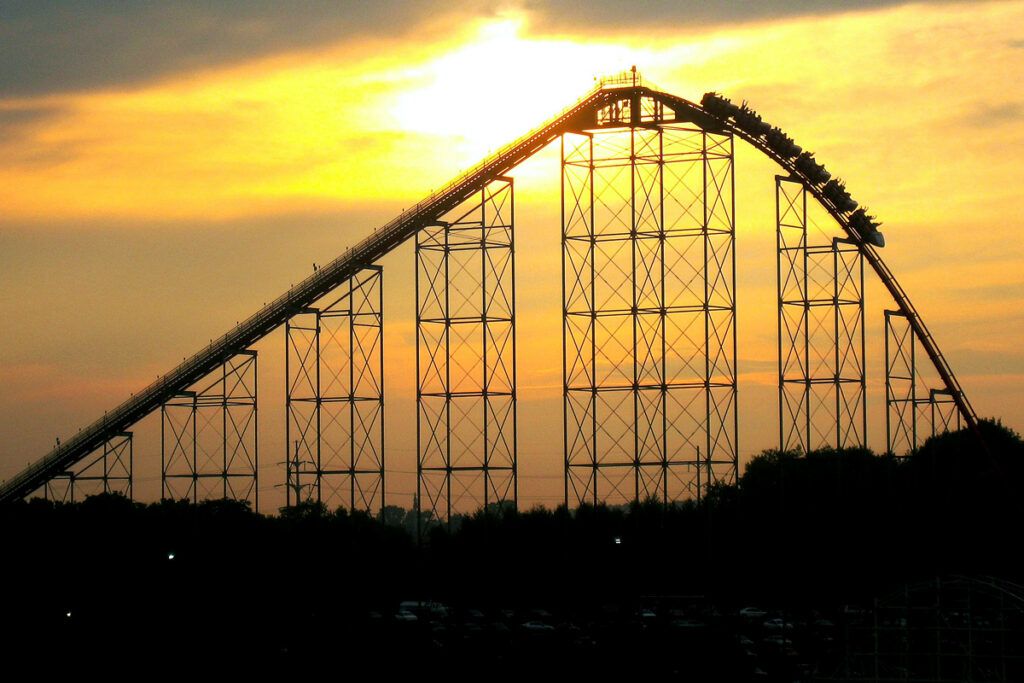
That same logic could be applied to simulated danger, whether it’s fast roller coasters, intense video games, or running from the chainsaw-wielding clowns at a haunted theme park. In the last case, the chainsaws aren’t real and the clowns can’t hurt you, but you still get the same adrenaline rush and endorphin release.

Another potential factor is benign masochism: the idea that we enjoy small doses of unpleasantness — the burn of a spicy pepper, the ache of a deep-tissue massage — when we know there won’t be any lasting damage. Similarly, we can have fun reading Dracula because we know vampires aren’t real.
Some people also seem to crave the rush that comes from adrenaline, even when it’s from risky or frightening experiences, though adrenaline addiction is not currently recognized as a psychological disorder. Adrenaline releases dopamine, which in turn gives us pleasure, and which can reinforce the behavior that produces it.
Another “good” feeling to come from the “bad” of being scared is that we may feel a sense of accomplishment knowing we confronted our fear — and lived to tell the tale, making us more confident in future scary situations.
Horror also presents a safe way to express emotion. We can jump, scream, or otherwise experience fear without ridicule. Professor Marc Malmdorf-Andersen, who studies play and learning, told The Guardian it may be a way to prepare for stressful situations in real life.
It’s also a great way to strengthen our bonds with others through a shared experience. Think of how couples and friends often grab each other’s arms during horror movies or scary rides. Together, we’re having the same primal response as when our ancestors encountered a bear — but it ends with us sharing popcorn and laughing.