CULTURE
Why Do You Look So Different in Photos?
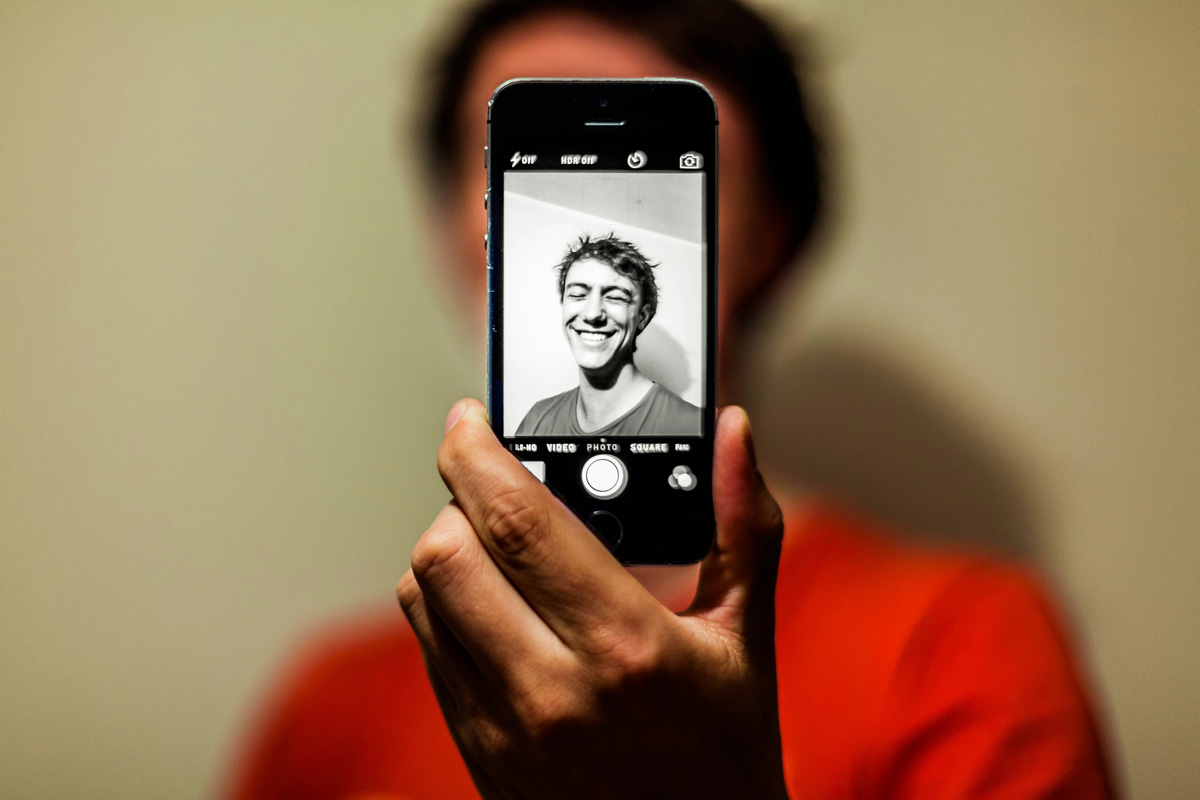
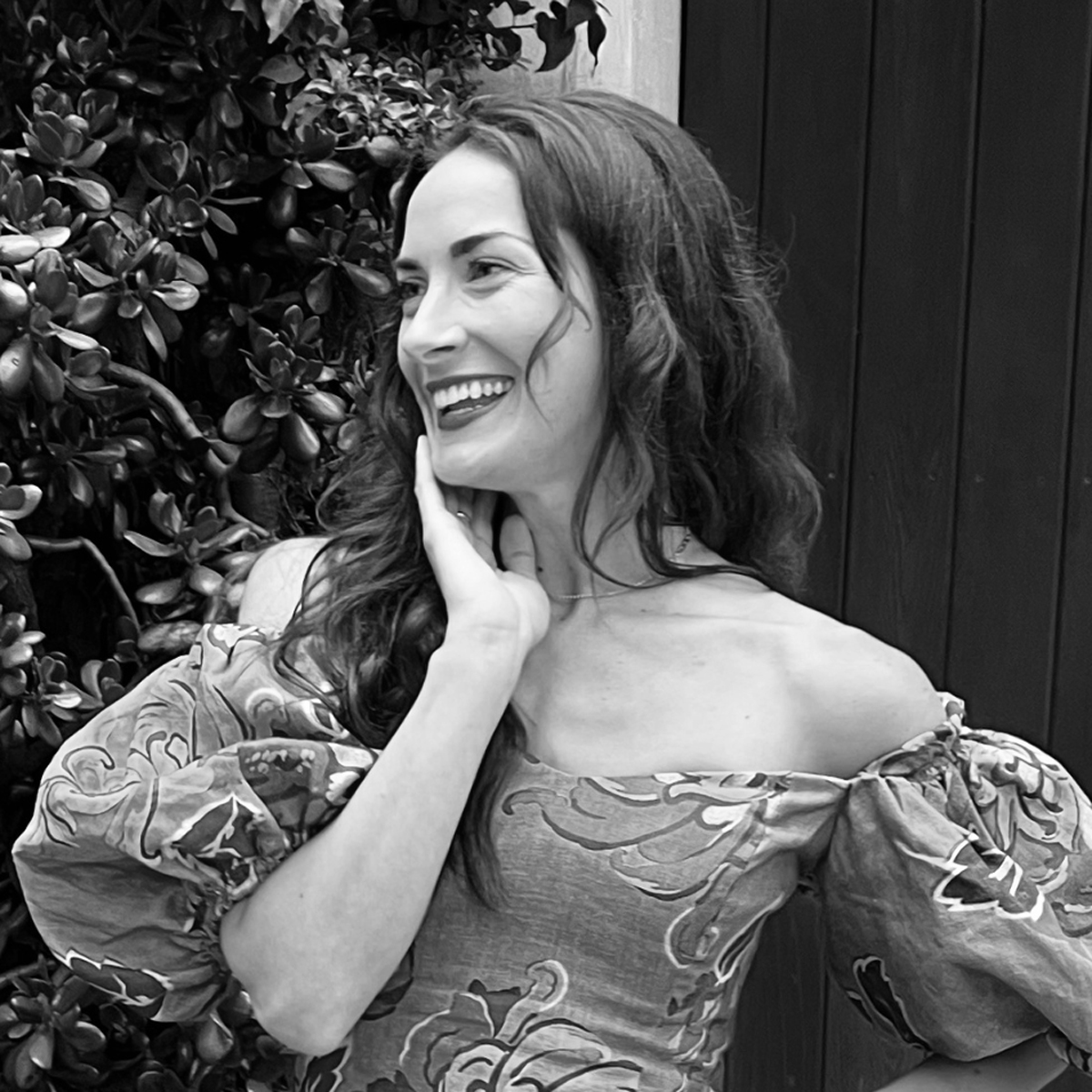
Picture this: You’re wedged into a crowd at the base of the Eiffel Tower, the Trevi Fountain, or the rim of the Grand Canyon — somewhere worth remembering. You snap a selfie and check it out, but can’t help wondering, “Do I really look like that?”
Then a friend offers to take a “real” picture of you with the view. One glance at the result, and it feels like a stranger is staring back. Same face, same day, same phone. So why do the two photos of you look so different? And why doesn’t either of them look like what you see every morning in the mirror?
It’s not just you. Many of us notice significant changes in the way we imagine ourselves to look versus how we appear in photos. Is it something to do with the camera or is it all in your head? Believe it or not, it’s actually both.
Selfies vs. Regular Photos
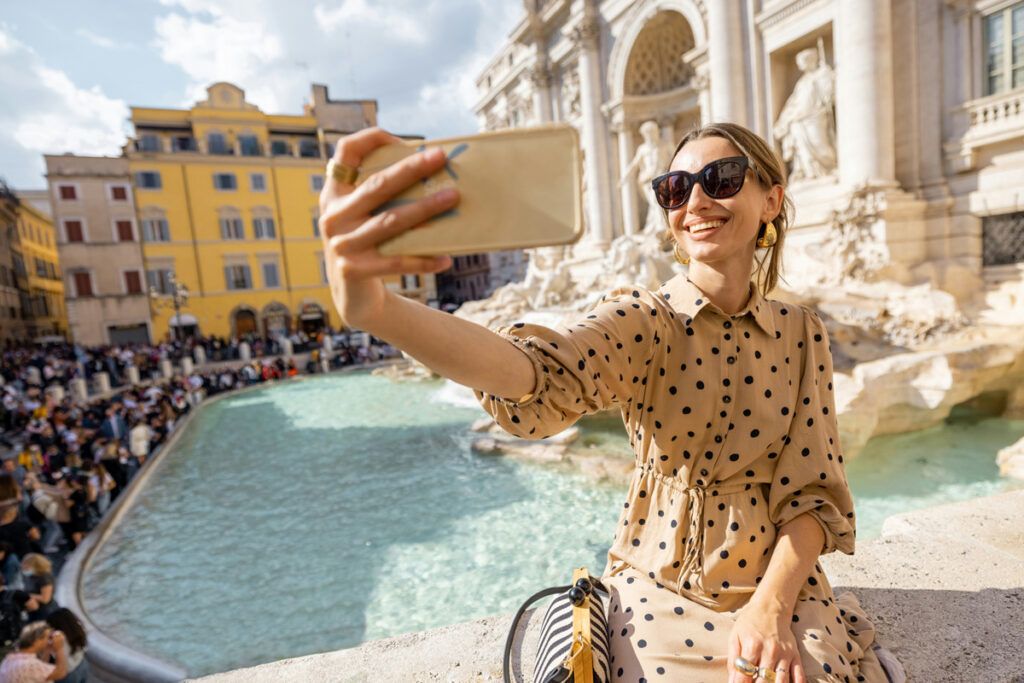
Not only is there a difference between your self-image and what you see in pictures, but you can also look different from photo to photo. When it comes to optical physics, there is a difference between selfies and regular photos. Your arm can only stretch so far, which puts a selfie camera within a couple of feet of your face. At that distance, a standard or telephoto portrait 50-millimeter lens would only capture a close-up of your face.
That’s why smartphone front cameras use wide-angle lenses, generally around 24 millimeters. This allows you to keep the camera close while providing a view wide enough to fit your entire face, perhaps a couple of friends, and a background into the frame. However, this maximum field of view sacrifices accurate facial proportions.
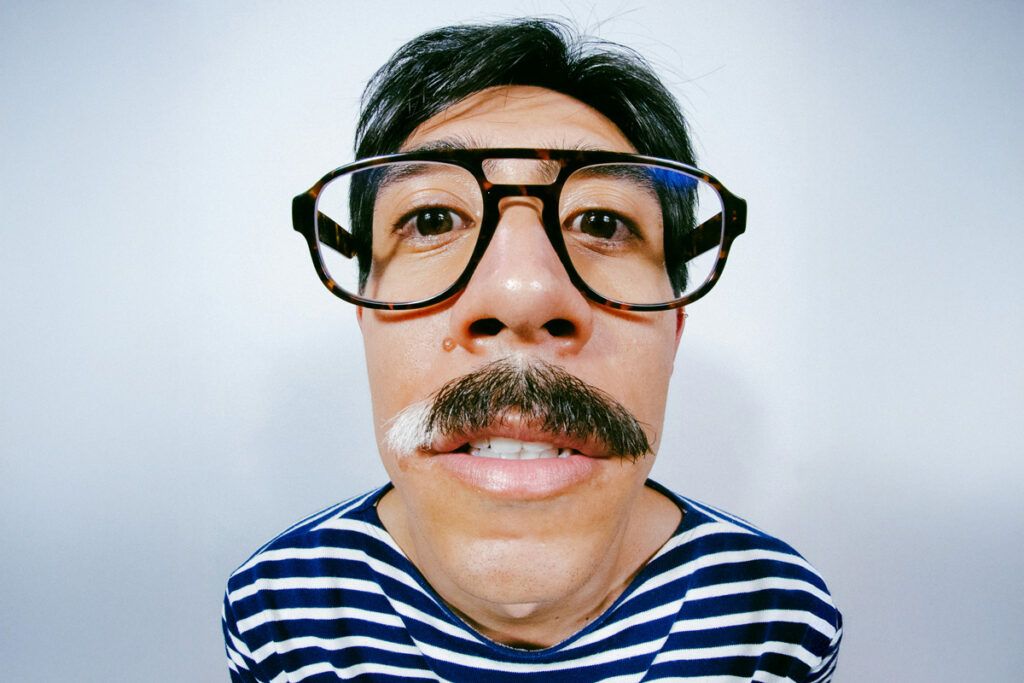
The tradeoff is called barrel distortion. Held this close, a wide-angle lens stretches whatever is physically nearest to it — usually your nose — while objects farther back, such as your ears, shrink in comparison. That’s why selfies often exaggerate the size of your nose in a way that a photo taken from a few feet away wouldn’t.
This change isn’t exactly subtle, either. According to a 2018 Rutgers and Stanford study, a photo taken from 12 inches makes your nose appear roughly 29 to 30% wider than it actually is. From five feet away, a standard portrait distance, that distortion disappears entirely.
Blame Your Brain
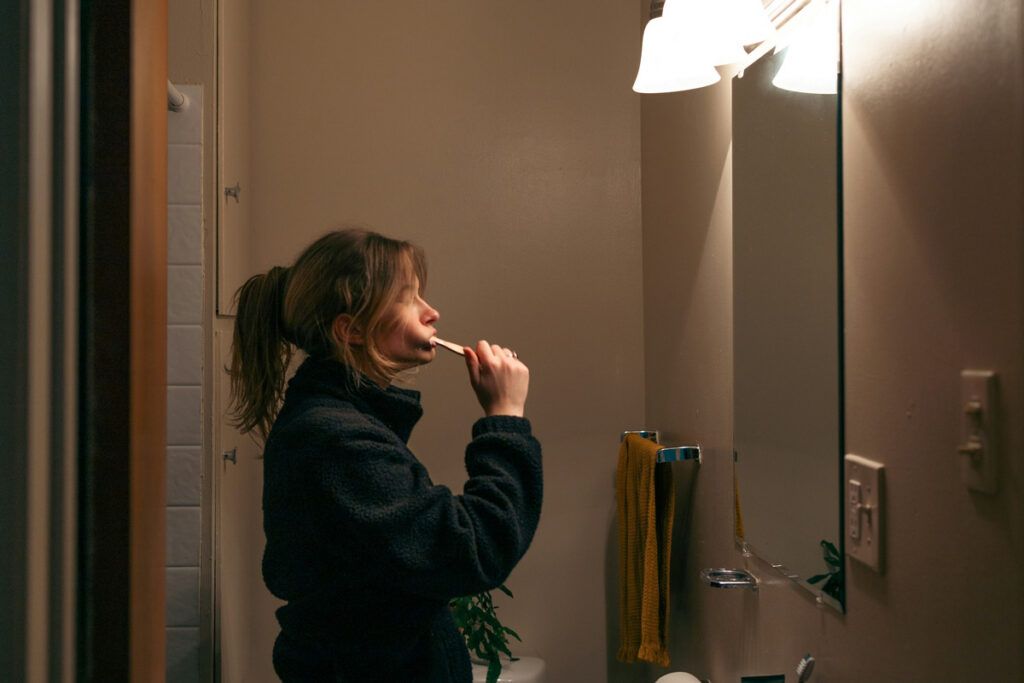
Even if a photo is taken with the right lens at the right distance and accurately captures your proportions, it may still seem different from your own self-image. That incompatibility has nothing to do with the camera (or the person taking the photo). Instead, you can blame your brain, and the fact that you typically see your reflection in the mirror, sometimes several times a day.
Psychologists call the comfort that builds from that regularity “mere-exposure effect.” The more familiar something looks, the more your brain likes it, since recognizable sights take less effort for it to process. After a lifetime of mirror glances, your brain has been conditioned to believe that the reversed reflection is your “true” face.
A photo, though — selfie or otherwise — is not reversed; it reflects how everyone else sees you. Asymmetrical features, such as freckles or a higher eyebrow, appear on the opposite side of where you’d expect. Your brain flags that image as slightly “off,” even though it’s actually the more accurate representation. This triggers mild subconscious dissonance.
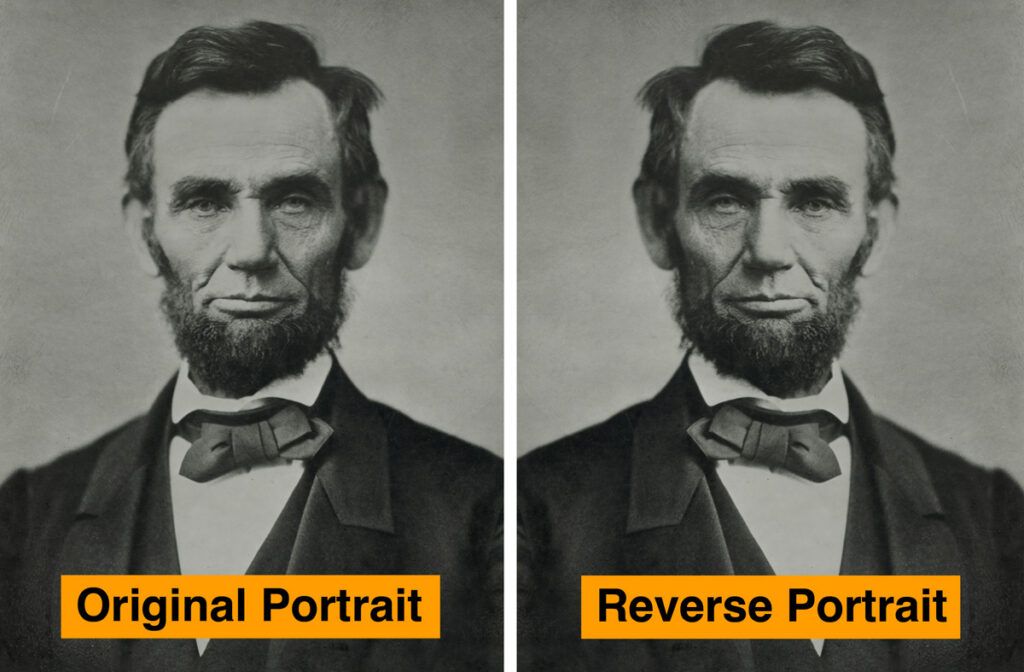
You can test this phenomenon out by taking someone else’s face that you know well and looking at it reversed. For example, a portrait of Abraham Lincoln — reverse it and you’ll see how Abe would’ve seen himself in the mirror. You’ll notice immediately that, to you, it just looks off.
There’s a third, smaller factor at play too. Cameras flatten a three-dimensional face into a two-dimensional plane. Your eyes normally use binocular vision — two eyes working together — to read depth and volume in a face.
A single camera lens can’t replicate that, flattening facial contours and altering perceived proportions. On top of barrel distortion and mere-exposure effect, this can shift how proportional your features look. So any photo is going to look different from reality, unless you’re using a special three-dimensional camera.
So the next time you cringe at a photo a friend snapped of you, remind yourself that it’s not their fault and it’s not your own vanity. Between optical physics and the limitations of a camera, as well as your own biased brain, the face in the scrapbook isn’t going to match the one in your mirror.
Your brain is used to seeing your mirrored reflection every day, so an unreversed photo, with your natural asymmetries flipped to the “wrong” side, can look off. A camera’s flattening of your 3D face into a 2D image also affects how you look in a photo. Selfies can look especially unsettling, because they’re taken closer than typical photos and front-facing cameras use wide-angled lenses that distort whatever’s closest to them (such as your nose) to fit everything in the frame.
Short Answer