NATURE
What’s the Difference Between Yams and Sweet Potatoes?
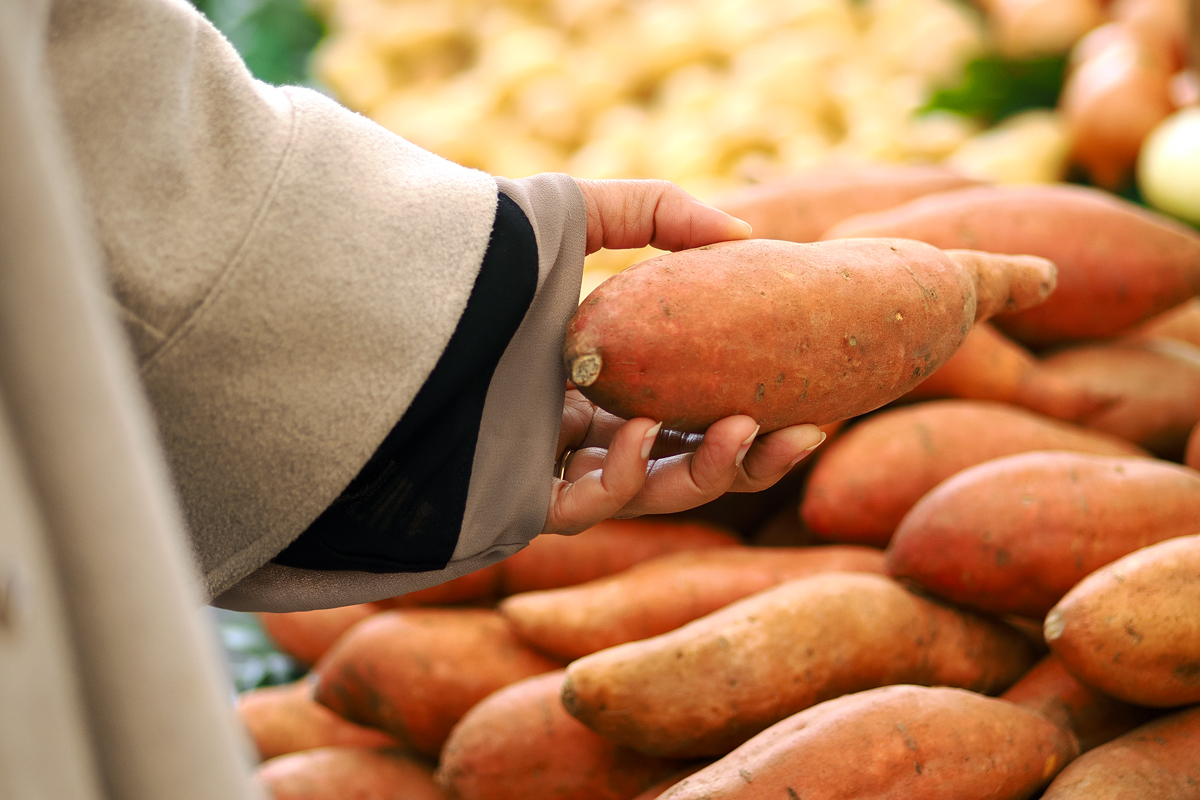

If you’ve ever bought “yams” at an American grocery store, here’s some news: You probably bought sweet potatoes.
The two names are often used interchangeably on produce signs and canned goods, but sweet potatoes and true yams come from entirely different plants. Yams grow on tropical vines, have rough, barklike skin, and are more closely related to lilies than to anything in your Thanksgiving casserole.
So if they’re so different, why are they always mixed up?
Two Plants, One Name
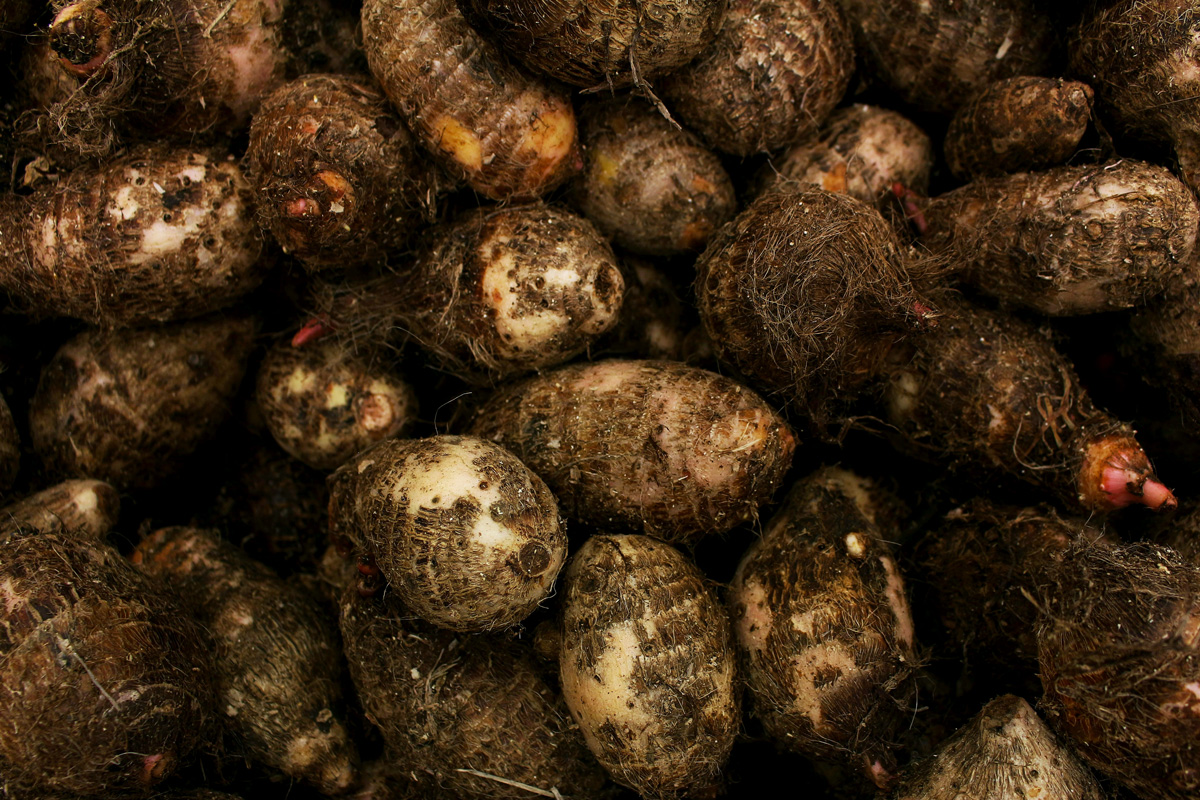
True yams belong to the genus Dioscorea, and, like standard potatoes, they’re tubers: swollen underground stems that store energy for the plant.
Staple crops in West Africa, Asia, and the Caribbean, yams have flesh that can be white, yellow, pink, or purple, and their flavor ranges from mildly sweet to bitter to, well, not much of anything. They also have a starchier, drier texture than you’d expect if you’re only familiar with American “yams.”
Sweet potatoes, on the other hand, are not tubers — meaning they’re fundamentally different from not only yams but also regular potatoes. Rather than the stem, the part of sweet potatoes that we eat is an actual root, like carrots and beets.
Another difference: Potatoes are in the nightshade family, alongside tomatoes and peppers, while sweet potatoes, also known as Ipomoea batatas, are part of the morning glory family (yes, the same flowers climbing your neighbor’s fence). Unlike drier, more bitter yams, sweet potatoes have smooth, thin skin and moist, sweet flesh that’s most familiarly orange.
Why Do They Get Mixed Up?
There are two main reasons that sweet potatoes and yams have become mostly interchangeable terms in the United States: history and marketing. Enslaved Africans in the American South saw a resemblance between soft, orange-fleshed sweet potatoes and the yams that were a major part of their diet in their homeland. They called them “yams” as a derivation of the West African word nyami, which roughly means “to eat.” Over time, the word was shortened to “yam” and spread throughout the South.
Later, in the 1930s, researchers at Louisiana State University launched a campaign to distinguish their state’s soft, orange sweet potatoes from the firmer, paler varieties grown farther north. They used the word “yam” to set their product apart, and growers and grocers ran with it. The U.S. Department of Agriculture (USDA) now requires anything labeled “yam” to also say “sweet potato,” but most shoppers never notice the fine print.
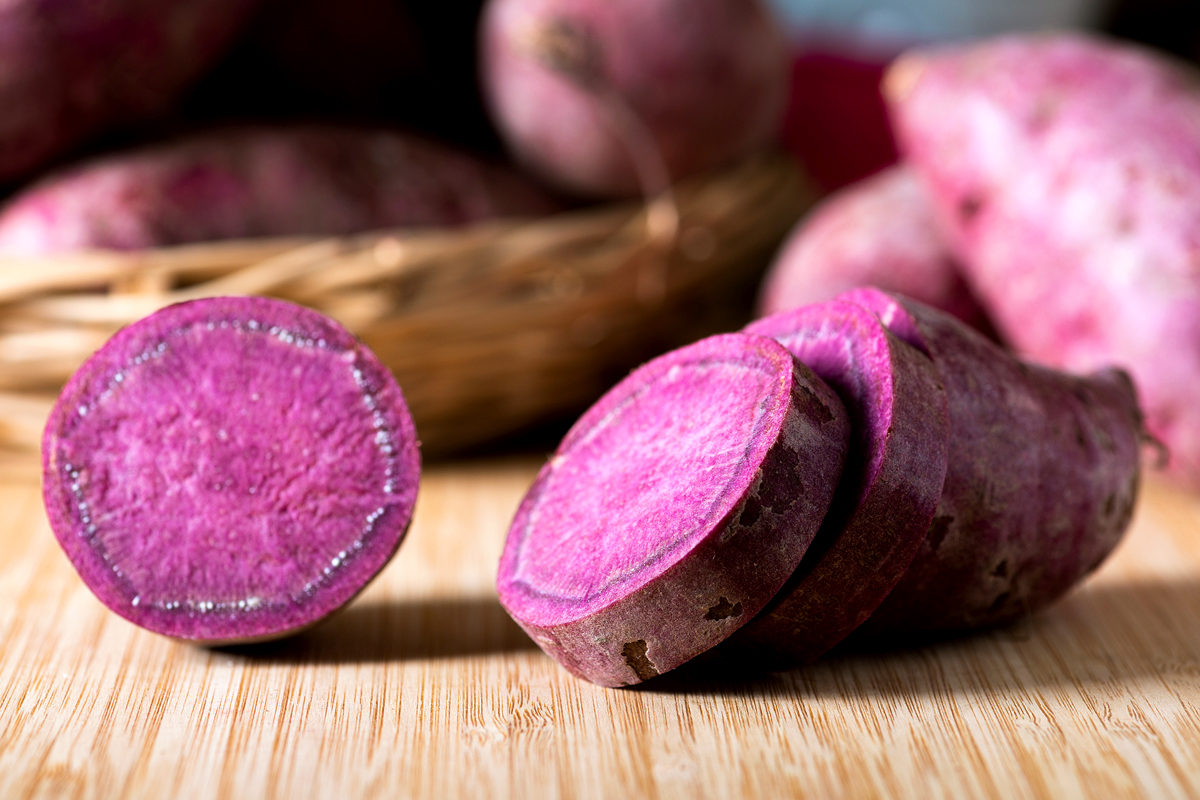
If you want to try the real thing, your best bet is probably an international or Caribbean market — or a Filipino restaurant. Ube, the purple yam that gives many Filipino desserts their violet color, is a true Dioscorea, and is becoming popular around the world.
So this Thanksgiving, there’s nothing stopping you from asking to pass the candied yams. Just know that, botanically speaking, you’re actually eating sweet potatoes.
Yams and sweet potatoes come from two different plant families. True yams are starchy, rough-skinned tubers (stems) grown mostly in tropical regions, while sweet potatoes are moist, sweet roots in the morning glory family. The orange “yams” in most U.S. grocery stores are actually sweet potatoes. Calling them “yams” dates back to enslaved Africans in the American South who found them similar to actual yams found in West Africa, and the name was cemented by a 1930s Louisiana campaign marketing its local crop.
Short Answer