ENGINEERING
How 7 Everyday Objects Got Their Shapes

Some objects are so tied to their shapes that you’ve probably never given a second thought to why they were designed that way in the first place. Often, the reason is far from random. Plane windows, for example, aren’t rounded for aesthetic reasons — their shape actually prevents midair disasters. And an inverted triangle is used for just one type of traffic sign — for good reason. Here is why some everyday objects have such a specific shape.
Yield Signs and Stop Signs
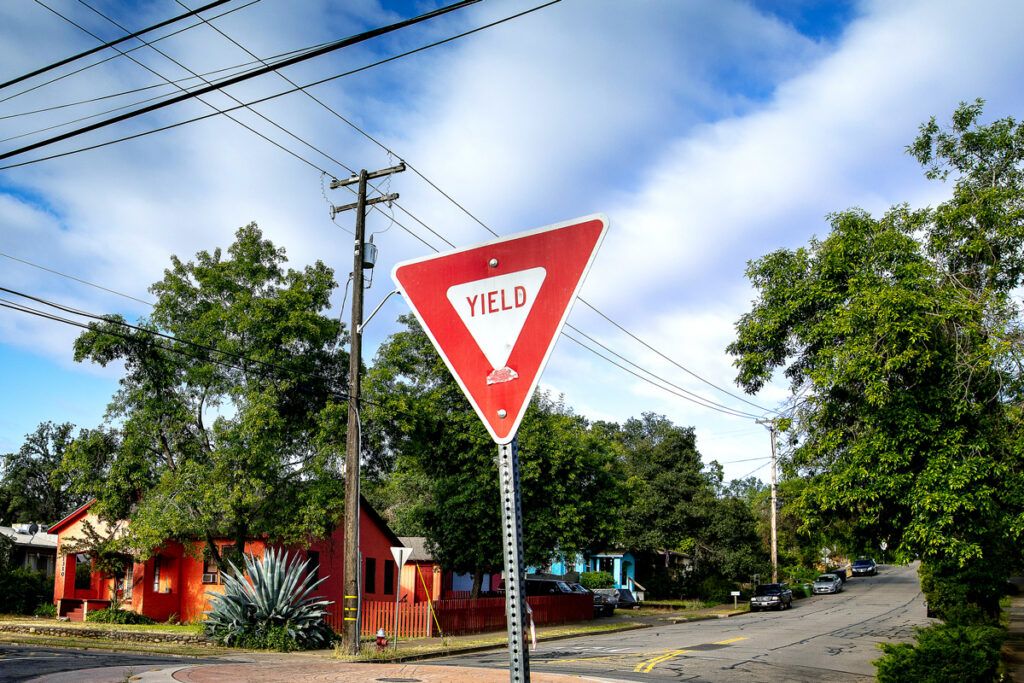
Tulsa police officer Clinton Riggs came up with the idea for yield signs in 1950, after noticing collisions often occurred at a particular intersection when drivers failed to obey right-of-way laws. Though early versions were yellow and keystone-shaped, modern standards require yield signs to be inverted triangles with a red outline.
In fact, yield signs are the only traffic signs shaped as inverted triangles — and that’s entirely the point. Whenever you see an inverted triangle, there is no extra step of determining which type of sign you’re encountering. You know you’re going to have to slow down, then give the right-of-way to any oncoming vehicles or pedestrians.
For the same reason, stop signs are always octagons — you see an octagon, you know it means stop. But why choose an octagon in the first place? Designers reasoned that the more sides a shape had, the higher the level of danger it indicated.
Manholes
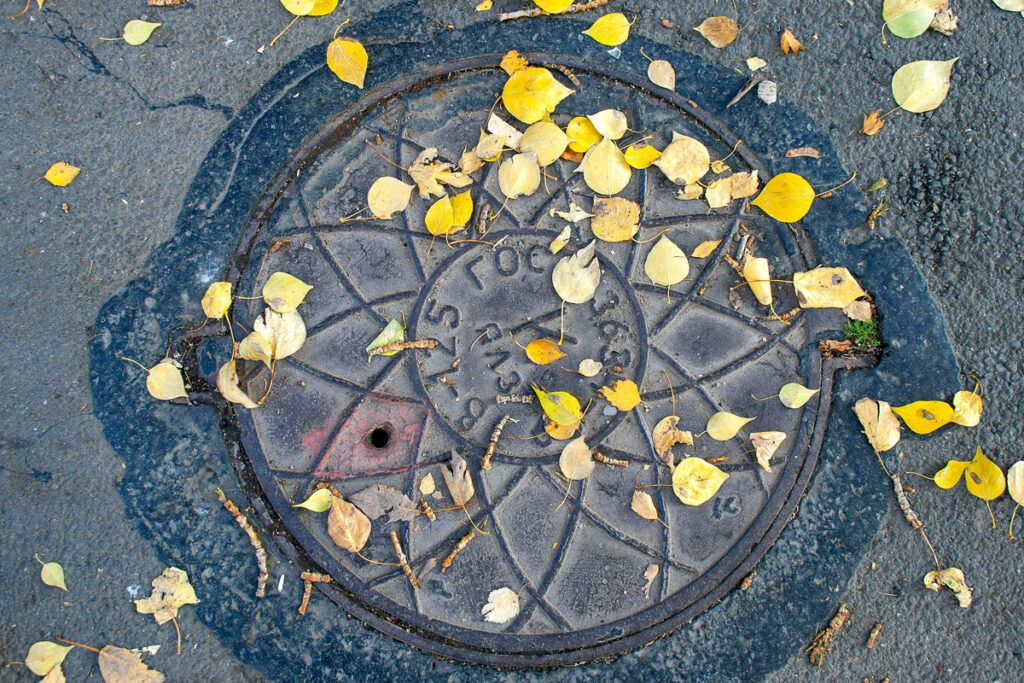
A manhole is round because its circular cover can’t accidentally fall through its opening no matter how it’s placed, but a square, oval, or rectangular lid over a matching hole could if positioned diagonally.
Circular covers are also easier and cheaper to manufacture than square or rectangular ones, plus they’re less work to move. Despite manhole covers being made of heavy concrete or cast iron, workers can roll them where they need to go.
Fire Hydrant Nuts
Most bolts have six sides because hexagons are easy to turn in tight spaces since they only have to be rotated 60 degrees to reach the next flat side. So if you’re tightening a nut deep in your car’s engine, you only need to slightly turn your wrist. Squares would require more effort, and having more sides would leave the bolt susceptible to breakage.
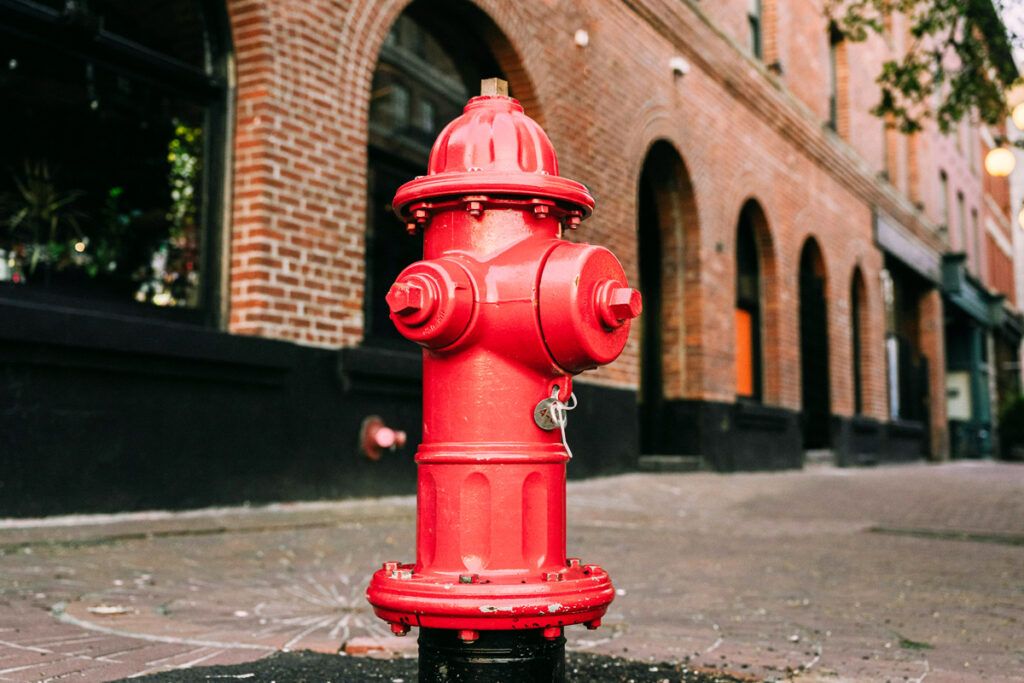
Yet most fire hydrant nuts in the U.S. have five sides, not six. You might have noticed these unique bolts on the top and side of a hydrant when you walk by one. When firefighters need to access water to combat a nearby blaze, they loosen the fasteners. They need to use a special tool, though, because pentagonal nuts and bolts are much less common than hexagonal ones.
This inconvenience is intentional. Making the pentagonal bolts harder to loosen by requiring a nonstandard wrench helps prevent water theft, vandalism, and other unauthorized use of the hydrants.
Airplane Windows
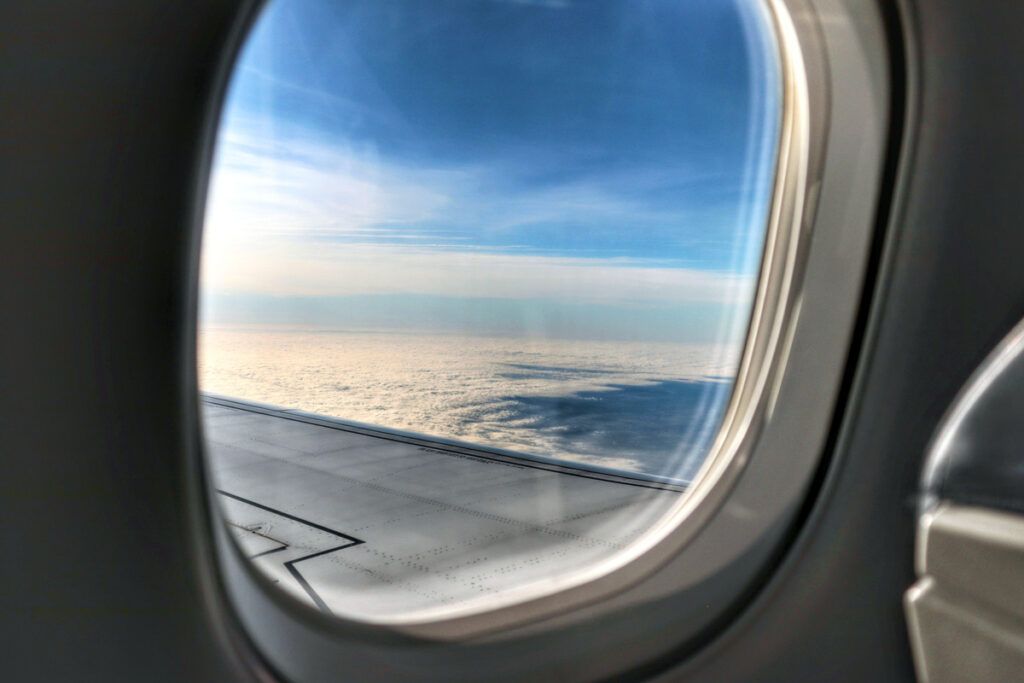
When the first commercial jet — the De Havilland Comet — debuted in the 1950s, it had rectangular windows. This turned out to be a catastrophic mistake. The windows’ sharp corners were especially susceptible to physical stress, and the repeated pressurization and depressurization of the cabin led those corners to weaken — and eventually break.
After three planes fell apart midflight within the span of a year, engineers learned an important lesson. Today’s planes have rounded windows, which spread pressure evenly along their curves and are shaped to fit between the hoops of the fuselage.
Pencils
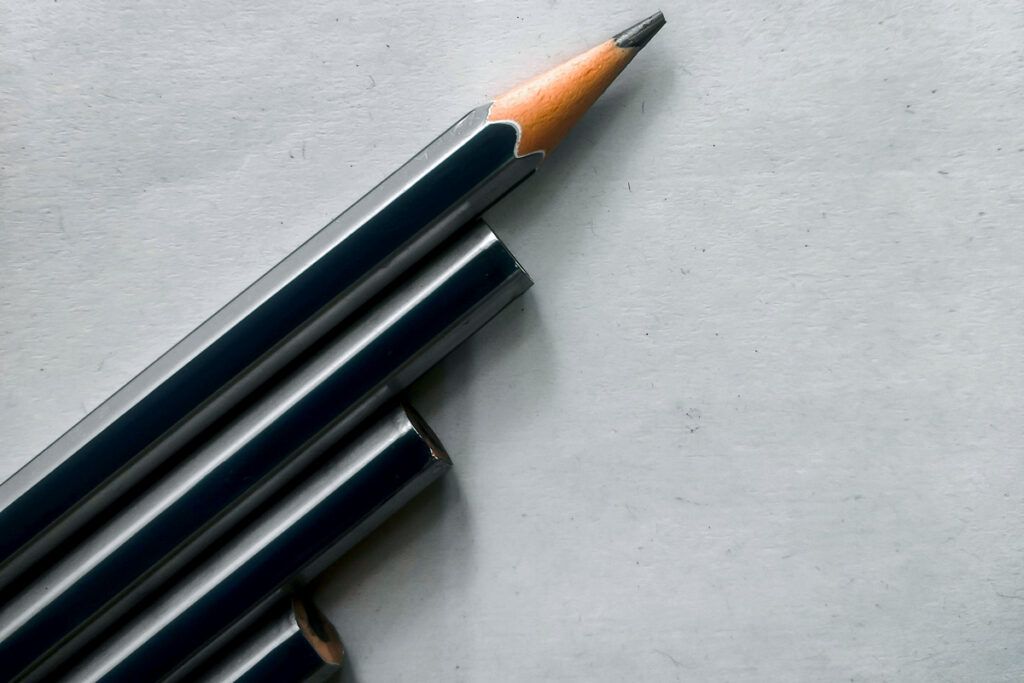
A round object set on its side is convenient when it’s a heavy manhole cover or gym weight you want to move. It’s less so when it’s your pencil repeatedly rolling off your desk. Manufacturers switched to hexagonal pencils to prevent that annoyance.
Hexagons, which have six sides, are also the only shapes that fit together without any gaps, each locking perfectly into place with the surrounding ones. That’s why they’re a common choice for tile floors (and honeycombs). This also makes pencils easier to pack effectively into cartons.
Soda Cans
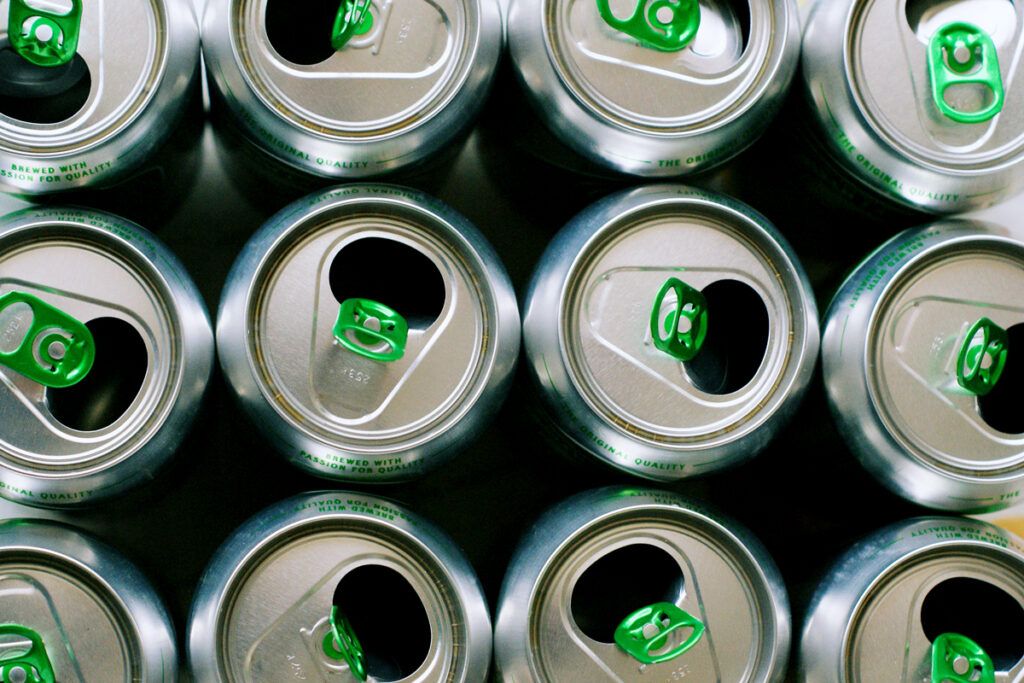
Cylindrical cans are easier and cheaper to manufacture than square or rectangular containers, in part because automated machines can quickly form them by rolling a flat metal sheet into a tube. Cylinders are also great at withstanding pressure, as their curved walls can spread it evenly around the exterior (the same reason airplane windows are round).
Because the cylinder is one of the strongest shapes, it’s often used to store pressurized gases and liquids, such as propane gas or your favorite carbonated beverage. Cylindrical cans are also easier to pack and store, because they can be stacked atop one another without crushing and deforming the ones below.
Coins
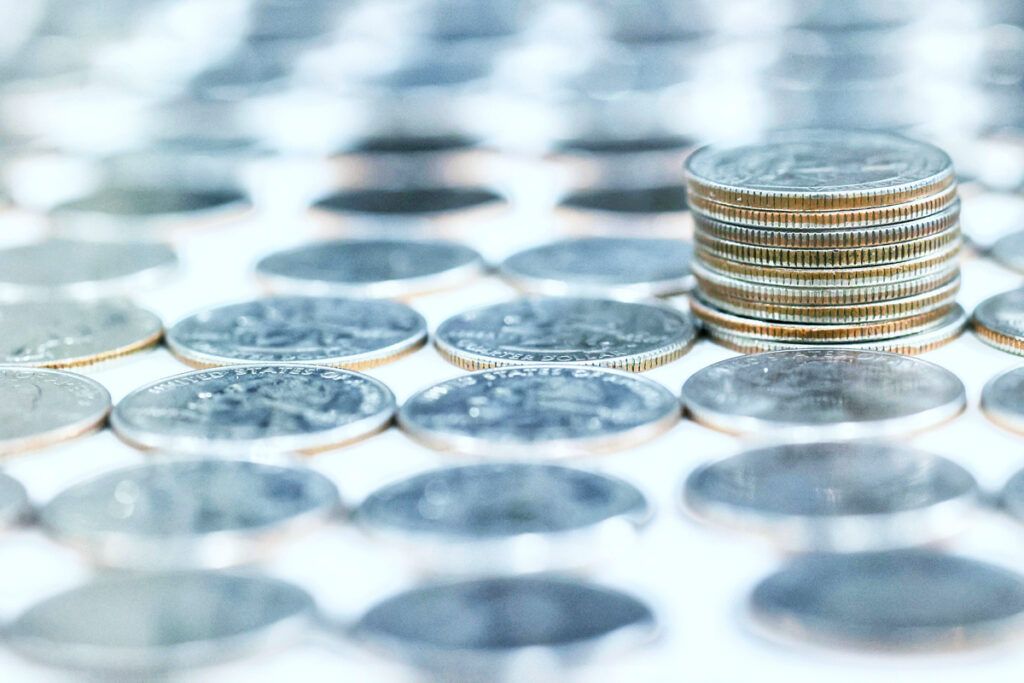
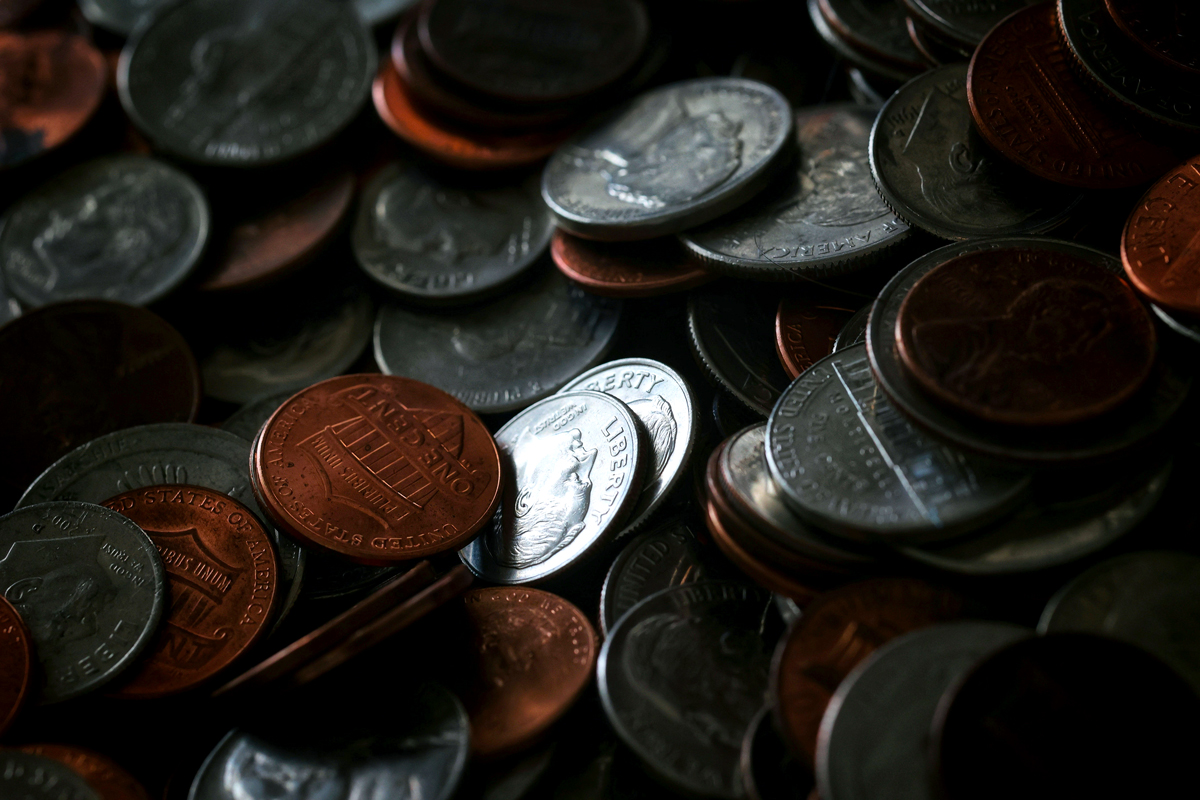
Back when coins were made from silver and gold, thieves would shave tiny slivers off the edges to melt down and resell the precious metal, before passing off the altered, slightly smaller coins as though they were still worth their original value. In the 17th century, mint workers added ridges to the sides so that you could tell if a coin had been clipped.
When mints stopped using gold and silver, it was cheaper to leave these ridges, also known as reeds, in place rather than redesign the machines that pressed coins. Ridges also make it easier to feel for and identify coins in your pocket, especially if you’re visually impaired.
One final reason coins are still ridged today is because it’s simply tradition. This goes to show that even when a specific shape no longer serves a purpose for something, it can tend to stick around.