HEALTH
How Are Arteries Different From Veins?
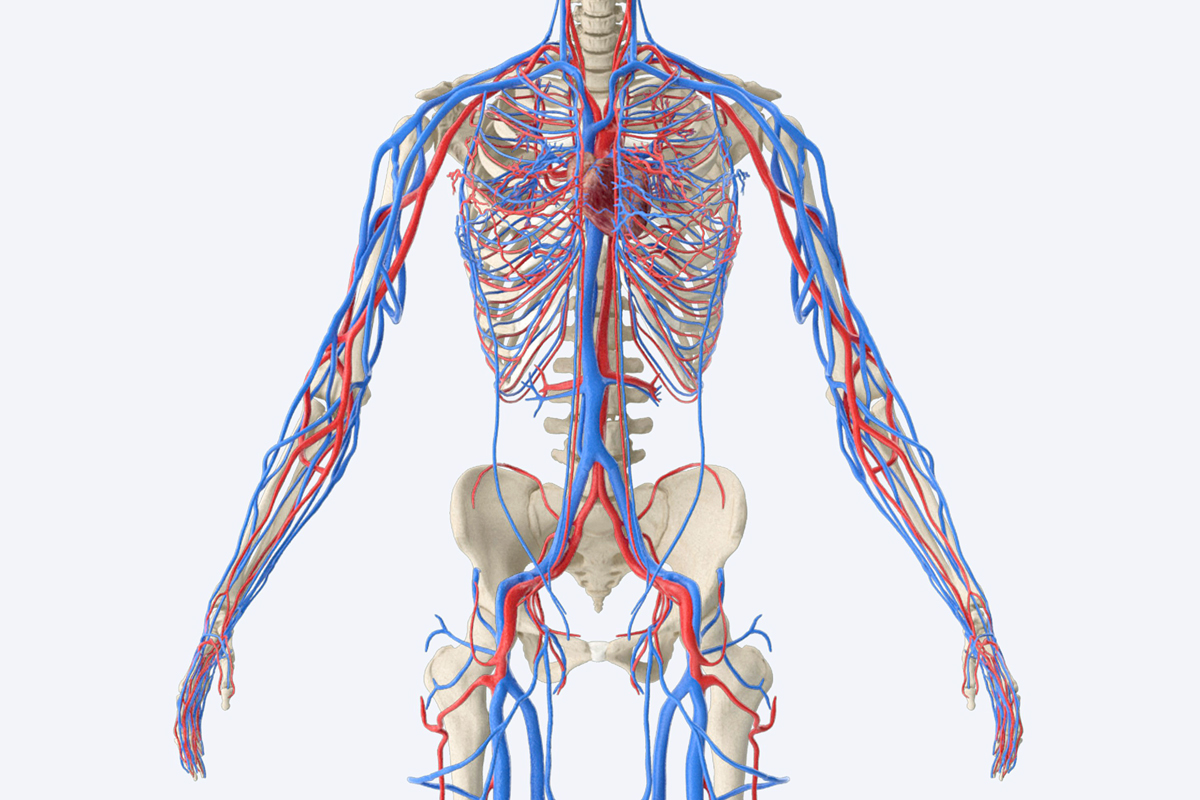

Look at the inside of your wrist, and you can probably spot a few veins beneath your skin. Press your fingers nearby, and you may also feel the steady pulse of an artery. Both arteries and veins are blood vessels: When blood is pumped by the heart, it’s carried through arteries to the rest of the body before returning to the heart through your veins. Because arteries and veins have different tasks, they’re built a bit differently. Here’s how.
Designed for Life
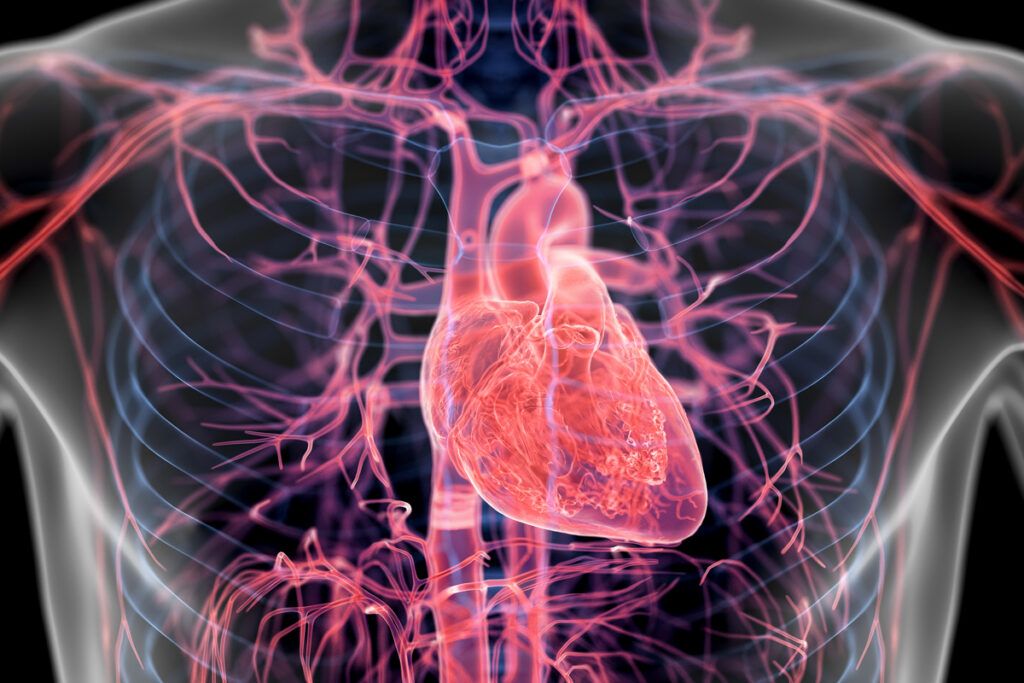
Arteries are designed to be able to handle the wave of pressure produced by each heartbeat, which forces blood into the arteries. Arterial walls must be strong enough to withstand that repeated surge but stretchy enough to expand with it.
The blood courses throughout the body and travels through increasingly smaller arteries, like a river branching into smaller streams and tributaries. When it reaches the capillaries, oxygen, nutrients, and waste are exchanged with the surrounding tissues.
By the time blood reaches the veins to be returned to the heart, much of that pressure has faded. That means veins don’t need the same thick, springy walls as arteries. They’re softer, roomier, and built to carry a large volume of slower-moving blood back to the heart. You can think of arteries as the sturdy delivery tubes, while veins are the roomy, flexible return routes.
Same Ingredients, Different Recipe
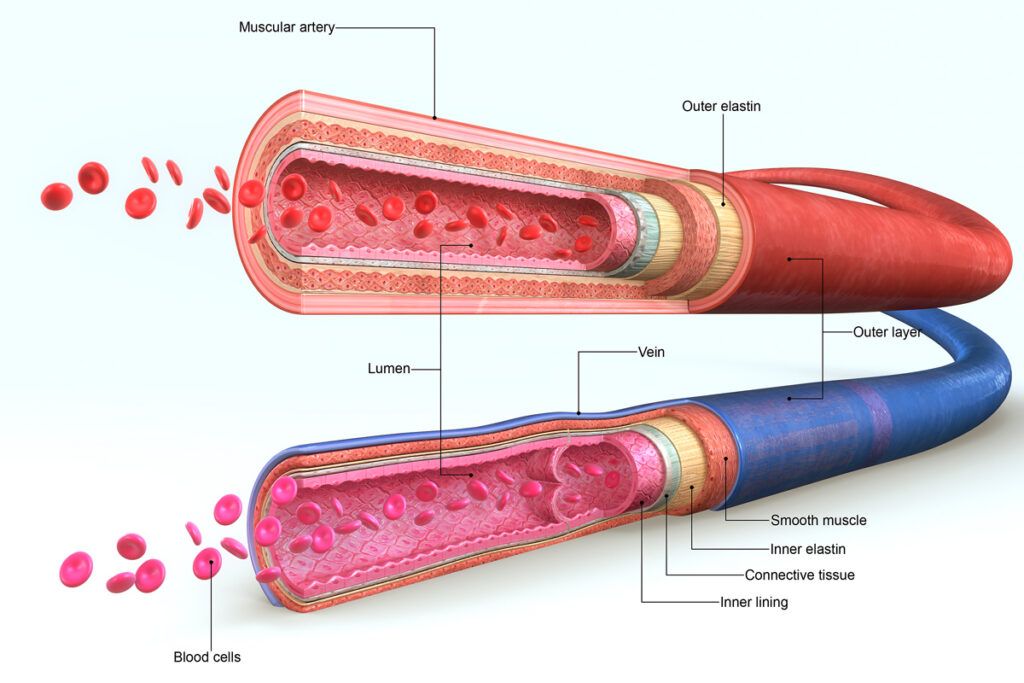
Arteries and veins are made from the same three basic layers, known as tunics (named after the garment ancient Romans wore). The innermost layer provides a smooth surface for blood to slide over. The middle layer contains smooth muscle and elastic material. The outer layer is made mostly from supportive connective tissue, primarily collagen, which holds the shape and connects the vessel to surrounding tissues.
What changes between arteries and veins isn’t so much the ingredients as the amount of each material in the mix. In an artery, the muscular middle layer is the thickest part of its wall. This helps the vessel handle the high pressure of the blood coming from the heart and tighten or relax to control blood flow. In a vein, the middle layer is thinner, while the supportive outer layer is generally the thickest.
Veins Have Valves
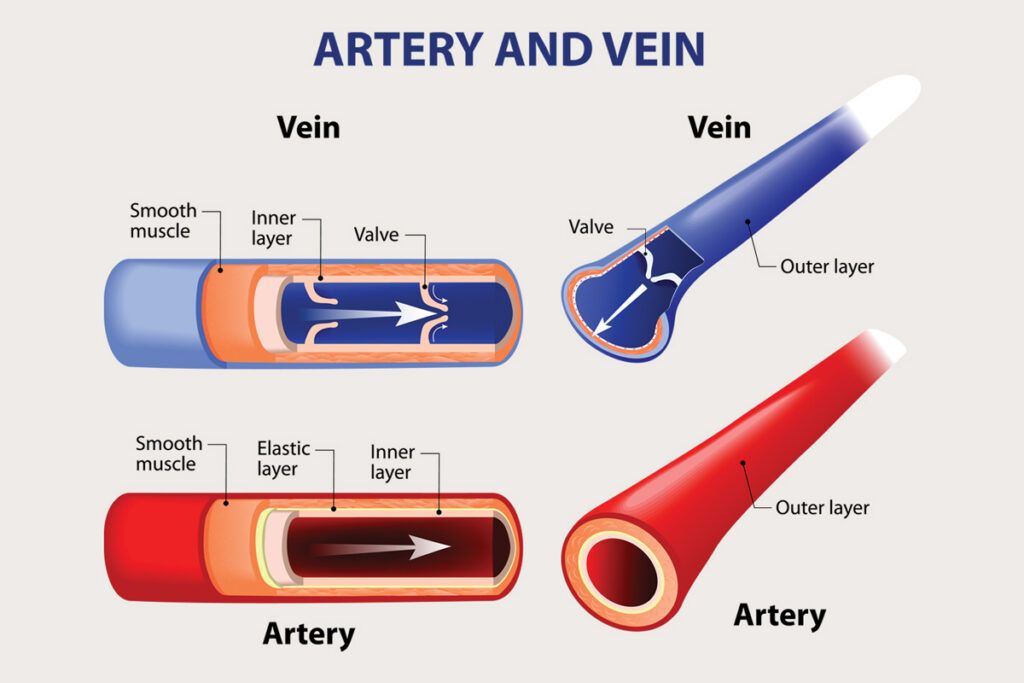
Arteries generally do not need valves along their routes because pressure from the heart keeps blood moving forward in one direction. Many medium-sized veins, especially those in the legs, need a little help returning blood to the heart against gravity (which is why blood can pool in your feet when you sit on a plane too long). Their valves prevent blood from flowing backward.
These valves are small folds in the vein’s inner lining. Blood traveling toward the heart pushes the flaps open. If it starts moving backward, the flaps fill with blood and close, working like tiny one-way doors.
Arteries Have Extra Reinforcement
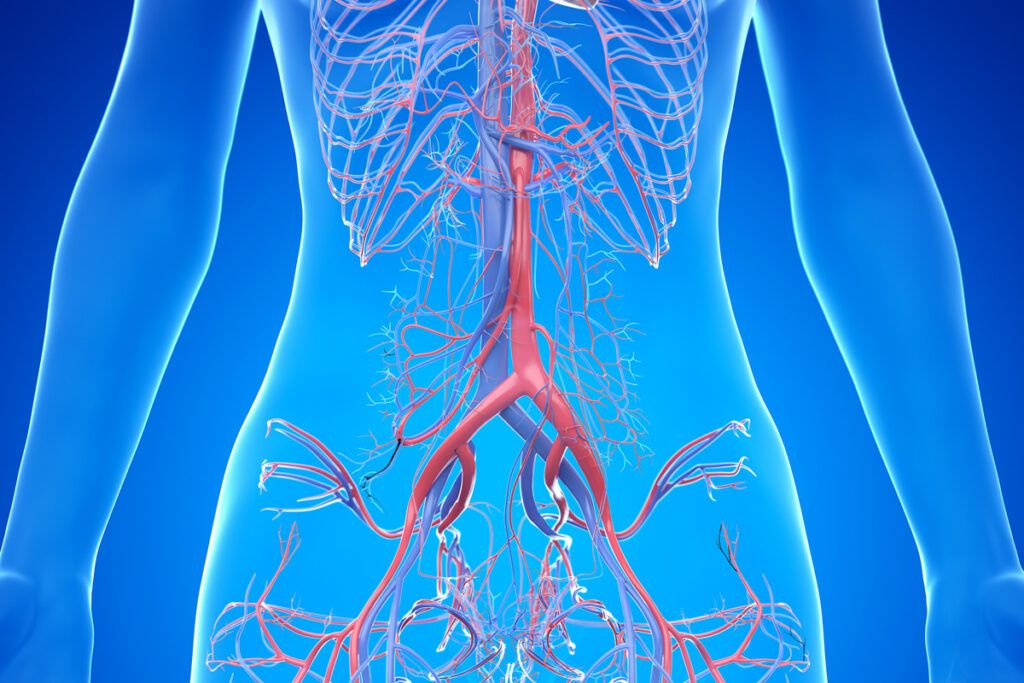
Many arteries contain clearly defined sheets of stretchy tissue called elastic laminae. In muscular arteries, these sheets help mark the boundaries between the wall’s main layers. Veins generally contain less elastic tissue; because they don’t have to handle the same kind of pressure, their elastic layers are often thinner, less distinct, or entirely absent.
The body’s largest arteries have even more reinforcement. The aorta — the main artery that carries blood from the heart to the rest of the body — has many sheets of elastic material interspersed with smooth muscle in its middle layer. These sheets let the vessel expand when the heart pumps blood into it and snap back afterward, almost like a stretched-out rubber band.
Veins Get Extra Help From Your Muscles

Arteries contain plenty of muscle in their own walls, which allows them to narrow or widen. But blood moves through them mainly because of pressure created by the heart. Veins contain some smooth muscle too, but they carry blood under much lower pressure, so they receive extra help from the skeletal muscles around them.
When you walk, the muscles in your legs squeeze nearby veins and push the blood upward. The mechanical motion helps move blood the same way you squeeze toothpaste from one end of the tube to the other. The valves keep it from sliding back down when those muscles relax. Even breathing helps: Changes in pressure inside the chest encourage venous blood to flow toward the heart.
What Do Arteries and Veins Look Like?
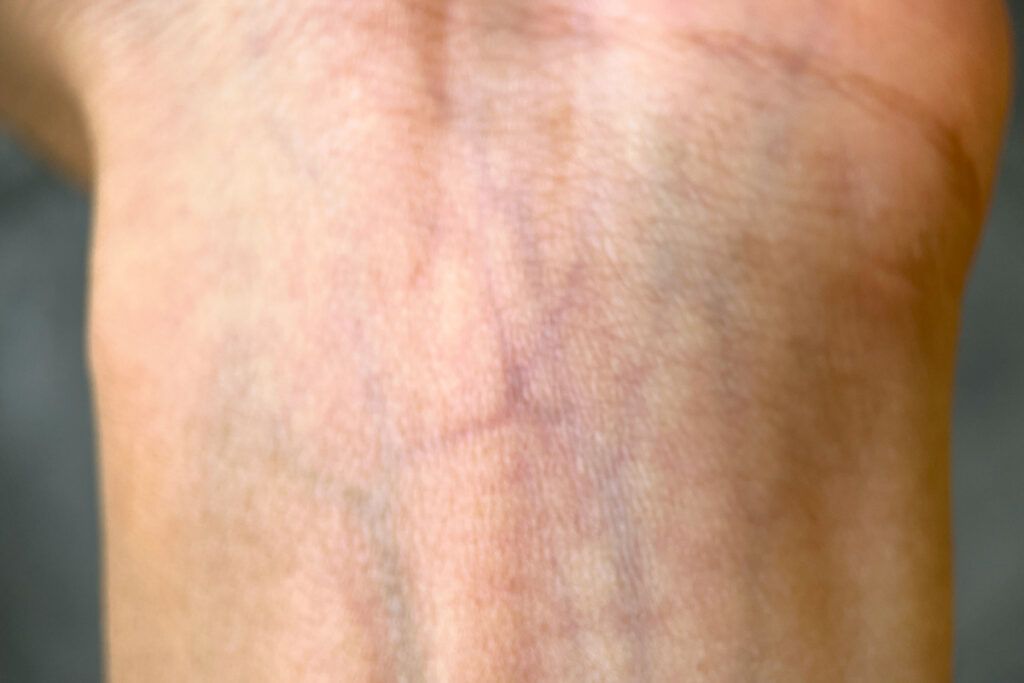
The veins beneath your skin may look blue or green, but of course, the blood inside them isn’t blue. Typically, the blood in your veins is dark red, while oxygen-rich arterial blood is usually a brighter red. The blue-green effect actually comes from the way skin and other tissues absorb and scatter light. A blood vessel’s depth and width also affect the color your eyes perceive. Arteries are often harder to see because many of them run deeper inside the body, but they may give away their location with a pulse.
If you were able to see the veins and arteries inside your body, other differences would become apparent, too. Arteries are sturdier and thicker, while veins are thinner and have a larger opening (called a lumen) relative to their overall size.
Once empty, a vein tends to flatten or collapse, producing an oval or irregular outline. Under a microscope, an artery may look like a neat ring, while a vein resembles a squashed drinking straw. But when both are healthy, their contrasting designs work together seamlessly to keep one of the body’s most essential substances moving.