HEALTH
Every Bone in Your Hand, Explained
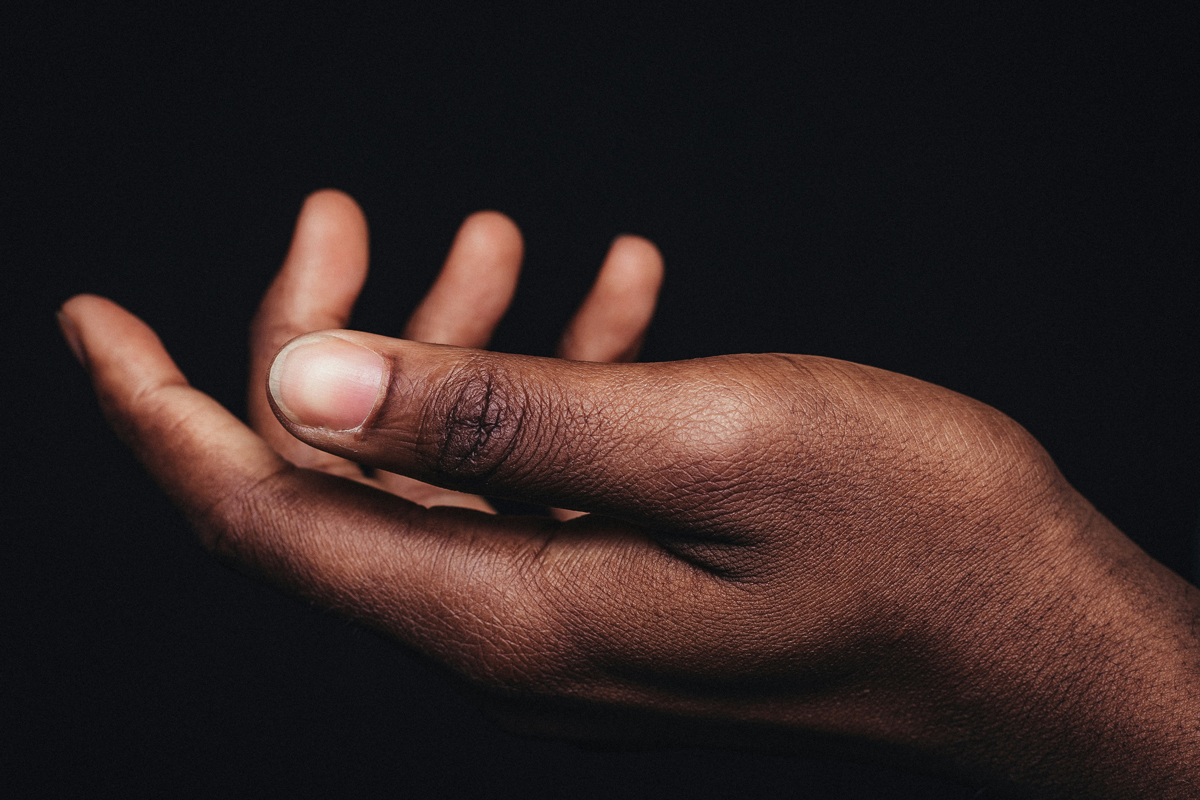

How many bones do your hands have? It’s more than you can count on one (or two) hands, but the answer is even trickier than you might expect. A typical human hand has 27 bones divided among three main bone types — but when it comes to the fourth type, the number of bones varies from person to person.
So the next time you shake hands with someone, consider that one person’s hand may be bonier than the other’s. Here’s every bone in your hand, explained.
Phalanges
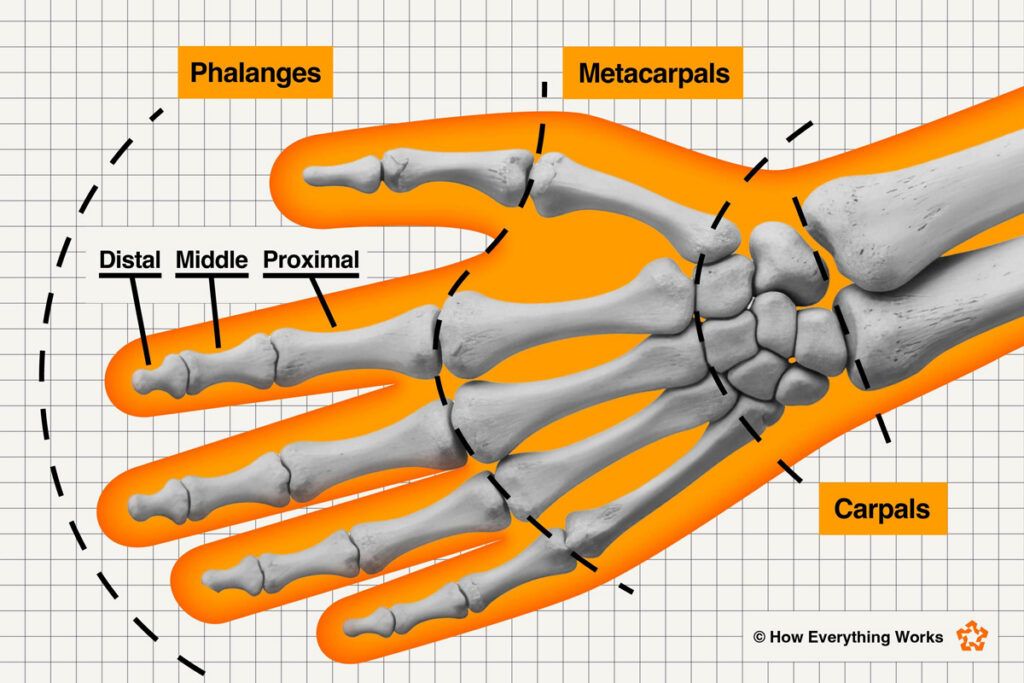
Fourteen of the 27 major bones in your hand are known as phalanges, which are located in the fingers. The index, middle, ring, and little fingers each have three phalanges: the distal phalanx at their tip, the middle phalanx just below that, and a proximal phalanx closer to the rest of the hand. The thumb has only two phalanges, the distal and the proximal. You probably have a good idea where each phalanx starts and stops, since your knuckles are the joints that connect them.
Distal phalanges primarily offer support to the sensitive nerve endings in your fingertips, fingernails, and the pads located on the underside of each finger. The middle phalanges provide flexibility and function, allowing fingers to bend in two different spots.
Proximal phalanges offer structural support as well, serving as anchors that connect fingers to the rest of the hand. Together, phalanges work to allow for easy digital manipulation, as well as the ability to touch and grab onto objects — without them, your hands would feel less like gloves and more like mittens.
Metacarpal Bones
The second of three major bone groups is the metacarpal bones, which you quite literally hold in the palms of your hands. Your hand has five metacarpals, with each corresponding to a different finger. The first metacarpal bone connects to the thumb, the second to the index finger, and so on.
Metacarpal bones connect your fingers to your wrist and are similar to the interior framework of any well-built home, providing critical structural support and also being responsible for the hand’s cupped shape.
Each metacarpal contains four distinct components, the first being a head that connects to the phalanges. The head is connected to the neck, which is connected to the shaft that makes up most of the metacarpal’s length, and finally that shaft is connected by the base to the wrist.
Carpal Bones
The third major bone group in the hand is the carpals — a far-too-familiar word to folks who type for a living. There are eight carpal bones, arranged in two groups of four. Moving from the pinky to the thumb, the proximal row (i.e., the row that’s closer to the forearm) contains the pisiform, triquetral, lunate, and scaphoid bones. (The scaphoid is actually one of the easiest bones in your body to fracture.) The distal row (i.e., closer to the fingers) has the trapezium, trapezoid, capitate, and hamate bones.
The scaphoid and lunate bones form a joint with your forearm, which allows the wrist to rotate. It’s within the pisiform, hamate, scaphoid, and trapezium bones that you’ll find that space called the carpal tunnel. This space allows tendons, ligaments, and nerves to pass from the arm to the rest of the hand, like those conduit pipes you see running along a basement that contain a building’s wires and phone lines.
When there’s inflammation inside the tunnel and everything squeezes together, the pressure on the median nerve causes pain, and you (unfortunately) get carpal tunnel syndrome.
Sesamoid Bones
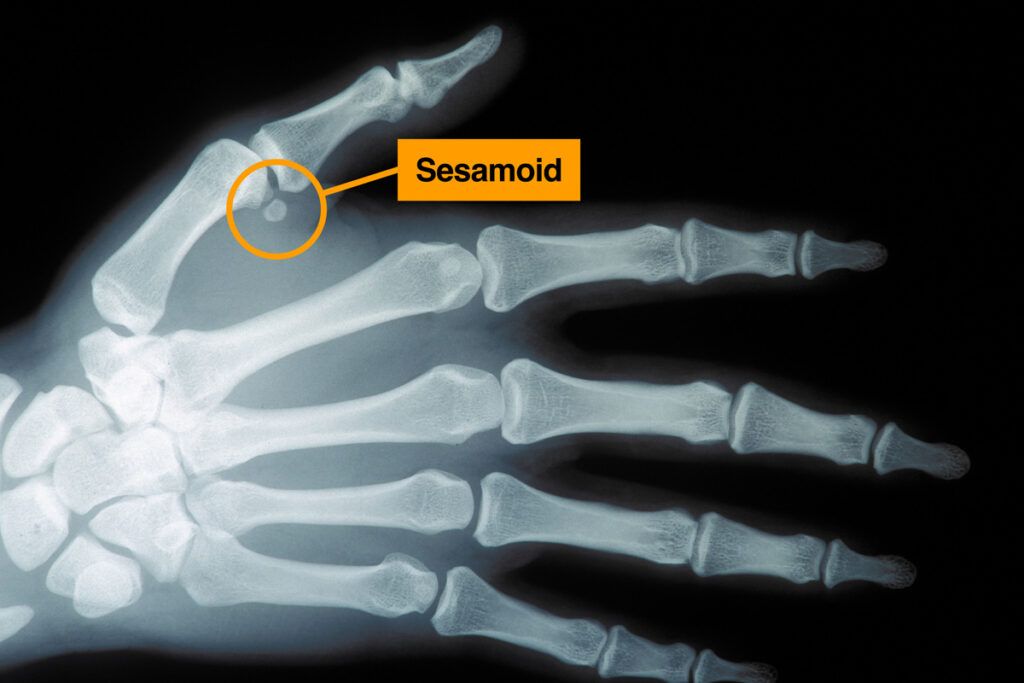
There’s a fourth type of bone in the hand that doesn’t fall into any of the three main categories: the sesamoid bone. These aren’t considered major bones like the others because rather than connecting to other bones via joints and tendons, they’re embedded in muscles and tendons directly. Also, because the number of sesamoids can vary from person to person, they aren’t counted in the human skeleton’s official 206-bone count.
Most people have at least one sesamoid in their thumb, if not more, though some have them in their index finger or other fingers. The main purpose of sesamoid bones is to provide support and strength to muscles and tendons. Sort of like an expert masseuse, sesamoid bones relieve tension in hand tissues, which allows those muscles and tendons to take on greater force with a far lower risk of injury. The sesamoids also redistribute external pressure, taking the weight off a tendon that could otherwise be damaged or snap under too much force.
What Else is in the Hand?
In addition to bones, your hands contain muscles, ligaments, tendons, sheaths, and nerves. There are 34 muscles throughout the hand and forearm, which give us power, precision, and functional support. The thenar muscles control the thumbs, the hypothenar muscles are located on the palm’s outer edge below the pinky, the interossei muscles are between the metacarpal bones, and the lumbricals are muscles that allow for flexibility of the four non-thumb fingers. Additional muscles located in and below the wrist allow your hands to bend.
The ligaments in the hand allow for smooth movement of your joints, prevent those joints from hyperextending, and help maintain their alignment. There are several categories of ligaments, starting with collateral ligaments. These run along the outside of fingers and stop them from bending too far in any direction.
Then there’s the volar plate, which stabilizes phalanges and prevents them from bending too far backwards. There’s also the palmar fascia, a ligament that runs under the palm to hold the skin in place and provide better grip.
There are two major types of hand tendons, which connect muscle to bone. The extensor tendons allow us to extend your fingers out straight, while the flexor tendons allow us to curl them. Tendons are also surrounded by sheaths, which are protective tubes that help lubricate tendons and keep them firmly in place.
Your hands also contain radial, median, and ulnar nerves, which detect pain, pressure, temperature, and, of course, touch — which is a big reason you have hands to begin with.