CULTURE
What Gives Mint Its Cooling Sensation?


If you stuck a thermometer in your mouth right after brushing your teeth or popping in a breath mint, it would read about the same as it did before. The feel of your mouth, on the other hand, would tell you a different story.
That cool, crisp feeling from toothpaste, gum, or a mint candy isn’t happening in your mouth so much as it is to your nerves. That’s because mint has found a way to tell your brain that it’s coming in cold, even when it’s not.
Your Nerves Are Being Played

Peppermint and spearmint aren’t just flavors — they’re both types of plants in the genus Mentha. It’s not a coincidence that the Latin name sounds similar to “menthol,” which is a chemical compound you’ll find in peppermint and its cousins.
Menthol is to mint what capsaicin is to chili peppers. One (menthol) makes your mouth feel cold, the other (capsaicin) makes it feel like it’s on fire. But neither actually changes the temperature. Instead, both just trick your nervous system into thinking that’s what’s going on.
The nerve endings in your mouth are lined with sensors that react to all kinds of stimuli, including temperature. One sensor, called TRPM8 (pronounced “trip-M-eight”), switches on when the temp drops — say, when you’re eating ice cream — sending your brain a simple message: “brrr.”
Menthol can flip that same switch. Your mouth stays a cozy 98 degrees and, with no reason to question what messages it’s getting from your nerves, your brain believes it’s sensing cold. Think of it like holding an ice cube against your thermostat, tricking it into thinking your living room temperature is plummeting. The heat will kick on, even though the room hasn’t changed a bit.
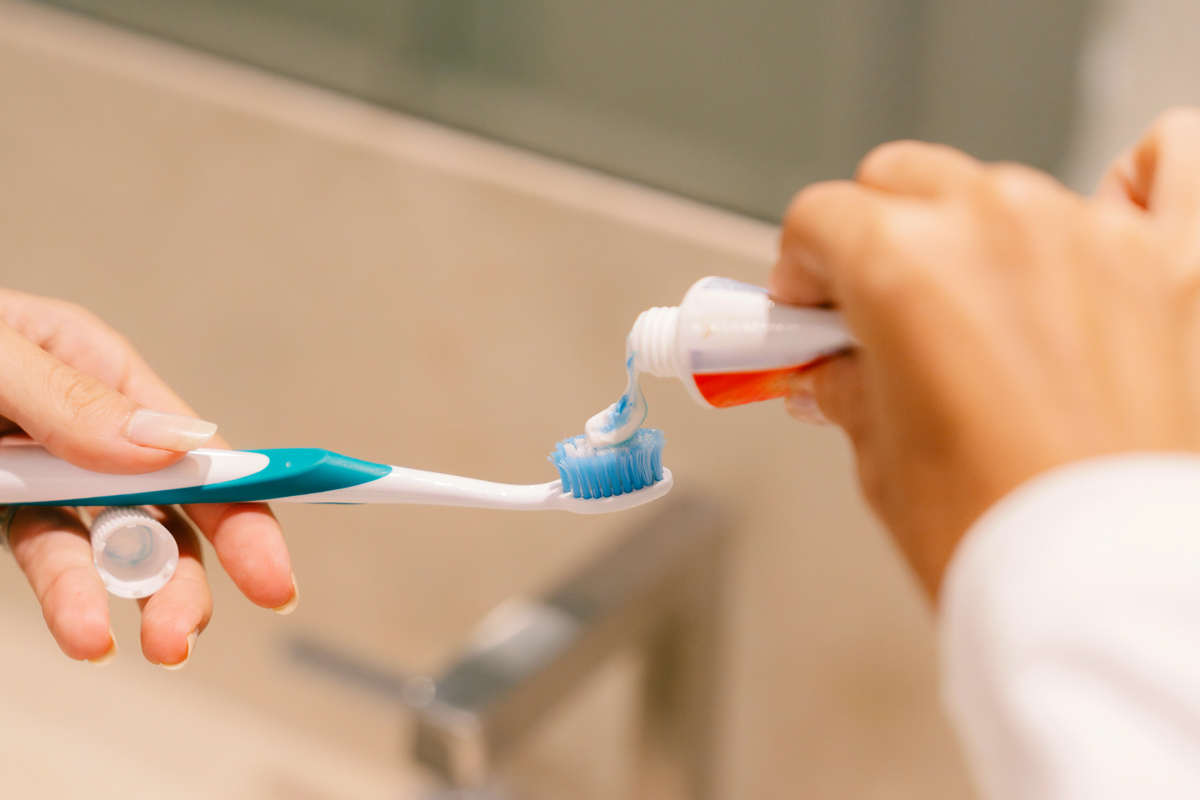
Menthol also leaves those sensors overly sensitive, so anything even a little cool feels colder than it really is. That’s why a drink of water after brushing your teeth feels like sipping on a freshly melted icicle. Menthol does the same to nerves in your nose, too.
Using a menthol inhaler or breathing in mint doesn’t actually unclog any congestion, but it makes the air moving through feel cooler. Since the “colder” air is easier to notice, it feels like more airflow is passing through than there actually is, meaning it feels as if you’re breathing easier. That’s why there are so many menthol cough drops.
Menthol is why mint tastes “fresh,” but what about the “clean” part? Well, that’s all in your head — literally — since we’ve been conditioned to associate a minty flavor with cleanliness. In addition to making nerves feel cold, menthol slightly irritates them, creating a physical tingling sensation.
In the early 1900s, toothpaste makers intentionally added ingredients that left a tingle, so they could market their product as “proof” that it worked. Mint oil was a popular tingling ingredient, in part because of its cooling effect, but in reality it has a minimal effect on cleaning efficacy.
But, more than a century later, the association between mint and cleanliness still rules the dental care aisle.
Mint plants contain menthol, a chemical that switches on the same nerve sensors your body uses to feel cold. Your brain reads the stimulus as a real chill, even though nothing in your mouth has cooled down. The “clean” feeling is thanks to decades of toothpaste marketing that associates the tingling sensation that menthol also creates with cleanliness, though it has minimal hygienic properties.
Short Answer