CULTURE

Why Doesn’t the Declaration of Independence Disintegrate?

The Declaration of Independence on display
Credit: National Archives, Washington, D.C. (NAID: 431966186)
Bess Lovejoy
Author
Bess Lovejoy is a writer and editor who lives in Seattle. She is the author of the book Rest in Pieces: The Curious Fates of Famous Corpses, and her writing has also appeared in The New York Times, The Boston Globe, The Wall Street Journal, Time, Lapham’s Quarterly, The Public Domain Review, Atlas Obscura, and elsewhere. She was formerly an editor at Mental Floss and SmithsonianMag.com, and currently teaches classes on research.

Every Fourth of July, Americans celebrate the signing of the Declaration of Independence — the document announcing the birth of a new, monarch-free nation. But while its ideas have proven durable, the document itself is surprisingly fragile.

The declaration wasn’t written on modern paper but rather on parchment, a material that can crack, fade, warp, and deteriorate over time. For a quarter millenium, the document has faced threats from light, humidity, air, and even the ink used to write it.

As the United States marks its semiquincentennial (aka its 250th birthday), preserving the Declaration of Independence means protecting it from one of its biggest foes: the passage of time itself.

How to Keep 1776 Alive
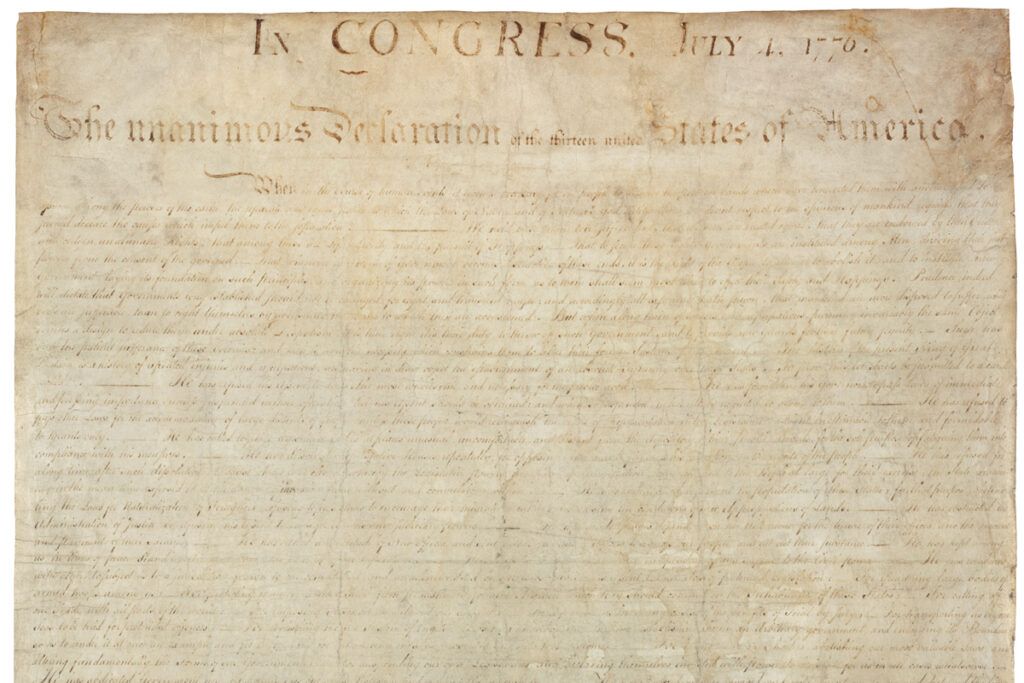
The original Declaration of Independence
Credit: National Archives, Washington, D.C. (NAID: 1419123)

The Declaration of Independence doesn’t just face threats from theft, fire, or even the occasional overenthusiastic tourist. As with many treasured antique documents, whether old family letters or historical manuscripts, one of its biggest enemies is chemistry.

Like all organic materials, parchment — which is made from animal skin — changes over time. The parchment contains collagen, a protein that can become brittle in dry conditions. The ink used to write and sign the document doesn’t help, either. 

The founders used iron gall ink, which is dark and durable but also acidic enough to break down cellulose chains in the parchment. Plus, it can increase oxidation — another threat to the material, as oxygen can also chemically react with both the parchment and the ink, contributing to their deterioration. 

Changes in humidity can also cause the ink to flake away from the parchment beneath it. Even tiny amounts of air and moisture can accelerate the disintegration of the document. In extreme cases, excessive moisture can break down its collagen fibers into gelatin. (Americans love Jell-O, but not in its founding charters.)
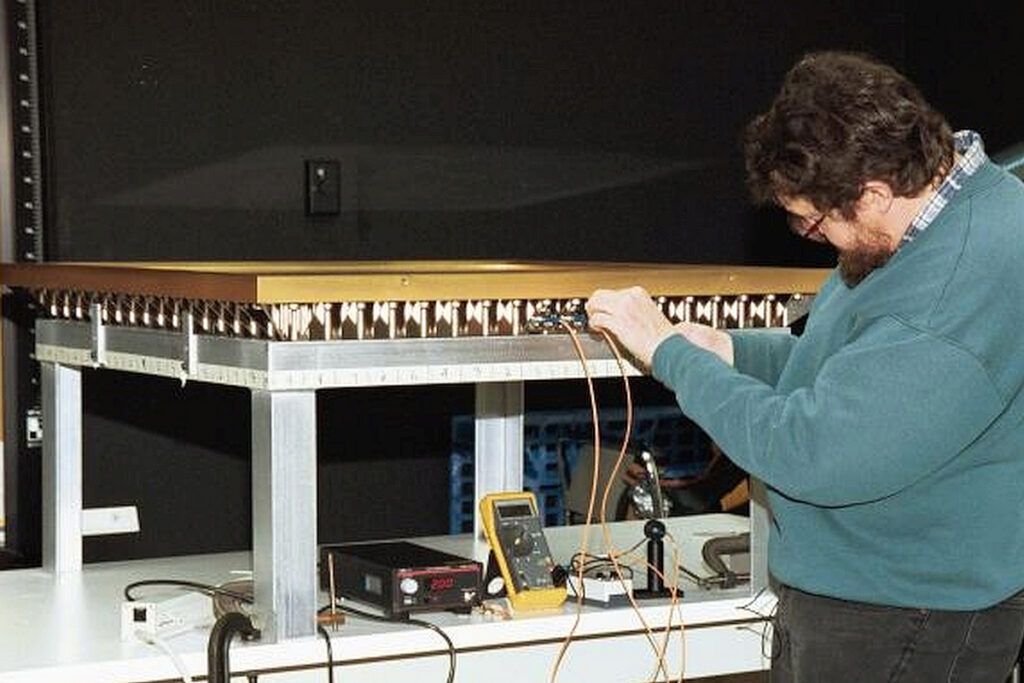
Person monitoring the Declaration of Independence
Credit: NIST

Light presents yet another danger. Ultraviolet radiation can fade inks and damage organic materials. Because of these threats, conservators have created a miniature habitat to protect the Declaration of Independence, designed specifically for its needs. Today, the declaration is displayed inside a custom-built encasement at the National Archives in Washington, D.C.

The frame is made from single pieces of aluminum and titanium (any cracks could let in air) and sealed tightly. Instead of ordinary air, the case is filled with argon, an inert gas that doesn’t chemically react with the parchment. Specially designed glass inside the frame protects the precious parchment from harmful light. The parchment itself never touches the glass, reducing the risk that ink could lift away from the parchment’s surface.

The environment inside the case is carefully controlled. Relative humidity is maintained at about 40%, which helps keep the parchment stable. The document also rests on materials that help regulate moisture.
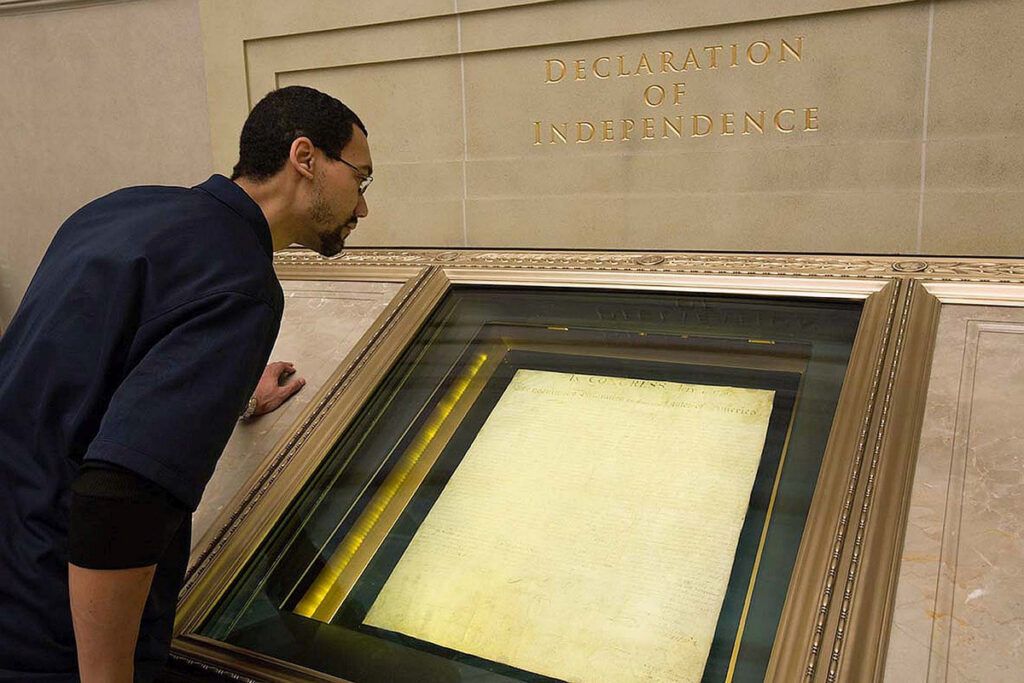
The Declaration of Independence behind glass
Credit: Jeffrey Reed/National Archives, Washington, D.C.

Sensors built into the encasement continuously monitor conditions inside. Light beams, mirrors, and instruments detect changes in humidity and even subtle shifts in the composition of the gas surrounding the document. 

These precautions may sound extreme, but they reflect a simple reality: The declaration, like the rest of us, is aging. No preservation system can stop time entirely. The goal is simply to slow the process as much as possible.

The result is something like a life-support system for a document — a carefully engineered bubble designed to protect a single sheet of parchment from the outside world. Thanks to this combination of science and conservation, the historic words written in 1776 will hopefully remain visible — and relevant — for many Independence Days to come.

Short Answer

The Declaration of Independence is preserved inside a specially designed case that protects it from light, air, and humidity, which all degrade the original ink and parchment. Using advanced sensors, scientists carefully monitor its environment and maintain stable conditions that slow the aging process.

SCIENCE

How Do Fireworks Get Their Shapes and Colors?

Firework display
Credit: DESIGNECOLOGIST/Unsplash.com
Bess Lovejoy
Author
Bess Lovejoy is a writer and editor who lives in Seattle. She is the author of the book Rest in Pieces: The Curious Fates of Famous Corpses, and her writing has also appeared in The New York Times, The Boston Globe, The Wall Street Journal, Time, Lapham’s Quarterly, The Public Domain Review, Atlas Obscura, and elsewhere. She was formerly an editor at Mental Floss and SmithsonianMag.com, and currently teaches classes on research.

Whether you’re celebrating the Fourth of July or enjoying the grand finale at a theme park, firework displays always seem to have a few tricks up their sleeves. 

One moment, a burst of light blooms into a giant chrysanthemum overhead. Maybe an American flag even waves in three sparkling colors. These days, fireworks practically turn the night sky into an illuminated art gallery. Considering that fireworks are essentially controlled explosions, that’s pretty remarkable. Explosions aren’t exactly known for their precision. 

To shape and mold these wild bursts into recognizable configurations — to make the fire work, so to speak — technicians must keep this old maxim front of mind: Timing is everything.

You’re Literally Seeing Stars

The secret to a firework’s design begins long before the explosion leaves the ground. The large fireworks launched in professional displays are called aerial shells. Inside each shell are dozens — sometimes hundreds — of small pellets known as “stars,” the tiny pyrotechnic building blocks at the heart of the show. These stars are arranged around black powder (aka gunpowder) and contain various metals or chemicals that produce light and color when ignited.

After an initial charge fires a firework into the air, a time-delay fuse allows it to climb high into the sky before a second charge explodes. That explosion ignites the stars and sends them flying out into the night. If the stars are arranged randomly inside the shell, the result would be a simple spherical burst.

But pyrotechnicians (the experts who create fireworks) can also arrange the stars in specific patterns before sealing the shell. Stars placed in the shape of a heart, for example, will spread outward in a heart-shaped pattern when the shell bursts. The same principle can be used to create smiley faces, hearts, and more complicated designs, like ringed planets and butterflies.

Opened, unfired firework shell
Credit: goro20/stock.adobe.com

The brilliant colors that make us “ooh” and “aaah” are carefully engineered as well. Different metallic salts and other chemicals in the stars produce different colors when heated. Copper compounds and chlorine make blue hues, which technicians consider the toughest color to create. That’s because the temperature needed to achieve the color has to be just right — burning not too hot, but not too low.

Magnesium makes white. Sodium creates yellow, and barium compounds go green. It’s not much different than how children’s chemistry sets use chemical reactions to create a rainbow of different-colored liquids, though it is more dangerous.

By combining stars made of different elements inside a mortar shell, designers can create multicolored patterns. Fireworks can even change color in mid-air when the stars are coated with different layers of chemicals — an outer layer of sodium, say, might burn off to reveal barium, changing from yellow to green as the different metallic colorings are revealed.

Colorful firework display

Modern fireworks shows, such as the epic bashes your city might mount for the Fourth of July, add yet another layer of choreography. Rather than lighting shells by hand, many professional displays use computerized firing systems. These systems can launch hundreds of aerial shells with split-second precision, allowing pyrotechnicians to synchronize explosions with music and create elaborate sequences across the sky.

New designs are innovated often. A butterfly-shaped firework isn’t just dazzling to look at — it’s a great metaphor for fireworks as a whole, patiently waiting inside its shell before emerging as something new and beautiful.

Short Answer

The small pellets of gunpowder and color-producing chemicals inside each firework — known as “stars” — can be arranged in specific patterns before launch. When the shell explodes, the pellets spread outward and recreate that pattern in the sky. Different chemicals create different hues and can be layered for fireworks that change colors in the sky.

HEALTH

What’s the Difference Between a Sunburn and a Tan?

Person relaxing in a swimming pool
Credit: Pablo Merchán Montes/Unsplash.com
Bess Lovejoy
Author
Bess Lovejoy is a writer and editor who lives in Seattle. She is the author of the book Rest in Pieces: The Curious Fates of Famous Corpses, and her writing has also appeared in The New York Times, The Boston Globe, The Wall Street Journal, Time, Lapham’s Quarterly, The Public Domain Review, Atlas Obscura, and elsewhere. She was formerly an editor at Mental Floss and SmithsonianMag.com, and currently teaches classes on research.

It starts innocently enough. Maybe you’re stretched out on a beach towel, cheering at a baseball game, or spending a little too long pulling weeds in the garden. Hours later, you catch your reflection in a mirror and realize your skin looks different. It might have turned toasty brown. It might be bright red. Sometimes, it’s a little of both depending where you look.

These summertime skin souvenirs are so common that most of us hardly think twice about them. A tan is often treated as a sign of time well spent, while a sunburn is a painful mistake to be avoided. But what exactly separates the two? Why does an afternoon in the sun sometimes leave us bronzed, but other times burned?

Turning Up the Tint

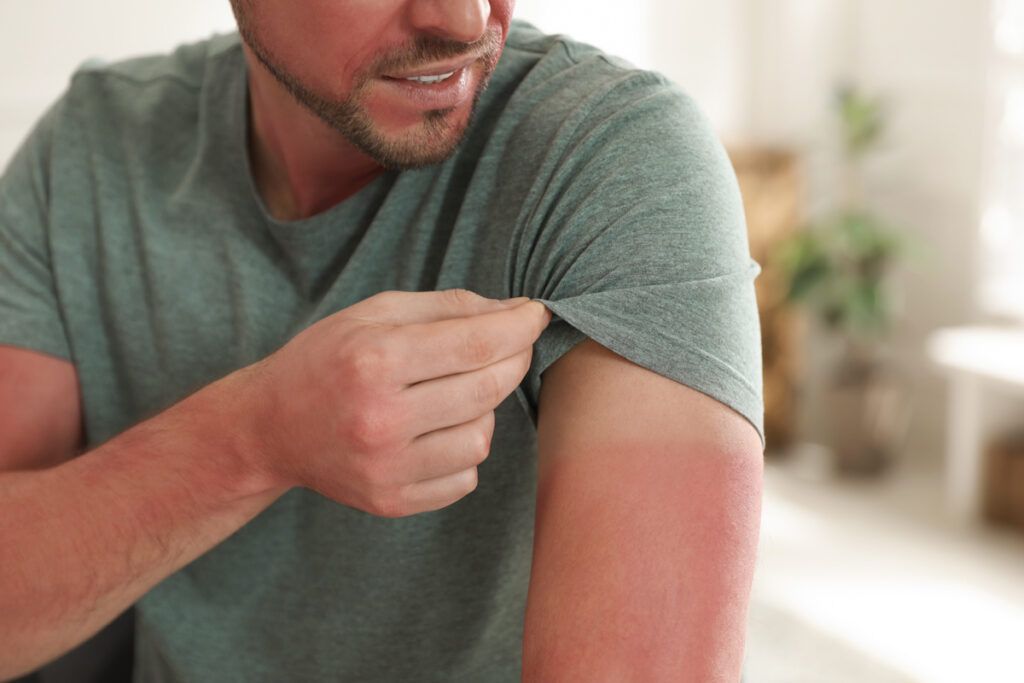
Person checking tanlines on their arm
Credit: New Africa/stock.adobe.com

At first glance, a tan and a sunburn may seem like very different outcomes. But they’re actually closely related responses to the same thing: ultraviolet (UV) radiation from the sun.

When UV rays strike your skin, they can do serious damage to your DNA and other important cells and tissues in the body. To help protect you, your body ramps up production of a pigment called melanin, which gives your skin its color. Melanin acts like a natural shield, absorbing and dispersing some of the incoming UV radiation before it can wreak more havoc.

As melanin first builds up during your gardening session or at the ballgame, your skin darkens. This is what gives you a tan. But melanin can only do so much. If the amount of incoming UV radiation exceeds your skin’s ability to protect itself, damage begins to accumulate. That’s when a sunburn occurs.

And sunburns do more than just ruin your vacation photos. They’re actually an inflammatory response — your damaged skin cells are releasing distress signals that trigger increased blood flow to the now lobster-like area. This defense mechanism causes the redness, warmth, and pain that may have you reaching for the aloe vera. A severe sunburn is also colloquially referred to as sun poisoning. You’re not being poisoned, but your body’s response is strong enough to cause nausea, chills, fever, and other intense symptoms.

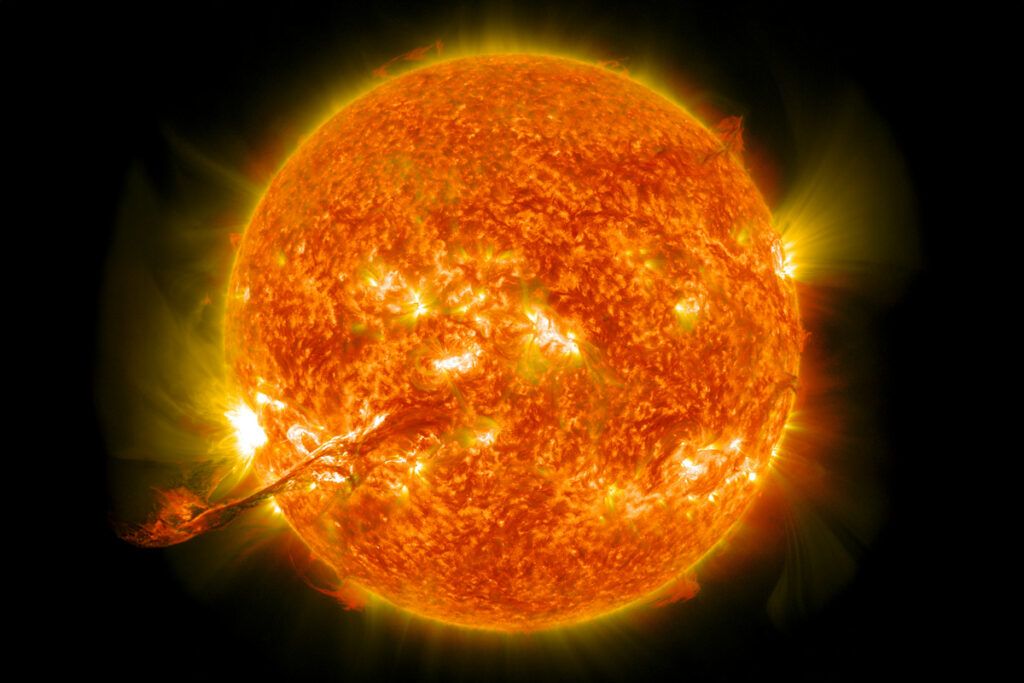
The sun
Credit: NASA/Unsplash.com

The time it takes to tan versus burn depends on a variety of factors, including how long you’ve been basking in the sun, how intense the UV is that day, and your genetics (pale skin will burn much faster than darker skin). Because UV light, which isn’t visible, passes through clouds, you can even tan or burn on an overcast day.

It’s worth noting that a tan doesn’t mean you’ve escaped any sun-related harm. Dermatologists consider a tan to be evidence that UV exposure has already caused skin damage and raises your risk of skin cancer (sorry). That means, unfortunately, that there’s really no such thing as a “healthy” tan.

Sunscreen can help block some UV particles and reduce skin damage, but at the end of the day (when the sun has set), it’s your skin that has been hard at work keeping you healthy. (Covering up with a hat and long sleeves while outdoors, of course, makes the job a lot easier.) But whether you leave the sun with a golden glow or a painful burn, both are reminders that you can have too much of a good thing — especially when it comes to sunlight.

Short Answer

A tan and a sunburn are two different responses to the sun’s ultraviolet radiation. A tan occurs when the skin produces more melanin, a protective pigment that darkens the skin as it absorbs UV rays. A sunburn occurs when UV exposure overwhelms that defense, triggering inflammation that causes redness, warmth, swelling, and, unfortunately, pain.

ENGINEERING

Why Do Golf Balls Have Dimples?

Golf ball on a tee
Credit: Will Porada/Unsplash.com
Mike Diaz
Author
Mike Diaz is a Los Angeles-based television writer and producer who got his start making docuseries for National Geographic. Most recently, he wrote for Magnum P.I. and NCIS: Hawai'i on CBS.

Imagine getting so overzealous with your golf swing that you ricochet your ball off the windmill and into a turtle pond. (Yes, we’re talking about a mini golf birthday party, not the PGA championship.) As you emerge from the pond to the tune of giggling kindergarteners, you rub the wayward ball with your sleeve to dry it, taking note of its grooved surface.

Those dimples are a defining feature of a golf ball — without them, it wouldn’t seem like a golf ball at all. And while they don’t really do anything when you’re simply putting them around a miniature golf course, on a regular fairway, where hundreds of yards separate the tee from the cup, dimples are no mere cosmetic choice but rather an essential design feature. They are the wings that make a golf ball fly.

How Golf Balls Got Their Groove

Aerial view of a golf course hole
Credit: Allan Nygren/Unsplash.com

Back in 15th-century Scotland, early golf balls were intentionally smooth. The material gradually evolved from wood to feather-stuffed leather over the centuries, but it wasn’t until the introduction of the Guttie ball in the 1800s that things changed significantly. These new balls, made of natural rubber, were cheaper to make and much more durable. However, they had an obvious drawback — they were prone to denting on impact with the golf club. 

This downside quickly became an upside, though. Golfers noticed that the more dents a ball had, the farther it would fly. Why? It all comes down to two competing forces in aerodynamics: lift and drag. 

Ever stick your hand out the open window of a moving car? If you hold your palm perpendicular to the ground, the airflow will force your arm back. This resistance is called drag. When you slightly cup your palm and face it toward the road, you’ll feel the air push your hand upward. That’s lift. The physics of lift and drag are at play when any object, regardless of size, is in flight, such as birds, bees, bats, and yes, even golf balls.

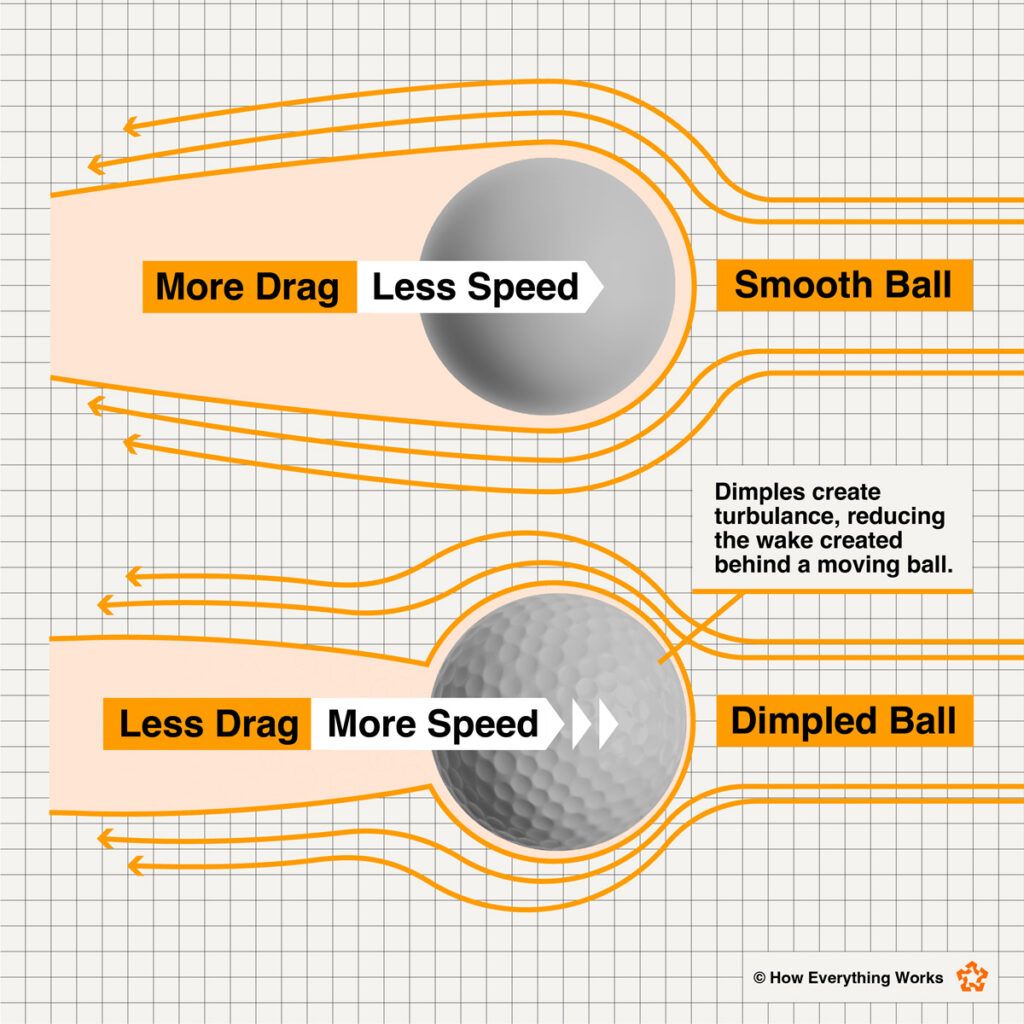
Illustration of how dimples affect a golf ball's aerodynamics

Picture our dented Guttie golf ball as it arcs over some windswept 19th-century Scottish green. Those imperfections become turbulators, which create a thin layer of turbulent air around the surface of the golf ball. Air flows to the rear of the ball, which decreases the size of its wake and reduces drag by as much as half. This allows our dented ball to fly twice the distance of a smoother one. By hacking the rubber surface of their balls, golfers discovered a new, well, hack, that greatly improved their shots and changed the game forever.

Generations of golfers experimented with various patterns and styles, until English engineer and manufacturer William Taylor secured the first patent for the dimpled ball we all know. Today, most golf balls have between 300 and 500 uniform circular dimples. 

The grooves on a golf ball also help mitigate backspin, keeping the ball’s trajectory flatter and adding distance to a shot. Backspin is the rotational motion of the ball around its horizontal axis (like a car tire), with the bottom of the ball spinning back toward the golfer as it flies forward through the air. If you’re teeing off, you can reduce your spin by keeping the club head low during takeaway, and you’ll achieve a longer drive. Going for an approach shot? Increase your spin to keep the ball from rolling off the green. 

Why spend money on golf lessons when you can use science to improve your handicap?

Short Answer

A golf ball’s dimples create turbulent airflow around its surface, reducing wind resistance (drag) and allowing it to travel a greater distance. Dimpled balls can travel twice the distance of smooth ones.

NATURE

Is Thunder the Sound of Lightning?

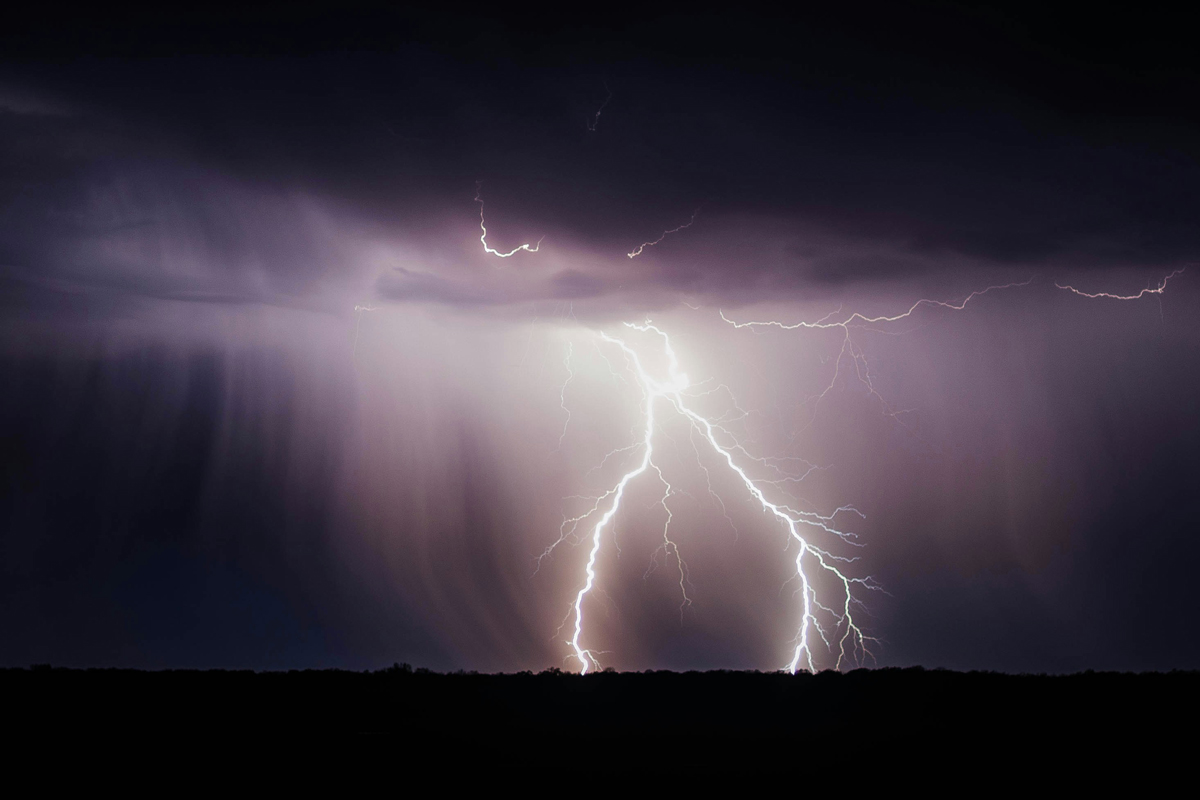
Lightning strikes
Credit: Brandon Morgan/Unsplash.com
Mike Diaz
Author
Mike Diaz is a Los Angeles-based television writer and producer who got his start making docuseries for National Geographic. Most recently, he wrote for Magnum P.I. and NCIS: Hawai'i on CBS.

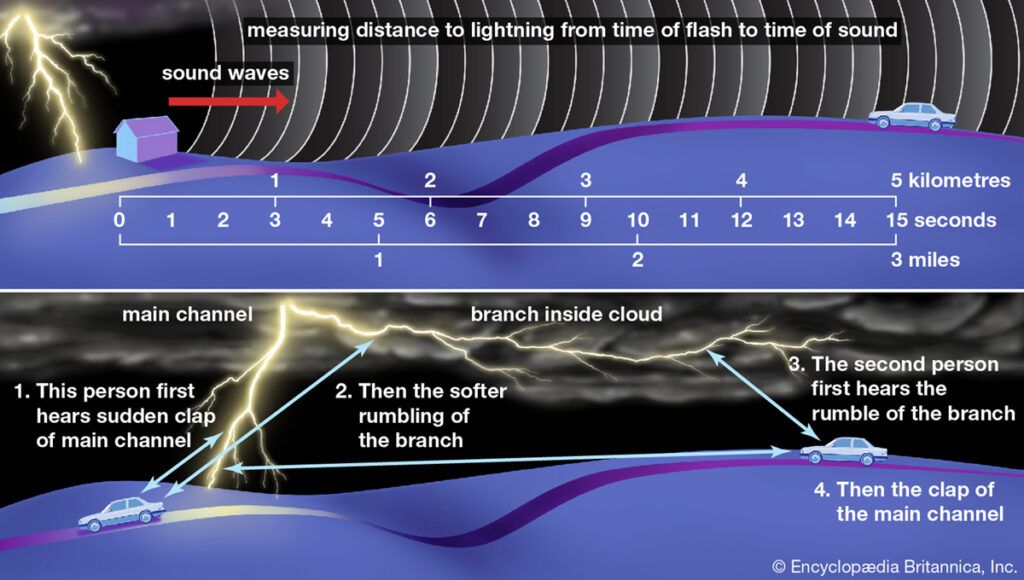
Remember seeing lightning as a kid and counting down the seconds to the first clap of thunder? Five seconds indicated the storm was just a mile away, so you and your friends had to hightail it inside. But 15 seconds or more meant the storm was far enough that you could finish that game of hide-and-seek. 

Lightning and thunder occur pretty much simultaneously, and the time lag between when you observe them is due to light traveling faster than sound. But there’s more going on that explains why thunder always follows lightning, including this shocking fact: Thunder isn’t the sound of lightning, but something else altogether.

Lightning’s Electric Slide

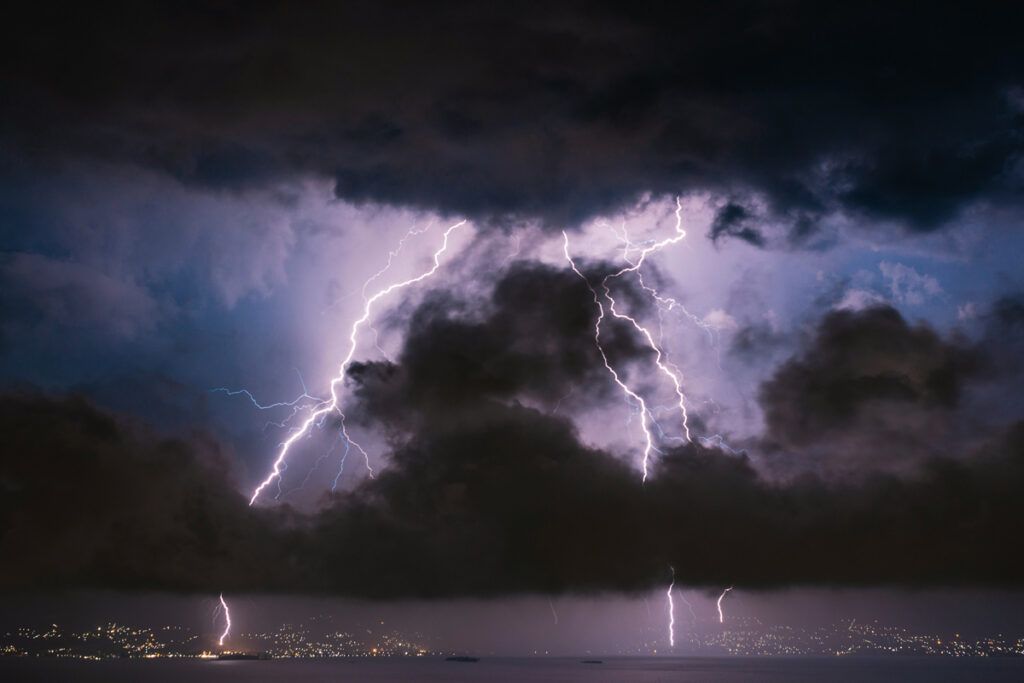
Lightning striking the ground
Credit: Tasos Mansour/Unsplash.com

Thunder and lightning are inextricably linked, but not the same thing. Lightning is a static discharge caused by an electrically polarized cloud, traveling a crooked path of least resistance between the sky and ground. Thunder is the loud, explosive sound produced by air being quickly heated by the lightning.

The ambient air around a lightning bolt can climb to as much as 54,000 degrees – five times hotter than the sun. This sudden surge in temperature causes the air to expand and contract rapidly, which produces a sonic boom.

That’s why it’s more accurate to say that the sound of thunder is an effect of lightning, rather than the bolt of electricity itself. It’s like how the sound of a gunshot comes from the gunpowder igniting and propelling a bullet, as opposed to the bullet generating any noise on its own. Because lightning will always superheat the air around it, thunder will always follow, with the sound being generated near instantaneously.

If you were standing directly under a lightning bolt (which wouldn’t be advisable), you’d hear the thunderclap — a violent sound of exploding air — almost immediately. But if you were at a distance, you might not hear the boom for seconds, or even minutes. Why the gap?

Illustration showing how the sound of thunder travels
Credit: Encyclopædia Britannica, Inc.

It all comes down to the speed of light. Or the slowness of sound, depending on how you look at it. The speed of light is approximately 186,282 miles per second, which is why you see lightning the moment it strikes – even when it’s more than 100 miles away. Sound is much slower than light, traveling at around 1,125 feet per second through air.

While that’s still fast, it can take a bit of time to reach your ears. The further away the lightning, the longer it’s going to take for the sound of thunder to catch up. You can easily observe the same effect from distant fireworks or a fighter jet soaring overhead at an airshow.

Even when you’re too far away to hear it, lightning is creating thunder, though it can be audible from up to 10 miles away. Because sound travels through warm air faster than it does cool air, the speed of lightning’s shock waves fluctuate and refract. Shock waves are also stretched and elongated as it moves further from the source, which is why distant thunder rolls and rumbles. Another reason thunder isn’t one monotone sound is that a lightning bolt heats air at different points (microseconds apart) as it zigs and zags through the sky.

Given that sound travels through the air at a rate of about one mile every five seconds, counting your Mississippis is a fairly accurate estimate of a storm’s distance. This lightning-to-thunder countdown even has a name: the flash-to-bang method. So, you’ve actually been a meteorological expert all along.

Short Answer

The heat of a lightning bolt causes the air around it to rapidly expand and contract, creating a sonic boom loud enough to be heard miles away. Because light is faster than sound, we see the lightning bolt before we hear the resulting thunder, with distortions in the shock wave adding to its irregular rumbling.

HEALTH

Surprising Ways Your Blood Type Can Affect Your Health

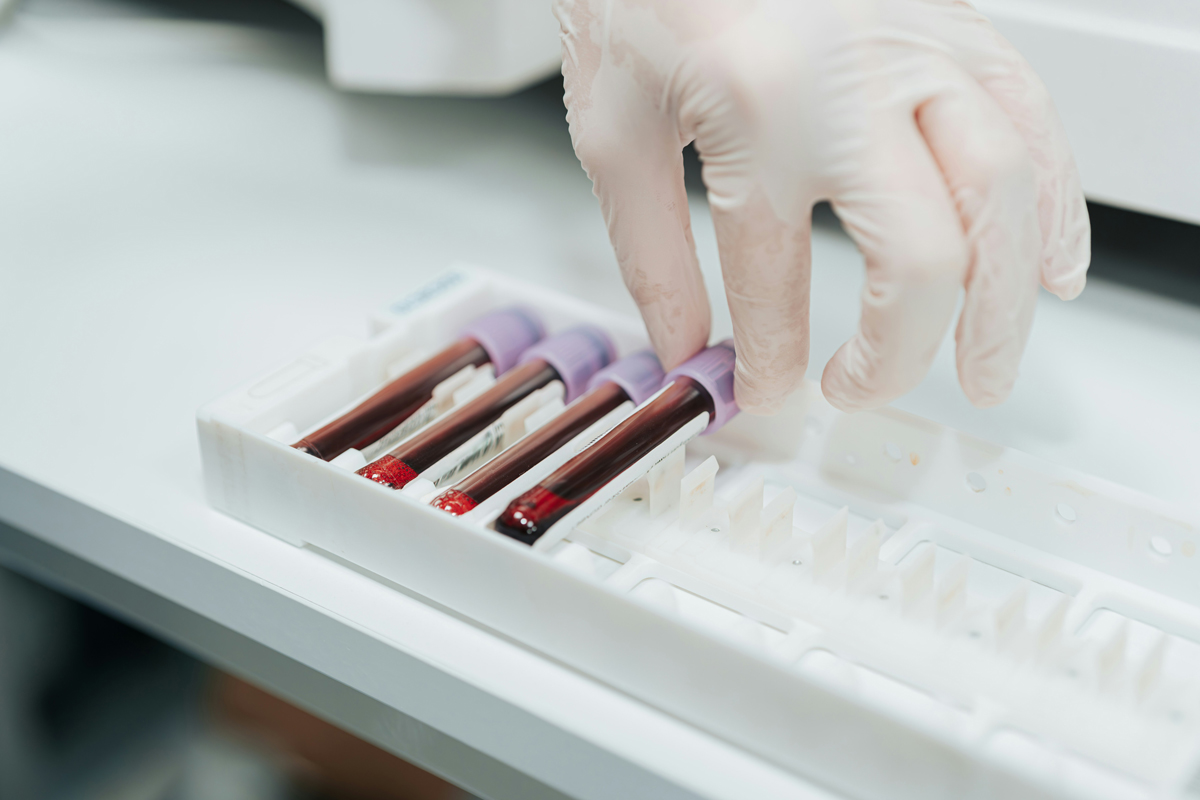
Test tubes of blood
Credit: Yunus Tuğ/Unsplash.com
Bess Lovejoy
Author
Bess Lovejoy is a writer and editor who lives in Seattle. She is the author of the book Rest in Pieces: The Curious Fates of Famous Corpses, and her writing has also appeared in The New York Times, The Boston Globe, The Wall Street Journal, Time, Lapham’s Quarterly, The Public Domain Review, Atlas Obscura, and elsewhere. She was formerly an editor at Mental Floss and SmithsonianMag.com, and currently teaches classes on research.

Anyone who’s watched a TV medical drama can tell you that blood type matters when it comes to getting a blood transfusion. And yet more Americans know their zodiac sign or credit score than their own blood type, despite the latter having a consequential impact on your health — one that goes far beyond your veins. 

Scientists have been studying the connection between blood type and disease for more than a century, and they’ve discovered fascinating associations with heart disease, certain cancers, cognitive issues, kidney stones, infectious diseases, and much more. It’s remarkable to think that the letters on your blood donor card could be quietly influencing your body in ways you never expected.

Blood Types, Explained

Diagram of blood types explained
Credit: Dee-sign/stock.abobe.com

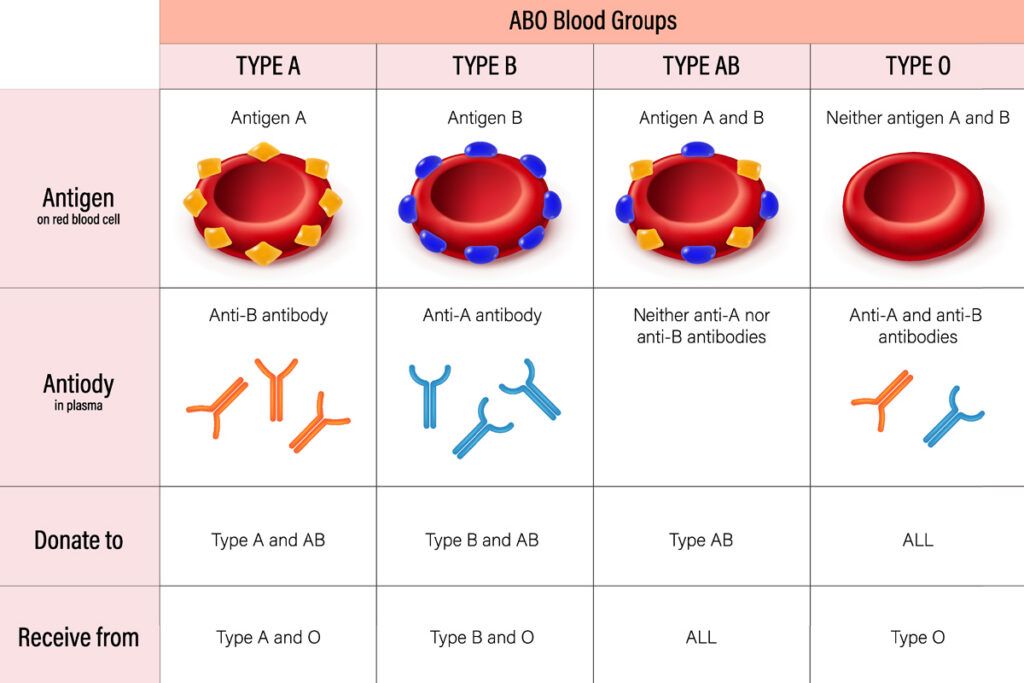
Human blood is categorized into four main groups: A, B, AB, and O. These groups are based on whether certain molecules called antigens are present on the surface of red blood cells. People with type A blood have A antigens, people with type B have B antigens, people with AB have both, and people with O have neither.

Blood is also labeled positive or negative depending on whether it contains a protein called the Rh factor. That’s why there are a total of eight common blood types, including A+, A-, B+, B-, and so on. (There are also other, rarer types — only about 50 known people in the world have the Rh null blood type, for example.)

These antigens are important to know because our immune systems are sensitive to them. If someone receives incompatible blood in a transfusion, their immune system may identify those antigens as foreign and attack the donated cells. This can result in fever, low blood pressure, kidney failure, and even death.

These blood-group molecules don’t just exist in blood. Researchers have found them in tissues throughout the body, including the digestive tract. Their widespread presence may help explain why blood type appears connected to certain diseases and other health issues.

Why Some Blood Types Clot More Easily

Blood cells
Credit: Tatiana Shepeleva/stock.adobe.com

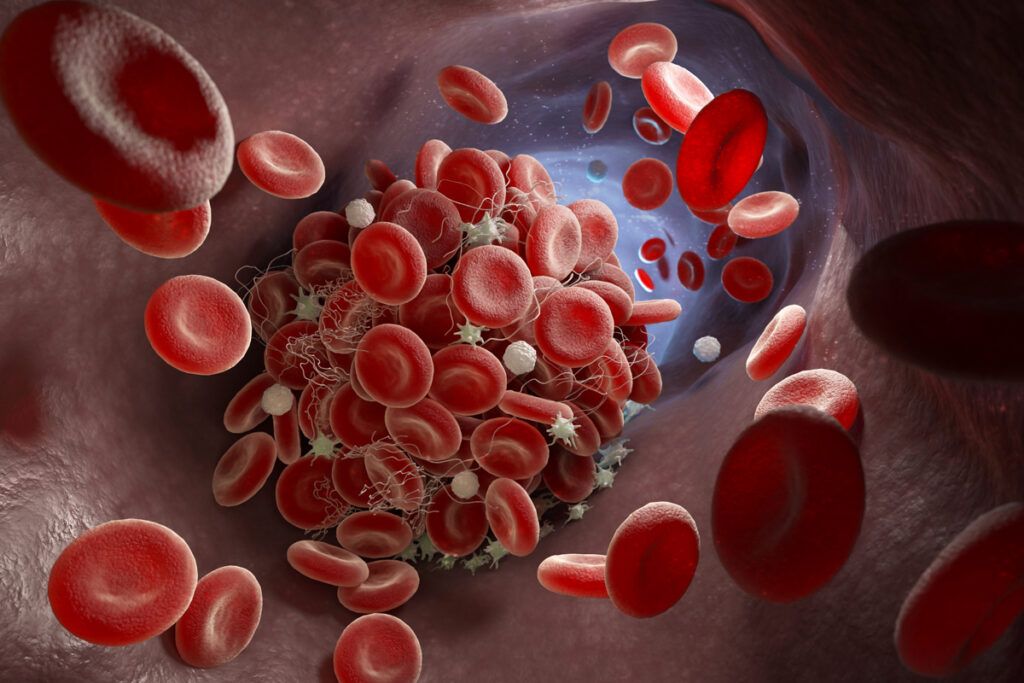
One of the most consistent findings on the link between blood types and health involves clotting. Research has repeatedly shown that people with blood types A, B, and AB have a higher risk of developing dangerous blood clots than people with type O blood. One large study published in 2020 found that people with type A or B blood were significantly more likely to develop deep vein thrombosis — a clot usually found in the legs — as well as pulmonary embolism, which occurs when a clot travels to the lungs.

Scientists think a clot-promoting protein called von Willebrand factor may help explain the connection. Higher levels of the protein may make clotting more likely, and folks with type O blood typically have less of it.

These same clotting mechanisms may also help explain why non-O blood types have been associated with higher risks of heart attack, coronary artery disease, and stroke. Some studies suggest that people with AB blood — those with both primary blood antigens — may face the highest cardiovascular risks of all the blood groups, though researchers are still investigating why.

That’s not to say having an O blood type is always preferable, though. One large Swedish study found that people with O blood types had a higher risk of pregnancy-induced hypertension (high blood pressure) and certain bleeding disorders.

What Blood Type May Reveal About Cancer Risk

Blood cells
Credit: National Cancer Institute/Unsplash.com

Blood type has also been linked to certain cancers, particularly stomach and pancreatic cancer. Multiple studies have found that people with type A blood appear to have a higher risk of stomach cancer than people with type O blood. 

Studies have also suggested that people with blood types A, B, and AB may be more prone to contracting pancreatic cancer compared with type O individuals. In people with type A, B, or AB blood, the ABO gene (which determines your blood type) may also increase the risk of lung, breast, cervical, and colorectal cancer.

Researchers still don’t understand the mechanisms behind these associations, although an interaction with the bacterium that causes ulcers — H. pylori — may be to blame for the heightened risk of stomach cancer.

Your Gut and Your Blood Type

Illustration of human anatomy focused on the gut
Credit: julien Tromeur/Unsplash.com

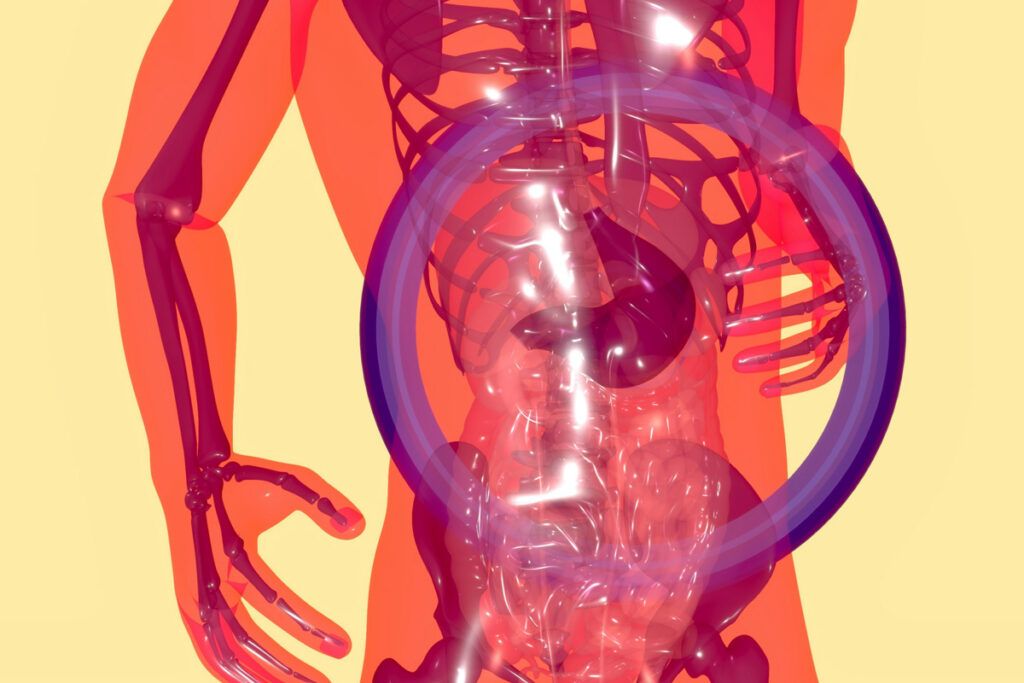
Curiously, type O blood — often associated with lower cardiovascular risk — has been connected to higher rates of peptic ulcers. Researchers have long observed that people with type O blood appear more susceptible to these painful sores, which form in the stomach or upper small intestine. 

Some scientists believe this may relate to how the bodies of people with type O blood handle infections of H. pylori. One meta-analysis — a study of studies — found that people with type O blood were the most likely to be infected with H. pylori. Certain blood types have also been linked with gallstones and other digestive conditions, though the evidence is less consistent.

Blood Types May Handle Infections Differently

Blood cells
Credit: National Institute of Allergy and Infectious Diseases/Unsplash.com

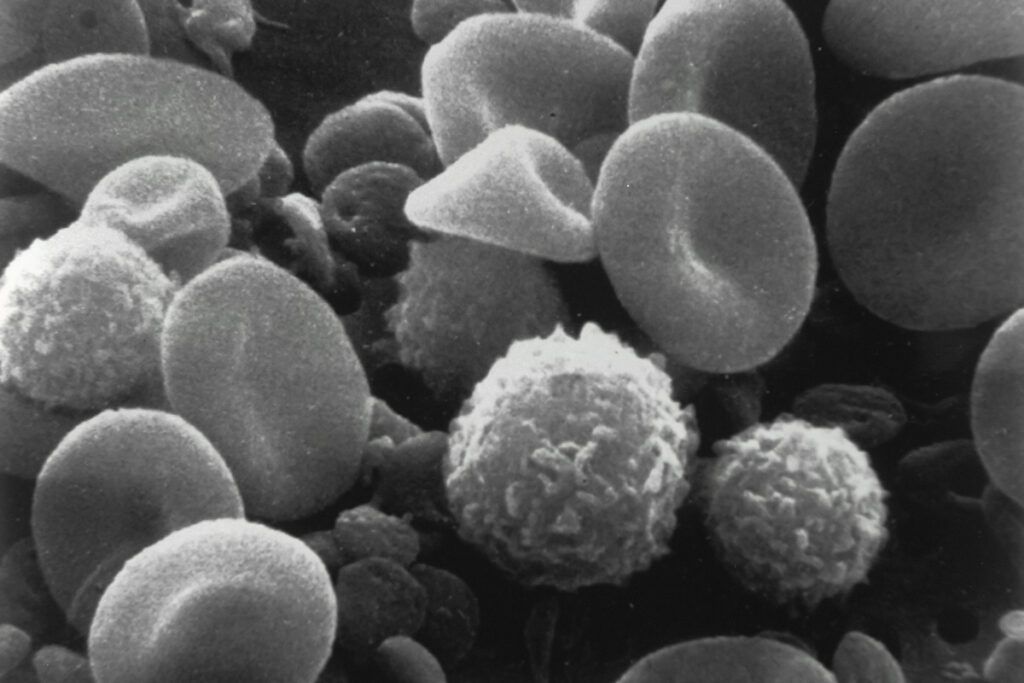
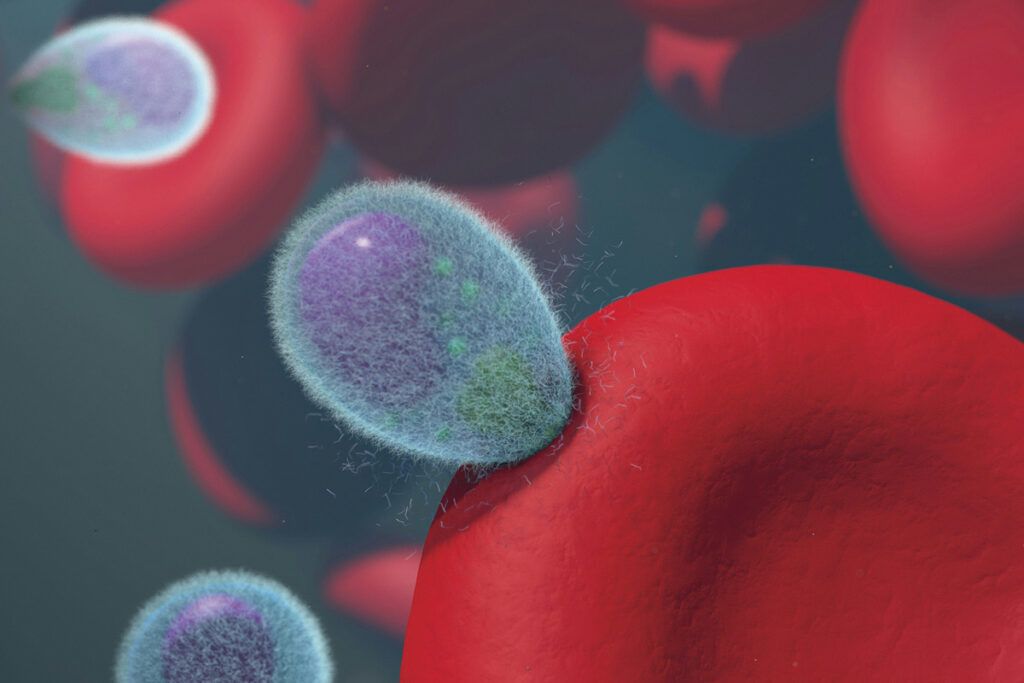
Blood type may also influence our vulnerability to infections. For example, some evidence suggests type O blood may provide protection against severe malaria. One study among children in Mali found type O blood was associated with a 66% reduction in the odds of developing severe malaria compared with non-O blood. In this case, scientists think they may have found the mechanism: A protein secreted by the malaria parasite seems to have a harder time sticking to type O blood cells.

Meanwhile, other blood types may affect susceptibility to illnesses such as cholera, norovirus, and certain bacterial infections. Interestingly, researchers have found that certain blood groups are more common in regions where specific diseases are more common. Scientists believe these patterns may have evolved over thousands of years as infectious diseases shaped human populations. In other words, blood-group diversity may partly reflect humanity’s long evolutionary battle with pathogens.

Brain scans
Credit: Curated Lifestyle/Unsplash.com

A smaller but intriguing body of research suggests blood type could even influence brain health. Some studies have found that people with AB blood may have a higher likelihood of cognitive impairment later in life. Researchers have speculated that clotting factors and cardiovascular health could partly explain the connection, since blood flow problems can affect the brain over time.

Blood Type and Kidney Stones

Diagram of human kidneys
Credit: freshidea/stock.adobe.com

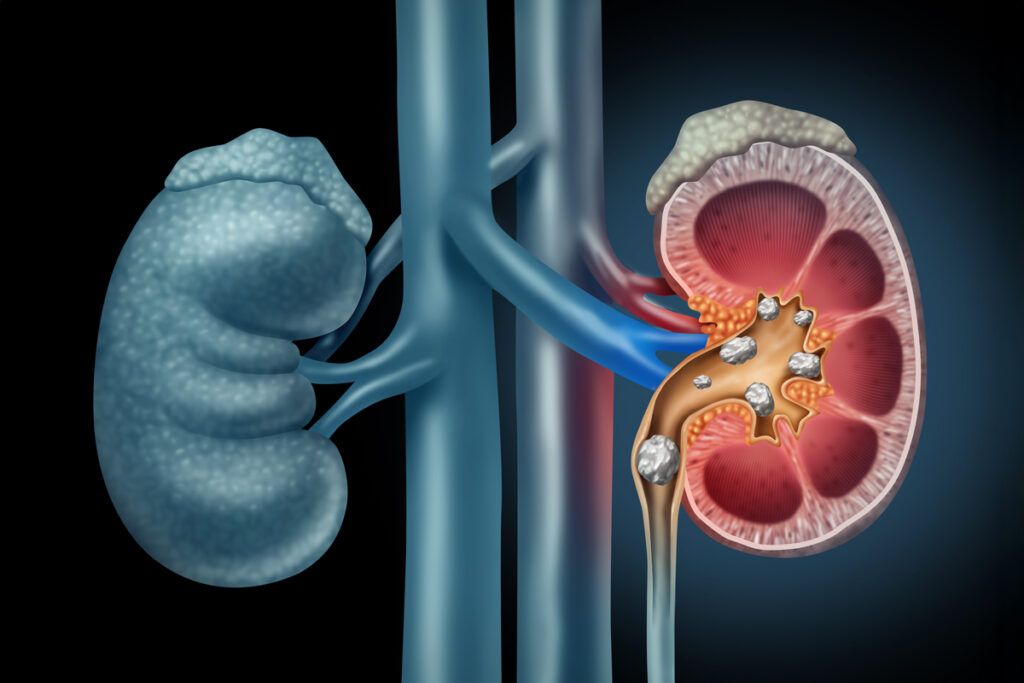
One of the more unexpected discoveries involves kidney stones. The large Swedish study examining health data from more than 5 million people found that type B appeared to have a lower risk of developing kidney stones compared with people who had type O. Researchers described this as a newly identified association and noted that the underlying mechanism remains unclear. It’s a good example of how scientists are still uncovering unexpected ways blood type may intersect with health.

Blood Type Is Only Part of the Story

Despite all these associations, scientists still have many unanswered questions. Researchers are still trying to determine exactly how blood-group molecules affect inflammation, clotting, bacteria, immune activity, and other biological systems. Some findings have also been inconsistent across studies and populations. 

It’s important to note that your blood type doesn’t determine your destiny. Experts say blood type should be viewed as one small piece of a much larger health puzzle, and that lifestyle factors — such as diet, exercise, sleep, and smoking habits — likely have a much greater impact on overall health than whether you’re type A, B, AB, or O. For most of us, the basics of taking care of yourself still matter most.

HEALTH

How Does Medicine Bring Down Your Fever?

Fever-reducing capsules
Credit: Bruno Guerrero/Unsplash.com
Bess Lovejoy
Author
Bess Lovejoy is a writer and editor who lives in Seattle. She is the author of the book Rest in Pieces: The Curious Fates of Famous Corpses, and her writing has also appeared in The New York Times, The Boston Globe, The Wall Street Journal, Time, Lapham’s Quarterly, The Public Domain Review, Atlas Obscura, and elsewhere. She was formerly an editor at Mental Floss and SmithsonianMag.com, and currently teaches classes on research.

It’s 2 a.m., you’re sweating through the sheets, and every part of your body aches. You’ve got a fever, and you’re burning up from the inside out. So you fumble for a pill bottle, struggle a moment with the childproof cap,  and finally swallow an over-the-counter capsule. Maybe two. An hour later, you feel noticeably better. But what exactly happened? How can such a simple remedy convince your body to stop running hot?

The answer has to do with the fact that a fever isn’t your body overheating uncontrollably. It’s more like your internal thermostat is being deliberately turned up. Fever-reducing drugs such as aspirin, acetaminophen, and ibuprofen don’t cool you down directly, as if they were handy little chemical fans, but they do help reset your body’s thermostat. 

It’s a simple solution to a straightforward problem, but the way these medicines work is a different story — one whose ending still needs to be written.

The Heat Is Coming From Inside the House

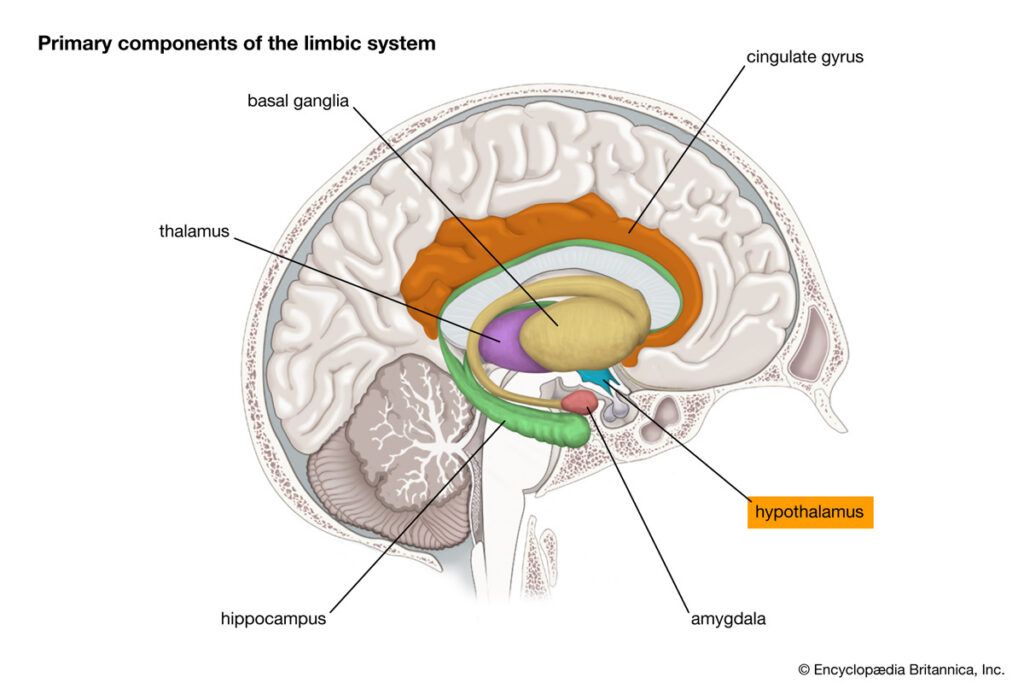
Normally, your body works hard to maintain a relatively stable internal temperature that keeps you cool and comfortable. Deep in a brain region called the hypothalamus lies a kind of master thermostat that you can thank for achieving this homeostasis. It’s vital to systems that keep you alive, including your digestive and respiratory systems.

Think of your body as a computer or a car engine, which, if they run too hot, stop working correctly. They may even shut down completely. It’s important to keep your body temp stabilized to keep everything functioning properly.

Illustration and diagram cross-section of the brain
Credit: Encyclopædia Britannica, Inc.

This built-in defense mechanism creates a hostile environment for foreign viruses and bacteria — if an infection can’t take the heat, it needs to get out of the kitchen. Plus, higher temps help certain immune cells work more effectively.

That’s why fevers often begin with chills. As your temperature rises, you may shiver, pull on extra blankets, or feel cold. Your body is trying to reach the new target temperature dictated by that internal thermostat. Chills happen as your blood vessels constrict to conserve heat while your muscles contract to generate more of it, all in an effort to make you warmer.

Common fever reducers are used to interfere with that process. There are a few different kinds available over the counter, including acetaminophen (Tylenol) and non-steroidal anti-inflammatory drugs (NSAIDs). NSAIDs come in various types, including ibuprofen (Advil), naproxen (Aleve), and aspirin.

Person taking a child's temperature
Credit: Getty Images/Unsplash.com

Scientists are still teasing out how some medicines work to bring down a fever. But it’s now thought that a hormone-like substance called prostaglandin E2 plays a key role. During an infection, levels of this organic compound rise, telling your master thermostat to get hotter. By reducing the effects of prostaglandin E2, certain drugs help guide the hypothalamus to lower your internal temperature back toward normal.

A fever isn’t really the enemy, since it’s meant to aid your immune system (though if the fever runs too high or lasts too long, that’s a different story). Once medicine turns down your thermostat, your body switches strategies. Blood vessels near the skin widen, allowing heat to escape, and sweating helps cool the body further.

So the next time your fever reducer of choice helps you get through a long, difficult night, remember that it isn’t acting like an internal air conditioner. Instead, it’s turning off the furnace, and allowing your body to return to its usual setting.

Short Answer

A fever isn’t directly caused by an infection, but instead initiated by your body to fight the infection. Fever-reducing medicines such as aspirin and Tylenol don’t actively cool you down but rather tell the brain to stop raising your body temperature. Once that happens, the body begins releasing excess heat through sweating and other means.

TECHNOLOGY

How Do Noise-Canceling Headphones Block Sound?

Over-the-ear and in-ear headphones
Credit: Akhil Yerabati/Unsplash.com
Darren Orf
Author
Darren Orf is a writer and editor living in Portland, Oregon, who covers science and the natural world for places like Popular Mechanics, National Geographic, and Smithsonian Magazine, among others.

The world is loud, and we’ve gotten very good at tuning it out. Enter the multibillion-dollar industry of noise-canceling headphones and earbuds. While they were initially used by the military and commercial pilots, active noise-canceling (ANC) headphones have become a popular choice for everyday users listening to music or podcasts.

Capable of turning chaos to calm with the tap of a button, these devices don’t just provide sound but eliminate the ambient noise around you so you can better hear what they’re playing. Ironically, ANC headphones actually do this by creating more sound.

Fighting Acoustic Fire With Acoustic Fire

Illustration showing how noise-canceling soundwaves work
Credit: Dimitrios Karamitros—iStock/Getty Images

The key piece of modern active noise-canceling headphones is the “active” part. Unlike standard (aka passive noise-canceling) headphones that simply create a physical barrier between the ear and external noise, ANC headphones use battery power, signal processing, software, and miniature microphones to actively counteract unwanted sound. 

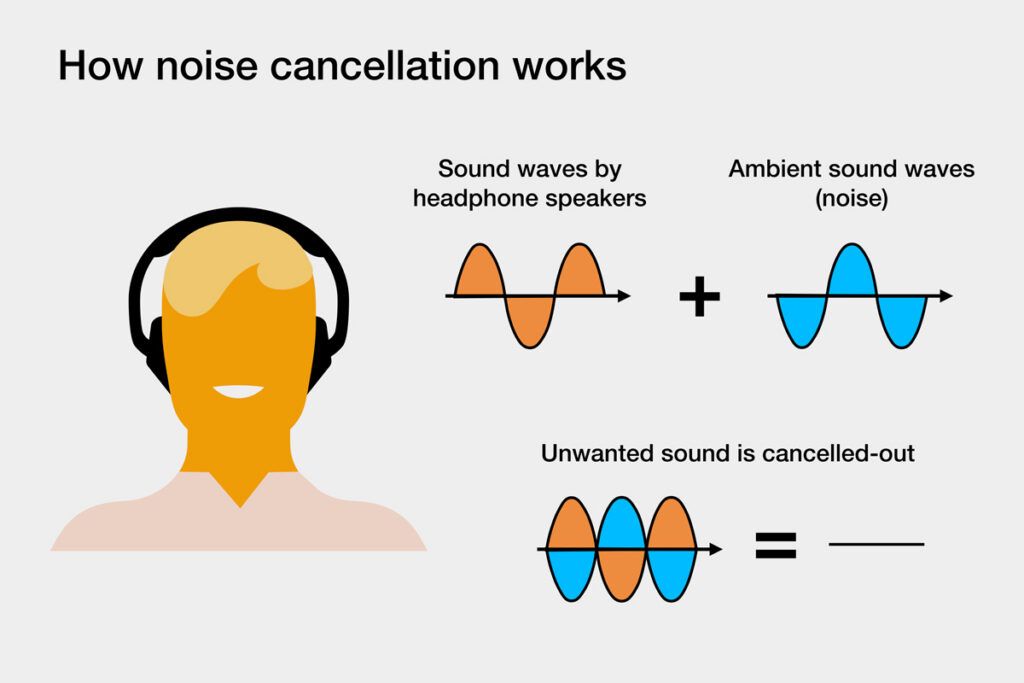
They do this by essentially creating a second sound wave that is 180 degrees out of phase with the sound wave of the unwanted noise; in other words, one sound wave’s highest point matches the other’s lowest. The reverse amplitude of this produced sound wave cancels out the external sound in a process called destructive interference, leaving behind peaceful silence (or a very close approximation). 

Man listening to headphones on the train
Credit: Curated Lifestyle/Unsplash.com

The most common method of ANC is known as “feedforward,” in which microphones on the outside of the earcup process external sound before sending the out-of-phase, noise-canceling signal to the earcup. Feedback ANC, on the other hand, uses microphones placed inside the earcups that process sound, and can then adjust to a broader range of frequencies, though this is less effective in higher ranges. Because both types have advantages and disadvantages, companies now sell “hybrid ANC” versions that offer the best of both worlds. 

Of course, processing these signals takes time and it’s a big part of the reason noise-canceling headphones work best at zeroing out predictable, low-frequency sounds, such as the hum of an airplane, rather than sudden, high-frequency sounds like a baby crying. So while ANC headphones help lower the volume on the world around us, they can’t silence it completely.

Short Answer

Active noise-canceling (ANC) headphones eliminate background noise for the wearer by producing their own sound, an out-of-phase soundwave that is exactly the opposite of incoming audio. This cancels out that ambient sound, leaving nothing but silence or whatever you’re playing through your headphones.

ENGINEERING

How Does Velcro Work?

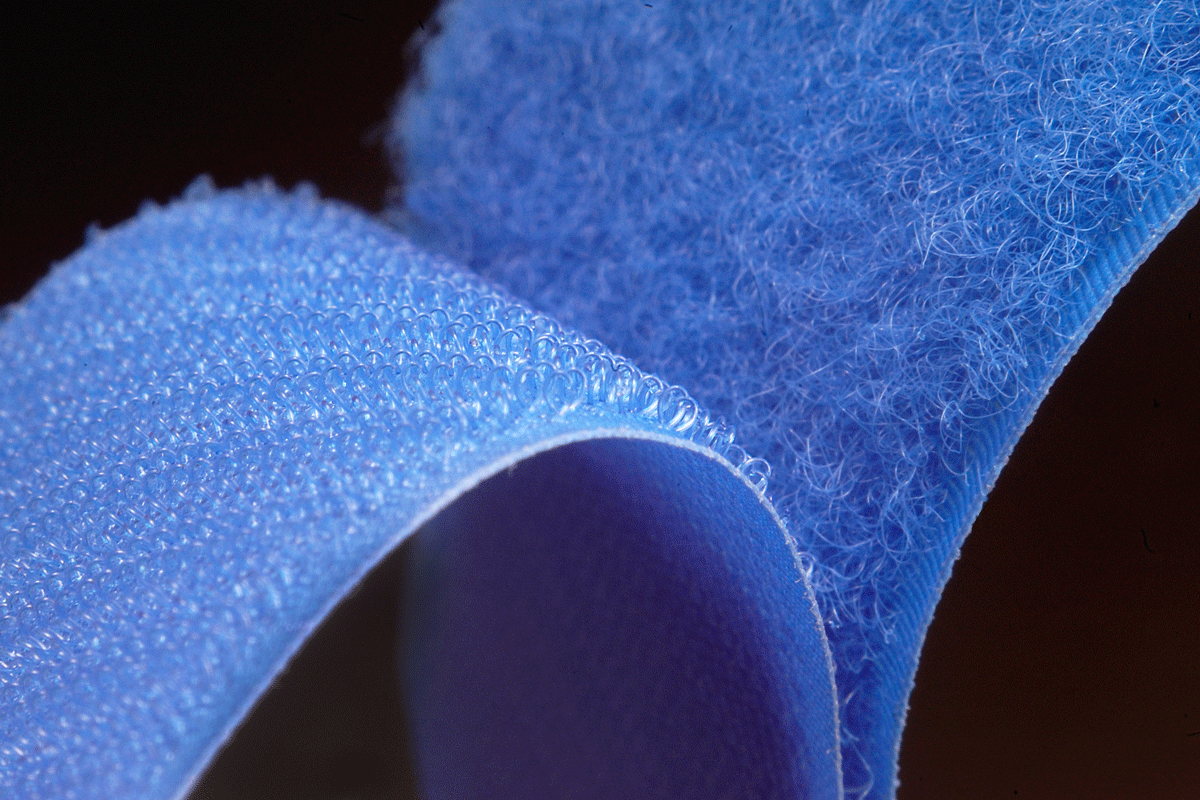
Two ends of Velcro peeling from one another
Credit: Curto/stock.adobe.com
Darren Orf
Author
Darren Orf is a writer and editor living in Portland, Oregon, who covers science and the natural world for places like Popular Mechanics, National Geographic, and Smithsonian Magazine, among others.

The world’s greatest engineer is nature. It’s why the nose of a bullet train mimics the bill of a kingfisher, swimwear shares similar attributes with shark skin, and the bumps on a humpback whale’s fins inspired better wind turbines. Copying a page out of nature’s engineering playbook is a concept known as biomimicry, and it’s also the driving force behind one of the biggest fashion inventions of the past century.

In 1941, after returning from a hunting trip in the Alps, Swiss engineer George de Mestral noticed a bunch of burrs from a burdock plant clinging to his pants and the fur of his hunting dog. His curiosity got the best of him and he decided to take a closer look at these plant-based nomads.

What he saw had him hooked — or rather, what he saw inspired the hook-and-loop mechanism that would eventually become Velcro.

A Patent Patterned on Plant Production

When examining the burdock burrs under a microscope, de Menstral noticed that their tips weren’t straight (as they appeared to the naked eye) but actually formed tiny hooks designed to grasp onto any passersby. Plants rely on a variety of seed dispersal strategies, including animal consumption, water, fire, or simply just the wind. 

The biennial burdock plant, a member of the genus Arctium, relies on this hook-and-loop strategy to hitchhike onto other animals and disperse its seeds far and wide. This process is known as “epizoochory,” and de Mestral wondered if he could artificially replicate this natural function to create an easy-to-use fastening system. 

That dream took nearly 15 years to realize. In 1955, the U.S. finally approved de Mestral’s patent for his plant-inspired creation called Velcro, a portmanteau of the French words velours (“velvet”) and crochet (“hook”), in 1955. 

Burdock burrs resting on a pair of boots
Credit: soupstock/stock.adobe.com

The way it works is that one piece of Velcro contains an array of burdock-inspired hooks — created from nylon for its ability to bend, flex, and return to its original shape — while the other half contains a series of loops, similar to an animal’s fur. When pressed together, the hook grabs the loop and holds the material together, but when you apply just a little bit of pulling force, the hook easily slips free of the loop, and the two materials separate.

While velcro’s place in fashion was slow going, its eventual use by NASA during the Apollo missions as well as its introduction into running apparel during the 1968 Olympics thrust the hook-and-loop system into the mainstream.

Sometimes the most brilliant piece of engineering is also the simplest.

Short Answer

Inspired from the burrs of a burdock plant, Velcro is essentially a microscopic system of hooks and loops. One side of the Velcro features an array of tiny hooks designed to cling to the other side, which is a tiny smattering of loops. When applying a small amount of pulling pressure, those hooks easily slip free of the loops, allowing them to be pulled apart.

TECHNOLOGY

How Do Polaroid Cameras Work?

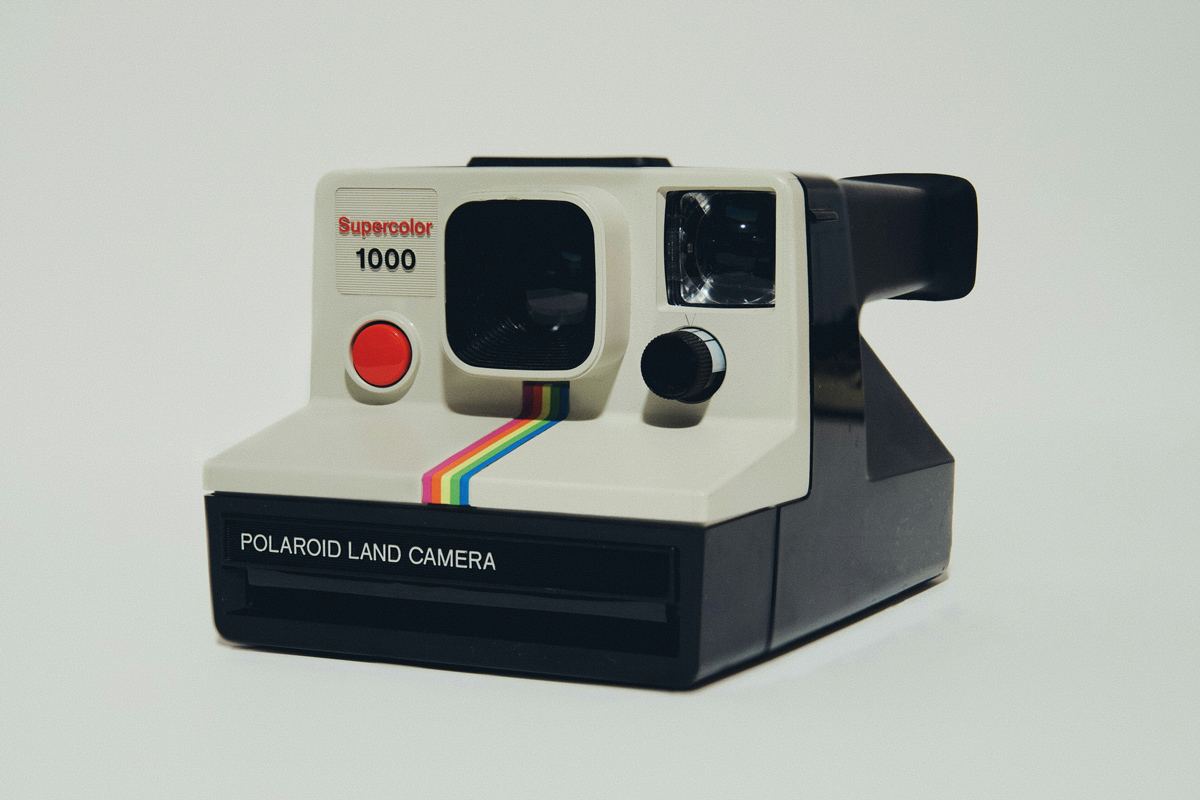
A Polaroid camera
Credit: Patrick/Unsplash.com
Darren Orf
Author
Darren Orf is a writer and editor living in Portland, Oregon, who covers science and the natural world for places like Popular Mechanics, National Geographic, and Smithsonian Magazine, among others.

Instant photography is nothing groundbreaking today. You snap a photo on your smartphone and it’s accessible, editable, and printable in a fraction of a second. But that immediacy was practically unheard of until one iconic invention changed photography as we know it: the Polaroid camera.

Unlike digital photos, a Polaroid doesn’t just appear — it develops right before your eyes. An opaque square of film emerges from the camera, shapes begin to emerge, and within minutes, an image takes form. It feels a little like watching a photograph come to life, and what’s happening beneath the surface is just as magical as it appears to the naked eye.

Impatience Breeds Innovation

The demand for immediate photography came from, where else, a 3-year-old. Jennifer hated waiting to see her father’s photographs, so American inventor Edwin Land created the first Polaroid camera — then known as the “Land Camera” — in 1947. Since then, other companies such as Kodak and Fujifilm have developed their own instant cameras, but the name Polaroid became the common name for this specific kind of instant nostalgia.

The physical camera itself is actually quite simple, containing a flash, shutter, and (in many older models) a stationary mirror that inverts the image. The chemical magic happens on the film itself. Before the Polaroid, developing a photo was a laborious process involving dark rooms, photography paper, various chemicals, and a lot of patience. Today’s color instant cameras bake all this chemistry into more than a dozen distinct, extremely thin layers that live on the film paper itself.

A gif of a developing Polaroid photo
Credit: How Everything Works

Meanwhile the chunky white border along the bottom of the photo houses a chemical pack known as the “reagent pod,” which is filled with all the developer chemicals needed to develop the image. When a photo is snapped, reactive layers embed color information into the film, then the camera pushes the image-in-progress through a set of rollers, crushing the reagent pod, coating the film, and initiating a dye transfer as the chemical information embedded in the dye layers rushes up to the image layer.

Various developed Polaroid photos
Credit: Annie Spratt/Unsplash.com

Depending on which colors are included in the image, different crystals block the underlying dye layer from getting through. For example, if the layer sensitive to green is exposed, the underlying magenta layer can’t get through, but the other color layers — cyan and yellow — can, which, when mixed together form the green leaves of the tree you just photographed.

When the film is finally ejected, the photograph is still sensitive to light so opacifiers form the tell-tale cloudy layer that slowly turns clear once the photo is fully developed, taking about 60 seconds.

Picture perfect.

Short Answer

It’s the Polaroid film — not the camera itself — that allows photos to appear moments after you snap a picture. The thick white bottom of Polaroid film contains more than a dozen different chemicals used to develop film, which are distributed as the paper is pushed through rollers and ejected from the camera.