Your email has been confirmed, welcome to How Everything Works!
Author: jpiconeb
SCIENCE
What Makes Popcorn Pop?
Credit: JSB Co./Unsplash.com
By
September 11, 2026
Updated: September 11, 2026
Jill Layton
Author
Jill Layton has spent over a decade writing professionally for outlets like People, Scary Mommy, HuffPost, The Dodo, Best Products, and House Outlook, plus a stint writing radio ads and ghostwriting for a comedian — don’t tell anyone. She lives in California with her two young kids and old lady dog.
Popcorn is one of the few foods that announces it’s ready with a series of tiny explosions. One minute it’s a handful of small, hard kernels; just a few minutes later, it’s white, fluffy, and delicious with butter.
You can’t just throw any corn on the cob into the microwave and expect fireworks, though. Popcorn isn’t ordinary corn — it comes from a specific variety of flint corn, known scientifically as Zea mays everta. Two qualities make this variety especially well-suited for the movie theater.
Here’s what makes it pop.
Pressure Cooking
Credit: Oleksandr Pokusai/stock.adobe.com; Illustration How Everything Works
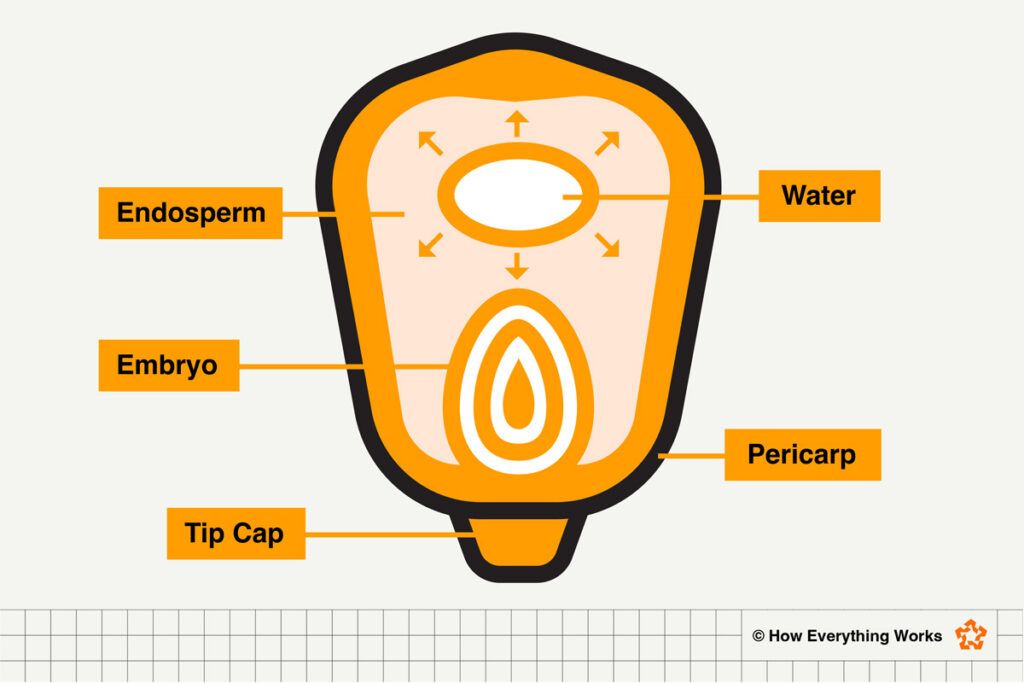
A popcorn kernel is like that one uncle in your family — tough on the outside, but really a softie on the inside. Similarly, every kernel of Zea mays everta contains three important parts: a starchy center called the endosperm, a tiny embryo that could grow into a new corn plant, and a tough outer shell known as the pericarp.
That outer shell is the key to making popcorn. Unlike the shells of sweet corn or field corn, it’s strong enough to trap steam inside as the kernel heats up. Although popcorn looks dry, each kernel contains water. The ideal moisture level for a kernel to pop is about 14%. The temperature inside the kernel climbs to roughly 350 degrees Fahrenheit, turning the water into steam. Because the steam can’t escape, it continues building.
As all of this is happening, the starch inside begins to soften into a thick, almost molten paste. Scientists call this process gelatinization, and it’s similar to what happens when starch thickens a sauce. Inside the kernel, it’s happening while steam continues pressing against the shell. Essentially, each kernel has become a tiny pressure cooker.
Credit: Laura Nyhuis/Unsplash.com
When the pressure inside reaches about 135 pounds per square inch (psi) — roughly four times the air pressure inside a car tire — the shell gives way. It cracks open almost instantly, similar to how built-up gas explodes from a can of soda when you shake it.
As the shell bursts, the trapped steam expands in a fraction of a second. The softened starch puffs outward and rapidly cools, hardening into the airy, irregular shape we recognize as popcorn. The familiar popping sound isn’t the starch expanding — it’s the shell finally cracking open.
Not every kernel pops perfectly. If there’s too little moisture inside, it can’t produce enough steam to burst. If the shell has even a tiny crack, that steam can escape before enough pressure can build for the kernel to pop.
That’s why you usually end up with a few stubborn kernels at the bottom of the bowl, and why throwing them back into the microwave isn’t going to “re-pop” them.
Short Answer
A specific variety of corn is used to make popcorn because its kernels contain a small amount of water sealed inside a particularly tough outer shell. As each kernel heats up, that water turns to steam, but the shell is strong enough to keep it trapped. The steam builds pressure while the kernel’s starch softens into a thick paste. Once the pressure becomes too great, the shell cracks open nearly instantaneously. The softened starch puffs outward and quickly cools into the light, fluffy popcorn we eat.
Advertisement
HEALTH
Why Does Cracking Your Knuckles Feel So Good?
Credit: Fellipe Ditadi/Unsplash.com
By
September 11, 2026
Updated: September 11, 2026
Juliet Bennett Rylah
Author
Juliet Bennett Rylah is a Los Angeles-based journalist whose bylines include Atlas Obscura, The Hollywood Reporter, Vice, and many more. In her free time, she likes to karaoke and record spooky podcasts.
Opposites often attract. A night owl falls in love with a morning person. A social butterfly marries a homebody. And some star-crossed couples have one person who can’t stand the sound of cracking knuckles and another who finds the little pops too satisfying to resist. You can’t help who you love.
Then again, maybe both you and your soulmate crack your knuckles — it’s a fairly common habit. It does seem counterintuitive, though. It certainly doesn’t feel good to stub your toe, so why would cracking your knuckles be pleasurable? More importantly, is it harmful over time?
Take a Crack at It
Credit: Dr Faiz/stock.adobe.com
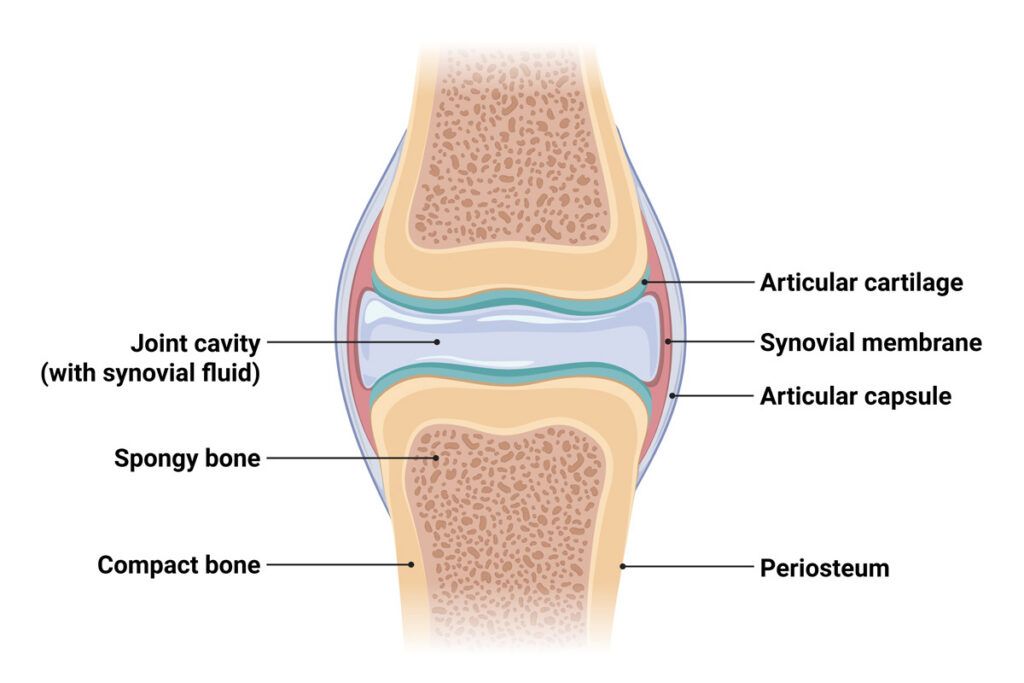
Knuckles are joints surrounded by protective synovial fluid, a thick liquid that reduces friction between bones and delivers nutrients. This fluid is contained within thin sacs called synovial capsules.
When you push on your knuckle to “crack” it, the capsule stretches and decreases the pressure within the joint, creating a vacuum. In a process called cavitation, dissolved gas rushes to fill that vacuum, forming a bubble. It was once believed that the cracking noise came from the bubbles bursting, but it’s not so simple.
In 2015, PLOS One published a study that examined knuckle cracking while the subjects’ hands were inside an MRI machine. It found that the sound coincided with the formation of the bubble, not its bursting. The noise is akin to how a suction cup “pops” when the pressure is released. Meanwhile, a 2018 study published in Scientific Reports argued that the sound could still be the partial collapse of the bubble, but that study relied on a mathematical model and not a real-world experiment.
Whatever the cause of the sound, there’s also no evidence to suggest that cracking our knuckles has any positive effect. It may feel pleasurable when tension in the muscles and ligaments around the knuckle is relieved, not unlike stretching your back. Some people claim that it makes their joints feel looser, but the feeling may just be psychological. It could also be a way some people deal with stress, as with a fidget spinner or drumming fingers on a table.
However, it’s hard to do over and over without at least some time passing in between. After gas rushes into the vacuum formed by cracking your knuckle, it takes a bit for it to dissolve back into the synovial fluid. Until it does — typically about 20 minutes later — you won’t be able to crack your knuckles again.
Does Cracking Knuckles Lead to Arthritis?
Credit: Andrey Popov/stock.adobe.com
You may have heard that you shouldn’t crack your knuckles because it can lead to arthritis. However, multiple studies have found no link between the two.
California physician Donald Unger conducted a personal experiment in which he frequently cracked one hand’s knuckles, but not the other. Repeated X-rays taken over the course of many years found no difference between his hands. A larger 2011 study published in The Journal of the American Board of Family Medicine also failed to show a correlation between knuckle cracking and arthritis.
While one study evaluating 300 patients in a Detroit hospital found that doing it repeatedly over many years may increase hand swelling and reduce grip strength, another by the University of California, Davis found no such evidence.
That said, if someone keeps telling you cracking your knuckles is bad for you, it’s possible they don’t care about the studies — they just want you to stop doing it in front of them.
Short Answer
The pop we hear when cracking our knuckles is caused by gas bubbles in the liquid that lubricates the joints and delivers nutrients. It’s harmless, even when done repeatedly. It’s possible knuckle cracking can relieve tension in the surrounding muscles and ligaments, though the satisfying pleasure associated with it is likely more psychological than physiological.
Advertisement
SCIENCE
Does Fossil Fuel Really Come From Dinosaurs?
Credit: Nils Huenerfuerst/Unsplash.com
By
September 11, 2026
Updated: September 11, 2026
Bess Lovejoy
Author
Bess Lovejoy is a writer and editor who lives in Seattle. She is the author of the book Rest in Pieces: The Curious Fates of Famous Corpses, and her writing has also appeared in The New York Times, The Boston Globe, The Wall Street Journal, Time, Lapham’s Quarterly, The Public Domain Review, Atlas Obscura, and elsewhere. She was formerly an editor at Mental Floss and SmithsonianMag.com, and currently teaches classes on research.
The term “fossil fuel” might have you picturing the remains of a T. rex or Brachiosaurus decomposing into the unleaded you pump into your car. But, the process doesn’t generally involve the kinds of fossils found in museums. No dinosaurs were harmed in the making of your gasoline (probably).
In fact, most of the fuel that powers our modern civilization doesn’t come from animals at all. Fossil fuel is technically solar power, because it originates with the sun. Here’s how.
What Lies Beneath
Credit: Polina Kuzovkova/Unsplash.com
Fossil fuels (coal, oil, and natural gas) generally aren’t made from fossils, at least not in the usual sense of preserved bones or shells or traces in rock. Instead, they’re formed primarily from the remains of ancient plants, algae, bacteria, and plankton.
These organisms had something valuable in common: They captured energy from sunlight. Through photosynthesis, they used that solar energy to turn carbon dioxide and water into carbon-rich organic matter that became the basis of modern fuels.
Normally, when an organism dies, decomposers break down that material, returning much of its carbon to the atmosphere. But under certain conditions, some carbon-rich remains escape that fate.
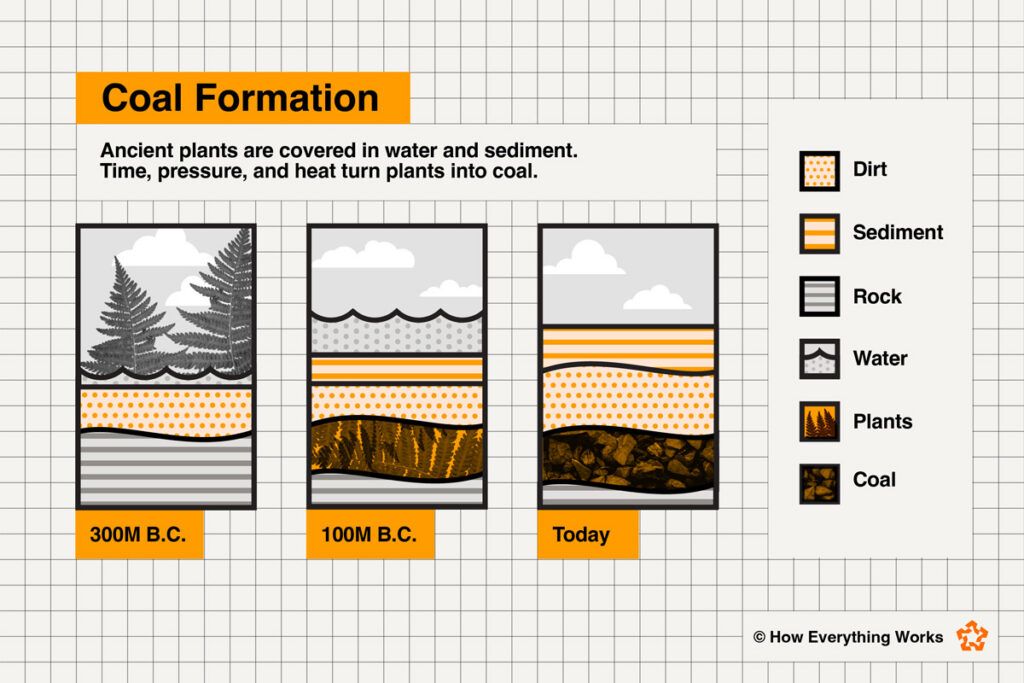
Coal began forming largely from plants that died in ancient bogs and swamps. Waterlogged, oxygen-poor conditions slowed decomposition, allowing layers of partially decayed vegetation to accumulate as peat. As sediment piled on top, the peat was buried more deeply.
Increasing heat and pressure (think of all that rock crushing the sediment from above) gradually squeezed out water and other substances, concentrating the carbon and transforming the peat into coal.
Credit: How Everything Works
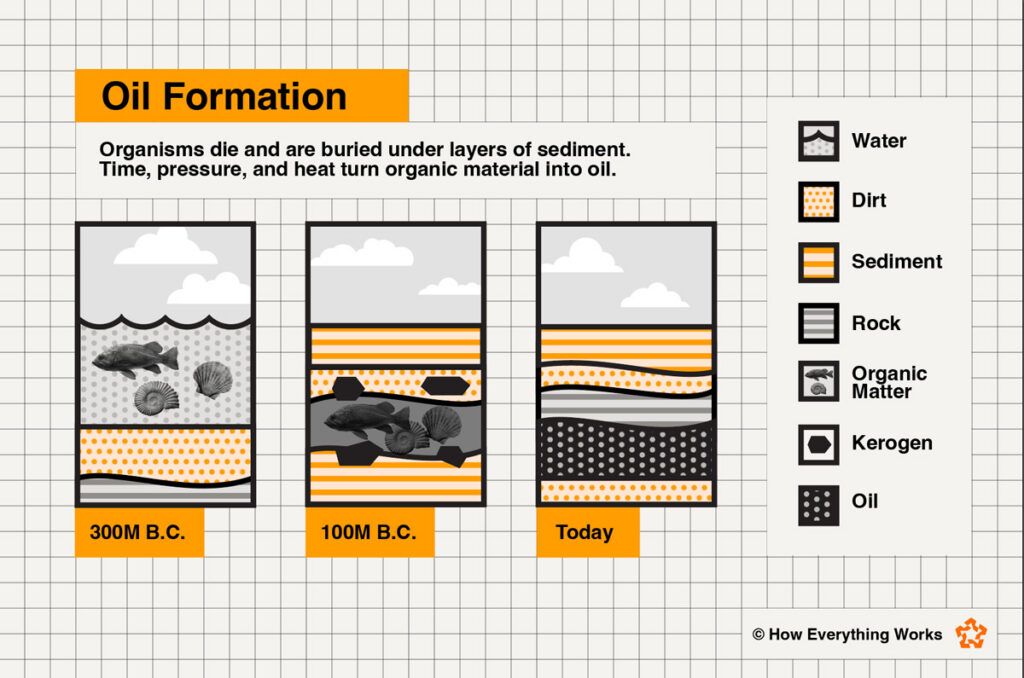
Oil and natural gas followed a different route. Much of their raw material came from tiny marine organisms such as plankton, which died and sank to the bottoms of ancient oceans. Buried beneath layers of mud and sediment, the remains were cut off from oxygen and partly broken down by microbes. Over time, chemical reactions turned this material into a waxy substance called kerogen.
Burial over the eons pushed the kerogen deeper into Earth, where rising heat and pressure continued to alter its molecules. Under the right conditions, kerogen became liquid hydrocarbons — crude oil (also called petroleum). At even higher temperatures, it produced smaller, lighter hydrocarbons, including methane, the main component of natural gas.
Carbon and hydrogen are particularly potent together, as their atoms form tight chemical bonds with one another. These bonds contain high amounts of chemical potential energy, which is why hydrocarbons make such a potent fuel source. When coal, oil, or gas burns, its hydrocarbons react with oxygen, releasing the potential energy as heat. That ancient energy, which originally came from the sun, can then warm a house, power a car, or spin turbines to generate electricity.
How Much Oil Is There?
Credit: How Everything Works
Oil and gas don’t necessarily remain where they form. Because they are less dense than the surrounding rock and water, they can seep upward through tiny pores and cracks. When they encounter an impermeable layer of rock, however, they become trapped beneath it and accumulate in underground reservoirs. Drilling into one of these reservoirs releases material that may have been confined there for millions of years.
It’s estimated that no more than 6 trillion barrels of oil (a barrel is 42 gallons) currently reside somewhere in the ground. That supply is called the “oil in place,” but only about a quarter of that is considered to be part of the world’s “proven reserves,” which are the fossil fuels that we are at least 90% confident we can actually mine and use.
In 2024, the world used roughly 100 million barrels per day. At that rate, we’d consume the 1.7 trillion-barrel supply of proven oil reserves in less than 60 years, sometime in the early 2080s. Commercial oil drilling began in the 1850s, which means that modern civilization will have burned through Earth’s entire supply of usable fossil fuel, which took hundreds of millions of years to form, in less than 250 years.
Fortunately, we don’t have to sit around in the dark for millions of years waiting for new fossil fuel. The original source of energy that gave oil its kick in the first place — the sun — is readily available and isn’t going anywhere anytime soon.
Short Answer
Fossil fuels come from the remains of ancient plants, algae, bacteria, and plankton buried in oxygen-poor environments. Over millions of years, these remains are transformed by heat and pressure into coal, oil, or natural gas. Burning these fuels, known as hydrocarbons, releases energy stored in the bonds between their hydrogen and carbon atoms, which originated from the sun.
Advertisement
HEALTH
Why Do Doctors Shock the Heart?
Credit: Getty Images/Unsplash.com
By
September 11, 2026
Updated: September 11, 2026
Bess Lovejoy
Author
Bess Lovejoy is a writer and editor who lives in Seattle. She is the author of the book Rest in Pieces: The Curious Fates of Famous Corpses, and her writing has also appeared in The New York Times, The Boston Globe, The Wall Street Journal, Time, Lapham’s Quarterly, The Public Domain Review, Atlas Obscura, and elsewhere. She was formerly an editor at Mental Floss and SmithsonianMag.com, and currently teaches classes on research.
You’ve probably seen the scene in a medical drama: A patient’s heart monitor flatlines, a doctor presses two paddles against their chest, someone shouts “Clear!”, and a jolt of electricity makes the patient’s body jump. A moment later, the monitor begins beeping normally again.
The real-life procedure, called defibrillation, is less theatrical. And — despite the way it’s depicted on television — doctors don’t actually shock a flatlining heart. Instead, thanks to the unusual way the heart keeps its own beat, electricity can save the day another way.
And the Beat Goes On
Credit: Encyclopædia Britannica, Inc.
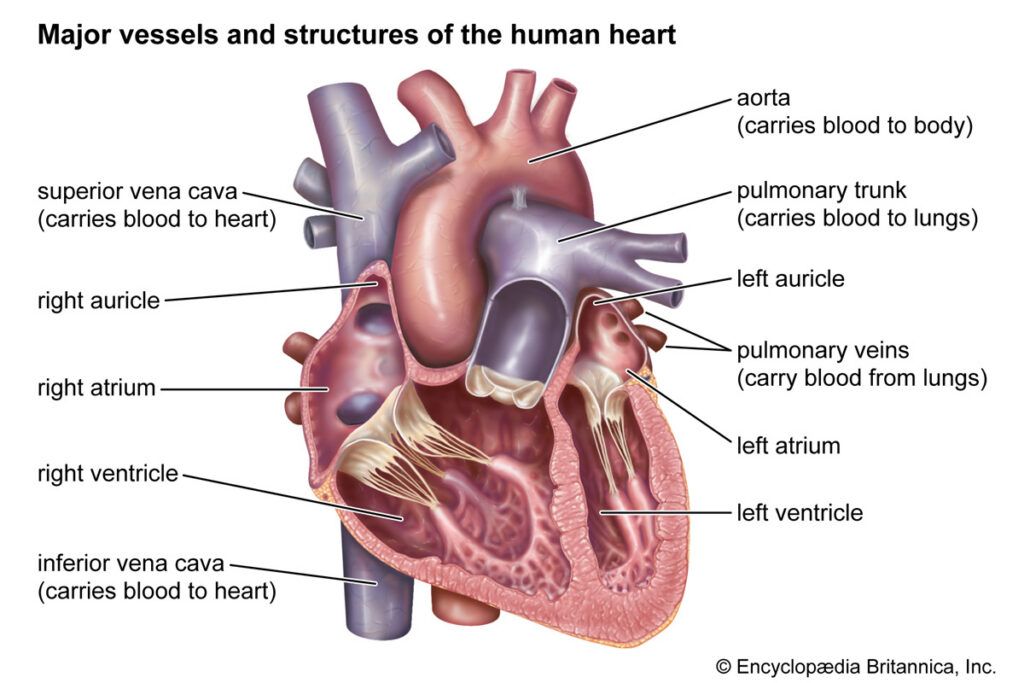
Though we aren’t robots, we do, believe it or not, run on electricity. Each heartbeat begins with an electrical signal created by a group of cells in your heart’s sinoatrial, or SA, node. Often called the heart’s natural pacemaker, the SA node sends the signal through the heart’s upper chambers and then down into its lower chambers, prompting them to contract in an orderly sequence.
This coordination allows your heart to fill with blood before pumping it throughout the body. At least, this is how it normally works. Sometimes, that orderly electrical system is thrown into chaos by an irregular or abnormal heartbeat, known as an arrhythmia. That’s when the heart is beating too fast, too slowly, or too erratically.
Imagine a rowing crew pulling their oars in rhythm, propelling their boat forward with a single unified stroke. Without a coxswain coordinating the team by yelling “Stroke!” with each beat, rowers would pull their oars at different times, banging into one another and dragging to the point that the boat stalls in the water.
The electrical signal guiding different chambers of the heart is like the coxswain, and if its rhythm becomes irregular, you can get a type of arrhythmia known as ventricular fibrillation (V-Fib). The disorganized signals race through the heart’s lower chambers, called ventricles, causing different groups of muscle cells to contract at different times.
Instead of producing a strong, coordinated squeeze, the lower two chambers, known as ventricles, merely quiver and can’t pump blood effectively. Just like a boat when its rowers aren’t in sync, the heart stalls out. Cardiac arrest occurs, a serious emergency in which the brain and other organs are rapidly deprived of oxygen.
Intervention as soon as possible is key to saving a life in this situation. A defibrillator is designed to stop the electrical free-for-all. The device stores energy in a component called a capacitor and then rapidly releases it through electrodes placed on the chest.
The current passes through the heart and causes a large number of its muscle cells to depolarize — essentially, to activate — at the same moment. Afterward, those cells enter a brief recovery period in which they cannot immediately fire again.
This synchronized pause interrupts the chaotic signals. If the shock succeeds, the SA node or another natural pacemaker can resume control and establish an organized rhythm in the heart. In that sense, defibrillation is less like jump-starting a car and more like yelling “Quiet!” to silence a room full of people who are all shouting at once, giving one designated speaker the chance to be heard again.
You Can’t Shock a Flatlining Heart
Credit: César Badilla Miranda/Unsplash.com
The “Clear!” signal is to ensure nobody is touching the patient and gets accidentally shocked, since electricity can travel from one person to another. The charge delivered by a defibrillator is carefully controlled, but there is no single perfect dose for every person.
An automated external defibrillator (AED) is programmed to use set energy levels, and it can increase the energy if another shock is needed. But defibrillators can’t correct every cardiac emergency.
During V-Fib, the most common cause of cardiac arrest, electricity is still traveling through the heart, even if it’s doing so irregularly. A flatline, medically known as asystole, is different: It means the heart has no detectable electrical activity whatsoever.
Because there is no chaotic rhythm to reset, shocking it will not help, just as flipping your circuit breakers won’t turn the lights back on if there’s no electricity coming into your home. If a patient is flatlining, CPR can temporarily move blood through the body while medical professionals use medications, such as epinephrine, to try and treat whatever has caused the cardiac arrest.
Even then, fewer than 11% of patients who completely flatline at the hospital ultimately survive (and only 2.3% of those who flatline elsewhere make it). Defibrillation, on the other hand, has survival rates as high as 50-70% when administered immediately to a patient who still has a heartbeat that can be shocked back into rhythm.
So the next time you’re watching a medical drama and see someone yelling “Clear!” while a patient is flatlining, you can let everyone in the room know that the doctor has no idea what they’re doing.
Short Answer
When the electrical signals that coordinate the pumping of the heart become irregular and chaotic, cardiac arrest occurs. A defibrillator delivers a controlled electrical shock that overwhelms and interrupts the erratic signals. That brief pause may allow the heart to reset and restore a coordinated rhythm. Contrary to what’s seen on TV, shocking the heart will not work if no electrical signals are present (flatlining).
Advertisement
SCIENCE
How Baking Soda Does… Everything
Credit: Andrej Lišakov/Unsplash.com
By
September 6, 2026
Updated: September 6, 2026
Bennett Kleinman
Author
Bennett Kleinman is a New York City-based staff writer for Inbox Studio. He is also a freelance comedy writer, devoted New York Yankees and New Jersey Devils fan, and thinks plain seltzer is the best drink ever invented.
You won’t find many products that are equally useful for making cookies, soothing bug bites, and unclogging toilets. But there’s a compound that claims all of those abilities and many more besides, like some kind of magical potion gifted to humanity.
That compound is baking soda, and its uses extend far beyond its namesake purpose. Here’s a closer look at what makes baking soda an ideal substance for solving a surprisingly long list of everyday household problems.
What Even Is Baking Soda?
The technical name for baking soda is sodium bicarbonate, a chemical compound that’s typically in the form of an odorless, white, crystalline powder. The fact that it’s a powder may be confusing, since it’s not the same as baking powder.
Baking soda is pure sodium bicarbonate, which reacts with acid (usually not the acid that eats through metal; think more like lemon juice). Baking powder, on the other hand, comes with some form of acid mixed into sodium bicarbonate already, so it only needs water to be activated.
The reason sodium bicarbonate reacts strongly with acid is because it has a high pH. That makes it the opposite of an acid, known as a base. Because of this, baking soda is alkaline, which effectively means it’s water-soluble and can be used to neutralize acids. It’s also nontoxic and mildly abrasive. Together, these properties give baking soda its wide range of uses. Here are 10 of the most
Baking
Credit: Scotty Turner/Unsplash.com
Obviously, baking soda is useful for baking. Perhaps less obvious is why. When added to recipes, baking soda acts as a leavening agent, producing light, fluffy baked goods. This leavening process is activated when baking soda is mixed with an acidic liquid such as vinegar or lemon juice, which in turn releases carbon dioxide gas that causes dough to expand.
Dental Care
Baking soda is a natural whitening agent, since its mildly abrasive texture makes it useful for scrubbing away superficial stains on the teeth. The basic (as in properties of being a base) nature of baking soda can also be used to neutralize acids in the mouth, which increases the pH of your saliva and inhibits the ability of oral bacteria to thrive.
Bacteria help form plaque and also lead to bad breath, so essentially, by mixing baking soda with warm water, you can use the compound just like any typical mouthwash.
Cleaning Clothes
Credit: Curated Lifestyle/Unsplash.com
Baking soda’s effectiveness in the laundry room is because of its alkaline nature. When dissolved in water, baking soda neutralizes acids that might be causing unpleasant odors or stains. This helps your clothing come out smelling fresh, and it also helps whiten mild discoloration.
Deodorizing
Whether you’re using it to deodorize your fridge, shoes, or even reaching for it as a replacement for your Old Spice, baking soda is a highly effective deodorizer. Many of the bad odors we’re faced with come from acidic substances. By applying some baking soda, you can neutralize those acids and keep odors at bay.
Unclogging Drains
Credit: Clay Banks/Unsplash.com
When mixed with vinegar, baking soda produces a bubbling reaction (similar to how it works when fluffing up pancakes and cookies). If you were to pour the combination down a clogged tub or sink drain, that chemical reaction can also physically rustle the clog loose. Then all you need to do is flush the debris from your pipes with boiling water.
Treating Bug Bites
Mixing 1 tablespoon of baking soda with just enough water to create a paste can be an effective remedy for treating itchy bug bites. The alkaline baking soda neutralizes any of the acids that are being produced by the bite and causing you to itch. Just apply the paste and let it sit for 10 minutes. Wipe it away, and you should feel immediate relief.
Killing Weeds
Credit: Kiryakova Anna/stock.adobe.com
Pulling weeds out of the ground typically isn’t enough to remove them in the long term, as they have deep roots that’ll inevitably regrow. But if you sprinkle a bit of baking soda onto the soil where the weeds are growing it creates an inhospitable (but nontoxic) environment for future growth.
This time, baking soda’s secret power isn’t its alkalinity — it’s that the substance is also high in sodium. You’re essentially salting the earth, which prevents vegetation from being able to absorb water and grow.
Cleaning Food
When you buy fresh produce, one of the most pressing concerns is whether there are pesticides remaining on the skin of food, even after washing it under the sink. Research has shown that baking soda can help relieve those worries.
The alkaline nature of sodium bicarbonate breaks down the chemical bonds of pesticides, loosening and dislodging toxins from the skin of an apple or other food surface. Simply soak fruits or veggies in a solution of baking soda and water for up to 15 minutes before rinsing off to help remove any residual pesticide.
Treating Heartburn
Credit: Zyanya Citlalli/Unsplash.com
For anyone struggling with heartburn, baking soda may be a welcome solution. As you may know, heartburn is caused by stomach acids backing up in the esophagus (the tube that connects your throat to your stomach). To fix this, drink a half teaspoon of baking soda and four ounces of water. The alkaline properties of baking soda will neutralize excessive acids in your stomach or esophagus to provide relief.
Freshening Carpets
Dirty carpets can be quite hard to clean, especially without using harsh chemicals. Enter baking soda, the solution to so many housekeeping woes.
Just sprinkle baking soda onto the carpet and let it sit for anywhere from 15 minutes to several hours if the problem is especially serious (we’re looking at you, pet owners, smokers, and parents of young children). The compound will absorb odors and mild staining caused by acidic sources. After that, simply vacuum it up and the carpet should be cleaner and refreshed.
These are just some of the many uses for baking soda, largely due to its alkaline nature. It’s not a magic potion — it’s just chemistry in motion.
Advertisement
CULTURE
How Does Morse Code Work?
Credit: Philip J Openshaw/stock.adobe.com
By
September 6, 2026
Updated: September 6, 2026
Darren Orf
Author
Darren Orf is a writer and editor living in Portland, Oregon, who covers science and the natural world for places like Popular Mechanics, National Geographic, and Smithsonian Magazine, among others.
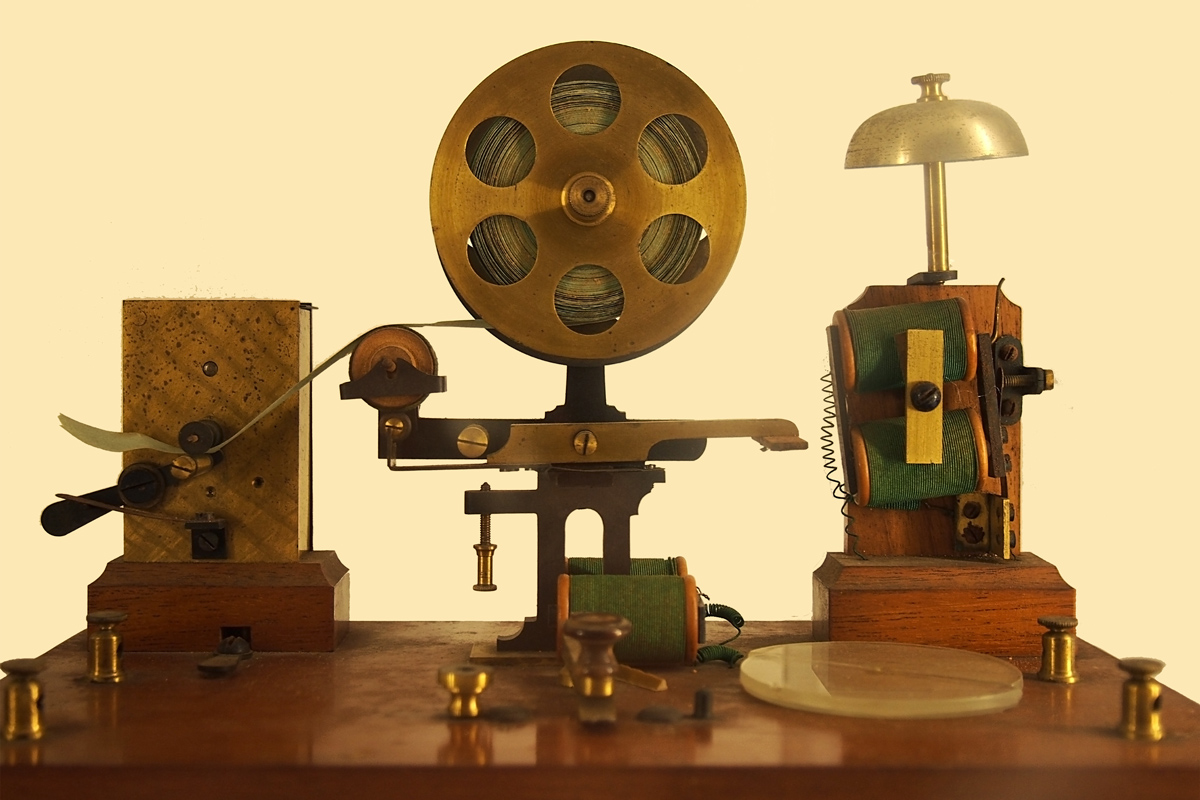
On May 24, 1844, inventor Samuel F.B. Morse tapped out the first telegraph message. Instead of using the English alphabet directly, he used a series of short and long taps — his eponymous Morse code — combining the two into patterns that represented each letter of the alphabet.
Derived from the Bible, the message was an austere one conveying the gravity of the moment, a moment history now defines as the dawn of the communication age: “What hath God wrought?” Morse sent this message from the Supreme Court Chamber in the U.S. Capitol Building. Near-instantaneously, it was received at a train depot some 40 miles away in Baltimore, Maryland.
The invention is still heralded as one of the most important in human history, since it was the first time, after tens of thousands of years, that humanity could share and spread information on a large scale faster than a horse can gallop.
Today, with the rise of social media and AI, we’re still waiting for a definitive answer to Morse’s initial question. But even as communication technology has progressed from dots and dashes to ones and zeroes, Morse code remains a skill with a dedicated fanbase.
How a Telegraph Works
Credit: Encyclopædia Britannica, Inc.
The simplest way to describe a telegraph is to picture the system as a circuit. Electricity, from a battery or generator (the first electric grid wasn’t established until 1882), travels through the circuit along a wire from one telegraph to another.
The telegraph key (the device you physically tap) essentially opens and closes the circuit. The transmitted message of dots and dashes represents the short and long moments when the circuit is closed, allowing the electricity to pass and make its trademark beeping sound. Because electricity travels through wire at the speed of light, messages are received immediately on the other side.
At the time the telegraph was invented, the idea of crisscrossing long thin wires around the world was very novel, but today it’s not too different from the network of telephone, electrical, fiberoptic, and other telecommunication wires that modern society depends on. It is simpler, though.
Because telegraph communication is done entirely through stopping and starting the flow of electricity, a basic system of interpreting these signals needed to be developed. That’s where dots and dashes come in.
Dits, Dots, Dashes, and Dahs
Credit: Encyclopædia Britannica, Inc.
The basic concept of Morse code is similar to modern computer transistors that use binary code. Morse’s entire “language” is communicated through passing electricity (ones) and not passing electricity (zeroes). Interestingly, Morse code is actually more complicated than binary — it’s trinary code, because it uses three distinct elements to represent language.
The silence between letters and words is communicated by the lack of electricity, but the flow of electricity is represented two different ways: a quick tap, or pulse, called a “dit,” and a tap that’s three times as long called a “dah.” On paper, a “dit” is represented by a dot and a “dah” by a dash, which is why we usually refer to them as “dots and dashes” (even though “dits and dahs” is a lot more fun to say).
The International Morse code contains 40 foundational characters, each represented by a unique pattern of dots and dashes. These include the 26 letters of the English alphabet, numbers zero through nine, and a handful of punctuation marks. Letters are assigned up to four elements (an element being either a dot or dash). Numbers are assigned a combination of five.
For example, the letter “E” is only one dot while the letter “T” is only one dash. “C,” on the other hand, is “dash-dot-dash-dot” while “P” is “dot-dash-dash-dot.” You might notice that more common letters are simpler to use (and remember) — this was very much intentional when Morse and his partner, Alfred Vail, devised the code.
Using Negative Space
Morse code is more than just dots and dashes, though. Remember when we said it’s a trinary system? That’s actually oversimplifying it, as there are really five basic units that make up the language. In addition to a long pulse and short pulse that closes the circuit, there are three ways to leave it open — three lengths of time a space between dots and dashes can be.
One unit is the length of a short tap. A moment of silence that’s one unit long represents the space between two taps within the same letter, but three units of silence represents the space between two letters. That way the receiver knows whether a dot or dash is part of the same letter or starting a new one.
For example, “E” is just one short pulse (.) and “I” is two short pulses (. .). The length of time between two short pulses tells you if it’s two back-to-back “E’s” or an “E” and an “I.” Telegraph operators can also use a third length of space between pulses that is seven units long. This extended pause indicates the beginning of a new word. Sometimes, to make sure a message is clear, operators also spell out “STOP” to indicate the end of a sentence.
Learning by Ear
The method may seem cumbersome at first, but with practice, you can get up to speeds approaching or even exceeding how fast people talk. In 2005, two men achieved the world record for transmitting and receiving a 160-character message in just one minute and eight seconds. A standard audiobook is typically read at a speed of 150-160 words per minute.
Originally, Morse conceived of telegraphs using styluses that would print dots and dashes onto moving paper tape. However, telegraph operators found it easier to just learn the language by ear and translate it themselves in real time.
Today, many enthusiasts learn Morse code by using the “Koch method,” named after German broadcaster Ludwig Koch, who pioneered it. From day one, you start at your target speed (however fast you want to be once you’ve mastered the skill) and then learn each letter’s pattern of dots and dashes, one by one. Once you’ve mastered one letter, you move on to the next. With diligent practice, you can learn to send and receive Morse code in three to six months.
Morse Code Isn’t a Dead Language
Credit: NB—ROD/Alamy
While Morse code may not have as widespread an application as it did at the turn of the 20th century, the skill can still come in handy, especially in the military and the aviation industry. The U.S. Navy, for example, still uses signal lamps, rather than telegraphs, to communicate in Morse code between ships when needed. Primarily, though, it’s radio enthusiasts that continue to use Morse code regularly.
The Federal Communications Commission (FCC) no longer requires a proficiency in the code to attain an amateur radio license, but many people still learn it anyway. Some amateur operators even travel to various mountain peaks and set up portable communication gear for transmitting Morse code messages.
Hamvention, the world’s largest ham radio convention, brings more than 35,000 attendees to Dayton, Ohio, annually. With Morse code competitions and artisans showcasing bespoke telegraph keys, the event is proof that Morse isn’t going anywhere anytime soon.
Sarah Gleim is an Atlanta-based freelancer with more than 25 years of experience writing and producing explainers and features about history, science, food, and health for media outlets such as AARP, WebMD, The Conversation, History.com, HowStuffWorks, CNN, and others. She's also the editor of several cookbooks for Southern Living and Cooking Light.
If your knowledge of physics includes little more than what you’ve seen on The Big Bang Theory, we get it. Physics is a particularly difficult subject — after all, its goal is to explain how the entire universe works. Not to mention, it involves advanced math such as calculus and linear algebra, and deals with particles so small they make atoms look huge. Indeed, some concepts defy intuition so thoroughly they seem more like magic than science. Just because something looks mind-blowing doesn’t mean it’s impossible to wrap your head around, though. Here are five seemingly impossible things that, at the end of the day, are just physics at work.
Curveballs
Credit: Encyclopædia Britannica, Inc.
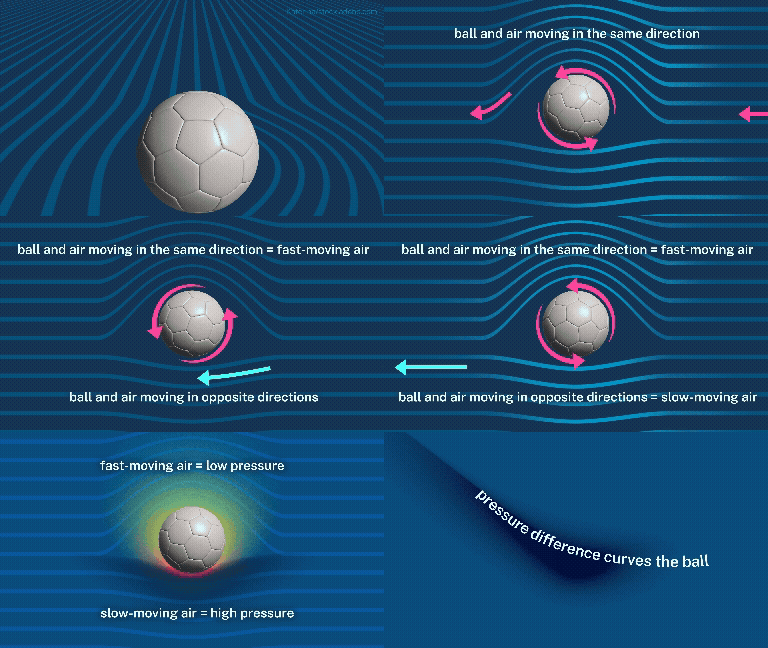
If you’ve seen a pitcher throw a baseball that seemingly changed direction in midair before crossing home plate, you might think it’s magic (or dark magic, if the pitcher’s on the opposing team). The “magic” lies in the spin of the ball, relying on a phenomenon known as the Magnus effect.
Breaking ball pitches, such as curveballs and sliders, “break” their trajectory as they fly toward the plate. When a pitcher throws a curveball, for instance, they snap their wrist over the ball to put spin on it. This makes the ball move downward and sideways over home plate, while the batter still expects it to follow a straight line.
Here’s how it works: The spinning ball curves midair because it drags air along with it. This causes air to move faster on one side and slower on the other. The drag creates a pressure difference that pushes the ball sideways, bending the direction of its path.
Airplanes
Credit: AHMAD FAIZAL YAHYA/stock.adobe.com
Magicians never reveal their secrets, but we’re pretty sure they’re not really making anyone levitate on stage. But physics does make things float. It’s known as Bernoulli’s principle, and here’s a simple way to visualize it.
Imagine a fan pointed so the air is blowing upward. If you place a beach ball in just the right spot within the airflow, it will hover, as if it’s levitating. The magic is in the air pressure. The faster the air moves around the beach ball, the less pressure there is pushing on it from the sides. But if the ball moves outside of the column of blowing air, the stationary air will exert higher pressure onto the ball, and it will fall.
Our understanding of Bernoulli’s principle is also used to design the wings of aircraft, which use the difference in air pressure to seemingly float in midair.
Bending Water
Credit: Richard Hutchings/Science Source
Bending a stream of falling water sounds impossible, but it’s a physics trick you can do right at your kitchen sink. No magic needed — but you do need static electricity, the kind you create when you rub a balloon on your head and your hair stands on end.
That trick generates static electricity because some of your hair’s negative charge moves to the balloon. The same idea works with a negatively charged balloon and water. A single water molecule (H2O) has one negatively charged oxygen atom, but two positively charged hydrogen atoms.
If you use a negatively charged balloon and hold it close to the water, the flow will be attracted to the negatively charged atoms on the balloon. In other words, the positive regions of the water molecules will realign toward the negatively charged balloon, essentially “bending” the water toward the balloon.
Instantly Freezing Water
Credit: Kedibone Isaac Makhumisane/Unsplash.com
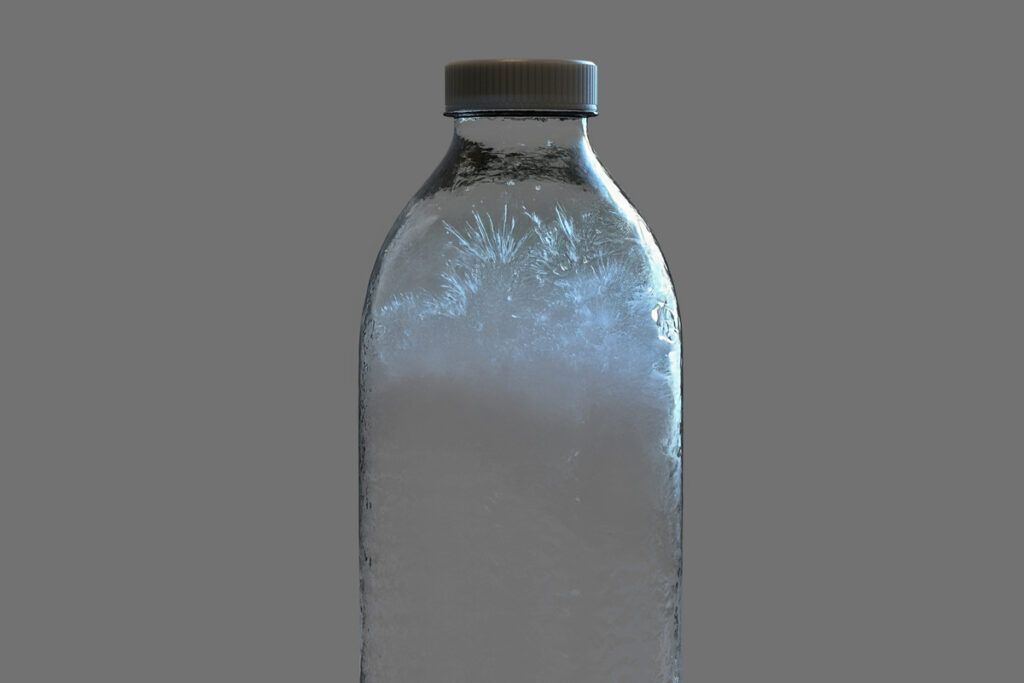
We all know water turns to solid ice when it reaches 32 degrees Fahrenheit, right? Well, not always. Pure water can remain liquid even well below freezing temperatures. And you can make a bottle of water turn to ice — on command.
It’s not magic; it’s supercooling. Your average tap water won’t do it, though. Supercooling only works with water that’s completely free of impurities or minerals, such as distilled water, because ice needs these to form crystals. Water molecules crystallize when they touch and lock together. Impurities, whether calcium, bacteria, or other common microscopic things in tap water, make it easy for water molecules to bump into each other — like riding on a crowded subway train.
Distilled water, on the other hand, flows freely, so ice crystals don’t readily form even if the water is below freezing temperatures. To see supercooling in action, put an unopened bottle of distilled water in the freezer and leave it for about two and a half hours. It will reach a supercooled state. Very carefully remove it from the freezer.
Either shake the bottle or tap it on the table and watch the water instantly form into a band of ice crystals. The supercooled water remains liquid in the freezer because the nucleation process hasn’t begun. That’s the first step in freezing when crystals form around minerals, impurities, or ice in the water.
Shaking or tapping the water bottle jumpstarts the nucleation process by forcing the water molecules to collide, locking them into ice crystals right before your eyes.
Bending Light
Credit: pat_hastings/stock.adobe.com
Ever placed a straw in a clear glass of water and noticed that the part of the straw under the surface of the water seems to be completely disjointed from the straw that’s above?
It’s not an optical illusion, but an example of light refraction, which is when light bends as it passes from one medium to another. Another, iconic, example is the cover art for Pink Floyd’s album The Dark Side of the Moon. It features a beam of white light passing through a glass prism and splitting into a rainbow.
Refraction occurs when light (made of particles called photons) changes speed as it enters a new material, such as from air to water. The denser the medium is with electrons that can interfere with photons, the slower the light travels, which dictates how and where the light will bend. (The “speed of light” we typically think of refers to the speed of light in a vacuum.)
The bent rays of light reflecting off the submerged part of the straw make it look like the straw has broken apart from the segment above water.
Advertisement
HEALTH
10 Things Your Body Does on Autopilot
Credit: ohlamour studio/Unsplash.com
By
September 6, 2026
Updated: September 28, 2026
Sarah Gleim
Author
Sarah Gleim is an Atlanta-based freelancer with more than 25 years of experience writing and producing explainers and features about history, science, food, and health for media outlets such as AARP, WebMD, The Conversation, History.com, HowStuffWorks, CNN, and others. She's also the editor of several cookbooks for Southern Living and Cooking Light.
We like to think we have control over our everyday lives, but in reality we don’t even have control of our bodies — at least not entirely. Yes, we do have many voluntary functions — everything from walking and running to smiling and chewing. These are controlled by your somatic nervous system. But for every bodily function you do control, there are so many more you don’t.
These things — such as breathing and sweating — happen without you ever thinking about them thanks to your autonomic nervous system. This is a good thing, for the most part. Forgetting to stretch in the morning is one thing, but forgetting to breathe would be a much more disastrous oversight.
You might be able to influence these automatic functions somewhat (you can hold your breath, for instance) but eventually, your body is going to do what it wants, no matter how hard you try to stop it. Here are 10 things your body does automatically that you ultimately can’t override.
Breathing
Credit: Getty Images/Unsplash.com
Breathing is one of the few automatic bodily functions you can briefly control. In fact, controlled breathing is a common method for reducing stress and other benefits. For the most part, though, breathing is controlled by your autonomic nervous system.
Most people can only hold their breath between 30 and 90 seconds, after which your body will say enough is enough and force you to let air in.Your brain constantly monitors carbon dioxide and oxygen levels in your blood and will eventually force you to breathe to keep them at the right amount.
Obviously, your body is also breathing for you as you sleep. However, sleep apnea may occur when your brain stops sending the proper signals you need to breathe at night.
Digestion
If you’ve ever become nauseous before giving a big speech or felt “butterflies” in your stomach, you’ve experienced how your gut is sensitive to your emotions. That’s because your brain and gastrointestinal (GI) system are closely connected.
But that doesn’t mean you can control how your stomach digests. Your digestive tract runs autonomously, controlled by your enteric nervous system. This regulates everything from releasing the enzymes that break down food to helping your body absorb nutrients.
And while high stress levels can slow your digestion and cause issues such as constipation, you cannot simply turn the digest function of your body off like a light switch. Even dieting, fasting, or suppressing your appetite won’t stop digestion, because your body must absorb nutrients to stay healthy.
Sweating
Credit: Daniel Neuhaus/Unsplash.com
Sweating is your body’s self-cooling system. It keeps you from overheating on hot days or when you’re exercising. Like other bodily functions, sweating is controlled by your autonomic nervous system. It activates the sweat glands in your skin when your body temperature rises or if something stressful triggers your fight-or-flight response. As perspiration evaporates off your skin, it creates a cooling effect, helping maintain your body temperature around 98.6 degrees Fahrenheit (37 degrees Celsius).
You can try to prevent sweating by applying antiperspirants, wearing breathable clothing, using cooling devices, and even with surgical procedures such as cutting the nerves that trigger perspiration. But not sweating can be dangerous — your body isn’t working hard to maintain your internal temperature just because it feels like. Sweating too little can lead to heat stroke, a potentially life-threatening medical emergency.
Blood Clotting
Every time you get a cut (or an injury to a blood vessel), your body initiates an emergency repair process. Platelets (a type of blood cell) and proteins in your plasma form a clot that plugs the injury to stop the bleeding in a process known as hemostasis. Once your injury heals, the clot should dissolve or break up on its own.
You can’t prevent any of these processes from happening (and why would you want to?). Some people, however, have a disorder that makes their blood clot too easily.
These clots can cause unwanted blockages and lead to serious consequences, such as stroke, heart attack, or deep vein thrombosis (DVT). Doctors often prescribe medications such as aspirin or other blood thinners, but even these don’t turn off the hemostasis — they only dampen the body’s blood-clotting ability.
Blushing
Credit: Greg Rosenke/Unsplash.com
You might desperately try to prevent yourself from blushing, especially during awkward social moments, but that usually only makes these moments worse. Blushing is one of the body’s few visible ways to express emotions such as embarrassment, shyness, or stress. It happens when your sympathetic nervous system releases short bursts of blood to the skin in your face, ears, and neck, giving them a reddish hue.
Because blushing is linked to emotional processing that you also can’t control, it’s nearly impossible to prevent or stop it from happening.
Dilating Pupils
Go ahead, dilate your pupils right now. Obviously, that’s a tall order, because you can’t do so by command. Instead, your pupils — the black centers of your eyes — dilate, or change in size, to adjust how much or how little light is let in. In the dark, they open wide to let as much light in as possible.
Pupils can also dilate when you experience intense feelings or strong brain activity, such as fear, excitement, and deep concentration.Your pupils are controlled by both your sympathetic and parasympathetic nervous systems. Your sympathetic nervous system, which controls your fight-or-flight response, dilates your pupils, while your parasympathetic system constricts them as part of a “rest-and-digest” state.
Goose Bumps
Credit: Oleksii Sergieiev/stock.adobe.com
You get goose bumps when your sympathetic nervous system causes muscles attached to your hair follicles to contract.
Goose bumps happen for a few different reasons, including to help warm your skin when you’re cold. The change in the surface area of your skin, as well as your pores closing to trap heat, help retain warmth.
Goose bumps will also occur when you’re going through sudden or intense feelings, whether it’s fear, arousal, or even a response to music or your own thoughts. There’s evidence that some people may be able to trigger their own goose bumps, but science shows that, for most of us, they’re involuntary.
Shedding Skin Cells
Your skin is constantly replacing itself. According to the Skin Cancer Foundation, you shed 30,000 skin cells every minute to make room for new ones. You can exfoliate or use antiaging products, but you can’t change or stop this cycle. In fact, skin cells grow faster when they’re constantly rubbed or under pressure, but they don’t shed any faster. That’s how calluses form.
Other problems occur when your skin doesn’t shed normally. Two of the most common issues include psoriasis, which speeds up skin cell turnover to just a few days, and ichthyosis vulgaris, which prevents the skin from properly shedding dead cells.
Dreaming
Credit: Florian Yvinec/Unsplash.com
Even while you sleep, your brain is active, creating vivid dreams while it’s processing memories, regulating emotions, and maintaining neurological activity. Dreaming is completely normal, even if it’s an occasional nightmare. Most of us have several dreams every night, even if you don’t remember them.
And some studies suggest that as many as half of us have had a lucid dream. Lucid dreaming, which occurs during REM sleep, is when you’re aware you’re in your dream. Sometimes, you can even control your actions or what happens. Though the risks seem minimal, researchers say continually trying to have lucid dreams — which some people do — may affect your sleep and even cause health issues.
Cells Dividing
Your body is constantly rebuilding itself through cell division (which is why you can afford to lose all those skin cells). In addition to skin cells, blood cells and cells in your digestive tract are continuously being replaced through mitosis.
During mitosis, a cell duplicates its contents, including its organelles and chromosomes, before splitting into two identical daughter cells. Mitosis is critical for life, and it’s controlled by your genes — so don’t even think about trying to stop the process. It’s completely automatic, though serious conditions such as cancer can occur when mitosis goes awry.
Advertisement
CULTURE
Why Do You Get Deja Vu? Why Do You Get Deja Vu?
Credit: Jonathan Castañeda/Unsplash.com
By
September 3, 2026
Updated: September 3, 2026
Mike Diaz
Author
Mike Diaz is a Los Angeles-based television writer and producer who got his start making docuseries for National Geographic. Most recently, he wrote for Magnum P.I. and NCIS: Hawai'i on CBS.
Imagine walking through a new city, only to get the feeling that you’ve stood on this very street corner before, even though you’ve never once been anywhere near it. This is deja vu — a new experience that you feel has happened before.
Even a mundane conversation can become unsettling when you suddenly have the sense that you’ve previously lived this moment. While it can be used idiomatically to refer to something overly familiar, it’s not technically deja vu if you actually are thinking of a previous experience.
Instead, deja vu is a neurological glitch with a few potential causes, all of which involve the way we form memories in the first place.
Mistaken Memories
Credit: Viktor Talashuk/Unsplash.com
Deja vu, which means “already seen” in French, is surprisingly common — two-thirds of people have experienced deja vu at least once in their life. Despite its ubiquity, most researchers have historically avoided studying deja vu because of its unpredictability — and because it was perceived as a little woo-woo for mainstream science.
That changed in 2003, when psychologist Alan S. Brown published a paper in Psychological Bulletin that connected deja vu to neuroscience, opening the door for other researchers. One of those researchers, Anne Cleary, a cognitive psychology researcher at Colorado State University, devised a way to trigger deja vu by moving subjects through an immersive video game landscape.
Subjects reported experiencing deja vu when the geography of a given scene was similar to previous ones, leading Cleary to posit that deja vu may occur when the physical layout of a new space is similar to another, more familiar one.
Cleary’s research suggests you experience deja vu on that strange new street corner because it triggers a hazy memory in your subconscious of a different but similar corner you’ve already been to. This, in turn, causes that uncanny “I’ve been here before” feeling, even though you haven’t. Cleary’s work seems to support the popular theory that deja vu is an error in memory processing.
Deja Vu All Over Again
Credit: Taylor Vick/Unsplash.com
But this is just one of many theories on how deja vu is generated in the brain. Some researchers believe the phenomenon has less to do with misplaced memory and more to do with an interruption in the brain’s processing.
For example, you pass a new store and get a text in transit. You stop to answer said text, then look up to see this sparkling new shop that’s oddly familiar. “I’ve been here before,” you think, swimming in deja vu.Yeah, you were there before, alright — 10 seconds ago. Your brain clocked it, but your conscious mind didn’t, because it was interrupted by the text. Deja vu? More like distract-a-vu.
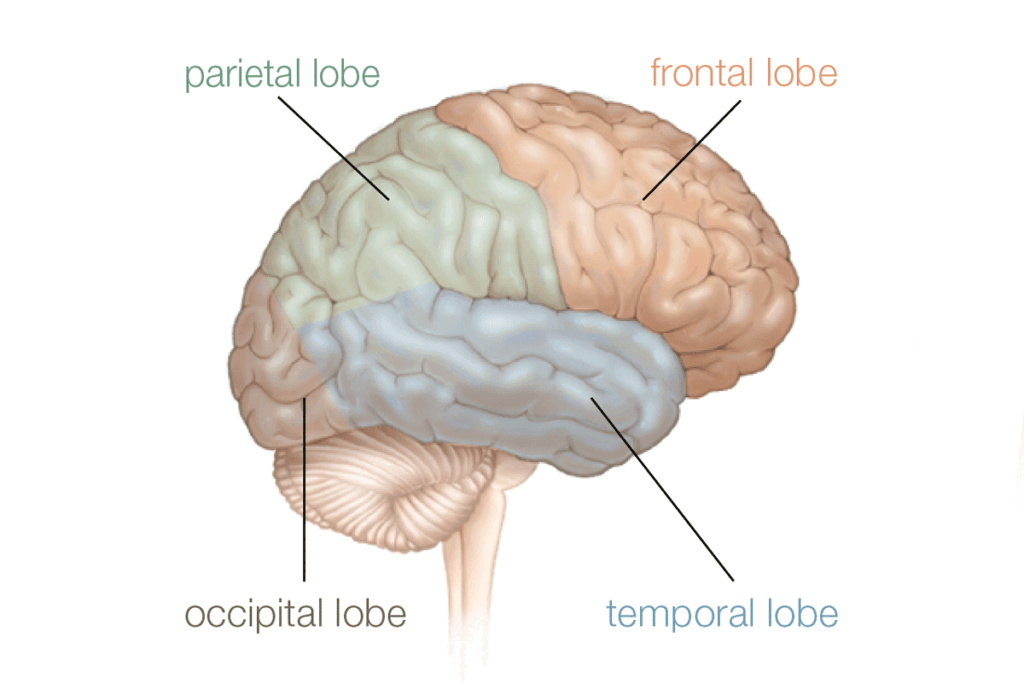
Whether caused by lapses in memory, interrupted processing, or some combination thereof, neuroscientists agree that deja vu signals a glitch in the brain’s internal communication. It likely happens when two parts of the brain responsible for creating memories, the temporal lobe and hippocampus, miscommunicate with one another.
This makes sense if you think about it. Long-term memory and short-term memory don’t just describe how long ago something happened — they’re two distinct types of memory that are processed and stored differently by the brain. It stands to reason that something will feel slightly off if your brain tells you a short-term memory is actually a long-term one. Ever put a shoe on the wrong foot? They’re both shoes, they’re both your size — but it doesn’t quite fit.
Credit: Encyclopædia Britannica, Inc.
Whatever the glitch is, researchers are reasonably sure it’s happening entirely within the brain. Epileptics, who suffer from neural misfiring, often experience frequent deja vu.Teenagers, whose brains are undergoing rapid transformation, also experience more deja vu than the rest of us.
Disorienting as it may be, deja vu is usually not a cause for concern. Akira O’Connor, a psychology professor at Scotland’s the University of St. Andrews believes that the phenomenon is actually a good thing for most people, as it indicates a healthy brain fact-checking its own memories.
As unsettling as the feeling may be, take solace in the fact that deja vu means your memory’s actually pretty good, because you’re flagging things that likely never happened. It would be a lot more concerning if you actually had visited another city before and completely forgotten about it.
Short Answer
Deja vu is caused by misfiring between the region of your brain responsible for long-term memory (the temporal lobe) and the core processing center (the hippocampus), which creates a false sense of familiarity in novel situations. There isn’t a consensus on what causes it — it may be remembering something similar or having your memory formation interrupted, or something else altogether. But it’s common and perfectly natural, and may even be a sign of a healthy memory.
Advertisement
SCIENCE
Why Do Hot Roads Look Wet?
Credit: Dmitry/stock.adobe.com
By
September 3, 2026
Updated: September 3, 2026
Juliet Bennett Rylah
Author
Juliet Bennett Rylah is a Los Angeles-based journalist whose bylines include Atlas Obscura, The Hollywood Reporter, Vice, and many more. In her free time, she likes to karaoke and record spooky podcasts.
People often use the term “mirage” to describe a false promise, but it’s a real scientific phenomenon.
Your first encounter with the concept was probably in animation, as many classic cartoons feature a recurring trope where a character wandering the desert will hallucinate a tropical pond — or occasionally some other desirable feature — only to find nothing but sand there in reality.
Yet we encounter mirages in our everyday lives any time we’re in a vehicle on a hot day, when the distant road looks slick with water despite being bone dry. This illusion and the desert oasis cliche are formed the same exact way.
Not a Drop to Drink
Credit: Nicholas J. Klein/stock.adobe.com
On sunny days, roads can get particularly hot — which you know if you’ve ever made the mistake of walking barefoot on concrete or pavement on a sweltering summer day.
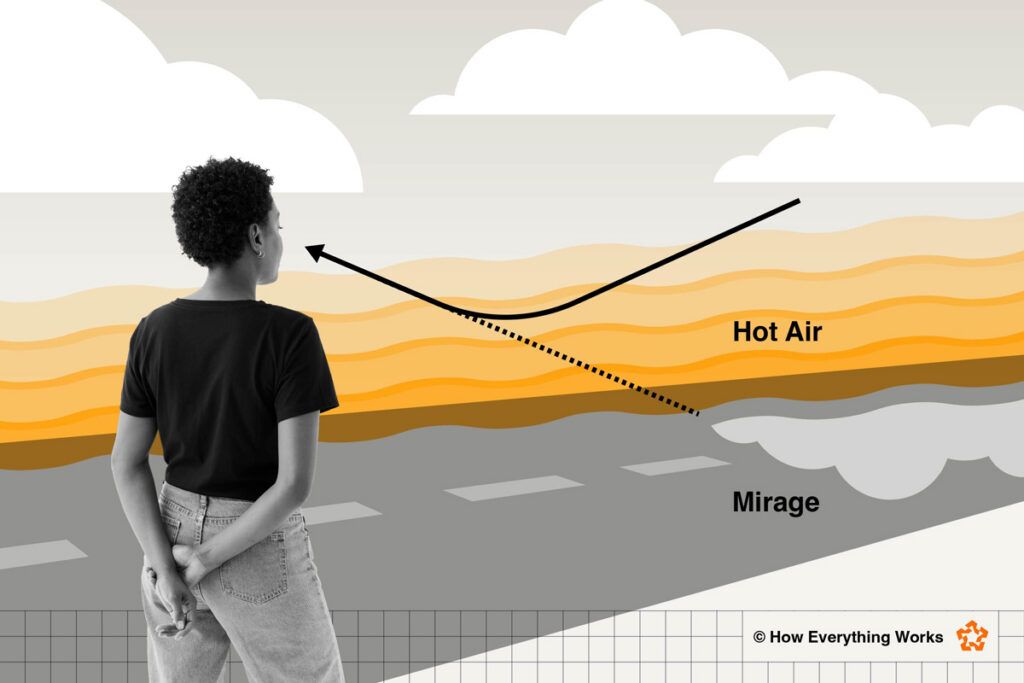
The hot road heats the air just above it. Scientifically speaking, heat occurs when molecules are excitedly moving faster and farther apart from each other rather than staying tightly packed and still as they do when they’re cold. Because of this, warmer air expands and becomes less dense.
This allows light to move through it faster than cooler air (remember, there’s more space between the molecules). As light travels through the difference in temperature and density, it bends, directing light from the sky up and into your eyes.
The reflection appears to shimmer, since the light is constantly refracting at different speeds and angles due to the turbulent nature of the excited molecules dancing above the hot road. This shimmer makes the road appear wet, but as we get closer the illusion vanishes. That’s because it’s only visible from certain angles.
The stereotypical mirage of seeing an oasis in the desert can be explained the same way. Heat above the sand bends light, which reflects the blue sky, making it look as if there’s a pool of blue water just waiting for you to come take a drink.
Credit: Natalia Blauth/Unsplash.com; Illustration How Everything Works
The wet road illusion is known as an inferior mirage, meaning an upside-down image appears below a real object. It applies not just to hot roads or sand, but to the seemingly wavy air you might see over a toaster or barbecue grill.
A superior mirage is when a distant object appears to be higher than it really is. It occurs for the opposite reason: The layer of air closer to the surface is cooler than the air above it, causing light to bend downward. It’s commonly seen across bodies of water or ice, where a ship might appear to be slightly above the water’s surface. Historian Tim Maltin suggested a superior mirage may have contributed to the sinking of the Titanic, creating a haze that prevented the ship from seeing the oncoming iceberg until it was too late.
While there may not be icebergs on the highway, it’s an important reminder to always keep your eyes on the road — even when the road isn’t exactly what it appears to be.
Short Answer
A road can appear wet on a hot day because the pavement warms the air just above it, causing light to bend as it passes between hot, thinner air and cooler, denser air. Light from the sky reflects unevenly to our eyes, which your brain perceives as a shimmering reflection, like water. This same phenomenon creates similar mirages in the desert or wavy air above barbecues and other hot objects.
Advertisement
How Everything Works is free for all readers
Want answers to questions you never knew you had?
Thanks for signing up!
You’ll be receiving your first email soon!
Sorry, your email address is not valid. Please try again.

 SCIENCE



 HEALTH














 CULTURE